
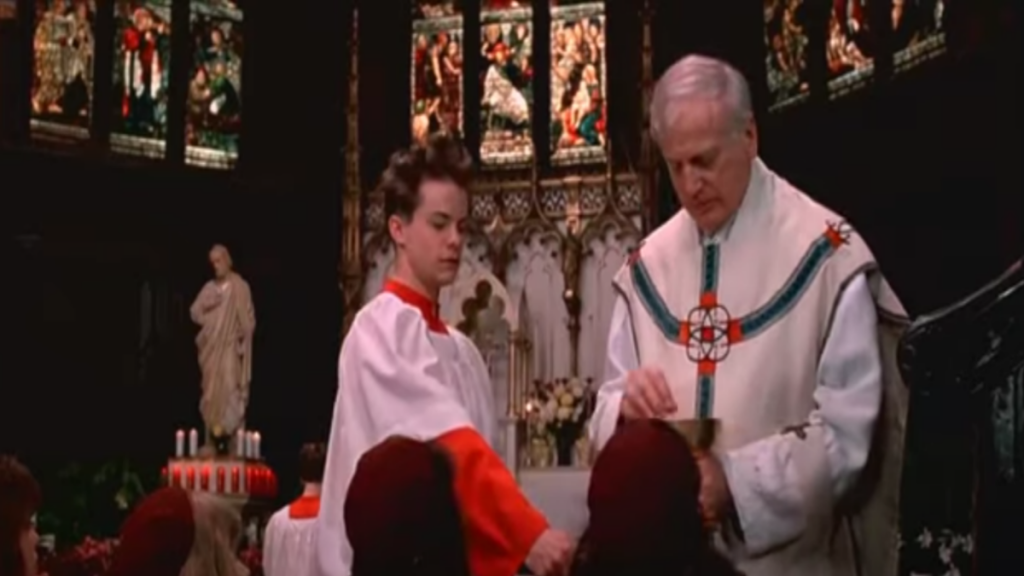
Oh say can you see.
I have to admit I’m never certain how to properly punctuate that phrase. I suppose that’s because depending on how – not to mention whose mouth – the phrase comes out, it could be either an exclamation or an inquisition. One one side, it allows the speaker the chance to point out what they feel is important. But if you consider the receiver, you’re more concerned about what they take with them from the message. However, no matter which side you take, the implications and outcomes are rather significant.

For many people, specifically citizens of the United States of America, the phrase is a significant one. First, it is the first line of the Star Spangled Banner. The words, written by Francis Scott Key on the morning of September 15, 1814, speak of how inspired his heart was upon viewing the U.S. flag was still flying that morning. Recently, due to an unforeseen event, Key’s name has been news again. Once again in the early hours, this time on Tuesday, March 26, 2024, a cargo vessel leaving Baltimore, MD struck the Francis Scott Key Bridge, destroying the bridge entirely and sending several vehicles and even pedestrians into the river below.
When I consider the events of that evening, I find them not only unsettling, but also eerily ironic. See, as the efforts are being made to rescue any survivors, while the public demands – and rightfully expects – “officials” to accept accountability and take restorative actions, I can’t help but notice how often it takes this and similar scenarios to unite us. Which also happens to be the reason why we build bridges in the first place.
If you read Psalm 133, you’ll notice that the author was also concerned with unity. The words, however, extend beyond the solutions, such as the safe transfer of goods and services, that are made possible by the physical structure. They also speak of the spiritual seeds that are planted and watered by acting in unity.
For behold, how good and pleasant it is to dwell together in unity.
Now, depending on your knowledge of the sacred text, you may not have noticed that I left something out. Hopefully you don’t believe that was a bad thing, but if you do, brother let me tell you something.
Over the centuries, and increasing even more in modern times, the Bible has undergone many revisions; the subject of “reinterpretations”. But if you were to investigate the various versions available you would discover that most contain a commonality when it comes to this specific Psalm. Whether it is stated as ‘kindred’, ‘brothers’, or ‘brethren’, the author indicates that even if there is some division, the individuals being referenced are not strangers to one another. Even in the few exceptions where the interpreters use phrases like ‘people of God’ or ‘God’s people’ there is a sense of inclusive exclusion as to who is being united. This may have as much to do with the receiver of the words’ personal relationship with their ‘god’ as it does with the speaker. Especially since the commonly accepted scribe of the Psalm is a fairly divisive individual. David, possible slayer of Goliath, proven King of Jerusalem, definite defiler of Bathsheba and declared as the house from which the Messiah has or will one come from – depending on who you ask. Wow, I really picked a pretty divided topic to talk about.
It All Started With…
After all, is there anything that tears us apart more than when we start talking about how it all came together. But since I’ve already begun I better push forward, we can’t get ahead by going back, isn’t that right Mr. Wonka. However, I won’t burden the audience with going back to the basics. If you wanted to hear the 7 day theory you’d probably prefer it to come from Tupac anyway. Instead since the Psalm led us to David we might as well talk about why his ascension from slave to king was significant. That story starts during the 3rd Chapter of Genesis and if you remember from Sunday School it stars king hiss. Not to be confused with the one from the after school cartoon.

Of all the toys the Bible indicates God gave Adam, there was only one thing the Almighty denied. That was that neither Adam, nor wife Eve should eat from the Tree of the Knowledge of Good and Evil. While scholars debate the actual type of fruit that fell from this tree, they all agree that from it was sown the source of our world’s many suffering. I believe this moment actually depicts the first instance of ‘man’ acting in unity; even if it was in disobedience. Also, although Adam attempted to blame the woman, Eve, who for her part turned on the serpent, the author of this scripture shows even in our species’ infancy God saw man and woman as equal. Both had sinned and shared an equivalent sentence. Still united, it would be their twins who would sow the first seeds of discord; with spilt blood. As the guy with the greatest Big Brother ever, Abel I gotta admit something, yours may be one of the worst.
Sadly this sort of brotherly love would not be an isolated event and as you continue to read the word you will discover that eventually God comes to an impasse. Another bridge to cross, this one leading to waters that would trouble, and eventually cover the entire world.

If you follow the genealogy in Genesis from Adam you will eventually arrive on Noah’s ark. Now, since everyone hopefully already knows this story I will keep rolling down the river only pausing long enough to point out that Noah’s narrative, especially the rainbow at the end, illustrates God’s eternal love. Also, in sparring Noah and his family The Almighty introduces a New Covenant. This is critical because even after crying a river, the creator’s creation didn’t learn a darn thing. In fact the Bible indicates history would repeat itself almost identically. It is suggested that if you count the number of generations responsible for defiling the Earth from Adam to the point of Noah’s flood, they are equal to the numbers – in generations and acts – from Noah’s son Shem to Abraham. Hopefully I can get past this part without burning any bridges.
Not that this conversation hasn’t already been a bit controversial. You know what, before we continue down the road, why don’t we turn on some tunes. After all, the Psalms, with their poetic prose, were also meant by their authors to be put to song; some still are. And I know it’s been a minute but don’t forget this whole commentary started with the opening line from a song in the key of Bb. That kind of looks like Big B and little b, and that brings me right back to Abraham and another set of brothers, doesn’t it? Wow, I didn’t even make it to a commercial break.
Although instead of radio, this next part would probably work better in pictures. It’s the story of a man named Abram and two sons of his own. But one was born of Sarai, his wife, while the other was from her slave girl, Hagar. Still think the shows on television today are so bad, because this is one of those times when the Bible has HBOMAX beat. I mean, some of you were worried that Jack was gonna trip up society, but I bet you wouldn’t go knock on Abraham’s door. Sadly the company Abram – his name until his conversation with God – would keep his son with wife Sarai, who was now called Sarah. Still, while Isaac would go on to be significant in Israel’s great genealogy the Lord also decreed that Abraham’s other son, Ishmael, would be a great ruler of multitudes also. So now we have two nations and while these people and even religions diverge they also dovetail at times. I’ll avoid any spoilers, but let’s just say it won’t even take as long as it did the dove to return to Noah’s ark before you discover this isn’t simply a one player game, but rather a co-op mission; greater together, greater things.

Now it’s a good thing you’re reading this, otherwise you might have thought you heard me say co-opt. While the two may sound the same, they mean two entirely different things. With one being much more divisive; in definition and intention.
How To Reach The Masses
Since we never got to that musical interlude I might as well use it as an example of the difference. And in keeping with my continued obsession with keeping this conversation full of conflict, I’ll use something really controversial. Do you think December is the only time we should hear songs about Christmas?

But when you hear which tune I’m talking about you may not think this song deserves the capital C, especially since the subject was simply secular until it was co-opted. The German song O’Tannenbaum, known also as O Christmas Tree, is simply that, a showcase of the decorations the fig tree offers during the winter holiday. Experts are even divided here, suggesting a hidden subtext with the “evergreen” in the song indicates continuous faith, as the lyricists dealt with the faithlessness of a lover. Well, if the song does in fact refer to a “bridegroom” then perhaps O’Tannenbaum can find its footing among the followers. Because in another co-opt, the term bridegroom has also been used when speaking about the early church. And in the 2nd version of the song, the Christmas Tree announces the arrival of its redeemer, Jesus Christ.

That’s a pretty big easter egg to remain hidden all this time, of course using that term itself in this context is kinda like the pot calling the kettle kitchenware. Yes, I co-opted your colorful analogy because it was corny, cruel and not even correct all the time. Call it another 21st century co-opt, like individuals in the entertainment industry have done with the term easter egg itself. Now it isn’t simply a symbol of who some may refer to as gentiles (pagans) or even Jesus’ resurrection. Instead it refers to a hidden image or reference slipped into video games, moving pictures and actually any medium by the creator. Hold on a second, back it up, did David intend to hide an easter egg in Psalm 133? If so then the groundwork for the Psalms hidden message about unity was laid out long before the Last Supper. Meanwhile, how it comes to fruition shows a woman’s worth.
Now with the season we are currently celebrating it will be easy for some to argue against this logic, especially once they take a look at the table spread in the Upper Room. The communion is a convenient location to contradict my commentary as it excludes the masses he previously fed, and only includes a select few followers of Jesus as he prepared for the Passover and his own ‘passing over’. In fact, save for those who prepared the table for service, you won’t find a single reference during the dinner of any females. Instead it is just Jesus and his 12 disciples that the Bible, and many famous pieces of art, depict as being present at the table. And while a few other significant scriptural events are described during this portion of the book, most notably Judas’ self admonishment, it is the Messiah’s message about the bread and wine – analogous to his own body and blood – that sit central within the Christian belief as they signify his sacrifice.
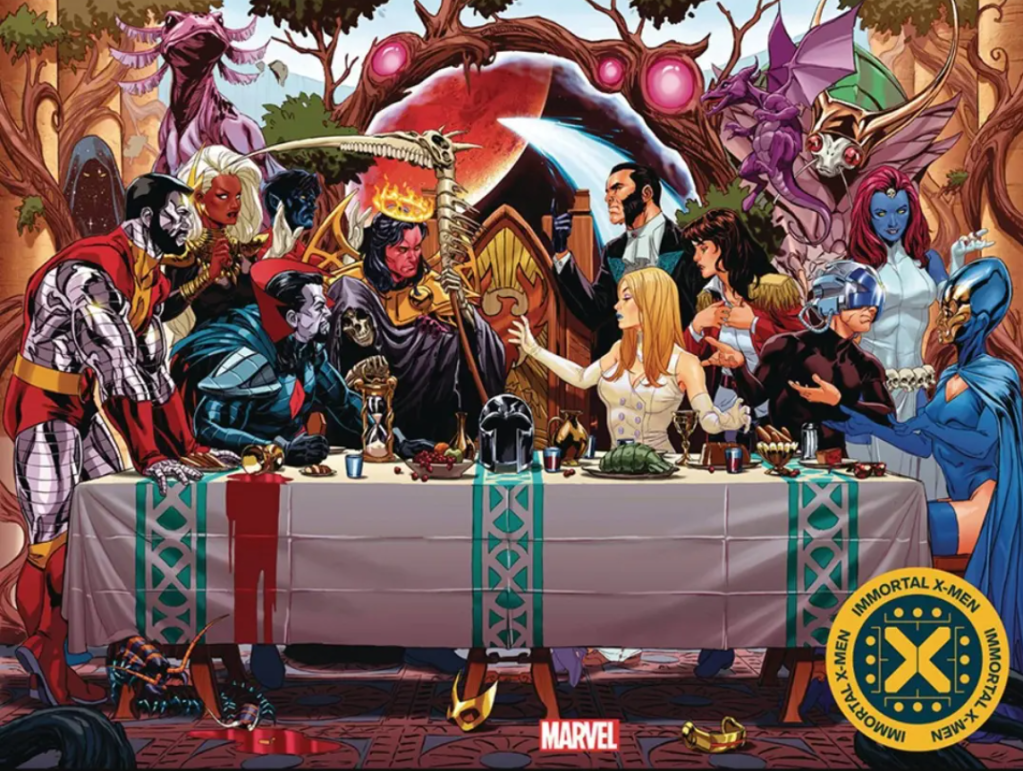
The Festival of Unleavened Bread is already a solemn matter so when Jesus speaks to his disciples during the Last Supper he creates an even more somber atmosphere. Matthew 26: 21 indicates that not only was Jesus aware that the hour of his death was at hand, but he was even aware that it was the hand of one of those closest to him that would betray him.
While not common among people living in the Western world, many Eastern cultures adhere to specific cultural guidelines that outline conduct and specific practices pertaining to death and burial. These range from what activities the living are permitted to partake in during mourning – even specific timings – to what arrangements and the adornments surrounding the body of the deceased. While it is a man named Joseph who Matthew credits with wrapping Jesus’ body in linen, Christ was the beneficiary of one burial tradition while he was still alive.
In Matthew 26:6 we read of a woman who, upon encountering Jesus in her home, began to pour out oils upon his head. Even as the disciples attempted to discipline her – her crime, using “expensive” oil in such a wasteful way – Jesus would do the same to them. Even Christ saw the beauty in her act, indicating her story was now united with his coming ascension as well.
Jesus’ words here point out how often we miss important moments, even critical ones, due to a lack of understanding their importance. Only to look back and consider what has occurred after the fact. In a similar way this woman’s unselfish act has us heading back to Psalm 133; the portions people speed through. And I’ll even stop at some of the attractions a few of you may have thought I just breezed on by earlier.

The second verse of Psalm 133 mentions Aaron, another messenger. You might even consider him a servant, since like Jesus, Aaron was sent to serve as a spokesperson, the one responsible for assisting Moses with the message to both Pharaoh and the children of Israel who had fallen into, and would soon embark on an exodus from slavery. So what does David have to say about Aaron in Psalm 133, well in a blink and you’ll miss it moment, the King simply comments on how unity is like an oil poured out onto Aaron’s head. But since it doesn’t mention this was done during Aaron’s burial ritual, you probably don’t believe this has anything to do with Jesus. I would probably agree with you if the Psalm stopped there, but there ain’t no stopping this now.
The final verse of Psalm 133 doesn’t mention a particular person, though the places – and parts – have a patriarchal significance. It references Hermon, which was said to be the (possible) location where Abraham was promised a son by Yahweh (God), who also is mentioned in this verse. This scripture even foretells Zion, which is the name given to Jerusalem by Isaac’s descendant David. Pretty sneaky writing yourself into the story, honestly what type of writer does that sort of thing?

So what else is hiding in this scripture, well one last easter egg which again takes us back to the cross. Or just a bit before that because Hermon also happens to be the spot of Jesus’ transfiguration in Matthew 17: 1-8. Where his disciple would declare they saw the glory of the Lord revealed. And realized they walked with the one who would deliver men unto Zion, the city of God.
Now, I may just be some egghead still insisting that Krasinski is gonna be Fantastic so I may not be the best bet when it comes to easter eggs. But can anybody continue to believe that Psalm 133 was all about the “brothers”. The only way this Psalm is like the wood is when it’s fashioned into a cross; bound by the word made flesh.


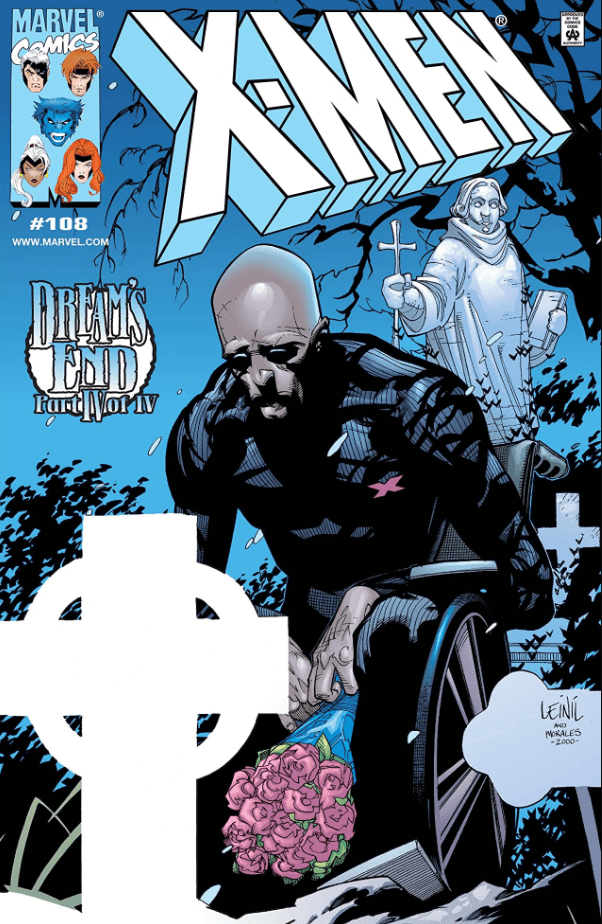
One whose own conception was enough to cause the type of marital conflict I’ve already commented on, yet a union was made between Joseph and Mary. The healer who knew who he was there to serve, and chose to not simply stand around with his fellow physicians, like the Pharisees. The Son that asked and answered who was his “mother” or his “brother”; of foes in his own household. A cousin to a community whose own calendar conveniently coincides with his crucifixion and coincidentally celebrates the same commitments. A Lord that knew that not all who called him by that name were called. The stranger in a strange land who considered (and consented) to both the Canaanite woman and the Centurion’s request. Someone who even though his own days were numbered, advised others to not think of tomorrow, because he knew who held it in his hands – avoiding unnecessarily crossing the stream running between lamentations and revelation. One whose words in Matthew 12:33 worm their way back to mankind’s earliest warning, while mentioning it is the tree as much and even more so than the fruit that is at fault. Because he believed it wasn’t what was taken in, but what was already there, in the heart, that made one evil. So that his disciples had the directions necessary to go forth and unite ALL nations. To reach the masses and draw ALL “men” unto him.
I’ve done enough back and forth about Psalm 133 this Easter Sunday. I don’t know if David’s writing indirectly refers to the Rabbi, who also gave us plenty of easter eggs – in the form of parables. Hidden in plain sight for anyone paying attention. With a promise that we would understand it by and by, when the morning comes.
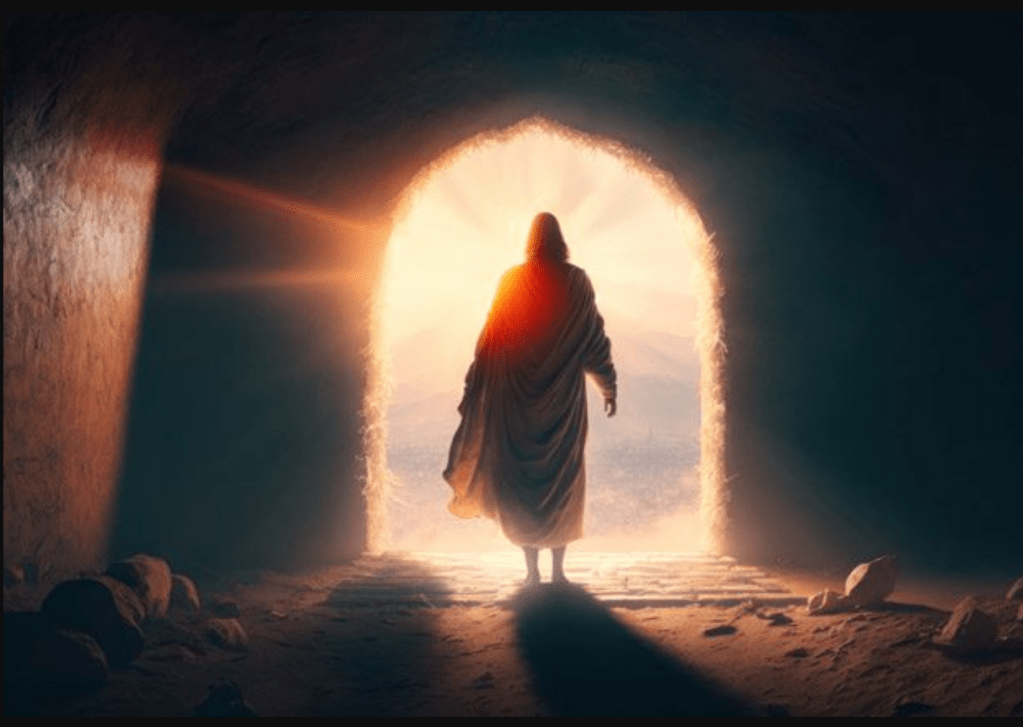
Oh I Want To See Him.



 Off The Top Of My Head And Out Of My Mind
Leave a comment