

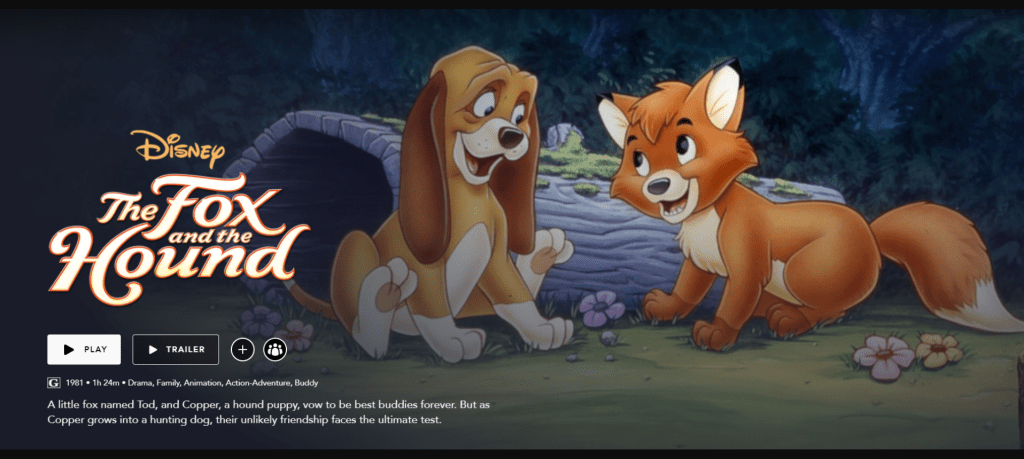
While reading the Disney+ description of the 1981 animated film The Fox and the Hound, you’ll discover, nestled up with the rest of the text, a strange little creature: unlikely. Call it a stray if you will, especially since the inclusion of this tag-a-long in the tagline implies this tale could have scurried off in a completely different direction. Of course, if you were to ask anyone who’s ever watched the film, they’d likely agree it is inconceivable that Todd and Copper’s story could end any other way than how Disney animated it. Meanwhile, for those who also have read the novel The Fox and Hound, which one do you consider the red herring?
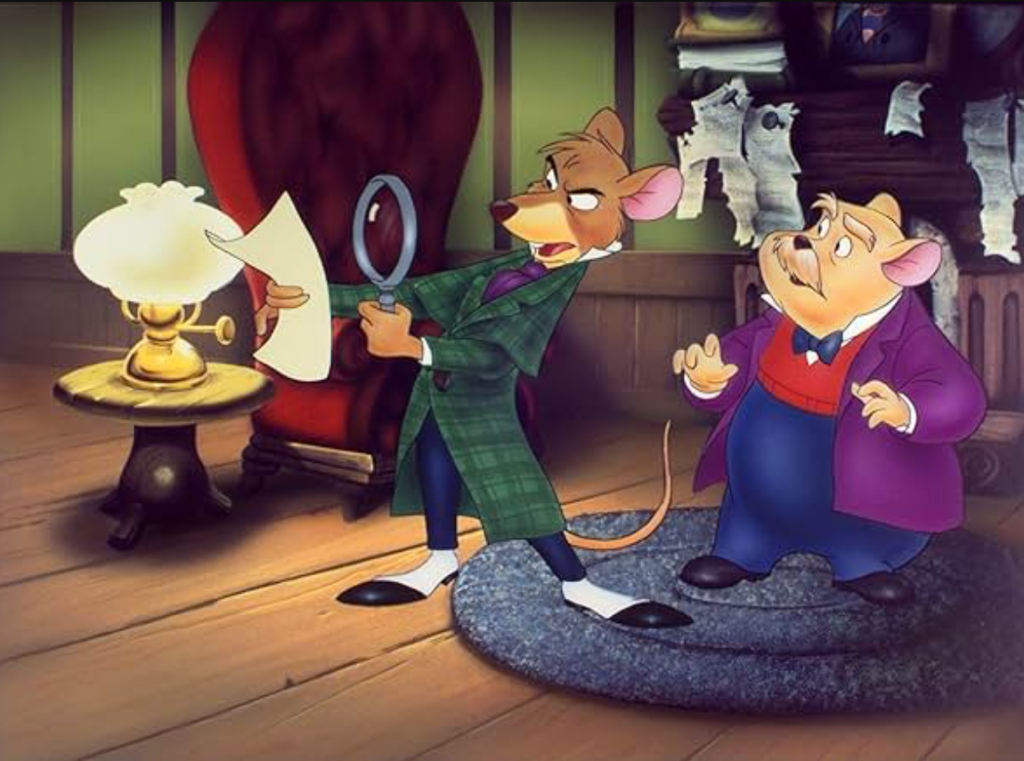
Red herring, now there’s another interesting term. The basic knowledge of the idiom highlights a deceptive nature, especially based on the story that led to its present popularity. The legend is that English polemicist William Cobbett told a tale of using a strong smoked smelling fish to distract hounds from chasing a rabbit. However, neither the Hound of Baskerville nor the red herring written in scarlet proved sufficient enough to confuse Sir Arthur Conan Doyle’s Sherlock Holmes. And even though there were differences between Detective Holmes and his colleague Watson – in both profession and approach – the doctor too understood the importance of not confusing the symptom and the diagnosis. Explanations from the seemingly unlikely – an elementary deduction.
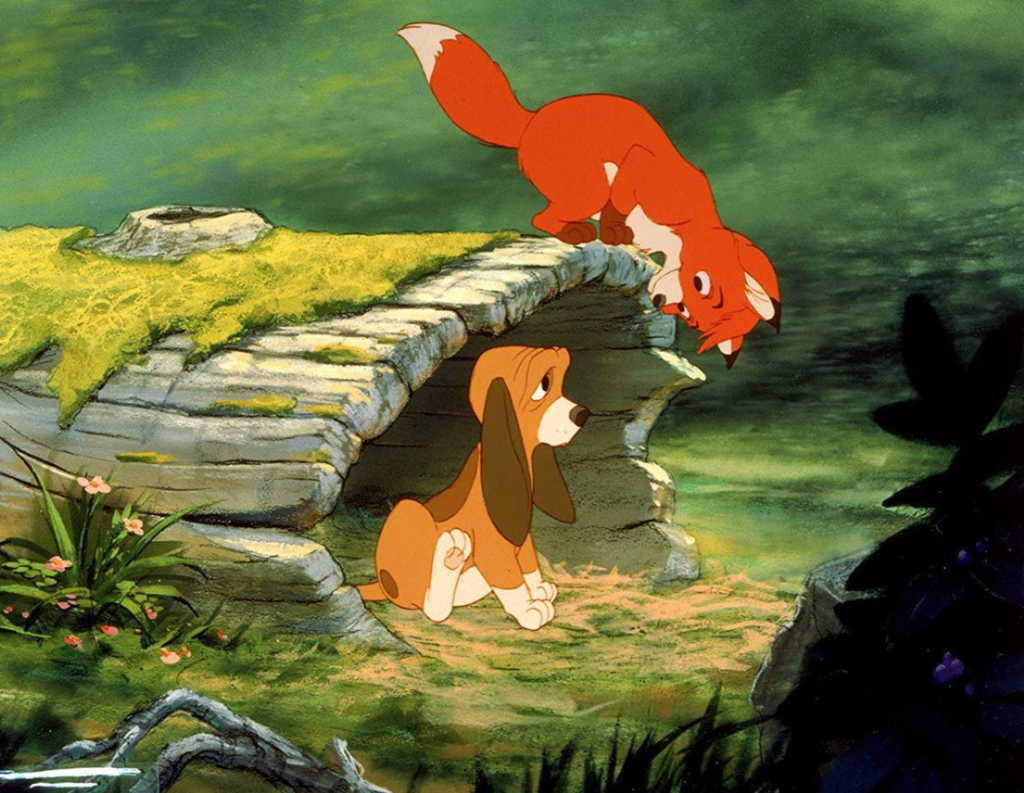
So maybe the duo could discover why “unlikely” ended up in the description of The Fox and The Hound. You won’t find it in the description of Tango and Cash – or even Turner and Hooch. True, not many folks will compare these films, but for some audiences Todd and Copper’s adventure was their introduction to the buddy film genre. Not all contain cops or consist of a strictly male cast, but the one constant for this specific movie setup is the two characters are opposites in some way. Whether they differ in ethnicity, income or demeanor – once the “unlikely” occurs and they cross paths – they must choose to rely on one another, sometimes for their very survival.
What we share perfectly sums up this story coming from the state known for greatness – from the Mall of America to its 10,000 lakes – that suffered the loss of someone who provided for the least. News outlets began circulating a more tragic animal story that took place on Monday, June 23, 2025. Along with various reporters providing information on the tragedy the husband of the late Mikayla Raines was also on hand to speak about his late wife’s work. Through pain and tear filled eyes he told of the hope SaveAFox brought to the lives of Mikayla and others in addition to the horrors that found their way into Raines’ life. Hearing the circumstances at the center of the death of animal rehabilitator and SaveAFox founder Mikalya Raines echoing the Messiah’s message in the 26th verse of Matthew Chapter 20.
Though his mission was to give abundant life, even Jesus acknowledged that each of us played a part in the maintenance of this precious gift we’ve all been given. From both a personal perspective – including protecting ourselves from what is viewed as impure – to a collective preservation of all aspects of our physical world. Taught by the Rabbi in the form of parables – to confuse some and open the eyes of others – these lessons featured animals and objects as analogies for human behaviors and experiences. Continuing this method after the Messiah’s death, the apostle Paul’s commentary in Corinthians correlates the human body with the church. Today, with a world that extends beyond the doors of the church, it is also necessary to apply this thinking to our communities, cities and every country in civilization. How as a part, a fraction of a larger “body” every action inevitably impacts the whole. Our life’s, our stories are inexplicably intertwined, even if the inner workings and internal mechanisms are invisible to the naked eye. It might sound like fairy tales and FantasyLand animatronics, but actually that is just how the body works.
Want more proof, well buckle up and get ready to take a ride on Spaceship Earth.
Of Mice and Mean(s)
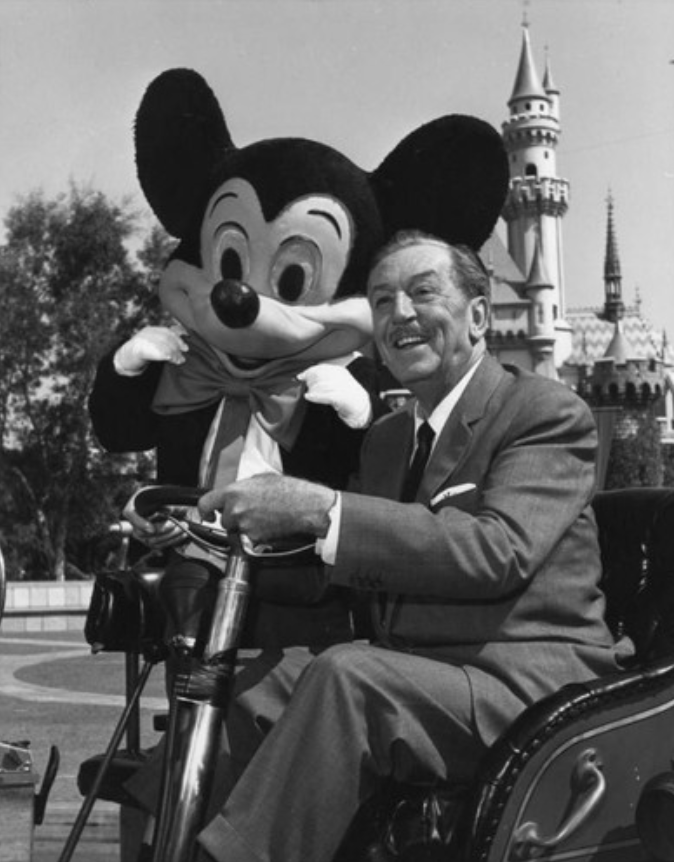
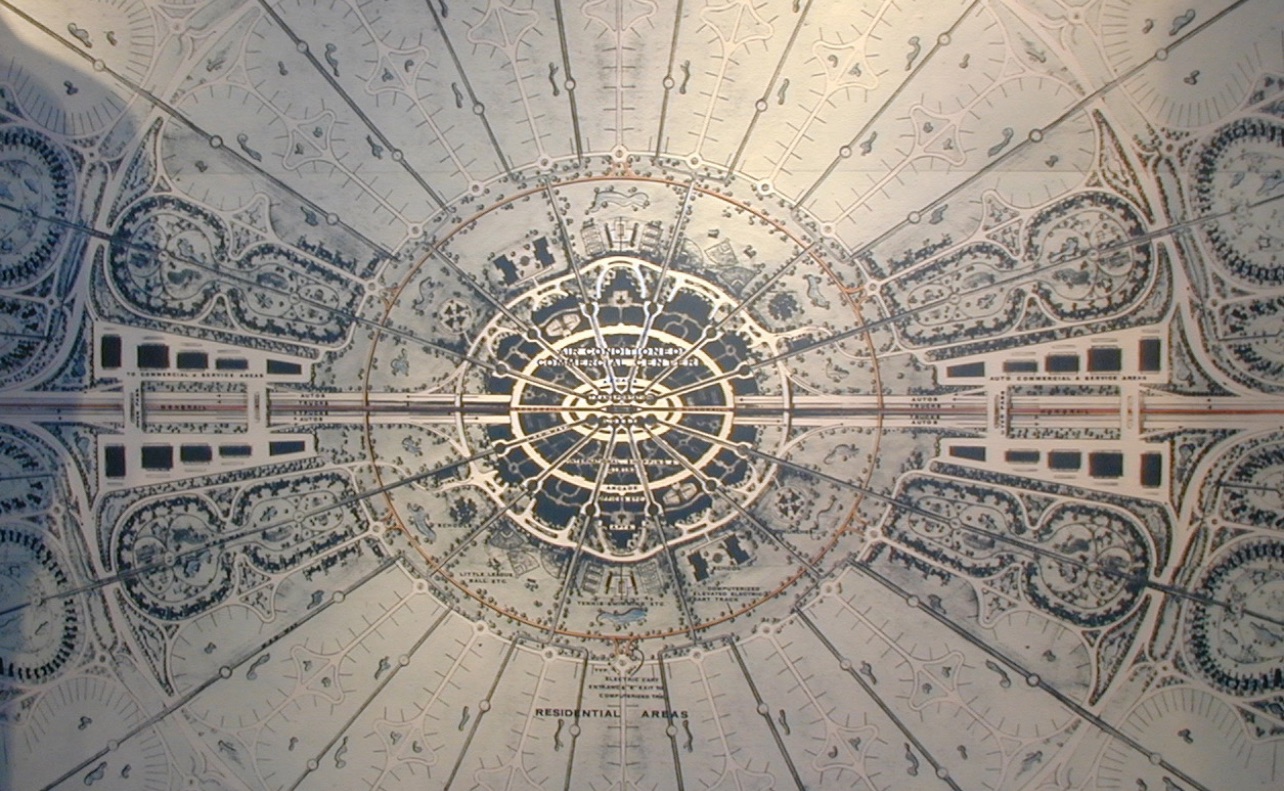
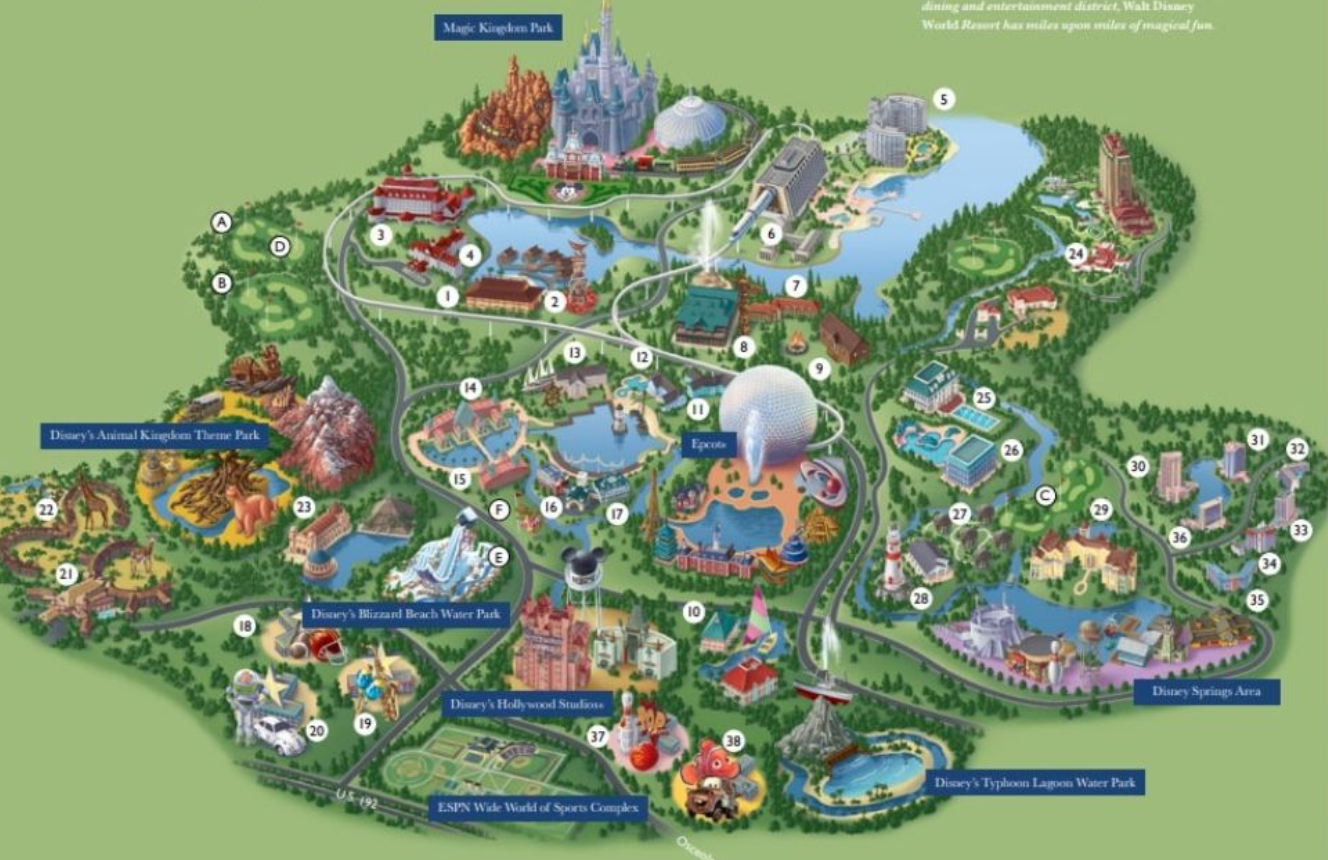
As unlikely as it may seem now, Walt Disney’s original plan positioned EPCOT as the epicenter of the now world famous theme park. Archive footage of the 1966 “Florida Project” shows how The Experimental Prototype Community of Tomorrow would serve as the heart of Walt Disney World; in the same manner that Walt himself did for Disney Productions. Unfortunately, illness and the untimely death of Disney meant visitors never got the chance to truly experience EPCOT in the fashion as Disney imagined. Still, you don’t hear many people complaining about what could have been. Was there anyone who witnessed the debut of Progress City a failure? Unlikely.
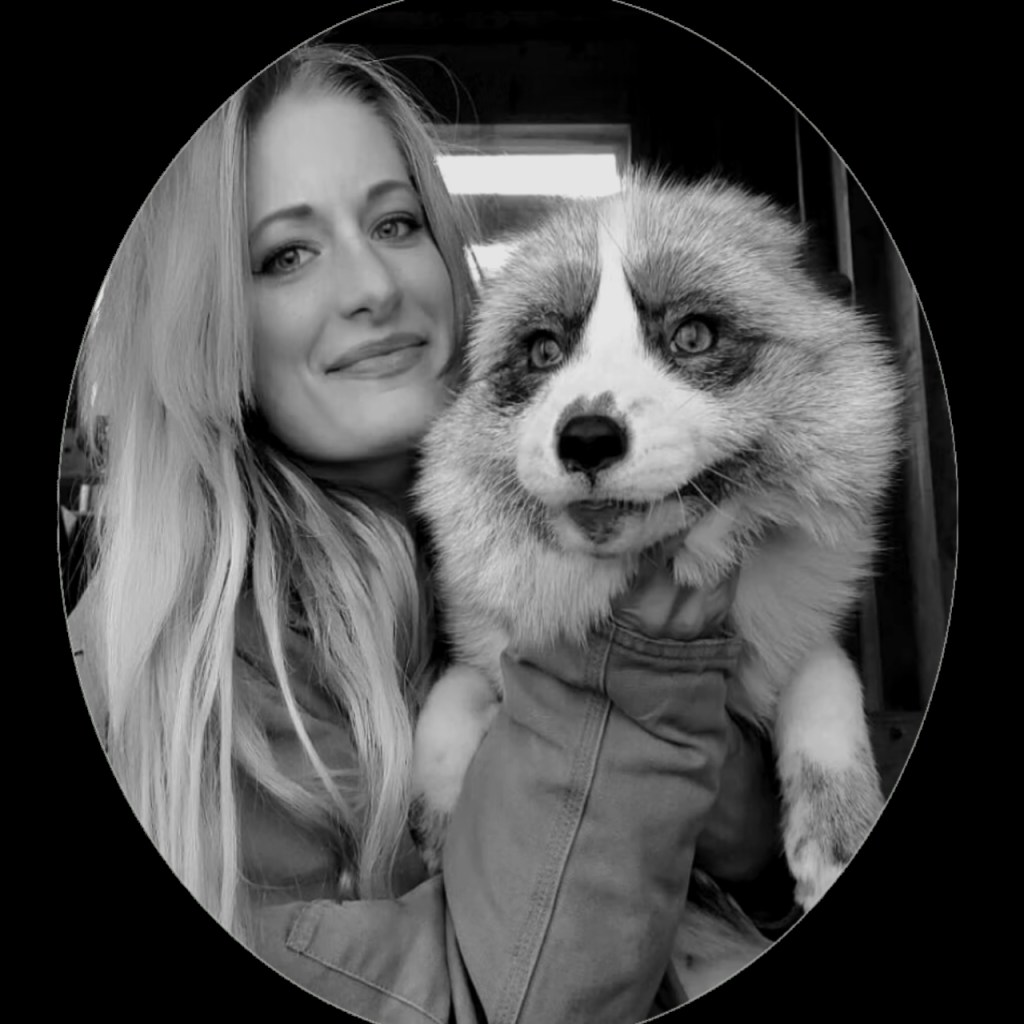
In two years SaveAFox Rescue will have provided a decade of service to foxes and other wildlife that otherwise would have likely endured years of suffering, abuse, cruelty and even death in a kennel. However, what should be a day of celebrating SaveAFox’s success will likely be a somber occasion as – similar to Walt – the human deserving the credit for its creation will not be present. Even though Mikalya probably discussed her idea with friends and family, as a nonprofit – unlike Disney – there was no studio on standby to bankroll any of the initial investments. So unless there exists a personal social media post Mikayla made detailing her plans for creating SaveAFox, the paperwork filed in December 2017 – documentation of its founders dream – is possibly the only record of SaveAFox’s creation.
By now you might be feeling like this article – and yes, the author – are crazier than a fox. Or that like foxes, the plot has several holes. It could be you’re missing the connection because instinctively, our human brains are programmed to initially only recognize and respond to the physically identifiable similarities that exist between two things. Only after digging around in the dirt a bit do we begin to fill in the blanks. As we navigate in the dark, eventually our routes crisscross, pathways become connected, and we begin to understand the deeper meaning of a situation. Unfortunately, at times this occurs too late, leaving you to fill in the holes yourself. What If becomes If Only.

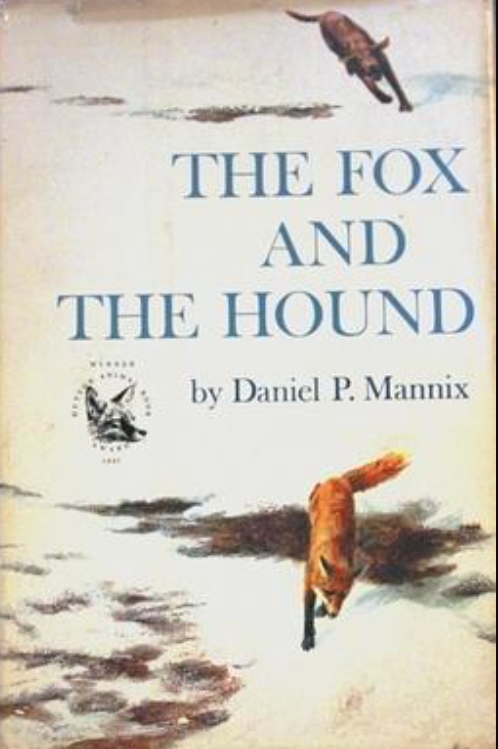
Meanwhile, it seems we’ve managed to tunnel back to EPCOT. Obviously this wasn’t the only project on the table for the pioneer of Imagineering in 1966. Care to wager on what film was in the very early developmental stages at the time? That’s right, see the moment the original manuscript’s author, Daniel P Mannix, received the Dutton Animals Rights award, the creator of the club made for you and me was at the table with pen in hand to secure the film rights for Fox and the Hound. However, in the almost 10 years it took to produce the classic at times it appeared unlikely the final animation feature greenlit by Walt himself would ever be completed. Disagreements among animators arose, with one centered around changes the film made from Mannix’s version involving Chief. Eventually the studio worked through this impasse, but what is interesting is although Chief’s fate eventually ended some professional friendships, by making another deviation to the orginal material the studio chose to play it SAF.
Maybe because Disney, like Raines, spent his younger years in the Midwest; the two growing up in Missouri and Minnesota respectively. Sharing borders, along with similar terrains and ecosystems, allowed each to develop an interest in, an appreciation for and a dedication to protecting animal life and nature. This is on display in both Disney’s True-Life Adventures and the videos posted to The SaveAFox YouTube page. The difference, of the multitude of criticisms heaped upon Disney’s films – animated or otherwise – few center on exploiting nature and animals for personal profit.
To be fair Disney’s library isn’t the only one – or the first – to feature animals, even at times insects, in the place of humans to entertain as well as impart a lesson or provide moral commentary. Due to the fact that The Almighty’s declaration of mankind’s dominion over all other life on Earth included one amendment: coexistence. And even beyond Hebrew history there are countless texts from various cultures containing lessons humanity only seems capable of learning from livestock. Still, even after spending a year among the foxes researching his manuscript, Mannix maintained that humans can never truly understand the reasoning, the rationale of “animals”. However, with a time honored approach of applying anthropomorphic properties it becomes possible to imagine how each unique lifeform has its own hopes and dreams. How they each have their own share of problems. Take the rodent in ‘To A Mouse’ who, like Job – the biblical book that inspired writer Robert Burns to create the poem – witnessed all their worldly possessions and loved ones taken away in an instant. Interestingly enough embedded within the reminder that in the midst of every creature’s momentary misery The Universe is working behind the scenes, there is another message that is often overlooked in the tales of mice and men. Thank the stars for cartoons.
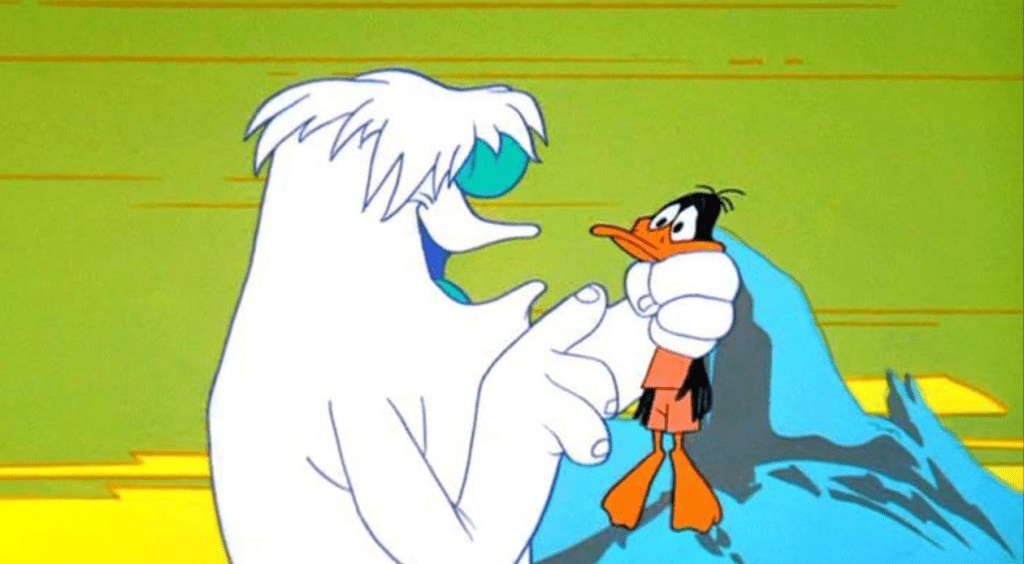
The creative hilarity of the mouse’s rival studio, aided by the pairing of two animals who don’t particularly like one another, is on full display in Looney Tunes The Abominable Snow Rabbit. This 1961 cartoon features the debut of Hugo – the abomin..abominib.., abominable snowman – by placing the Yeti in the shoes of the large migrant worker Lenny from John Steinbeck’s 1937 novel. Hugo’s unforgettable line is as much a reference to Lenny’s love of “soft things” as the monster’s stammer is meant to remind us of the man’s mental disability. Unfortunately due to both of these “differences” Bugs and Daffy only see Hugo the way characters in Steinbeck’s novel saw Lenny: a monster. According to Steinbeck, Of Mice and Men was written to “help each of us better understand our fellow human(s).” Kinda makes you wonder what Daffy really meant with his comment at the end of the cartoon’s story. Was it in reference to Hugo’s appearance and demeanor or calling out those who judged, alienated and mistreated the snowman?
Abominable
Word World
The BIBLE: The Basic Instructions Before Leaving Earth
Using the title of the theological text book as an acronym, similar to the message delivered by the man billed the living embodiment of it, can both claim to be new things. And like Christ, an acronym not only serves itself, but it represents the expanse – the words and phrases that it takes the place of. EPCOT, Disney’s forever evolving, technological utopia, is just one example. For another, ask anyone ever tasked with manning an IT Help Desk. Almost every operator assisting callers with technical issues eventually encounters the PEBCAK. In some parts of the world it may be known as PEBKAC, but they are essentially the same thing. The same thing – the person is likely the cause of the problem. Obviously this is an insensitive approach to someone in need of assistance, but for a small segment of computer users, specifically those spreading negative narratives and spouting nonsense on the world wide web, it is an accurate evaluation. Especially when woven into the tapestry of the tragedy surrounding SaveAFox’’s founder and by estimates so many others.
Besides being a portion of the behavioral guide for several prominent religions, the Book of Genesis can claim something no other book can. While there are numerous tales that open with Once Upon a Time, and just as many that start with A Long Time Ago, only one book begins with the ultimate declarative opening line – In The Beginning.
Now, based on the text that many believers credit as the true creation story, the sixth day bore witness to man, and therefore all mankind, being made from dust. And although God created them first, humanity was given dominion over all the other creatures on Earth. Over the centuries this unalienable right has been man’s basis for using animals for everything from protection and transport to attire and food. In addition to this authority The Almighty also bestowed upon Adam the honor of giving each beast their name.
Names – animal or human – are simply another form of words. Like words they have a meaning, quite often carrying some social significance, and so like words they too carry a certain amount of power, be it the name Jesus Chirst or a surname engraved upon a family crest. Whether it is a proper or pronoun, a homonym or synonym, an anagram, a symbol or a figure of speech, it is foolhardy to not for a moment pause to understand and fully appreciate their deeper purposes. Plus, It’s kinda hard to believe that within the walls where the Disney writers work there isn’t one thesaurus. So it’s safe to assume the authors could have chosen from several words other than “unlikely” in the description of Fox and The Hound.
For whatever reason, history has hounded the fox. The very traits – cleverness and cunning – that can transform a man into the Wolf of Wall Street instead turn the fox into a trickster. Many assume something similar happens with the word likely when the prefix “un” is added. That could be because we don’t really have as tight a leash on “un” as we would like to believe. True, most times you encounter “un” it is being negative. Unappreciated, unpopular, unwanted and unwarranted are perfect examples of “un” replacing the word “not”. But like Copper’s plot in the Fox and the Hound portrayed, how you turn out depends on the company you keep. Sometimes it is impossible to turn the root word negative, so the new word becomes a polar opposite instead.
To fully understand “unlikely” let’s return again to the one thing the Torah, the Quran and King James Version all have in common; an “unlikely” beginning. After the voice of God uttered the phrase let there be light, the Universe became something “unlike” the bleak nothingness it was just moments before. Then, in the Garden of Eden, creatures “unlike” any previously known to exist were brought to life. In both of these instances “unlike” has nothing to do with someone’s preference, but instead points out something that is inspired and original. Now, mankind “likely” would still be in the Garden if not for the “unlikely” actions of Adam and Eve. Our days would all be the same, the sun always shining, save for a deviation from God’s plan. At least that’s how it looks on paper.
Admittedly very few individuals reading this article would want someone to compare you to a blank page. Yet John Locke, whose philosophical ideas helped produce laws unlike the divine rights that ruled over England and the United States in the 17th century, believed firmly that we all enter into existence as “tabula rasa”. That only through our experiences – shared and individual – do we acquire and contribute to the collective catalog we refer to as knowledge. Wait a second, so if anything made by humans is artificial, wouldn’t that make what we know artificial intelligence? It really is a small world after all.
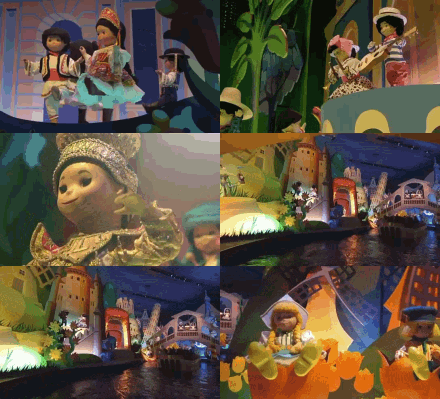
Making its debut at the 1964 New York World’s Fair, “It’s a Small World” – the song that plays throughout the timeless attraction that bears its name – was written in response to the Cuban Missile Crisis. Featuring characters from countless countries, the lyrics were intended for easy translation into any language and to convey a message of peace and brotherhood. But, looking back into Genesis we witness mankind’s attempt to reach Heaven by building the Tower of Babel only for God to confuse the minds of them all, thus creating the unique languages that would one day combine to sing the memorable song.
Now why would God, the creator of the original Utopia, create this scenario where not only would we speak different languages? Once again John Locke provides the answer for divine intervention. Impenetrability, the concept that like matter is unable to occupy the same space, is illustrated in the jar full of golf balls by many instructors. It also indicates the reason why we all are so unique; nature abhors a vacuum. The loss of life, like Mikayla Raines, is tragically one of the two things all creatures can claim to have in common, with birth being the other. But in between, interceding, there exists something that affects all creatures great and small. In Chapter 104 the Psalms tell of a God that abounds in all that is natural in the world; all things bright and beautiful.

With the numerous other birds that bring beauty to the world through their song, there were many other candidates Atticus could have used as a metaphor in To Kill A Mockingbird. But, with the choice of this particular passerine Harper Lee makes an interesting point. The mockingbird’s name denotes its ability to sound like other birds. And since that means they even can parrot a parrot, this can include mimicking humans too. Perched beyond the subtext of stereotypes – racial, sexual and social hierarchical – the story’s central statement: every creature great and small has a purpose. And their own struggles.
So, who do you call when the going gets tough?
Animal, Veggie Tale…Shirt-Tales
Even if it came from Hallmark it is impossible to imagine the Motion Picture Association of America giving a cinematic production of Genesis a G rating. However, of all the graphic nature and adult themes contained in the first book of The Pentateuch, the naked truth is in the grand design nudity would not have made the list. If you remember your Sunday school lesson it was the knowledge of their nakedness that led to Adam and Eve’s – and by extension our – unlikely story. Of course they had some help from a clever, cunning creature. According to Hannix’s novel this sounds like the text book definition of a fox, however, in both The Jungle Book and The Good Book all signs indicate the serpent as the sneakiest animal in existence.
While discussing the circumstances surrounding Mikayla’s suicide, Ethan Raines spoke openly about the mental health struggles the young mother dealt with on a daily basis. The National Institutes of Health (NIH) uses a hunt as a means of explaining the experience someone with autism endures. The increased alertness, awkwardness and feelings of abandonment. As the founder of SaveAFox’s mate spoke it becomes apparent the disorder doesn’t model Pavlov’s dog, as despite all Mikayla’s efforts at the organization, autism created a continuous cycle of punishment and reward.
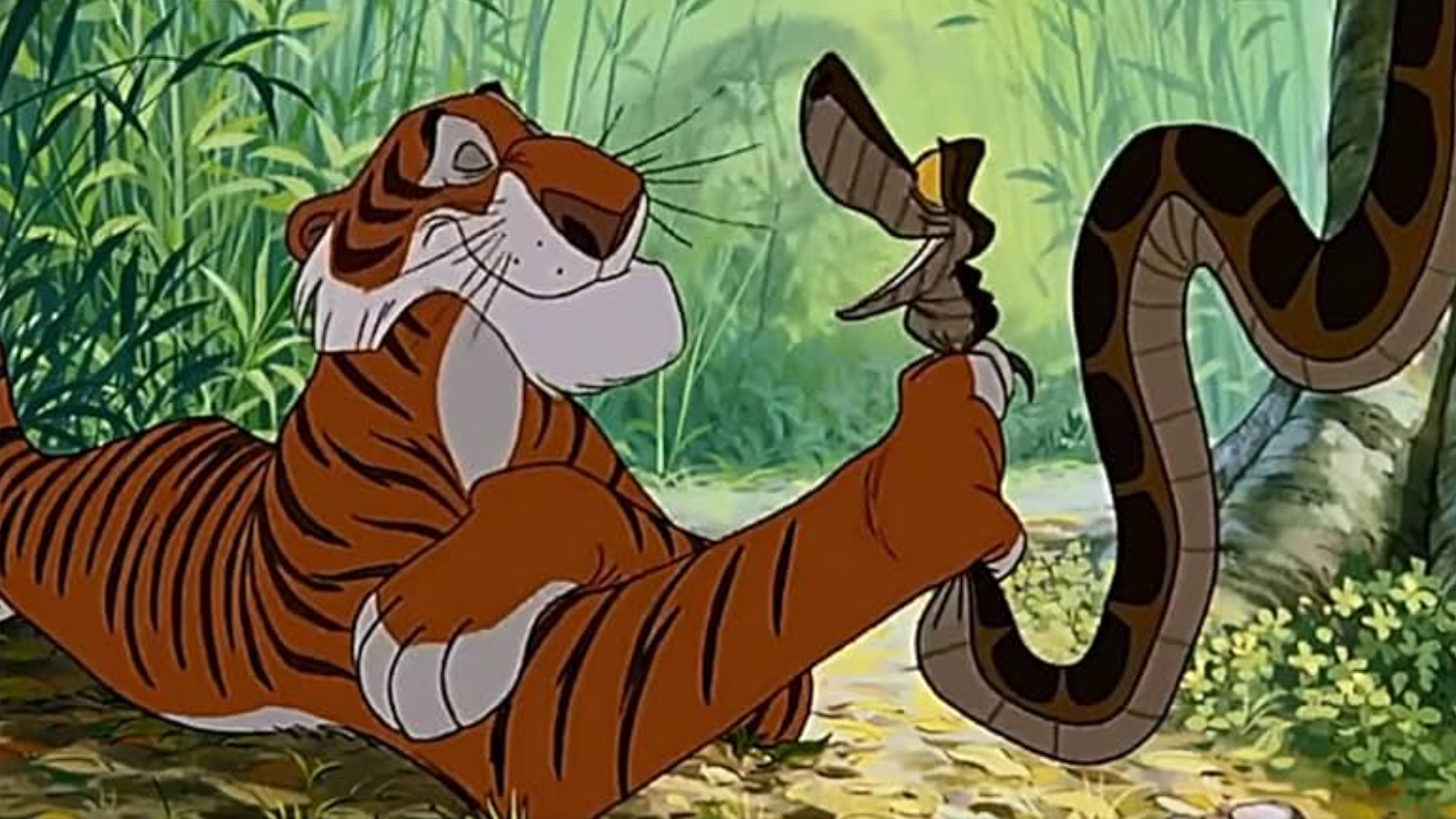
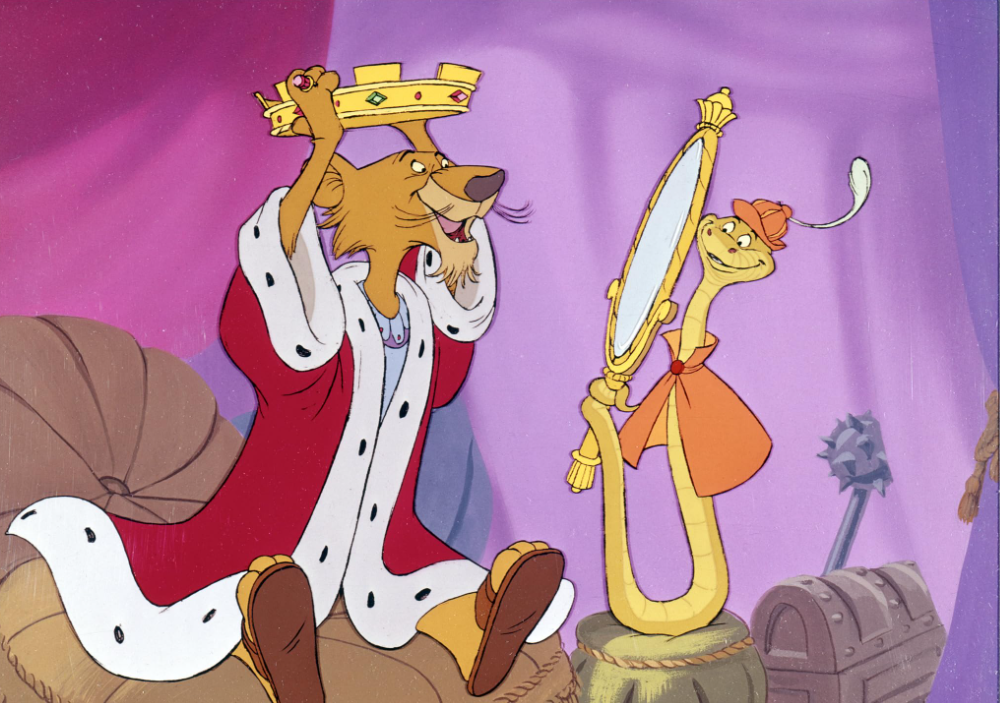
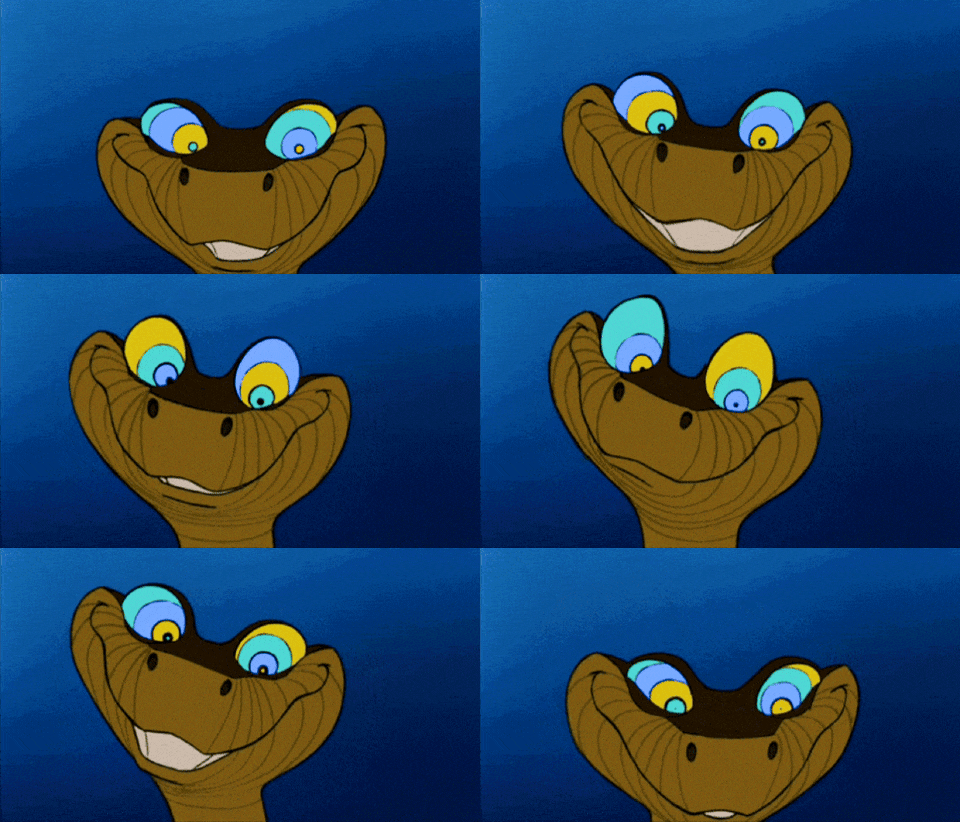
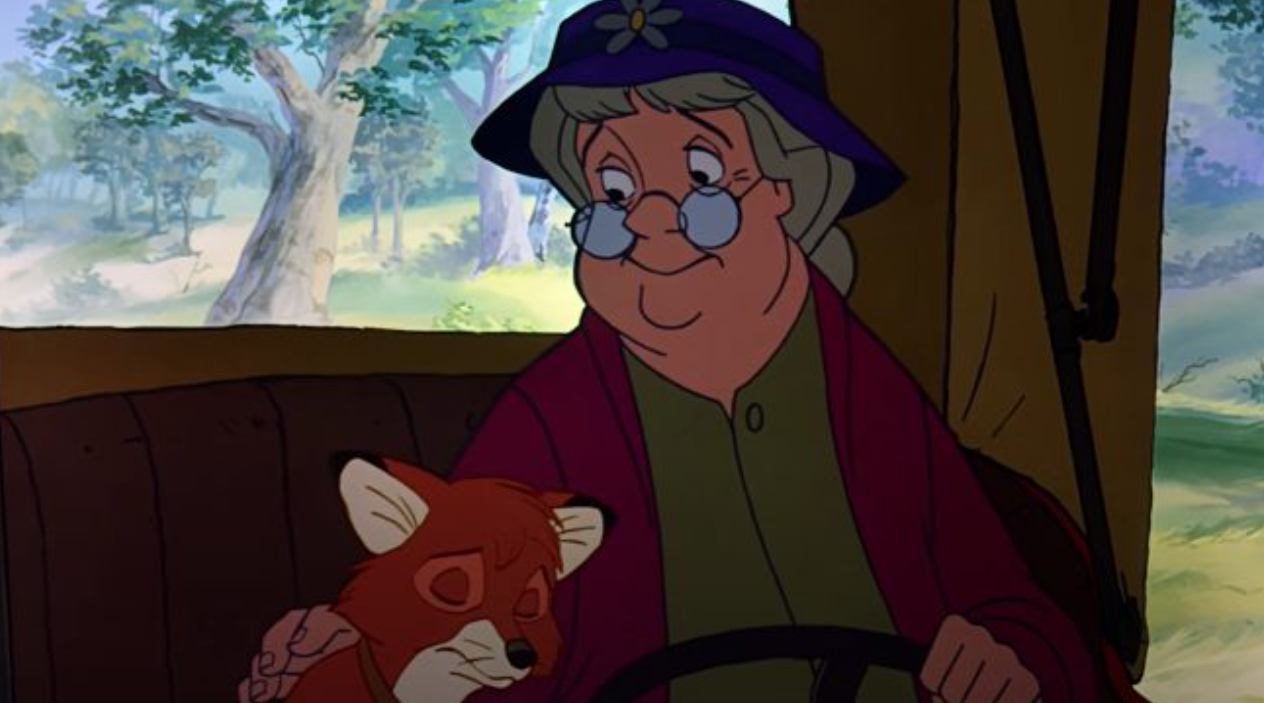
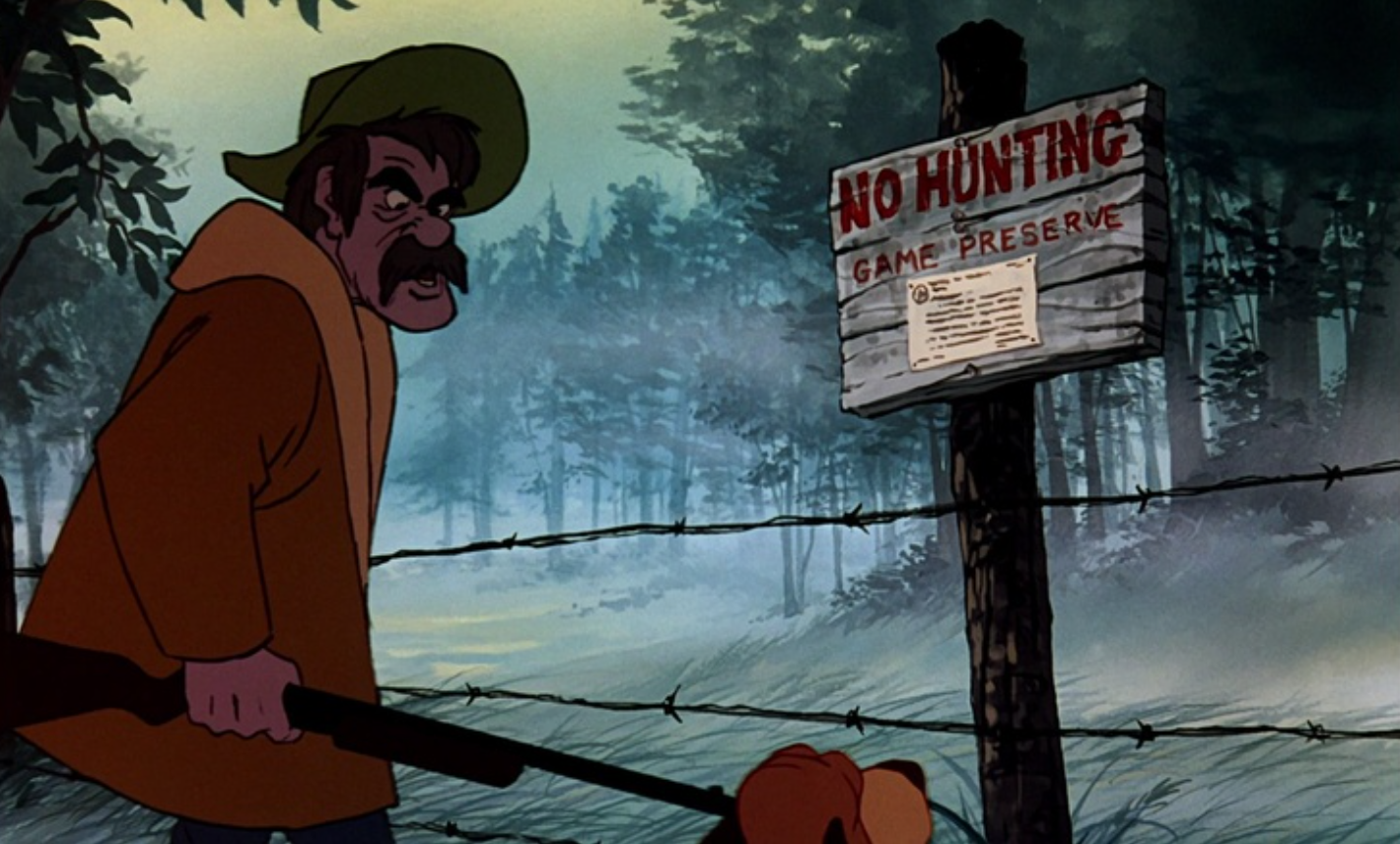
Meanwhile, anyone watching Act Two of Disney’s The Fox and the Hound will notice how humanity’s miseducation created a problem that produced the purpose Mikalya established SaveAFox to solve. First, as Tod attempts to escape Chief, the fox runs right into the woodshed, allowing him to finally grasp what Big Mama was crowing about in Lack of Education. A wall of drying fox skins – trophies to Amos and Chief’s hunting trips – startles Tod, waking him up to horrors the household, including the houndogs, engage upon. Then, after barely escaping the barrel of Amos‘s shotgun, Tod must deal with another shakeup in his young world. Widow Tweed – fearful of Amos escalating his attempts to capture Tod – makes the tearful decision to release the fox back into the wild. Tweed’s faith is that the preserve will offer Tod some protection from the hunter and his hounds. Now even Nemo found a home – replacing opening day EPCOT attraction The Living Seas in 2005 – so just imagine how the fox must have felt that night as he struggled to find a den; a safe place to sleep.
The creation of SaveAFox is – and forever more will be – a reminder of an unconditional response from a young woman who followed the model to hear the cry and respond to the call of “one” in need. The trail leading here, documented on SaveAFox’s website, details Mikayla’s journey beginning with accompanying her mother – also an animal rehabilitator herself – to various training sessions. Was anyone aware then of the unseen hand preparing her for the moment she would be called upon to care for an animal in need? Or how that chance first rescue encounter would show Mikayla her potential; a seed scattered, sowed on fertile soil of possibility?
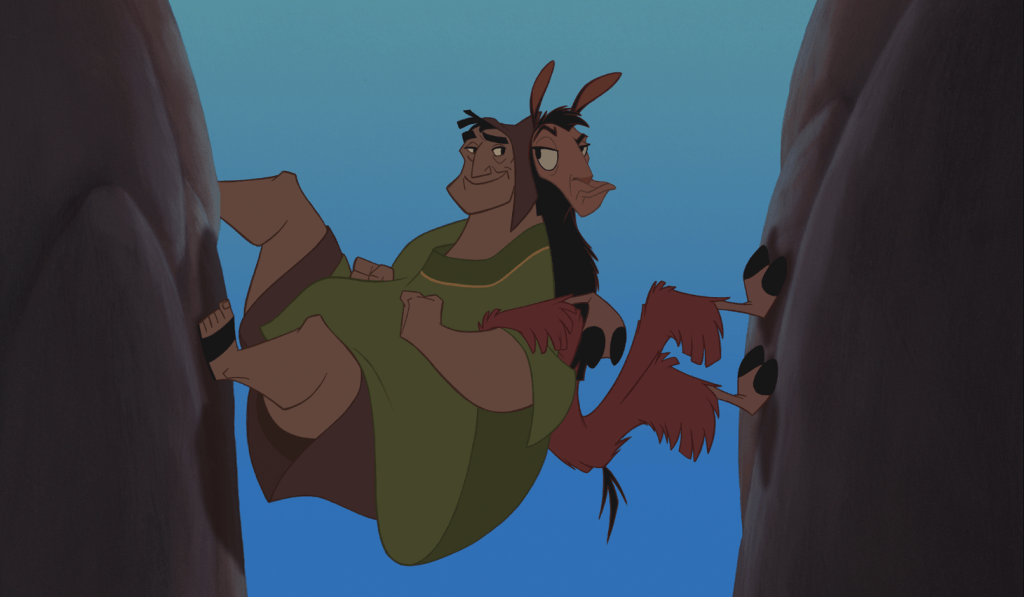
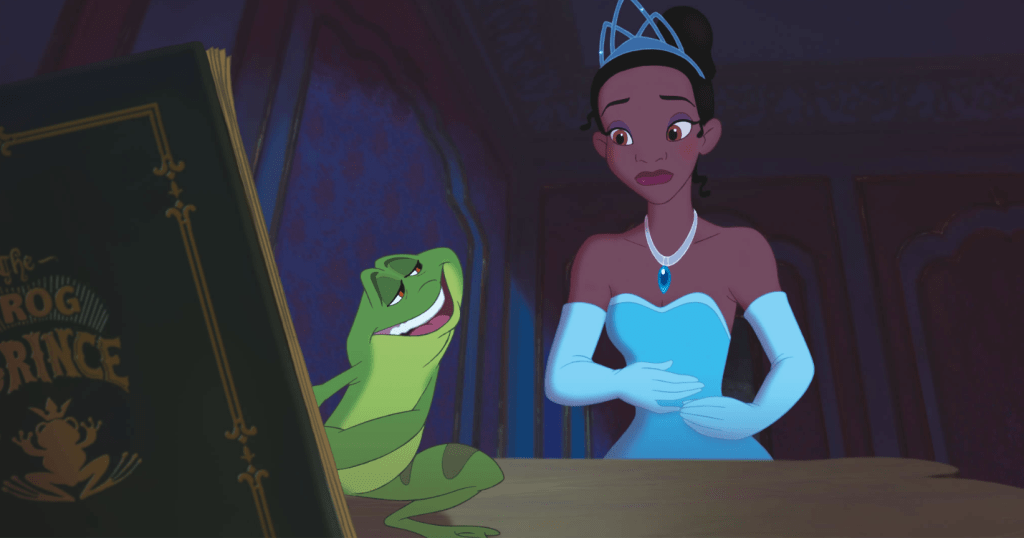
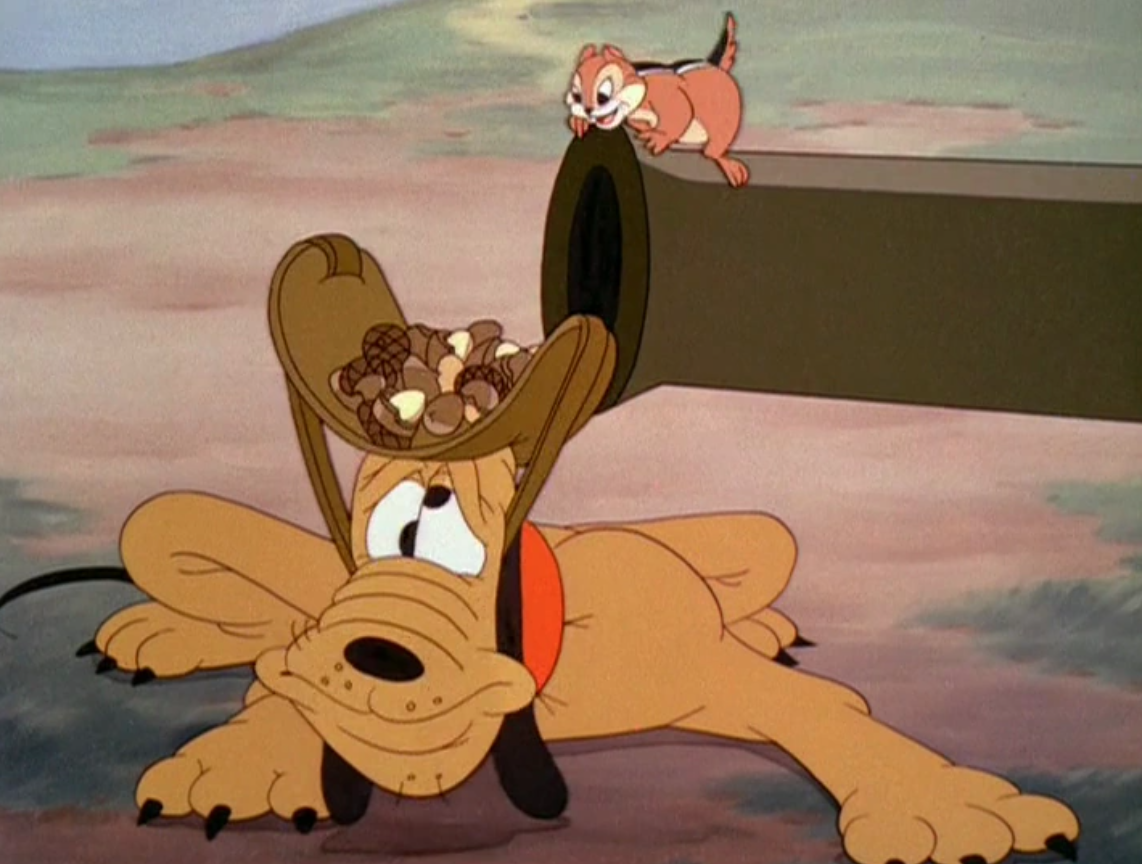
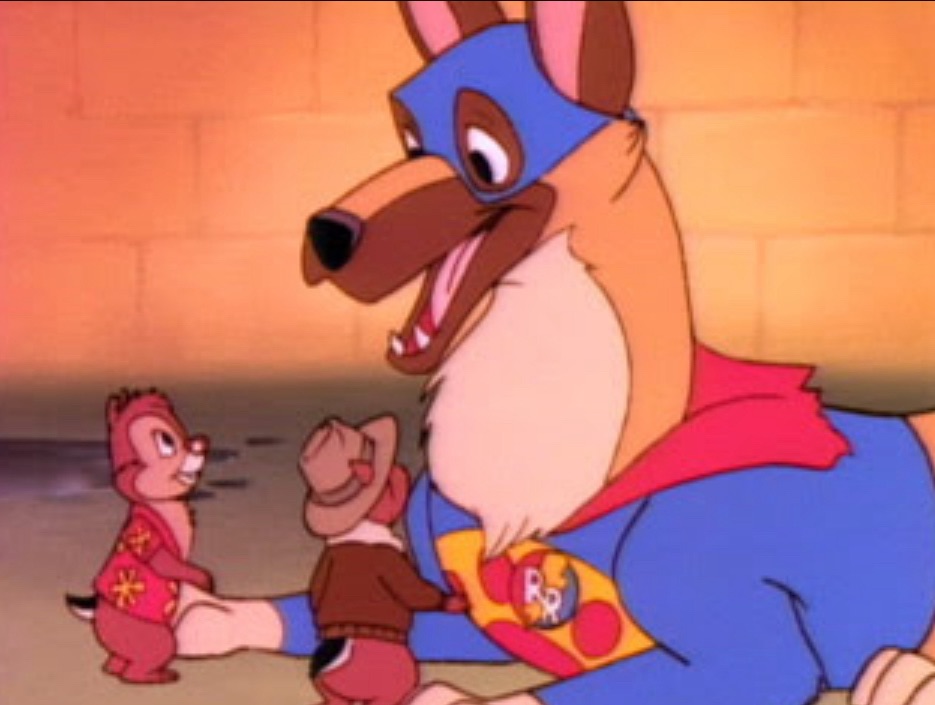
How differently a story looks depending on the page you pick to start reading. The Parable of the Sower appears in three of the four gospels in the New Testament. Yet, the Son of Man’s acknowledgment of lack of permanent residency on Earth can only be found in Matthew 8 and Luke 9. Discrepancies, conflicting reports, and redactions are the type of situations that make modern society question the source. So, how can you trust a gospel truth that wasn’t written down word for word?
Speaking of the word, the one gospel without the sower’s story sows the seed for a truly unlikely scenario. See, while reading John 1 you will come across a familiar, famous line: In the Beginning. Now pay attention, because although Genesis witnessed the Almighty creating the expanse, the expansion packs content not included in the Old Testament. In fact, the revelation that the Rabbi was part of our backstory long before Bethlehem may actually be mankind’s first retcon. Also, Jesus as Logos – the ancient translation for “the word” – adds yet another anthropomorphication for Mary’s baby to go along with Lamb of God and Balm of Gilead. Considering Christ’s actions they reveal how overlooked intricacies, the incidentals we fail to take into account, can alter our perception and perspective.
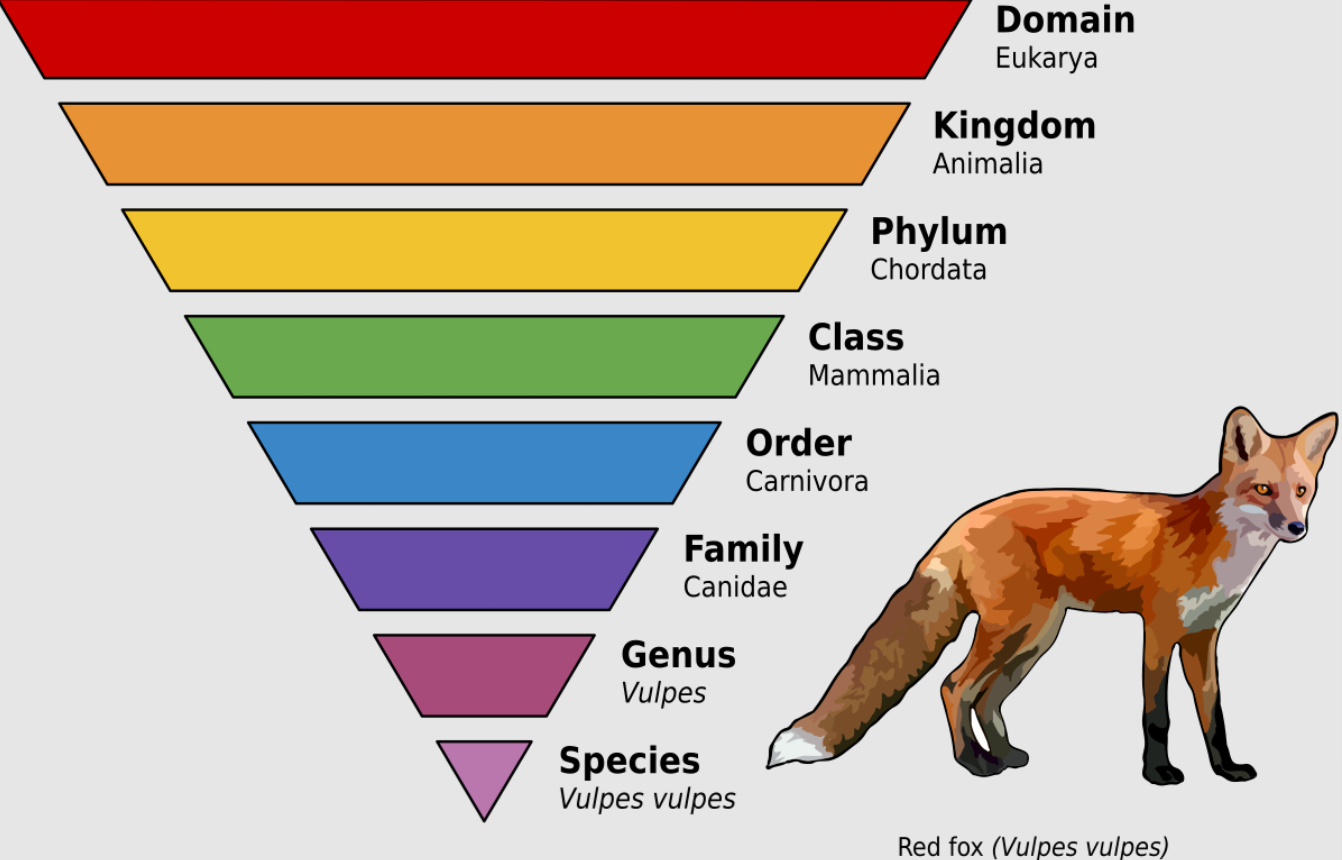
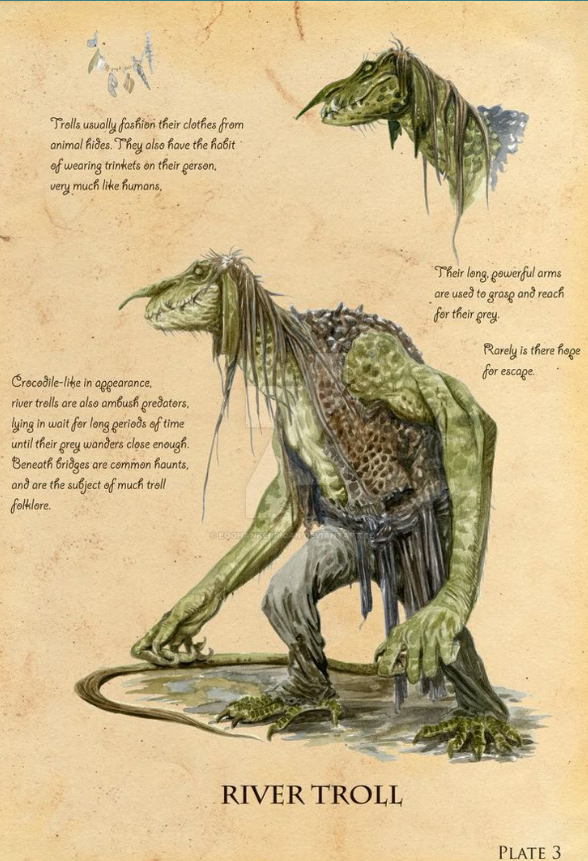
For instance, even after losing his mother, Todd wasn’t entirely without kin as both dogs and foxes belong to the same family: Canidae. It was back in the early 18th century when Charles Darwin’s On the Origins of Species first sought to evolve humanity’s understanding of biology. Yet, in suggesting that all species – despite the adaptations that altered their appearance – share a common lineage, evolution doesn’t exactly discredit creationism. However, you won’t find the creature(s) who played a part in Mikayla’s decision to take her own life do not show up on any scientific hierarchy. Adults may assume trolls exist solely in the pages of books like the Spiderwick Chronicles, but be aware they walk among us. Although in the modern era of the internet they have developed abilities more commonly associated with gargoyles. In the light of day, while facing the public, they present a stone front – portraying a persona that society finds pleasant. However, hidden behind the veil the simulation supplies enough shade to conceal that identity. Allowing the monster buried beneath the marble to break free.
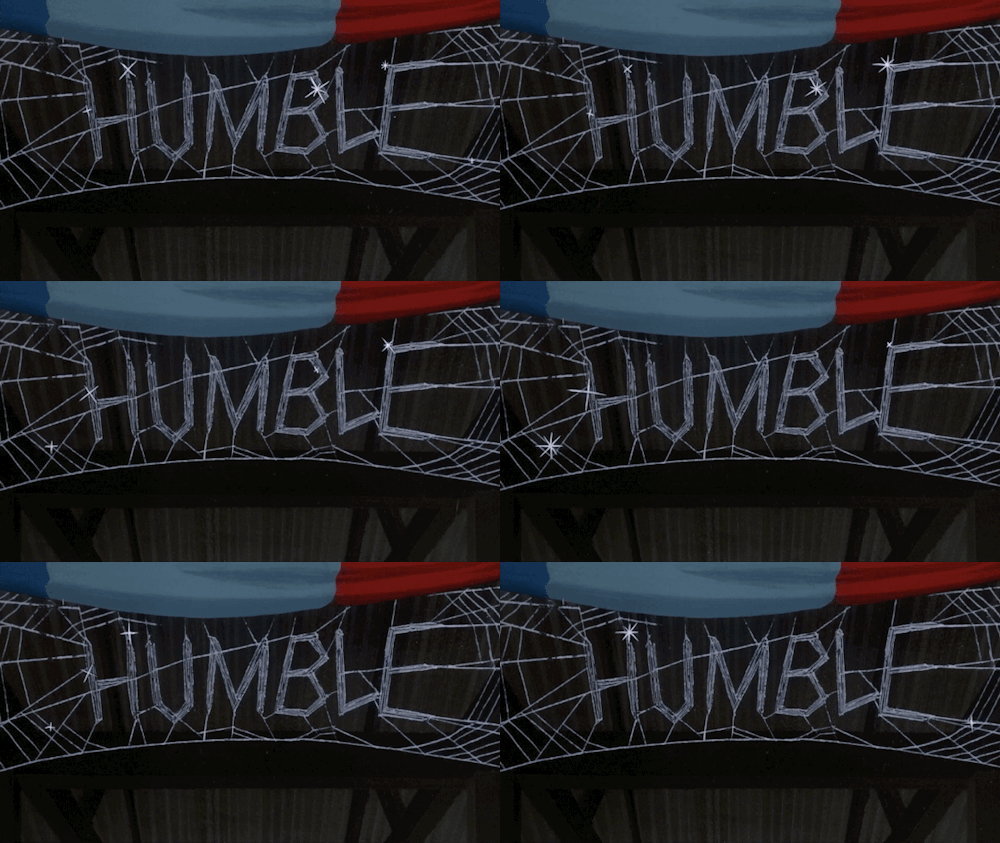
The wreckage Ralph’s visit caused to the internet was repairable, but not everything that occurs online is an easy fix. Something worth considering as our society becomes more and more comfortable storing our treasures on Google Earth. The sticks and stones of the past have become shattered screens. Instead of broken bones, parents now must keep a watchful eye out for the death of 1000 cuts that occurs when their child is shunned or insulted on social media. If you don’t see how the message from Proverbs 18 about the power of our words – being mindful of what we say and how we talk to ourselves and one another – is applicable to the web, just keep climbing this spout up to author E.B White’s 1952 children’s novel.
The secret lies with Charlotte.
The Birds and the Beasts
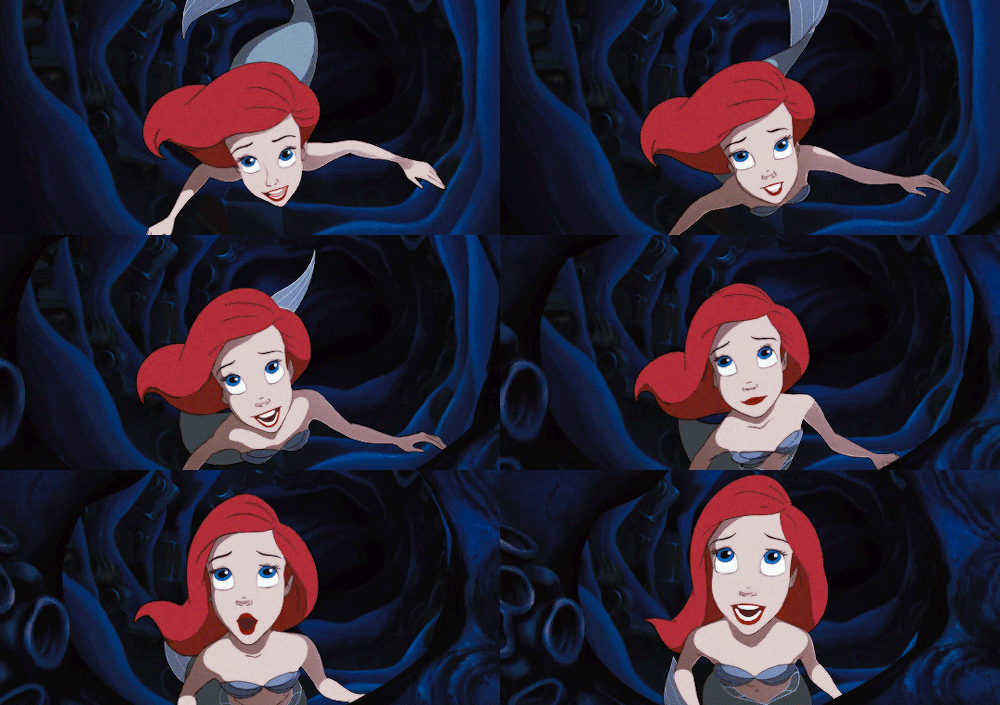
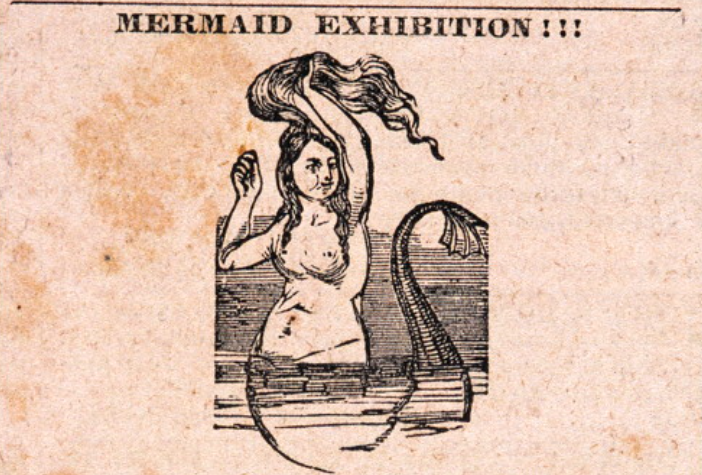
You have to admit humans have always been mesmerized by the exotic and fascinated with the undiscovered and unknown menagerie of mysteries that exist on our planet. Take for example the attractions that captivated audiences in the 19th century worldwide. For those visiting one museum in America, there was an explorer known for producing exhibits featuring eccentricities collected from his many expeditions: P.T. Barnum. But, for all his popularity, Barnum was a bit of a fraud. Turns out The Ringling Bros. & Barnum Bailey Circus showman earned part of his reputation from displaying one of the greatest shams on Earth: FeeJee the Mermaid.
For anyone concerned with her welfare, rest easy, FeeJee wasn’t some poor unfortunate soul. Actually, FeeJee wasn’t even a mermaid, she was a cat-fish. Hardly a discovery, Barnum owes credit for this creature to another pursuit – taxidermy. Closely associated with the scientific study of taxonomy, taxidermy takes a more artistic approach to understanding animalkind. And it would be Barnum’s understanding of mankind, along with his ability to blend science and art – fiction with reality – into something believable that caused even P.T. to call himself the Prince of Humbug. The Book of Daniel demonstrates how a group of deceivers devised a means to manipulate the Babylonian King. Yet, despite Darius’ decree, the dream interpreter didn’t meet his end and meat for the lions in the den. As for Daniel’s decision not to eat meat in Chapter 1, no one would ever possibly think of spinning that for their own agenda, would they?
One of the largest animal rights organizations owes its creation to an individual whose story is somewhat similar to Mikayla’s, but with cats instead of dogs. Ingrid Newkirk abandoned her studies as a stockbroker after witnessing the appalling conditions of kittens in a shelter. Along with then boyfriend Alex Pacheco, before it became the international, headline grabbing group of activists it is now, in 1980 PETA only consisted of five people in a garage. People for the Ethical Treatment of Animals gained popularity after a 10 year court battle for custody of lab monkeys from the Institute of Behavioral Research. Aided by an increase in public interest following stories of animal mistreatment published by both Sports Illustrated and Time, the events in Silver Spring MD helped create an amendment to the Animal Welfare Act of 1966.
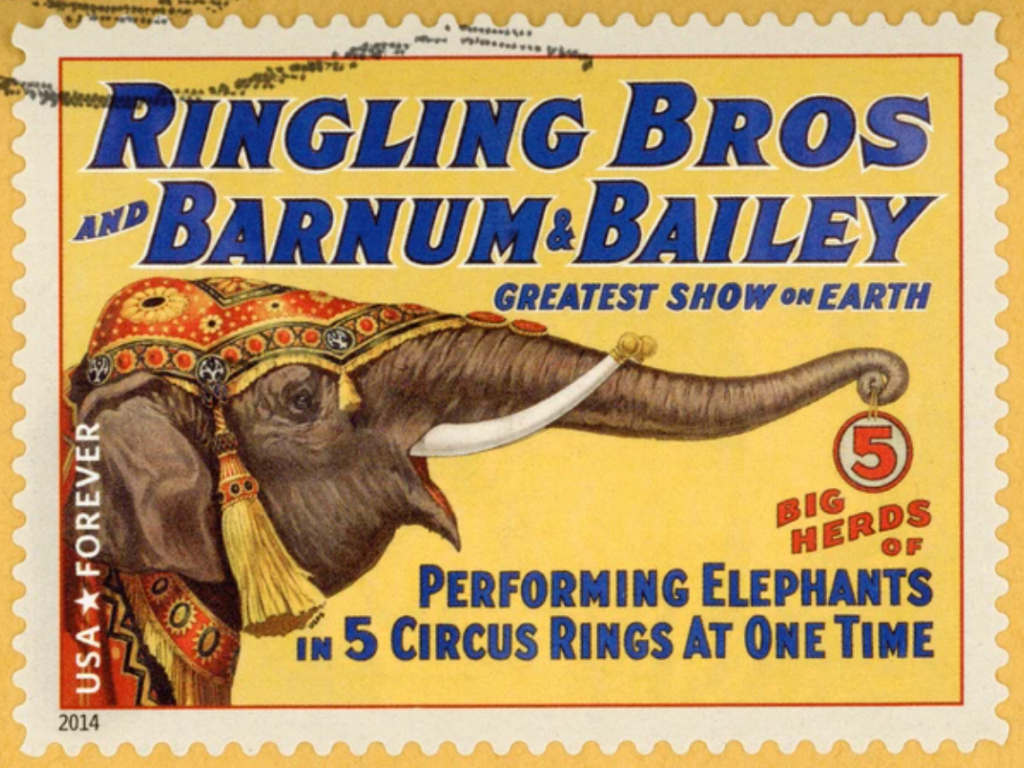
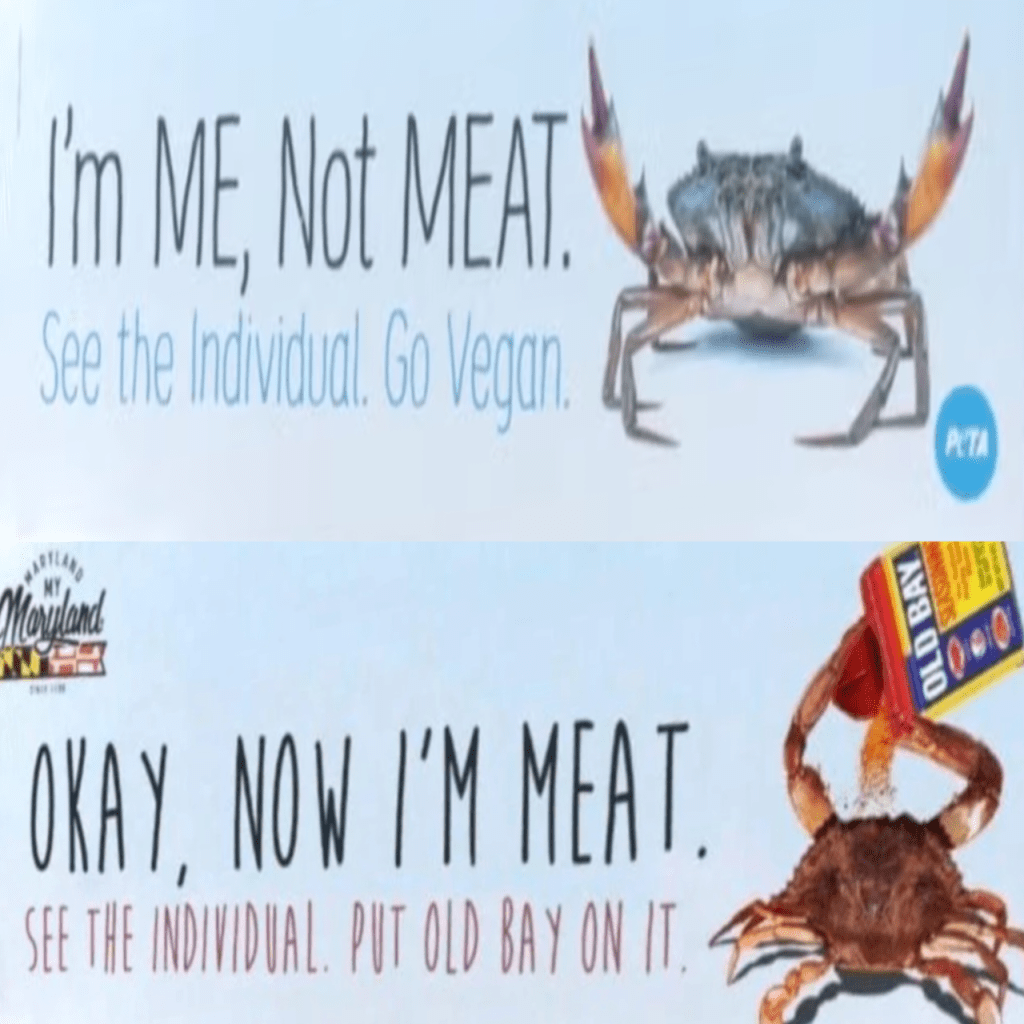
But for all the good the English born Newkirk’s nonprofit has done, critics argue several of the organization’s speciesism complaints could be resolved by doing what is in Romans 14. However, with controversial ad campaigns to activities – at times as a colony and others as a drone – that sometimes border on acts of terrorism, PETA is no foreigner to drawing media attention for all the wrong reasons. Even after successfully free Willy’ s family from Sea World and removing the animal cages from Barnum’s circus – and crackers – some ad campaigns aimed at ensuring animal rights have raised eyebrows among other marginalized groups, including women’s rights activists and even the autistic community. Then there is the issue of euthanasia – a practice PETA, SaveAFox and other shelters seek to end by shutting down breeding kennels. PETA’s use of the last resort both raises awareness of what PETA works to eliminate and also sadly prevents overcrowding in the clinic: two birds with one stone. Finally, among these other tricks at PETA’s disposal, the nonprofit is known to purchase stock in companies to exert influence. How do you decide when to break bread; when do you turn over the table?

Now, if anyone could convince the public that a camel could pass through a needle’s eye, it would have been Barnum. Always performing, P.T. played so many roles. Amidst the exhibits in the Barnum Museum, The Lecture Room was unlike any other theater of the time – offering inoffensive family entertainment with moral context. And yet in the pursuit of profit, FeeJee wasn’t Barnum’s sole exploitation of the public trust. P.T. played on an early form of FOMO, charging curious visitors an additional 25 cents to reenter because they couldn’t understand the signs and simply followed where they led.
This Way to Egress
The Lying; The Which; The Wardrobe(?)
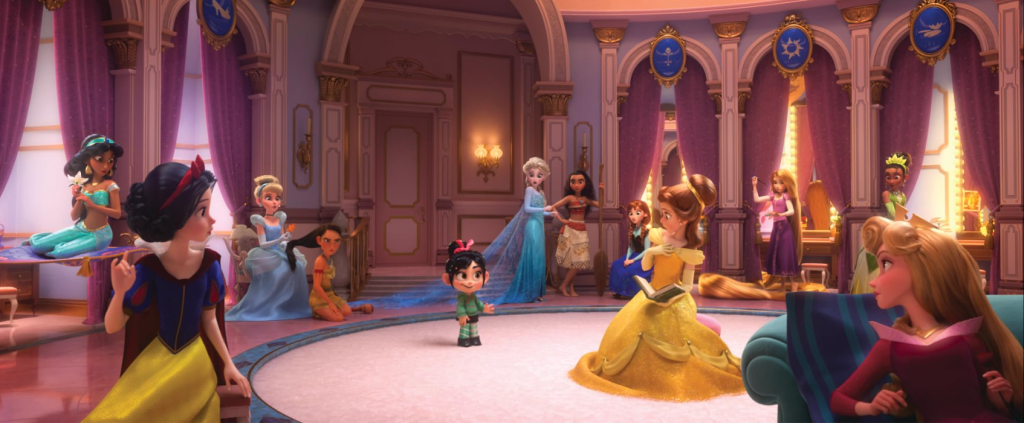
Acronyms aren’t the first instance of society simplifying, evidenced by many traditional definitions and uses of words all but erased. For example, to some of you reading this a wardrobe is solely fabrics and fashion labels that make up your clothing and shoe collection. However, earlier civilizations also used it in reference to a structure made of some different materials. Then again for others, this “private chamber” can only be a physical structure – such as a closet. Finally, a few of you may possibly see that it parallels the kind spoken of in Matthews 6. The inner chamber’s meaning extended beyond secreting oneself away behind walls and a closed door. It is a location within the inner recesses of an individual’s psyche, where an introspective, heartfelt dialogue happens.
Unfortunately, due to her disease Mikayla’s internal monologue attempted to sabotage her sense of serenity. And the devil on MIkayla’s shoulder – the one calling into question her efforts at SaveAFox, her self worth – wasn’t acting alone. An army of trolls orchestrated a continuous parade of online harassment that Ethan indicated his wife dealt with almost daily.
The first wave focused on claims that SaveAFox misled the public relating to the nonprofit’s rehabilitation results. This particular form of trolling relied on examining all of SaveAFox videos, suggesting foxes were swapped out and drawing questions about the health and well-being of the animals in Mikayla’s care. Accusations of fox deaths opened the gates, unleashing the hounds; like any other beast, the internet “did its thing.” Then there was the shaming and scrutiny that centered on the “nature” of Mikayla’s attire during SaveAFox various sponsorship segments. Perhaps driven by their own basic instincts, these users felt the indecent appearance of Mikalya’s outfits falsely conveyed the organization’s image, which created concerns over SaveAFox’s integrity. Making matters worse is that some of the cyberbullying, the bitterness, was rooted within the very community of animal rescue volunteers that Mikayla once called home.
The close friendship between C.S. Lewis and J.R.R. Tolkien included the latter’s instrumental role in the The Last Battle author’s conversion to Christianity. Such that even if Lewis had an inkling about how Tolkien would react, it didn’t deter Lewis from dedicating The Screwtape Letters to his fellow author. Now are we to believe Tolkien didn’t state his reservations about a demon acting as a story’s central character? Obviously – given their genre of writing – themes like good and evil were at the heart of many of their discussions at The Eagle and Child pub. So is it more likely that Lewis believed this gesture would remind Tolkien of the acts of Luke – enduring persecution; speaking out of the abundance of his heart? While Lewis was an enthusiastic encourager, helping inspire the completion of The Lord of the Rings, Tolkien notably disapproved of some of Lewis’ writing techniques. Critical not only of Narnia’s world building, Tolkien’s critique also included what today;s audiences may better understand by making an analogy with the open world and sandbox argument – literally known as applicability over allegory.
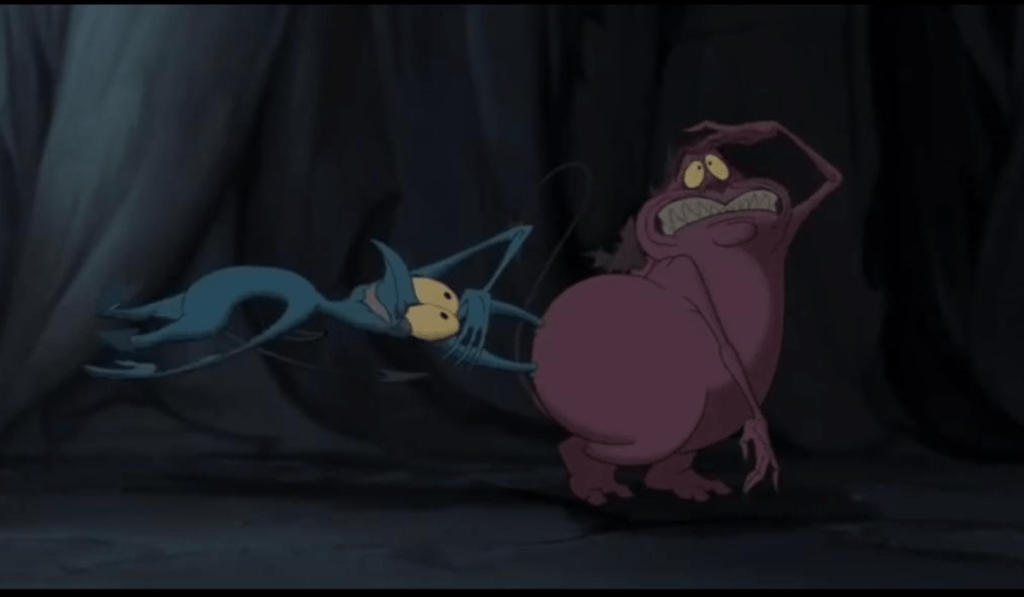
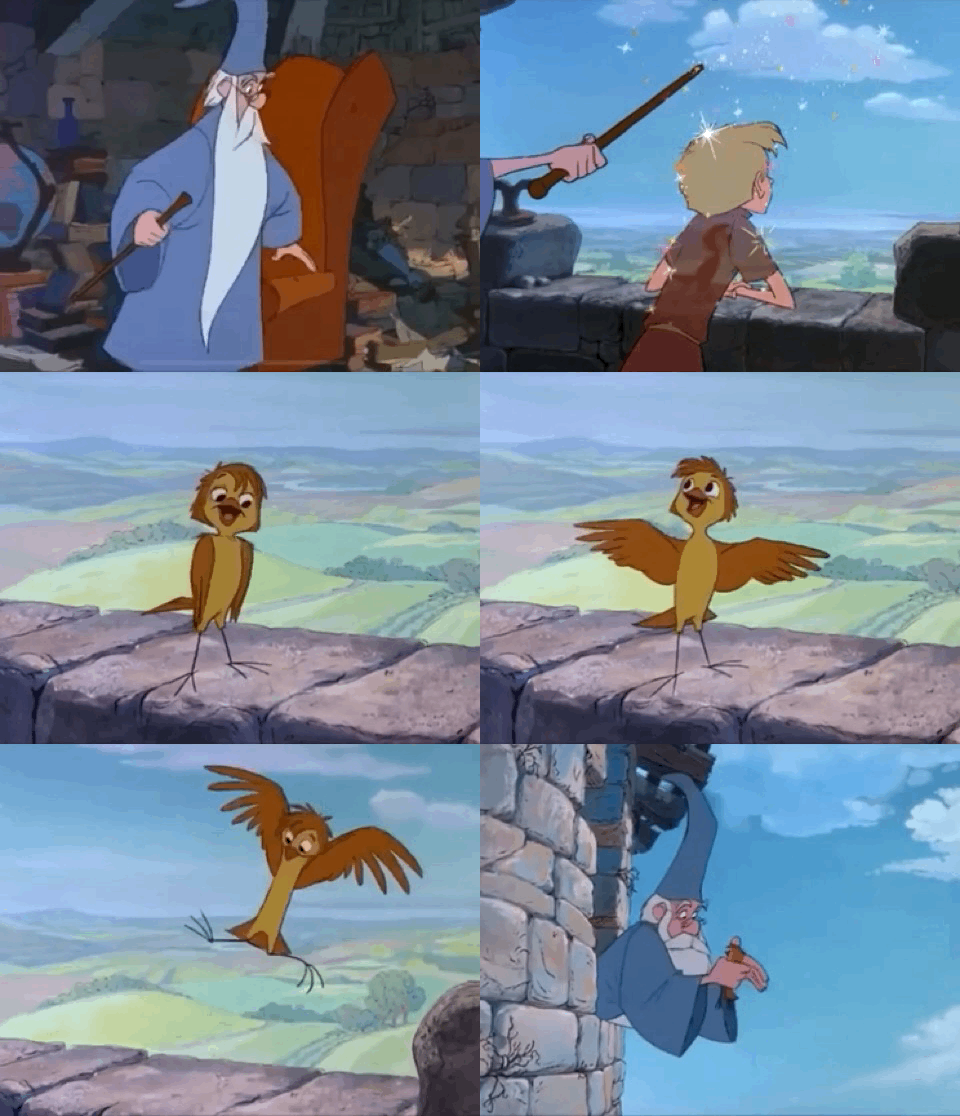
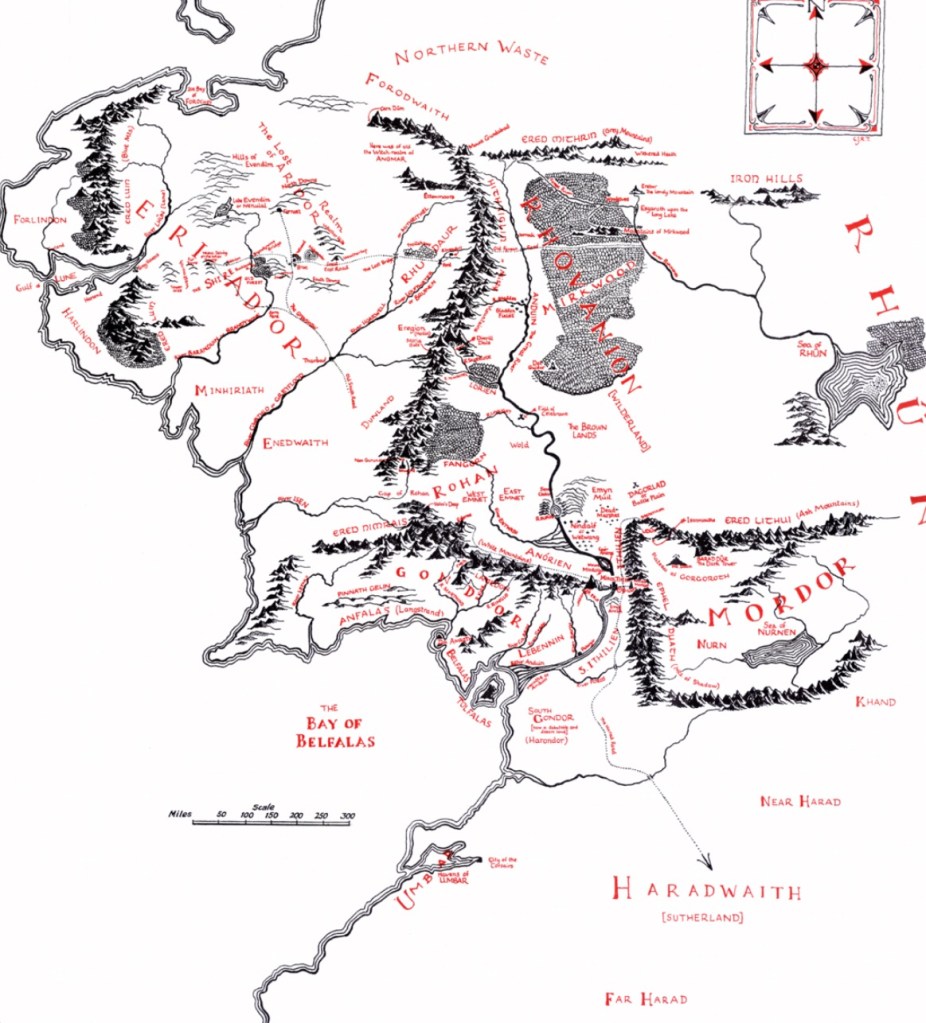
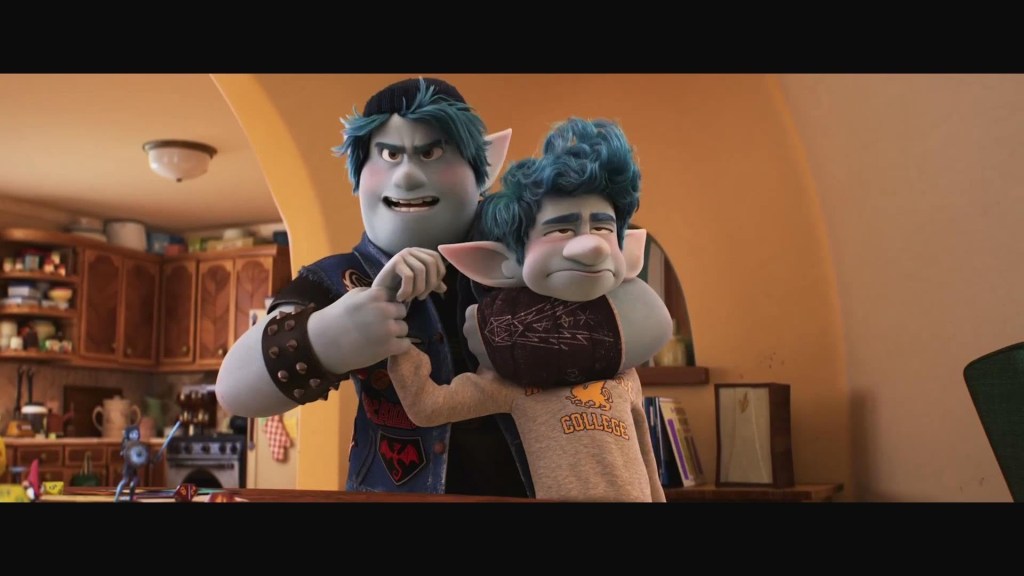
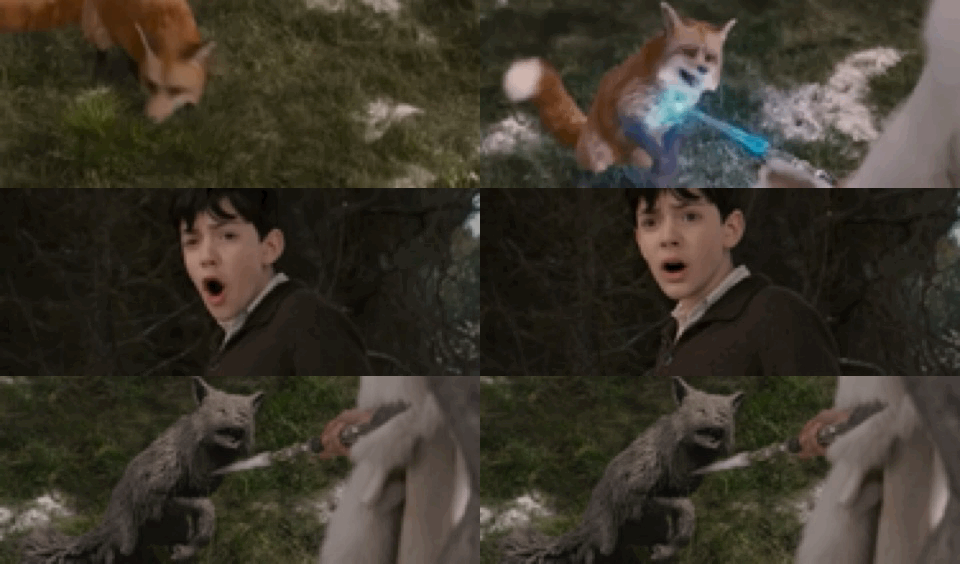
However, once you consider the schematics – or should that be semantics – between these two breeds of storytelling, you might recognize they are quite similar. The claim that unlike applicability, an analogy is only author driven ignores how Jesus allowed the listeners of his parables – another form of analogy – to derive the intentions behind his message(s) to mankind. Meanwhile, any accusation by Tolkien of misappropriation of mythology by mixing pantheons against Lewis should fall silent as The Silmarillion is guilty of the same. But, to be fair, this one does partially contradict the current conversation since in the Lord of the Rings Appendix B – also known as Tale of Years – even though Tolkien chose December 25 as the departure date for the Fellowship, no further context was given. In The Lion The Witch and the Wardrobe not only does Aslan’s death and resurrection seemingly symbolize Easter, but Father Christmas makes an appearance in Narnia indicating the end of the Long Winter and hope’s return. Still, not to be outdone by the one back here on Earth, Narnia’s Father Christmas also delivers gifts of the material kind, with their own unique purpose, to each of the Pevensie children. But, in an odd twist of fate, you’ll never believe who was on hand to witness this miracle. Can you guess what animal, once loyal to the White Witch, was willing to face certain death by not divulging to ensure the two “Son of Adam” and two “Daughter of Eve” could claim their places as heirs? It was Mr. Fox.
It is unlikely that any Christian could hear SaveAFox’s mission statement – to “rescue and provide forever homes for captive born, non-releasable wildlife” – and not find them identical to the Savior that Isiah prophesied. An individual whose existence is unlikely, and yet the faith of and from that existence confirms nothing is ever truly unlikely. However, as technology use, and abuse, evolves – along with artificial intelligence assuming an increased creative role as writers, illustrators and photographers – the algorithm will eventually become the dictator, deciding the stories and themes that future generations learn from; their morals and motivators. Despite how far we’ve traveled on the carousel of progress, our continued inability to consistently mimic many of the behaviors of the “lesser” beasts of the Earth – from their relationship with one another to their reliance on the Almighty – displays how far we’ve yet to go. Mikayla’s loss is not the first – and unless something changes soon – will likely not be the last death by suicide, or the last one life traumatized and torn apart by the actions of individuals online. The actions of various denizens of the digital divide are an urgent warning that a new net is now cast.

Drawing All Men..



 Off The Top Of My Head And Out Of My Mind
Leave a comment