

How are you feeling?
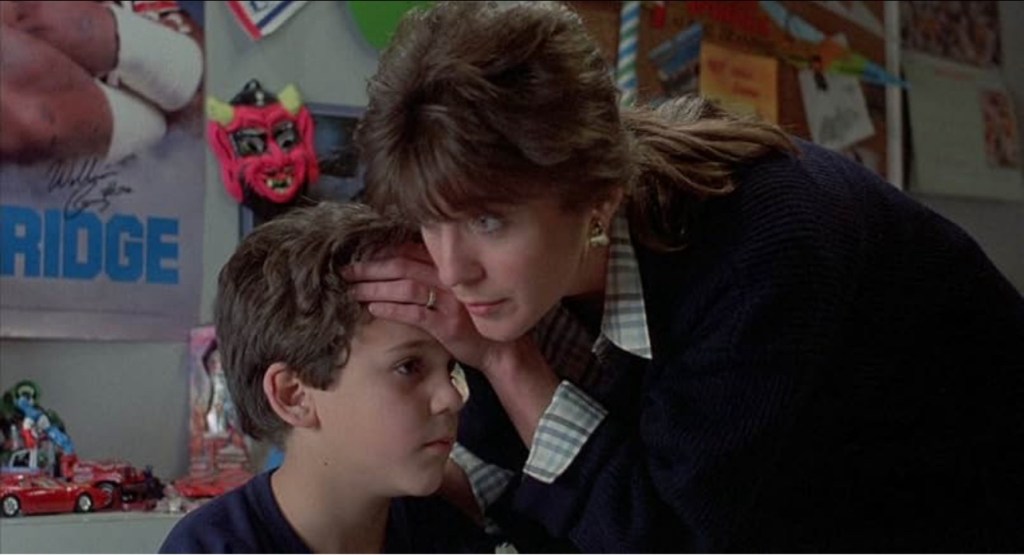
Not to be confused with some of the other more casual or even colloquial salutations such as “how are you” or “how’s it going”, this open-ended inquisition attempts to obtain more than a simple, single syllable answer like “good.” Even the probing greeting “are you feeling any better”, while more inquisitive about the individual being assessed than these others, also carries with it an invisible air of optimism from the inquirer that the answer will be “yes” rather than “no”. Now no one expects the “sickie” to break out into the Doc McStuffins “I feel better”, however, the bookend words “how” and “feeling” found in the opening query creates an environment meant to compel something beyond a merely superfluous statement and delve deeper into the respondents inner state: their state of well-being. For obvious reasons, particularly the invasive nature of the question, this conversation is typically reserved for settings and scenarios where an intimate and appropriate level of trust exists between the participants. Especially since the answer, combined with follow–up questions and subsequent conversations, can result in the necessity for anything from a spinal tap to a strep test.

Even now, as the contiguous portions of the United States brace for what already appears to be a bitterly cold, precipitous winter – with several states already reporting the early arrival of holiday presents in the form of forecasts that include more snowfall and an increase in cases of the sniffles – the upcoming weeks many people will be met with this greeting from a physician before New Years Eve.
Speaking of which, since we are in the final weeks of the year – a time traditionally known as the Season of Lights – it is also impossible to avoid the dichotomy of December that brings feelings of happiness, closeness and joy as Christmas songs flood the airwaves. Until Lennon’s 1971 War is Over or Faith Hill’s Where are You Christmas playing, invoking waves of emotions, reminding listeners of those among us who feel alone and know neither peace nor hope during the Winter Solstice.
Inconceivable
In the early hours of December 14th, 2025 news started circulating that detailed a homicide occurred in the otherwise quiet, residential area of Brentwood, California. While outsiders awaited the revelation of the victim’s identity, friends of the slain later acknowledged that as soon as the story broke they experienced an uneasy feeling, a sense they already knew the names, the individual who lost their lives that Sunday morning. For the rest of us, it would soon become crystal clear what had occurred. On December 14th, 2025, the entertainment industry and the world lost two legendary creatives: Michele Singer Reiner and husband Rob Reiner. Making this pill even harder to swallow was that all evidence immediately pointed to the Reiner’s’ own son, Nick Reiner, as the suspected perpetrator of the homicides.

Quickly located, arrested and taken into custody, reportedly with little resistance, as of now Nick has been denied bail and remains in police custody on suicide watch. Confined to solitary, and charged with two counts of first-degree murder, Nick’s legal team defense strategy is focused on their client’s mental health history – including substance addiction and schizophrenia – as largely responsible for this crime that disturbed the usually tranquil and calm Brentwood community. But with conflicting accounts about a heated conversation – potentially the last – between Rob Reiner, Michelle and their son took place the eve before during a Christmas party at Conan O’Brien’s Pacific Palisades estate, suggests that even if the crime was committed in a paranoid, drug induced frenzy, it was also potentially premeditated. Meanwhile, information from some news outlets stating that Nick’s presence at the party – an invitation granted by the late night talk show host as a favor to Rob and Michele – will forever be documented as a final, proactive procedure authorized by the parents to protect their child from pain and prevent any further harm to himself or others. As the tragic case shifts from the investigative to judicial phase, the difficult test of locating an untainted jury pool – citizens unaware or amnestic to either Reiner’s work or this event – is sympathetically similar to another infamous double homicide involving a celebrity that occurred within this very same community back in the Summer of ‘94.
Based upon the messages of reflection, consolation and grief, the loss of Rob Reiner, the iconic, storied industry veteran has many people in their feelings. You need look no further than society’s most trusted source of information, even if recent privacy and privilege concerns are giving everyone an unsettling feeling: the AI algorithm. Once again the unfeeling engine highlights a missed, monolithic ailment among the masses – this isn’t a solo story. Evidenced by the increased number of searches and views of the vast material that makes up the catalog of Rob Reiner’s career. Numbers don’t lie, so with the data centers scattered across the globe connecting the dots, the scatterplot graph created clearly indicates how this loss, something which should honestly hold true of any loss of life, reverberated beyond the immediate vicinity and any demographic. So what, maybe you didn’t grow up feeling like there was a place for you All in the Family, does it make you feel better knowing that show opened the front doors to a deluxe apartment, enabling you to envision a future where you could move on up like the Jefferson’s.
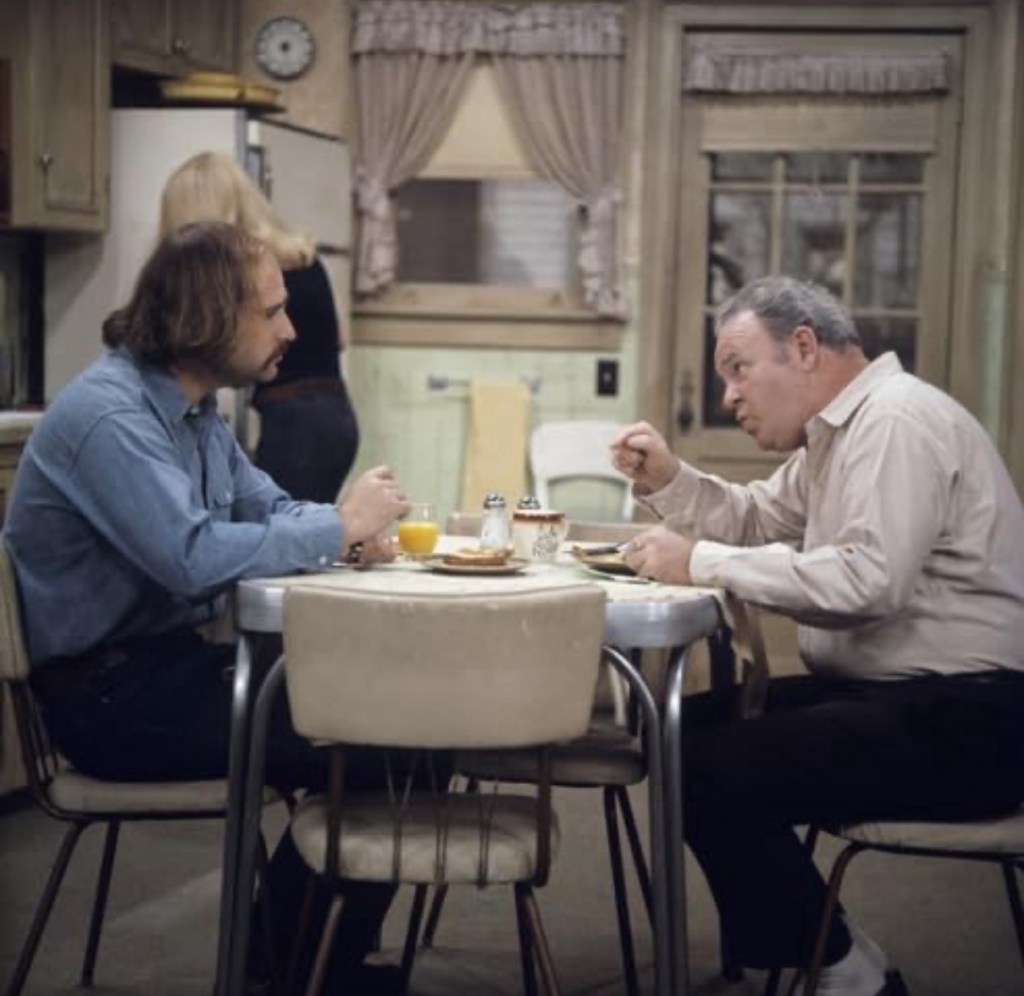
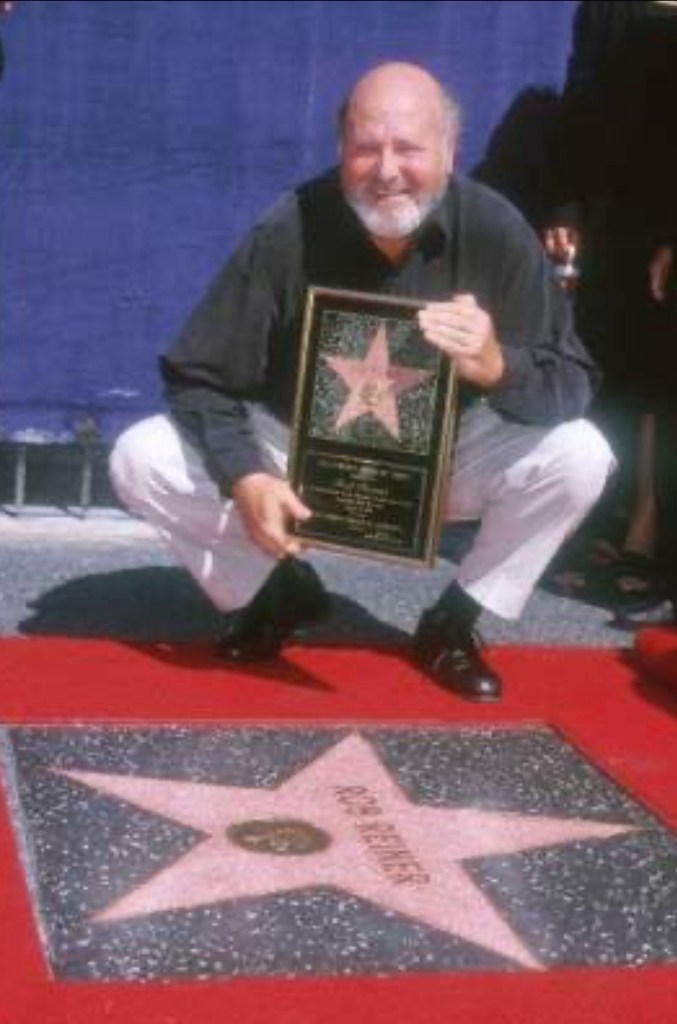
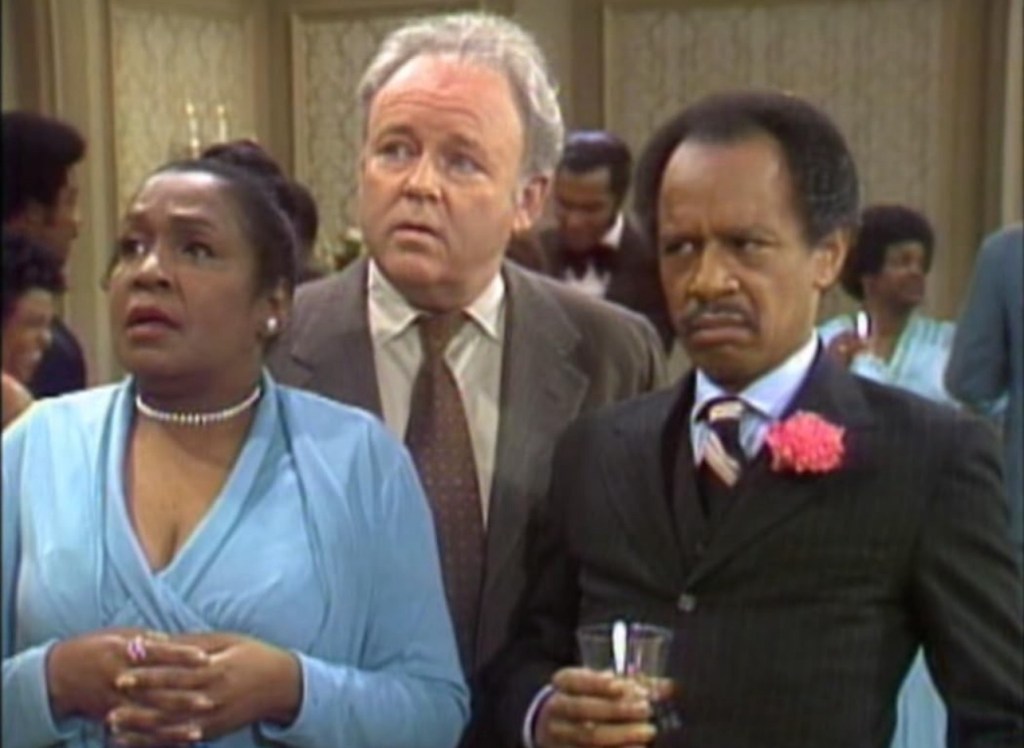
Yet, with what amounts to over a half century career in the entertainment industry, during which Rob Reiner is credited as contributing to projects in roles that range from actor to writer and producer, after the murder of he and wife Michelle one in particular appears to be trending higher in searches and streaming services than the rest. One, I perceive, speaks volume about the fact that – despite our observable differences – whatever our ailment, ultimately there is one type of story we all identify with and gravitate to in order to help make us feel better. Meanwhile, underlying the tragic events, there is another one we – as Americans – are telling ourselves. And the rest of the world.
Life is Pain
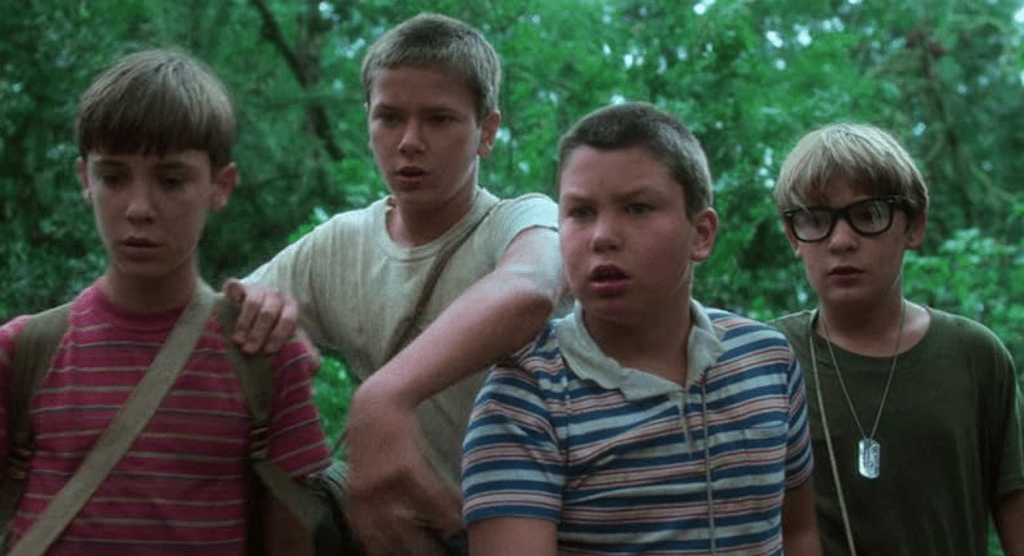
Of the many potential encounters in our human existence that make us feel vulnerable, the one that most of us have experienced at least once, especially if you had a hospital delivery, is a medical examination. Depending on the ultimate circumstances and scenarios surrounding our passing you may also “experience” an autopsy. Perhaps the rawness of this reality, in light of the tragedy, is why Stand By Me isn’t trending as high as this other title, despite both film’s conveying a clinging to youthful innocence in the face of growing older narrative. Ultimately, like Gordie realizes in the 1986 film as the group of boys arrive at the end of the tracks, nobody really wants to see a dead body.
It seems that, during this time of remembrance in an effort to recreate the feelings of comfort that everyone should feel when they’re feeling sick – or even heartsick, audiences turned to a Reiner film that encompasses the physical and emotional distress that is sympathetically suitable. The Princess Bride.
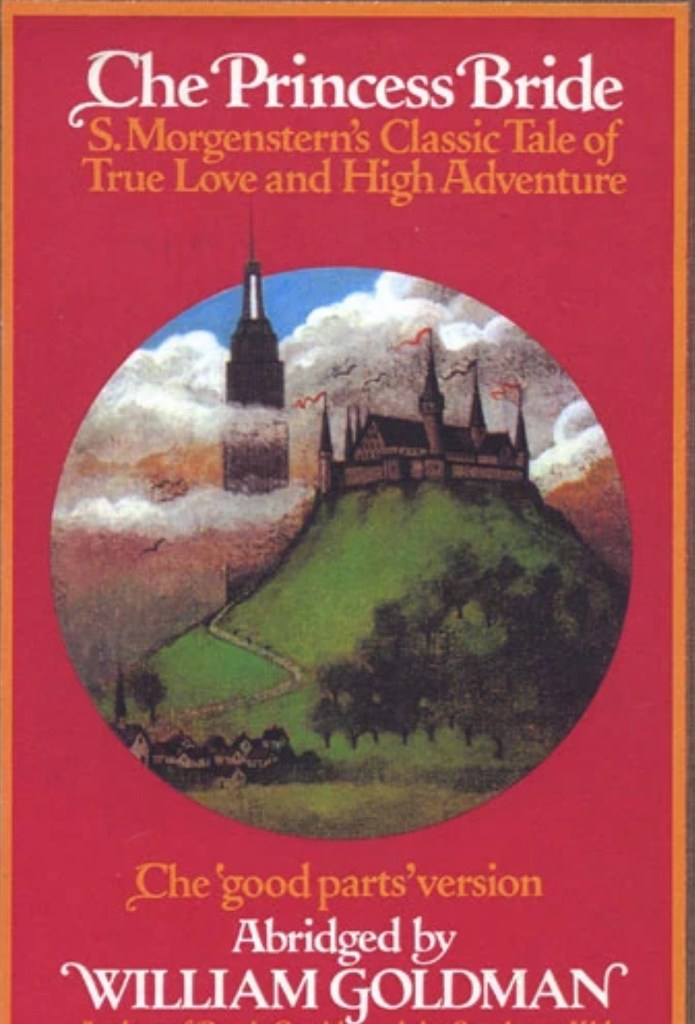
Alright, before we go any further, best to rip the bandaid off the most fictitious portion of The Princess Bride – besides the nonsense about it being written by S. Morgenstein: the film’s opening. For starters, that cough couldn’t have sounded any faker, as it lacks either the note of raspiness or the mucus filled gurgle which we commonly associate as symptoms of some sort of cold. Next, while today’s advances have made it possible for us to recuperate and recover without missing out on most of life’s amenities, that wasn’t the case in the 80’s. This makes the Grandson playing a video game from bed highly unlikely. Back then, unfortunately, video game controllers weren’t wireless – you can see the cord hanging off the edge of Grandson’s bed – nor were cords for the Commodore 64 that long.
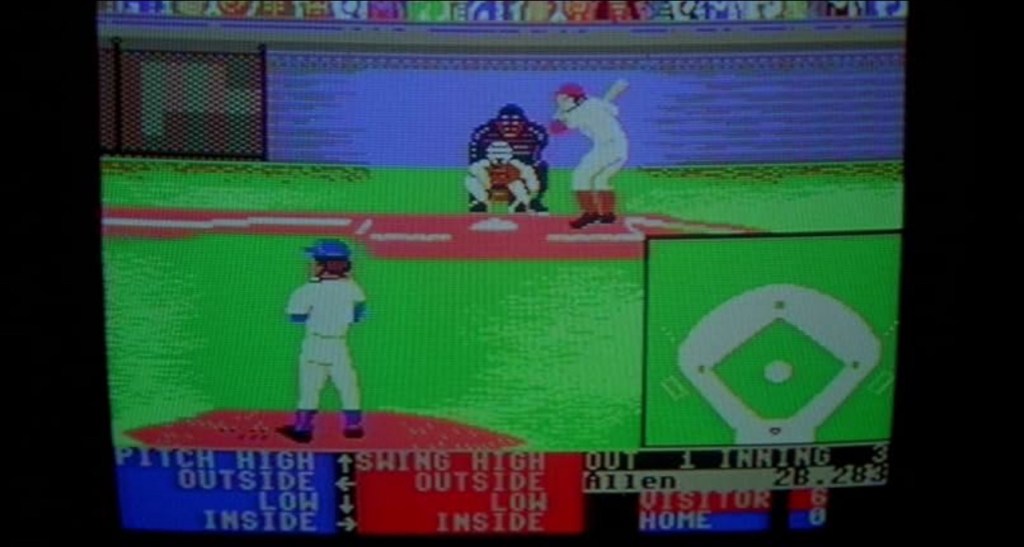
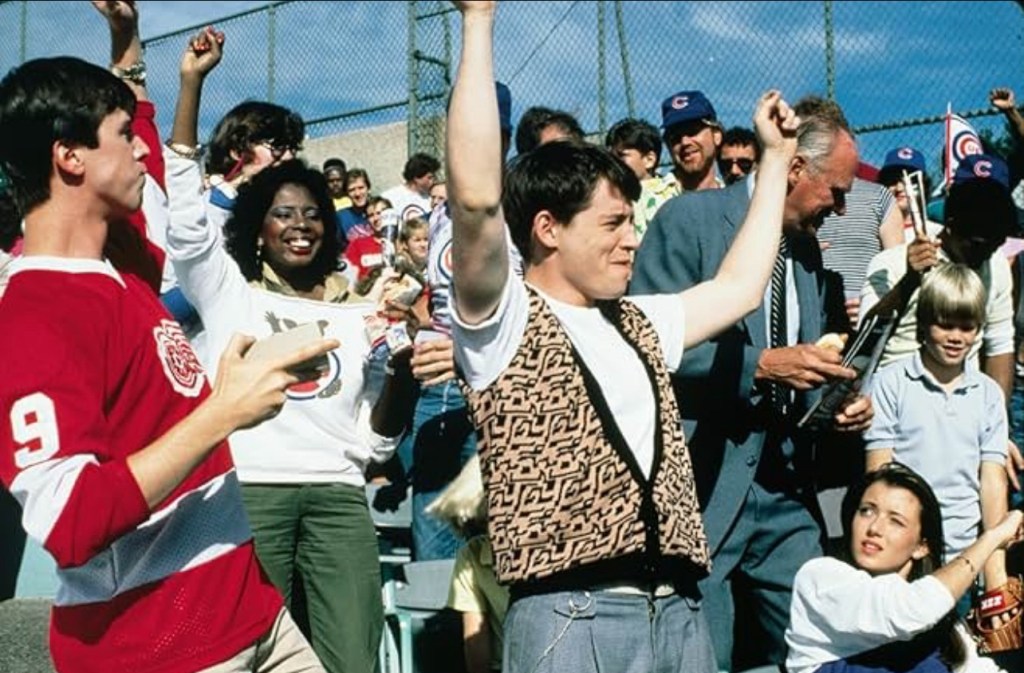
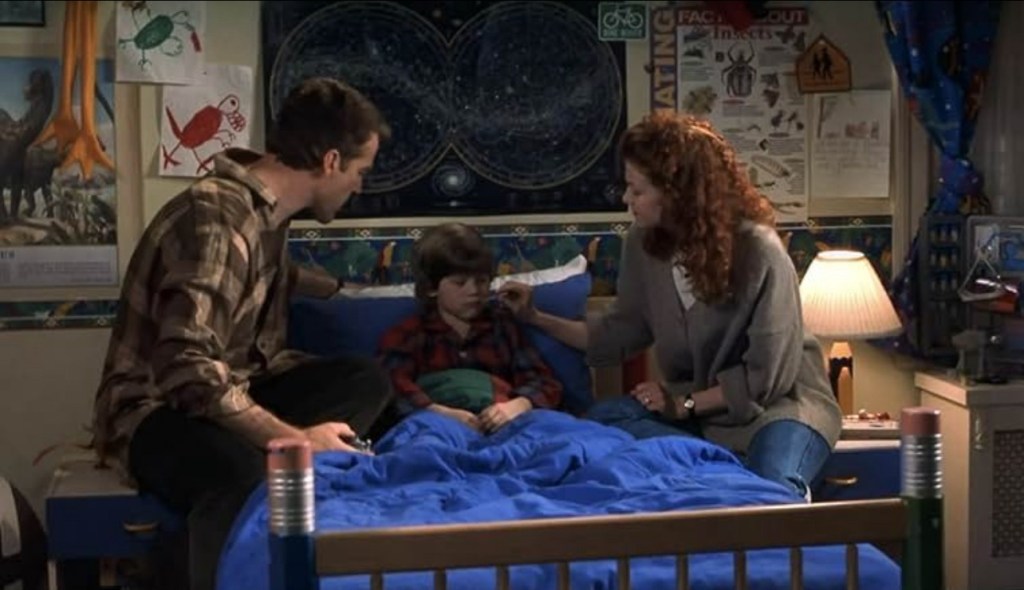
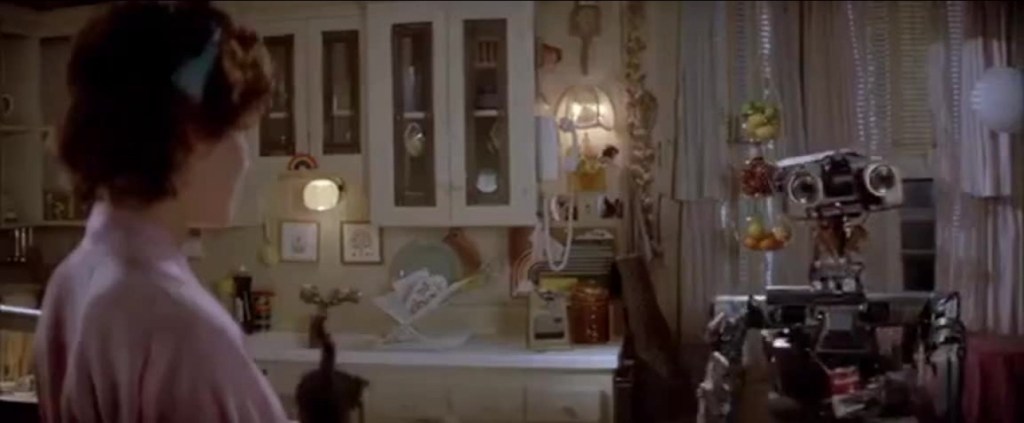
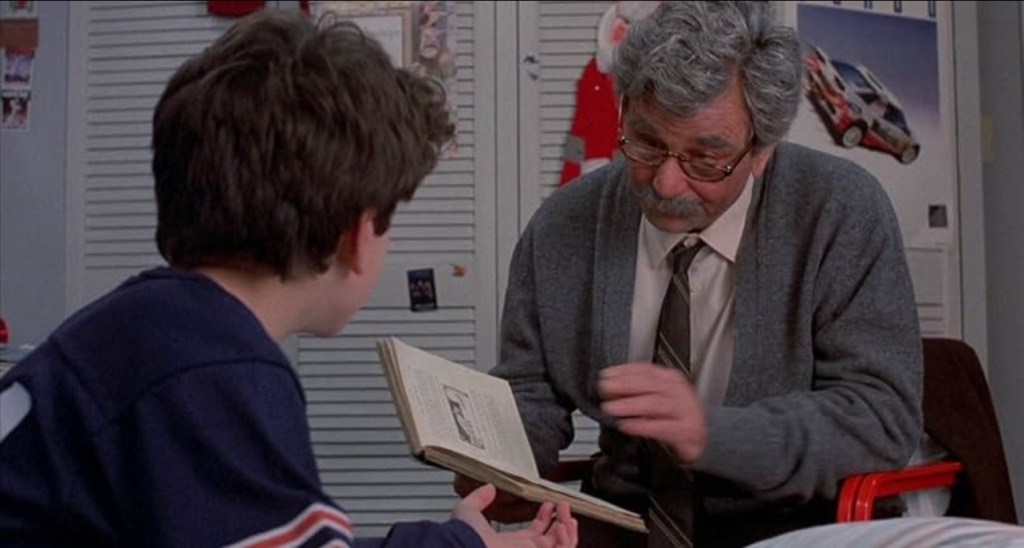
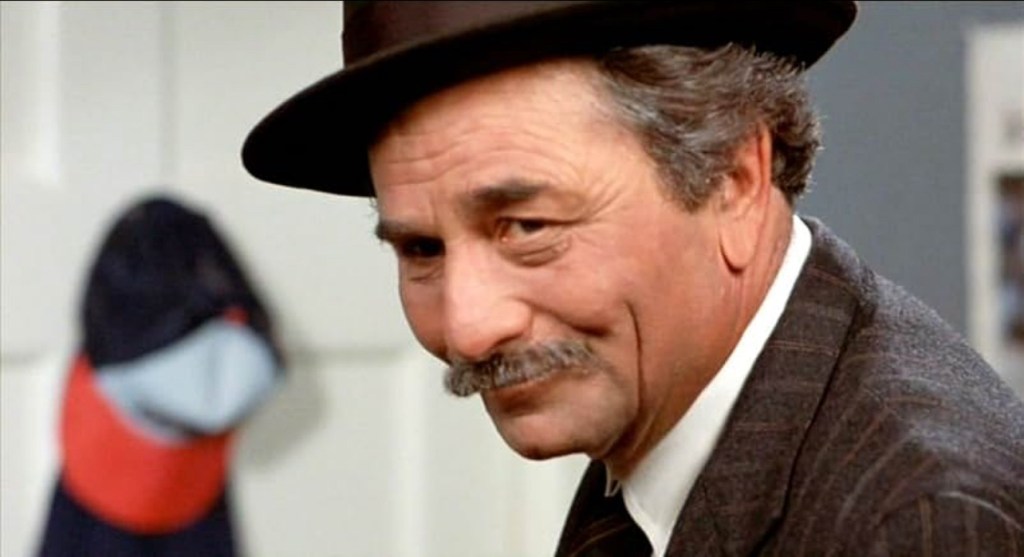
However, what happens next will likely make most kids of the 80’s remember our ideal sick day, back when Campbell’s soup was Mmmm, Good instead of a meme. Obviously the number one spot belongs to a blockbuster depicting the hilarious hijinks and exploits that most adults now call a “mental health”, or better yet a me day. Though since most of today’s employers and school administrators have also seen it, the movie is the reason most places require a doctor’s note for an excused absence. However, if you were indeed actually sick and not simply enjoying a day off like Bueller..Ferris Bueller, then the next best sick day consisted of a healthy dose of modern media to make you feel all better. But, as the disconnected, dual income families of those days know all too well, the nuclear household at times still needed to reach and re-connect to its roots. So even though he didn’t have to relocate to a vinyl covered couch and get wrapped up in a worn Afghan blanket like some of us, the look of disdain on Grandson’s face upon his guests arrival lets the audience know he is no longer comfortable in this environment. The day only got worse when, after receiving the cheek pinch he only moments ago predicted, the present the Grandfather offers isn’t the video game the wrapped package’s dimensions hinted at, but rather a storybook. Or “my day’s television” as Peter Falk’s Grandfather puts it.
Anyone who entered a matinee show during the The Princess Bride theatrical run after these first few minutes of dialogue might have mistaken the film for some type of fairy tale instead of a frame story. In fact, the tale of the blossoming romance between Wesley and Buttercup proceeds uninterrupted until we get to about the four minute mark. These momentary breaks in the movie’s narration and depiction of the fable’s events, a technique also found in the actual 1973 book written by William Goldman, coincide with moments of mental scotoma from Grandson. For example, when detailing the story’s structure, with the “sickie” seemingly satisfied the story includes sports like fencing and fighting, Grandfather also mentions The Princess Bride contains monsters, escapes, miracles and – as the book’s official title states – true love.

The kind that will fowow you fow-evah and evah.
You’re Messing Up the Story
In Grandson’s defense, the abrupt end to his game of Hardball in the 3rd inning probably left him aching for the type of high he was enjoying prior to his “unwanted” visitor’s entrance. To be fair this sort of envious, often unending urge to satiate and sedate some of our most base appetites, to feed our desires, sadly sometimes at the expense of others, is not a malady found exclusively in The Princess Bride. Even within the Reiner family tragedy this peculiarity is present, though thankfully administered in a manner that is Patch Adams’ approved. In the form of the late director’s projects – When Harry Met Sally – featuring none other than Rob’s own mother Estelle Reiner delivering the famous diner line, “I’ll have what she’s having.”

Considering how common confabulation occurs, especially when quoting movies – at least we get the “I am your father” part correct – the salience of this improvised scene, along with the biological backstory, no doubt there are several home audiences that found comfort at this loss by watching Billy Crystal and Meg Ryan romantic comedy subgenre. Which brings up the question of how exactly do you classify The Princess Bride? Part fantasy, some science fiction, with tragedy and comedy – lots of drama – and yes…even romance: tru wuv.
We may never know whether it was meant as a speech impediment or a specific dialect, but unfortunately, due to the delivery, some viewers of The Princess Bride may not have noticed that last part – nor how it connects the stories. See, this pronouncement uttered by The Impressive Clergyman in The Princess Brides final act – or chapter – aligns consistently with the actual motivation for Grandfather’s arrival. Beginning once he recognizes the displeasure upon Grandson’s face after receiving his present. It is at this moment where Grandfather moves quickly to administer an antidote to Grandson’s anesthetized enthusiasm by injecting the importance of this particular manuscript. According to Grandfather this isn’t any ordinary book, it is a family tradition, a remedy shared and passed down from father to son for generations. Similar to the practices of other, even ancient, cultures and tribes that utilize oral history to ensure knowledge and values live on once the elders pass on. Coincidentally, helping a younger generation and audience mimics Rob Reiner’s personal advocacy for early childhood mental health initiatives. Based upon Grandfather’s comment that he read the book to his son – who is also Grandson’s father – whenever he was sick as a child, it appears the legacy of handing down the story did not continue. But the absence of one dad in the story isn’t nearly as important as the role two other patriarchs play in The Princess Bride.
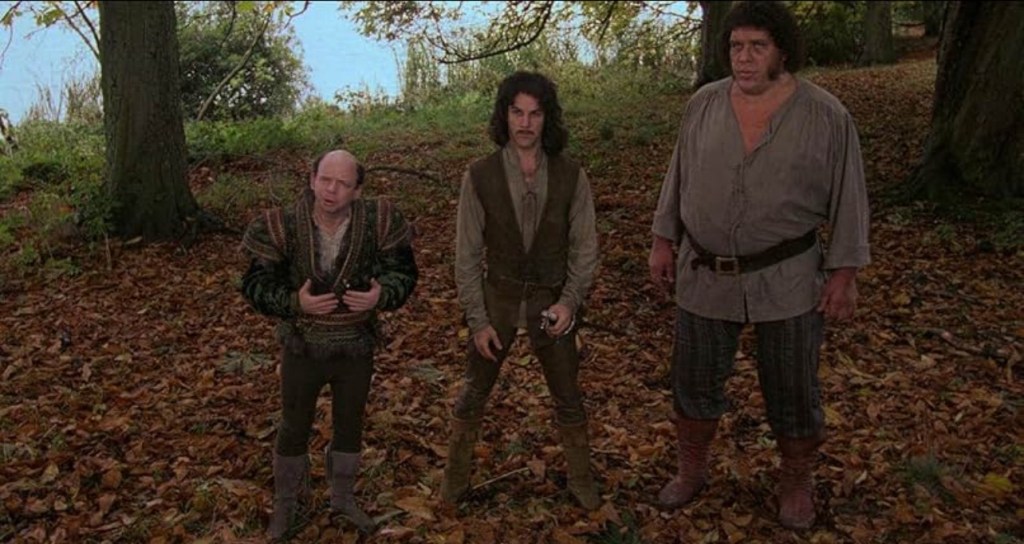
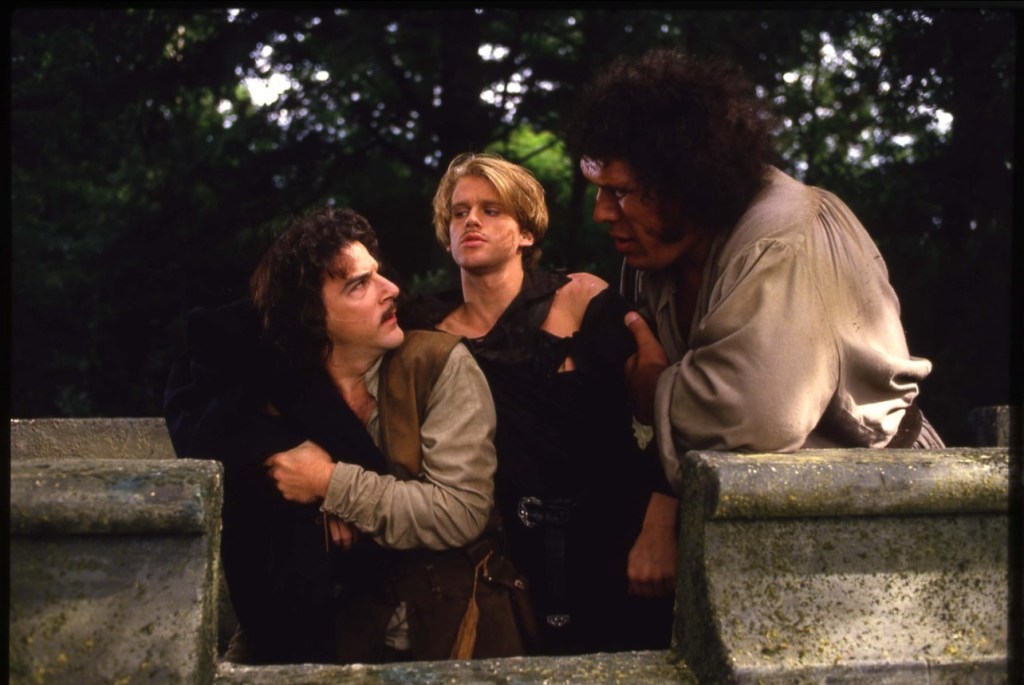
Based upon some of the company he kept, it is easy to misunderstand the character of Inigo Montoya when we first meet him in The Princess Bride. In fact, at first he had the appearance of nothing more than a thug or hired sword when he, along with Fezzik and Vizzini, abducted Princess Buttercup. However, prior to his duel with Wesley – disguised as The Man in Black aka The Dread Pirate Roberts – he opens up to his opponent, providing details that explain what led him to this line of work. Rather than someone merely seeking personal glory or public adulation, for Inigo, this battle with The Man in Black was a prescreening to prepare him for the procedure he hoped would finally end his pain and suffering. In his mind, to be made whole, Inigo felt compelled to avenge his father’s death at the hands of the Six Fingered Man.
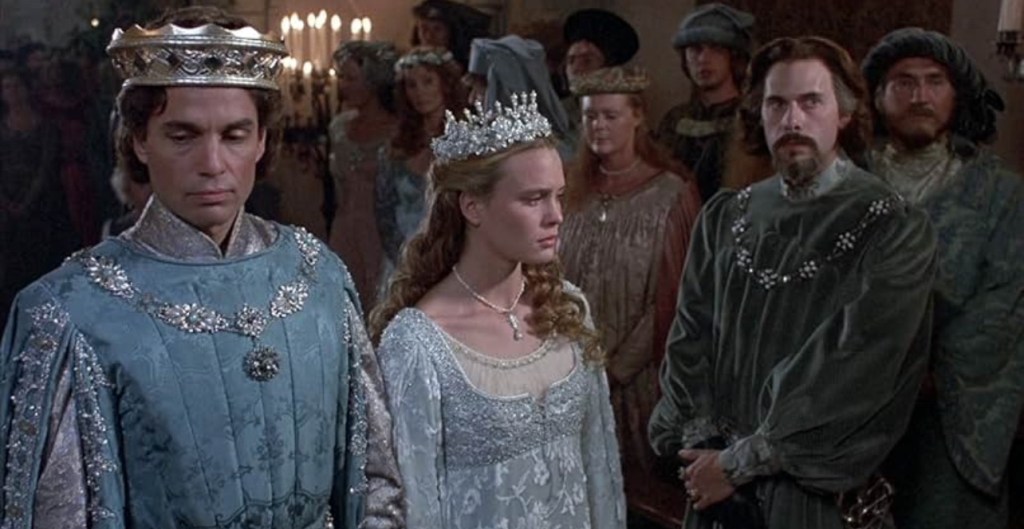

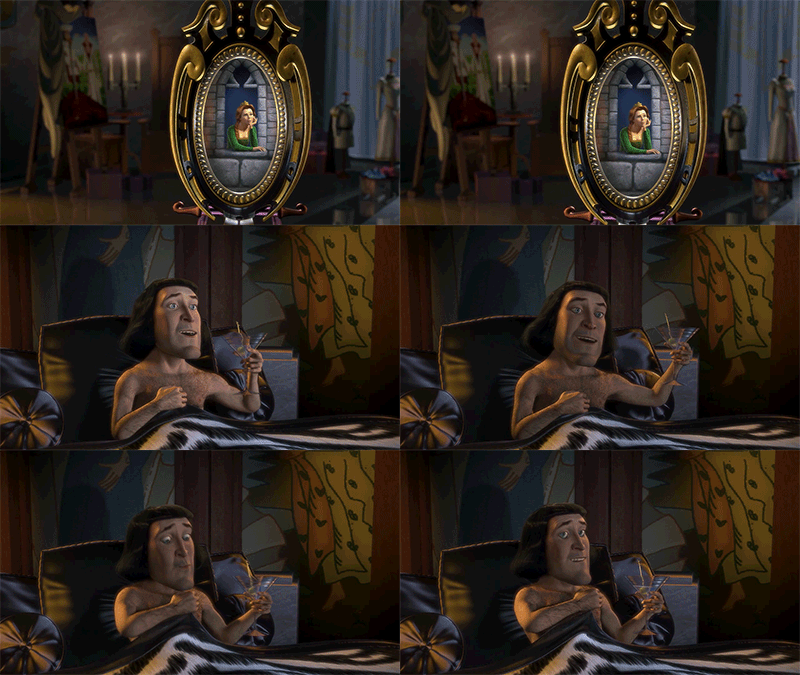
On the other end of the spectrum is Prince/King Humperdinck, who presents a dynamically different view of what love means. One sample is seen with how he deals with his father’s death, which Humperdinck casually addresses while going over battle plans with his general. For a war he is secretly orchestrating. While his initial scheme falls apart once Wesley rescues Buttercup from the hired Sicilian Vizzini, Humperdinck simply engineers another lie to provoke a war with the neighboring country of Guilder. Making his arranged marriage to Buttercup similar to Shrek’s Lord Farquaad – another fairy tale land ruler – a union of pomp and circumstance. Consistent with medieval customs, marriage afforded Humperdinck legitimacy in his authoritarian claim to the Florin crown. So love had nothing to do with it.
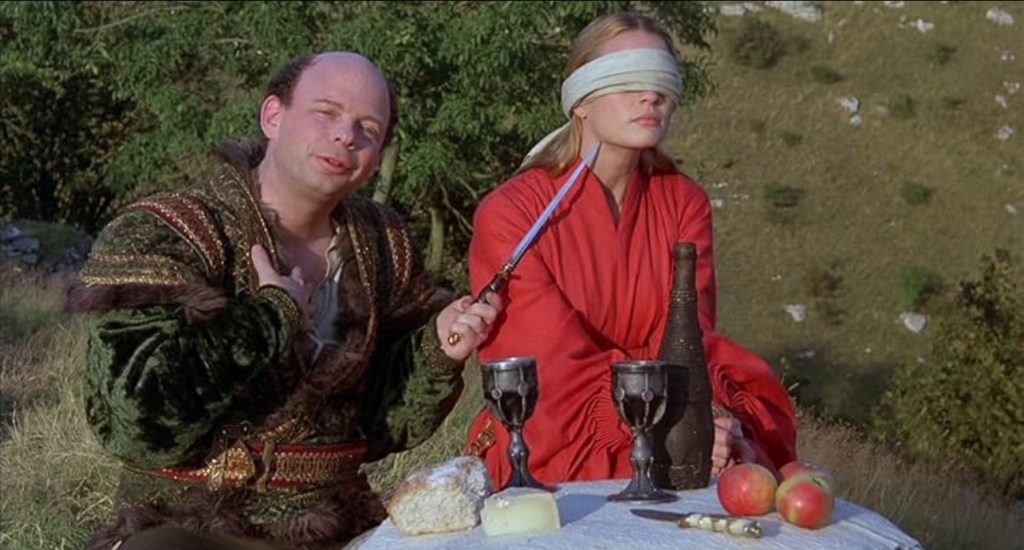
Though there is no love lost between Buttercup and Humperdinck, other manifestations and visions of love appear in The Princess Bride beyond the triangle these two and Wesley create. The trio of mercenaries Humperdinck pays to abduct Buttercup includes two angles that exhibit an abundance of compassion and concern for their fellow man – or giant. Three decades after his death and yet it is still “inconceivable” to imagine Andre the Giant as anything other than a fearsome, dominating and to some – including Vizzini – brainless. But one thing you won’t hear is heartless. This holds true in the character of Fezzik as well. It is Fezzik who first objects to the group’s actions upon hearing the plan ends with the death of Buttercup. And don’t forget, he didn’t have to miss. With superior swordsmanship and immunity to Iochane powder, Fezzik was the only opponent The Man in Black could not compete with. While his sportsmanship, his admiration – even love – of the game, may have lost him his personal battle, it actually also was the first step towards preventing a war.

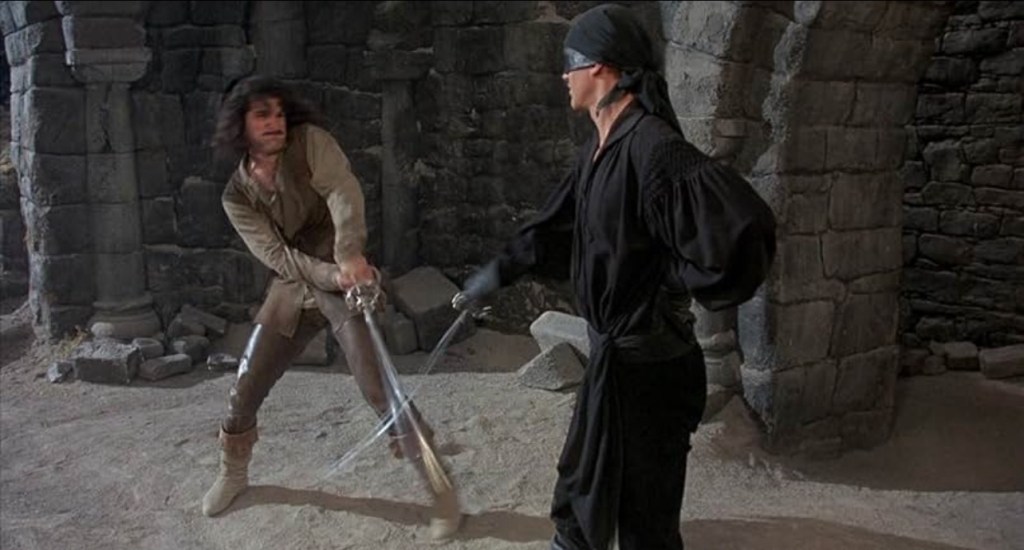
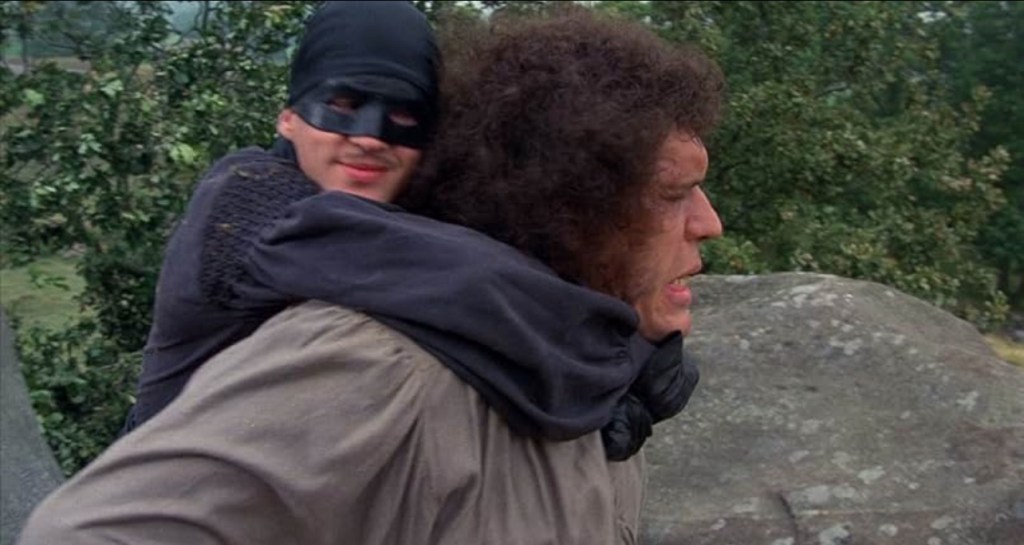
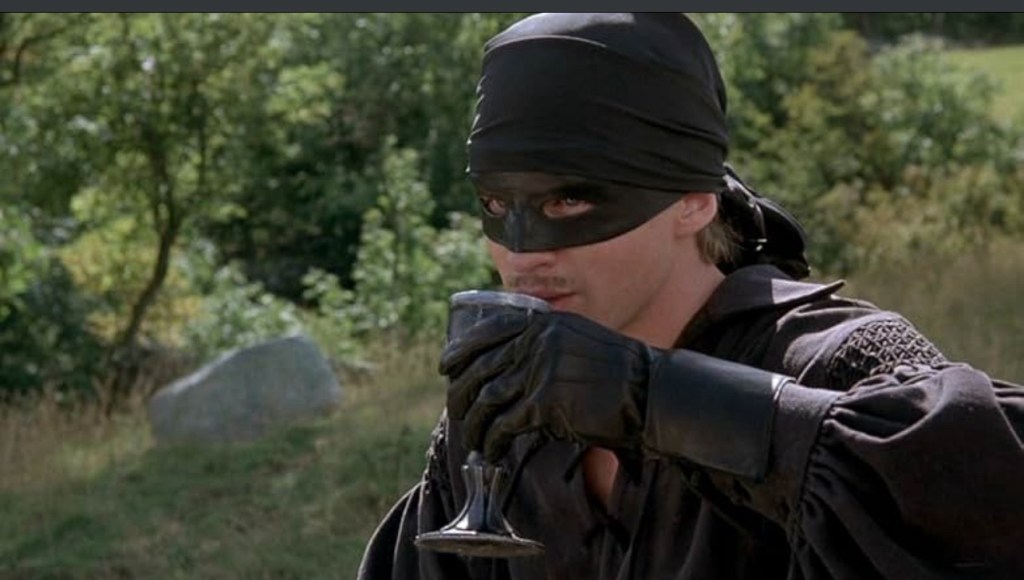
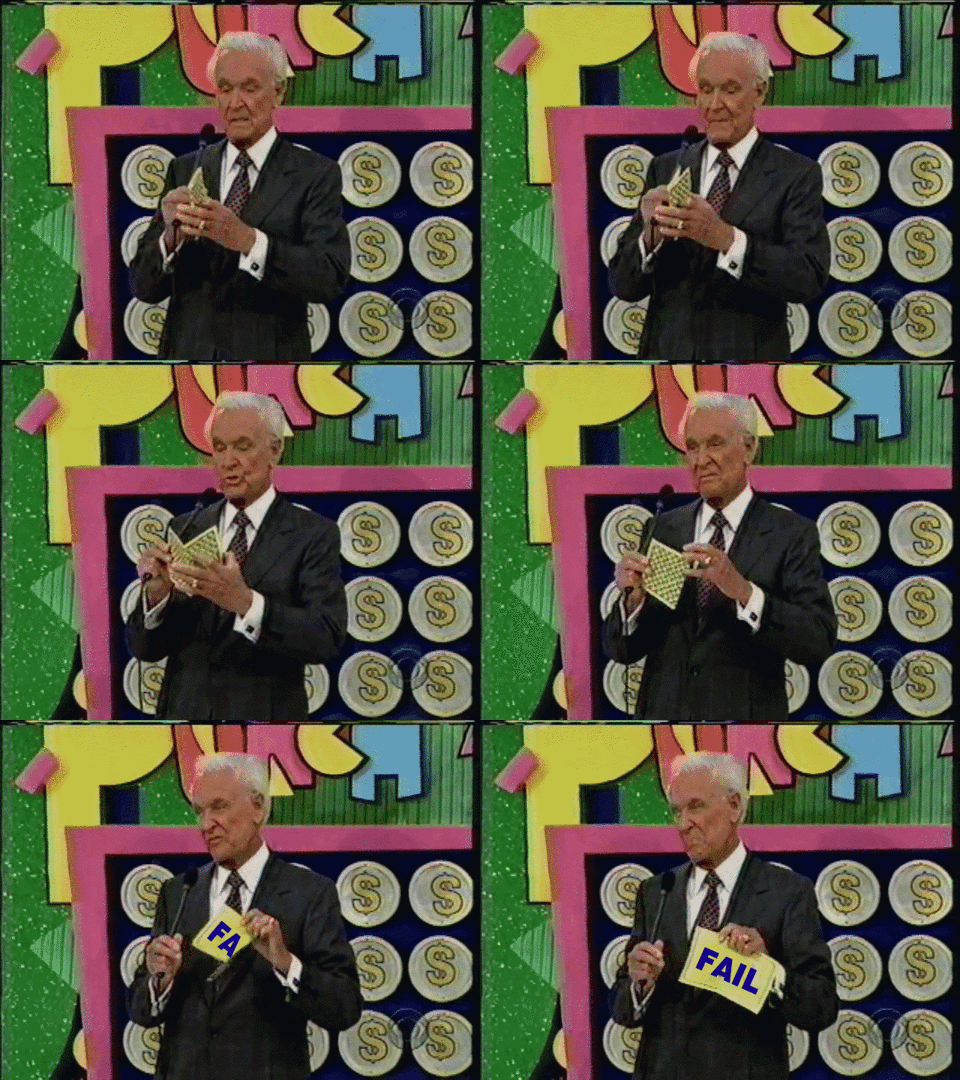
Were you to ask any 80’s or 90’s kid what they recall most of their days stuck at home sick, one consistent answer will be watching The Price is Right. Not only was this enjoyable mid-morning television game show an injection of adrenaline and excitement in an otherwise mundane, depressing day, it was also our first exposure to the drastic difference between what manufacturers suggested consumables should cost versus the price we saw on store shelves. One economics lesson not included in the Bob Barker broadcast were the concepts of explicit and implicit cost. Obviously something like humble servitude rarely comes with a price tag, yet the practice is priceless and adds immense value to the whole body assembled. Capable of changing minds, and more importantly hearts, a transformation audiences saw in the early scenes of The Princess Bride as Buttercup eventually started to see Wesley as more than a simple farm boy.
Likewise, neither Fezzik nor Inigo questioned why The Man in Black let them live. And while Vizzini’s death was by his own choosing, neither of two hitmen entertained a quest for revenge – surprising for Inigo in particular – for the person who, let’s be honest, only kept them around for his benefit, berating them often to maintain his sense of superiority.
Instead, after sobering up, Inigo surmises that their only hope rests with The Man in Black. Yet, by suppressing the human temptation of viewing themselves as loftier than they should, each of these individuals achieve something seldom seen in storybooks and science fiction tales. From Inigo’s defeat of the Six Fingered Man to Fezzik finally doing something right – though to be fair even this article already counted two others – both of these side characters in The Princess Bride were able to bury their pasts and make peace.
If You Don’t Have Your Health

Reports from the official Los Angeles County Medical Examiner revealed the Reiner’s deaths resulted from sustaining multiple sharp force injuries inflicted by “another” with a knife; both dying within minutes of receiving these injuries. In America, the enforcement of HIPPA laws prevent news organizations from knowing and thus reporting on any additional health discoveries made during autopsies. There are, however, some journalists willing to employ unorthodox procedures to acquire this sort of information, but there is still little likelihood of any ME’s records obtained including the disorder mentioned on social media having any direct correlation to either Rob and Michele Reiner’s cause of death. Ironically, this speculation first came to light on a site conceived and birthed by users upset and mostly banned from other forums for spreading misinformation claims; circulating untruths about the Worldwide COVID virus.
About the December 15th murders of Rob and Michele Singer Reiner, one platform transmitted the narrative describing the Reiner’s murders as the result of the patriarch’s “raging obsession” and “obvious paranoia” causing others anger. While praising Rob’s decades of entertainment success, the post characterized Rob Reiner as tortured and recently struggling due to a mental defect. It went on to state how the once talented comedy actor now chose to use his writing capabilities, his voice in ways that “drove people CRAZY.”
Though almost every knowledgeable medical professional has already or hopefully will soon dismiss this unrequested, unnecessary and most importantly, unqualified assessment, apparently at least one senator – incidentally, from a state that has a memorial celebrating a phenomenon once feared for creating feverish hysteria and frenzy, particularly among juveniles – believes in the existence of this fake virus. Apparently the administration suffers from a Deuteronomic dysfunction, one any type of healer – holistic or HMO approved – can relate: as the head, so the tail. Perhaps that is why, earlier this year, this same elected official advised the director of the National Institute of Health to research the disease.
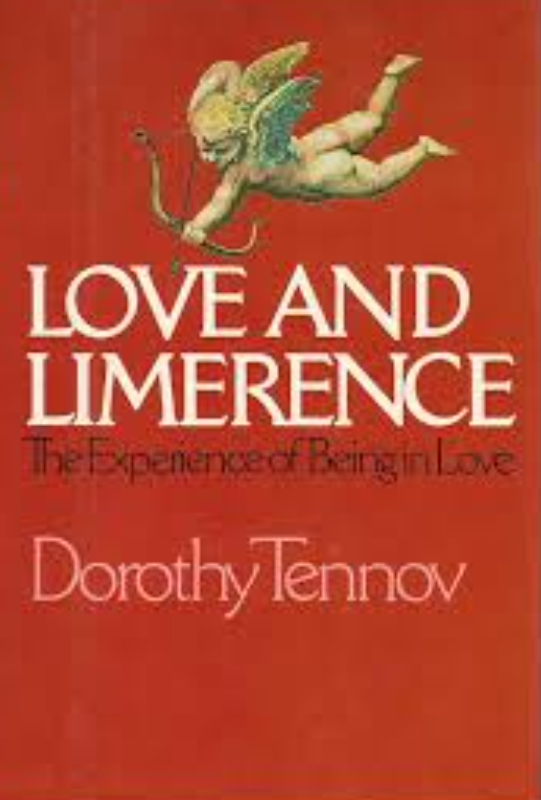
Instead of wasting time – not to mention taxpayer dollars – addressing this “new” disease, had any official claiming qualification for taking care of the country – which includes the welfare of every American citizen – done some research they would know this disorder already had a name. Introduced in the title of a 1979 book by Dorothy Tennov that coincidentally also has to do with love. With Love and Limerence: The Experience of Being in Love, the author establishes a new psychological term that is a conjugation of the word limen – or threshold – and romance. Limerence is defined as an excessive, obsessive infatuation with an individual that initially – for some – has all the butterflies and goosebumps associated with love. However, limerence is more likely to evolve into other, more malicious, obtrusive emotions, leading to hostile and aggressive actions, especially when the limerent object doesn’t reciprocate or appreciate the attention in a suitable manner.
While The Princess Bride features several interruptions from the “main” story, not all of them occur during scenes that make Grandson feel queasy because they feature kissing between Wesley and Buttercup. Even Grandfather himself stops reading once he notices a fevered brow or shallow breathing coming from Grandson. You have to admire Rob Reiner’s direction in using these moments of stress induced panic to point out how easily we become obsessed with our own belief in how a story should go that we overlook or ignore the fact that we aren’t in control of the story, we are only participants and party to it in one form or another. In order to truly enjoy the tale you must trust what the author has written.
Otherwise, romanticization and idealization of any person – or possession – can create a mental instability that leads an individual to stalk, harass and in the worst cases lead to violent, even fatal acts referred to as crimes of passion. This, unfortunately, is the gross part in the Reiner family tragedy. First, because even if we concede that limerence was involved in the murders of Michele and Rob, the couple were neither the obsessed individual nor the object of affection. Instead, as previously indicated, by all accounts the Reiner’s actions that evening were consistent with parents intervening in the name of love for their child, their family and household when they decided against leaving Nick unsupervised that evening. Next, while it is true Rob Reiner – in recent years – had started to increase the volume of his political rhetoric, only someone suffering from limerence themselves would lack the eyes to see that for years both he and Michele were advocates for changes in other “houses” across America too.
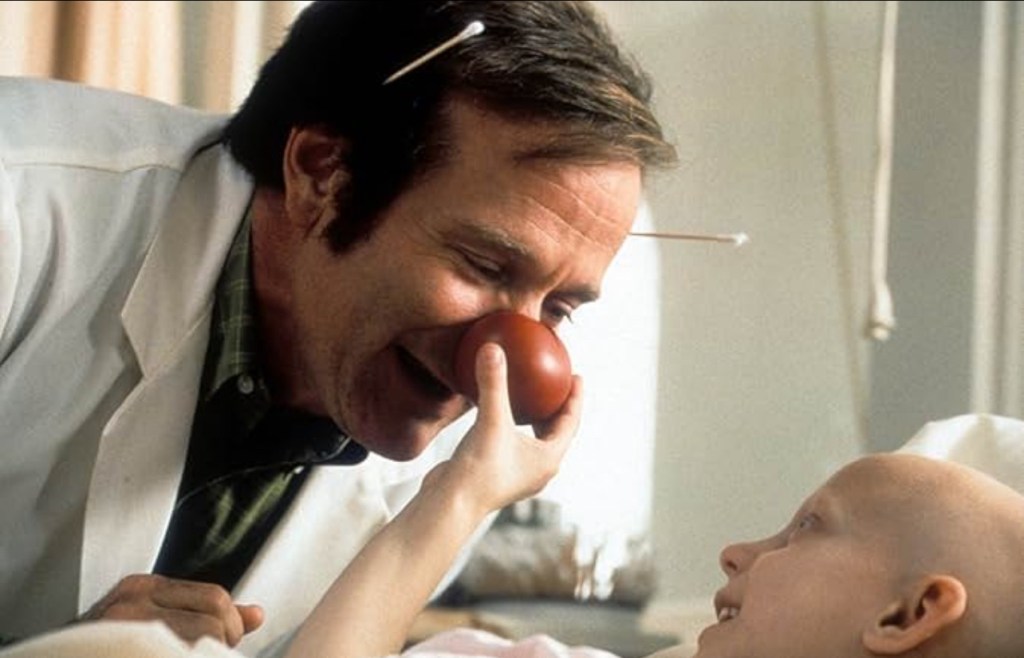

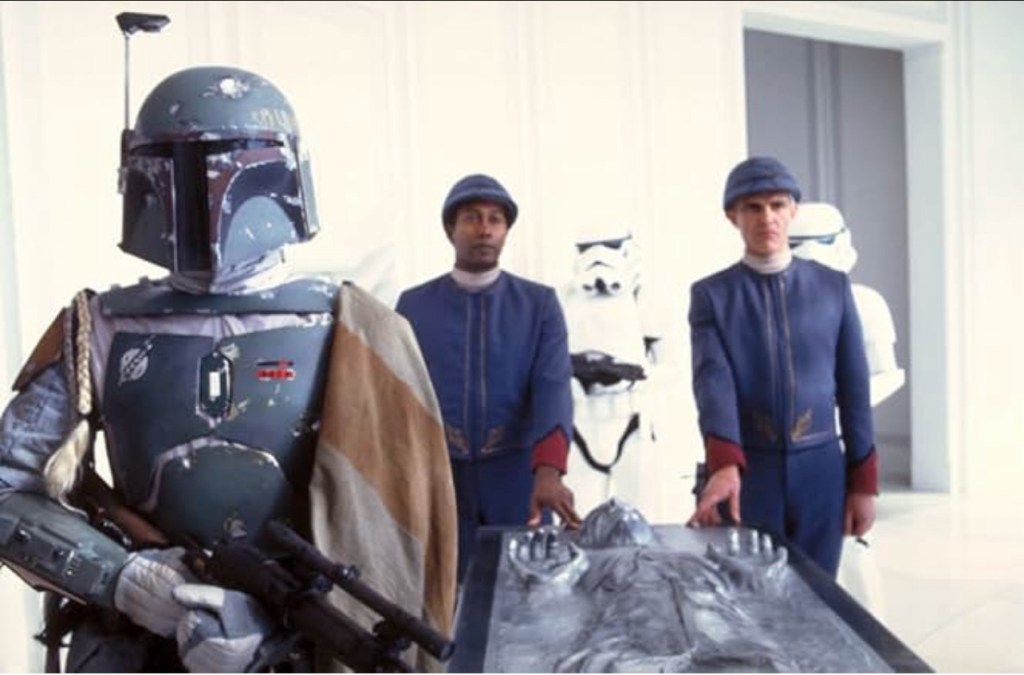
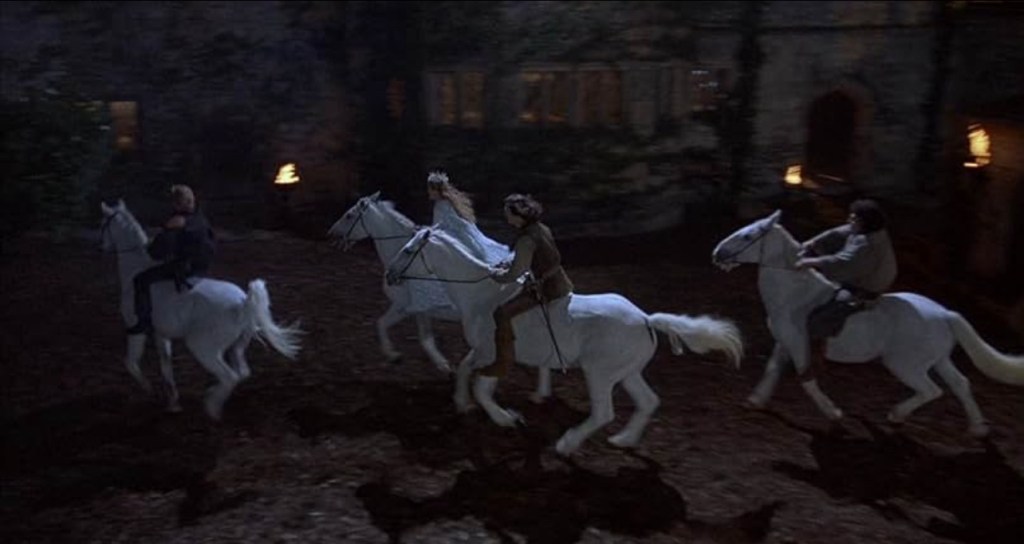
Like leading the 1998 campaign that eventually helped California pass its First 5 Initiative to improve the lives of households through educational, health and other crucial services. Hateful, or love without a limit?
Also, Reiner didn’t reserve his commentary for one political party, or people. Reiner joined a chorus of other famous celebrities voicing their opinions that Joe Biden remove his name from the ballot of the 2024 Presidential Election to the Jewish director’s comments on both Israel and Palestinians equal responsibility and fault in the continuing atrocities – unconscionable, uncountable losses of livelihood and life – that are taking place in the Middle East, even advocating for a two-state solution. So if any of Reiner’s quotes or interviews made you feel self conscious, you might have a problem. Or be one?
Facing liberty hanging on by a lifeline, whenever Rob Reiner’s interviews shifted towards politics, he exhibited the classic behaviors of someone in love with their country. A desire to ensure the Constitution thrives so that regardless of who anyone living today might assume or suggest the words were drawn for, we never forget that as America got older, with a body composed of the three branches of the U.S. government, our country grew only by the enrichment provided by laws meant to protect our society from becoming like our parents. Because, wasn’t it the exact fears Rob spoke about – of America growing into a royal terror – part of the trauma which led to the split personality culminating in the nation’s Civil War? By advocating violence against any political opponent or member of the press upon detecting even the slightest murmur of dissent, are we as a society choosing the death Patrick Henry railed against.

The horrifying image here is that it is becoming increasingly suitable for Americans – once esteemed, even if in our own minds – as a more civilized society, to succumb to our base instincts, how easily susceptible we are now to such acts of savagery when we don’t see eye to eye. Name calling, public bashing and berating, and puppetering average citizens to perform their handiwork. America, the time is coming when we won’t be able to blame tragedies simply on the alcohol, Rock and Roll or even D&D since, by adding their “authoritative” voices in these instances, in ways that often show who they truly love, our leaders are giving silent consent to the treatments some of their followers feel is prescribed.
Coming from a Jewish family, while familiar with his story, no one would expect Reiner to be a follower of Jesus. So it is quite interesting to read how Rob references the Rabbi when speaking on another recent killing. Taking place only months before his own, the plot of that murder mystery has an uncanny resemblance to the symptoms suggested as the cause of Reiner’s death. Yet, in talking about this tragedy, Rob spoke about the hope, the healing and restoration that the slain’s widow displayed at the memorial.
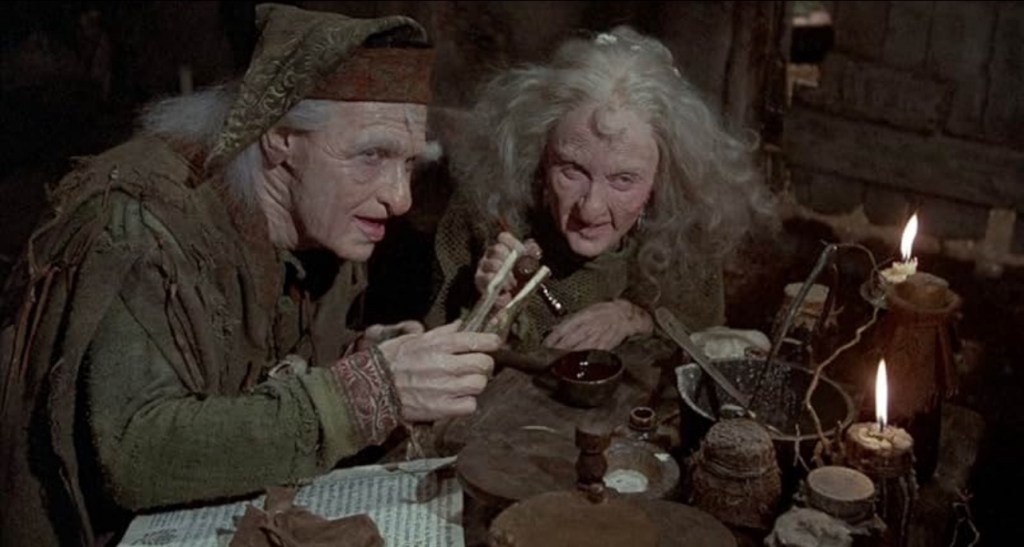
Regardless of your personal feelings, political affiliations or philosophical beliefs, we’re at the point where people around the world are starting to notice there is something wrong with America, and it can’t be remedied by dumping the same toxins into the system that caused the infection in the first place. Rob spoke on this in September, telling WBEZ Chicago the country needs to “dig ourselves out of this before it’s too long.” But you know what Miracle Max said, you rush a miracle, you get rotten miracles.
But then again, isn’t this the time of miracles. The Christmas holidays hold out hope for everything from that special present under the tree to the salvation of all mankind. Oddly enough, while feeling nostalgic about a Christmas pass after seeing the Commodore 64, one other item in Grandson’s room suddenly stood out – a Santa Claus. Seems The Princess Bride is a Christmas movie, as the door, the headboard and even the hallway contain some hint the movie takes place during the holiday. If you think about it, there are also plenty of subtle hints that connect with the rest of that story for example sacrifice, union and brotherhood, sickness and of course, love.
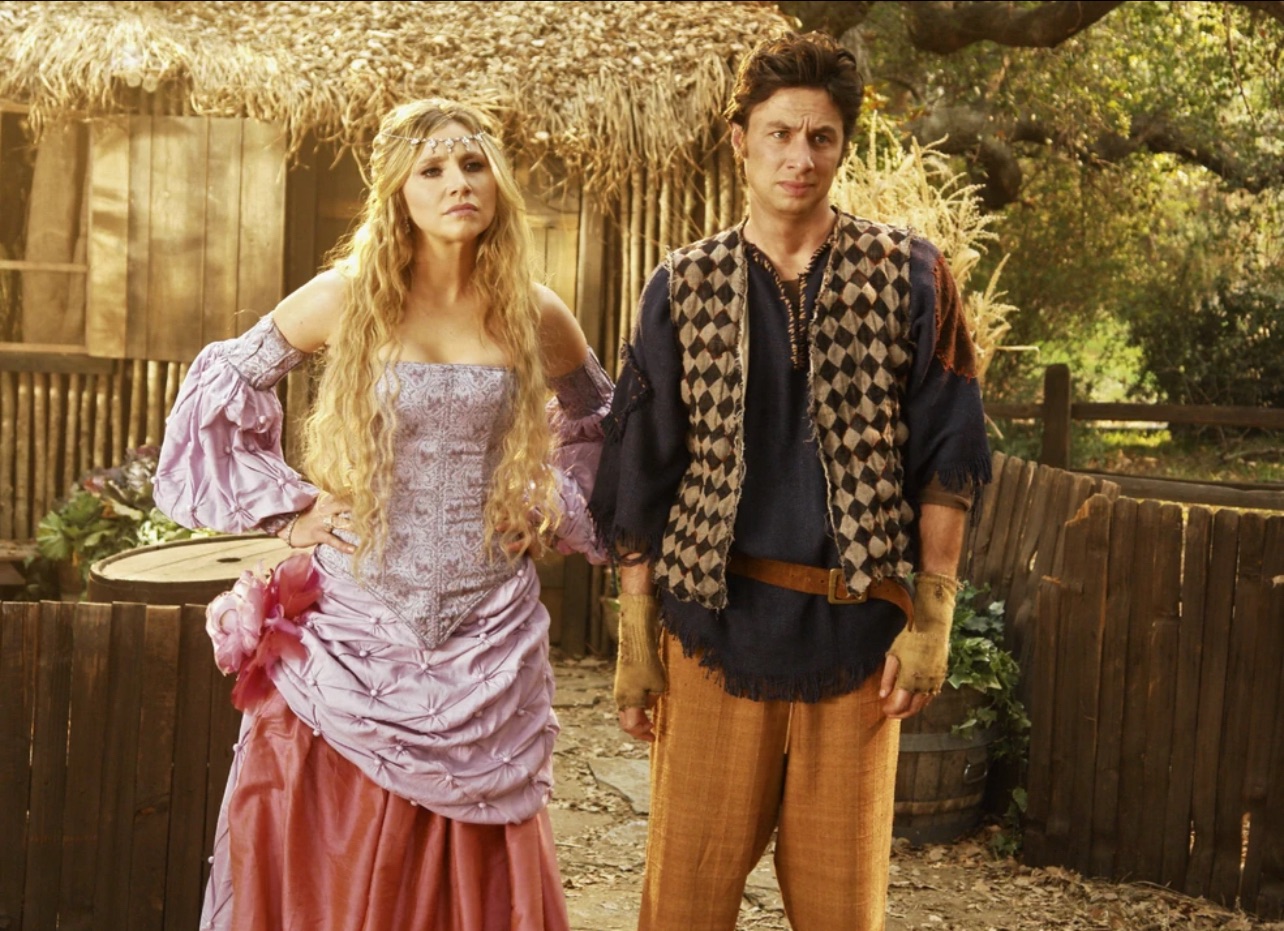
The hippocratic oath may not be mandatory for those entering the medical field, but the world’s leading physician’s decree of “do unto others” are words we all need to live up to. A model that shouldn’t be too hard to follow, especially if you have your own edition. The first step is remembering that the Son did not come to be served, but to serve and in doing so to heal a world that was sick and dying. The King of kings knew this could not be accomplished from a throne. Instead, the administering starts sometimes with the simplest, most humble of human gestures, not always with words or if so they might come in a different form . A remedy to another ailments or dilemmas, a willingness to do what you can to help your fellow human. Without the grandiose posturing, even stated as plainly as those spoken in The Princess Bride by Wesley, or even Grandfather to Grandson’s request as he exits the room, and what it really means.
As You Wish


 Off The Top Of My Head And Out Of My Mind
Leave a comment