
The phrase “there’s no business like show business” is an exhortation that emphasizes the unique nature of showbiz in comparison to the various other types of business. Realistically, at times “the show” features similarities to other industry informing idioms like monkey and risky business. There’s even occasionally some unfinished business, leading to yet another entertainment minded motto: the show must go on.
Despite humanity’s lengthy relationship with theatrics, this particular tenement to the trade of show business didn’t exist prior to the 19th century. Not only did the declaration not originate in ancient times, instead of the performers preparing to take the stage, the phrase was first spoken about the caravan of entertainers waiting for the big top curtains to open. With a lineup containing countless animals – including one named Animal – along with exotics and oddities, no troop epitomizes this more to an audience better than Jim Henson’s Muppets.
Depending on your age, who or what you define as a Muppet may be entirely different from the next reader. To some of you it is Elmo, an answer that in and of itself is both accurate and a bit of a conundrum. Mainly because it implies your only knowledge of muppets comes from Sesame Street or you’re aware that Elmo is older than he might act. Others of you reading this might recall Henson’s earlier works, you may have even been fortunate enough to watch them live from New York…or Chicago.
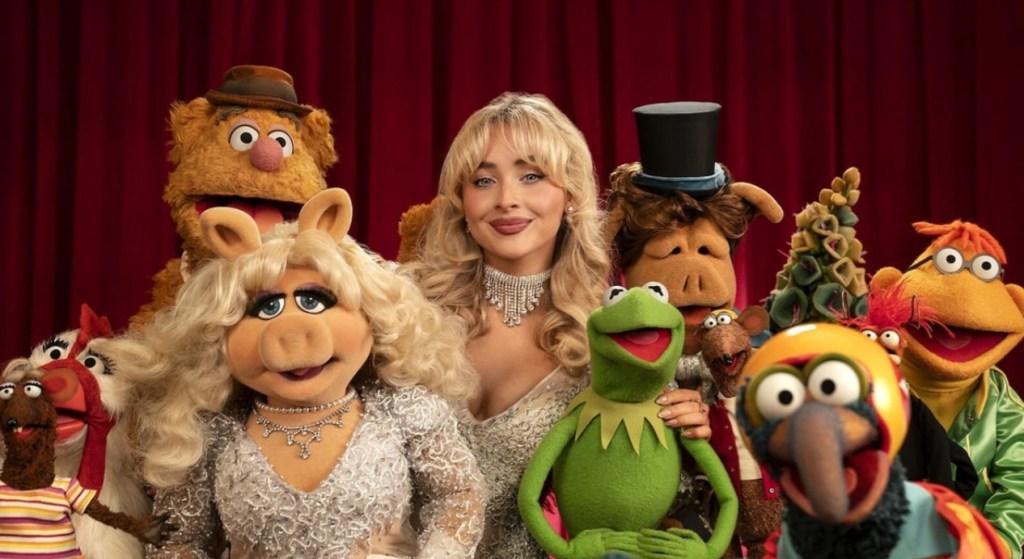
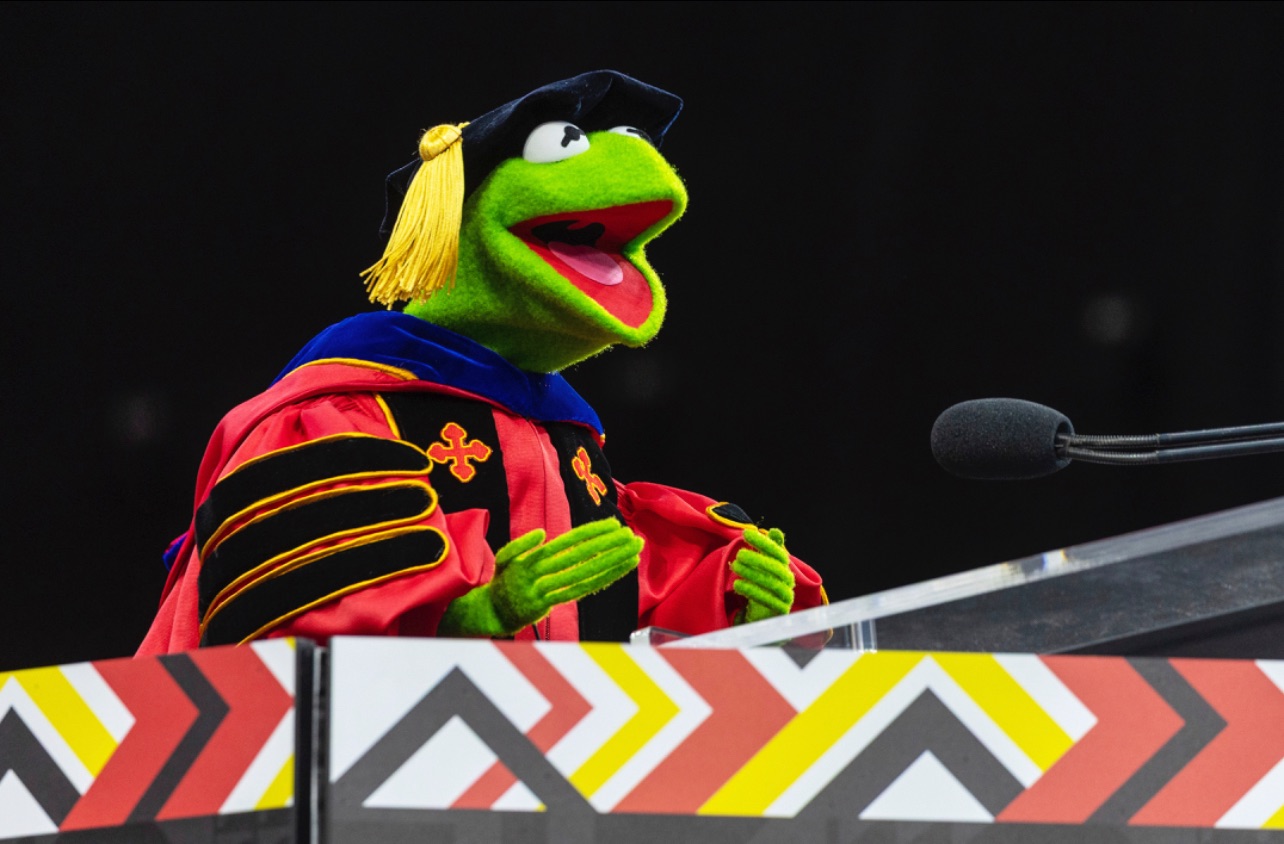
This year marks 50 years since the debut of the beloved, world famous cast of individuals we all have come to call collectively The Muppets. No where else will you witness a greater example of the proverbial sum being greater than its parts made flesh – or fabric. Yet, since the original show ended most muppet centered projects fail to capture enough of an audience to warrant more than a few seasons. Even The Muppet Show 50th Anniversary Special hosted by celebrity guest Sabrina Carpenter is billed as a one night show.
So exactly what will it take for networks to stop stringing Muppet fans along and get things started?
Never Before..Never Again?
Before we begin, there is a breaking story from Muppet News. Unfortunately, with Kermit occupied with promoting the special, here it goes: this isn’t technically the 50th Anniversary of The Muppet Show: for at least two reasons. For starters, the “comforts” of the Muppet Theater may offer the cast of characters a convenient base of operations, but it isn’t a stretch to say that the majority of their adventures as entertainers and individuals tend to turn into roadshows. The tune Moving Right Along is an absolutely appropriate anthem for this traveling band.
Before we begin, there is a breaking story from Muppet News. Unfortunately, with Kermit occupied with promoting the special, here it goes: this isn’t technically the 50th Anniversary of The Muppet Show: for at least two reasons.
For starters, the “comforts” of the Muppet Theater may offer the cast of characters a convenient base of operations, but it isn’t a stretch to say that the majority of their adventures as entertainers and individuals tend to turn into roadshows. The tune Moving Right Along is an absolutely appropriate anthem for this traveling band.
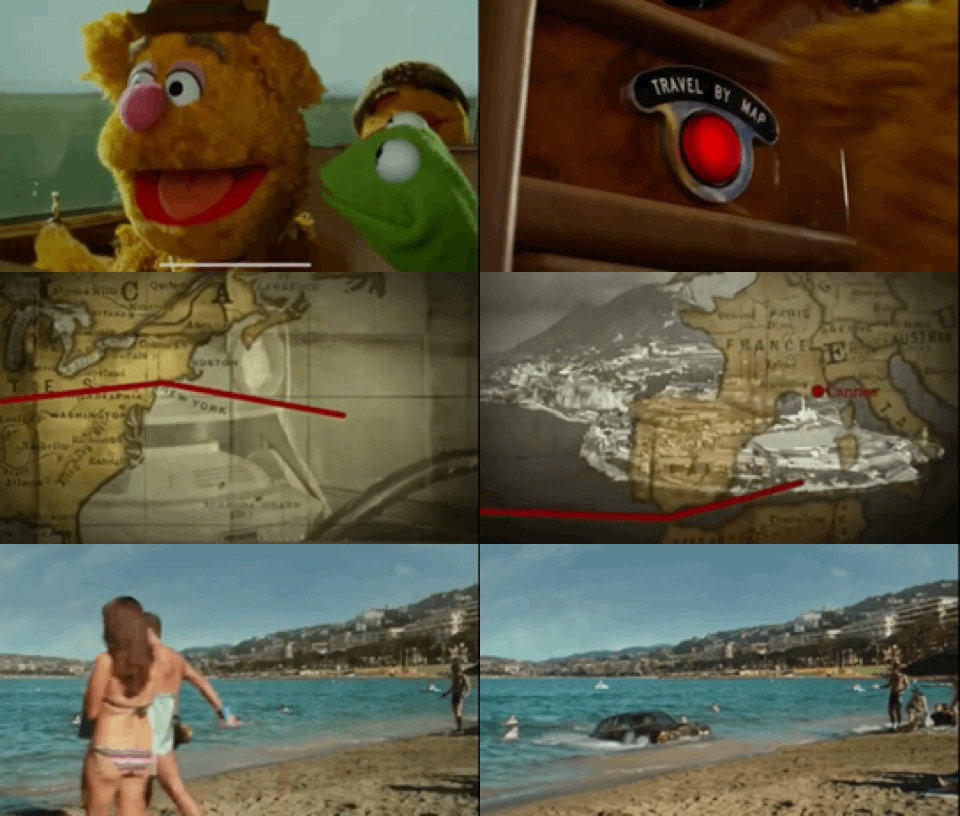
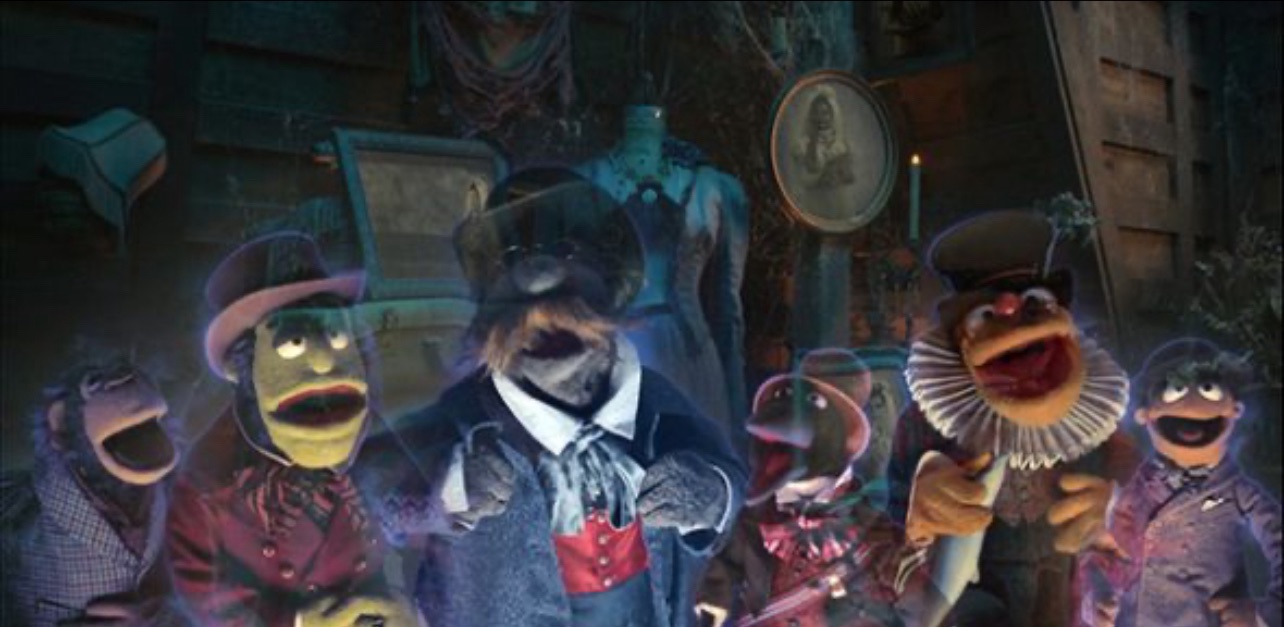
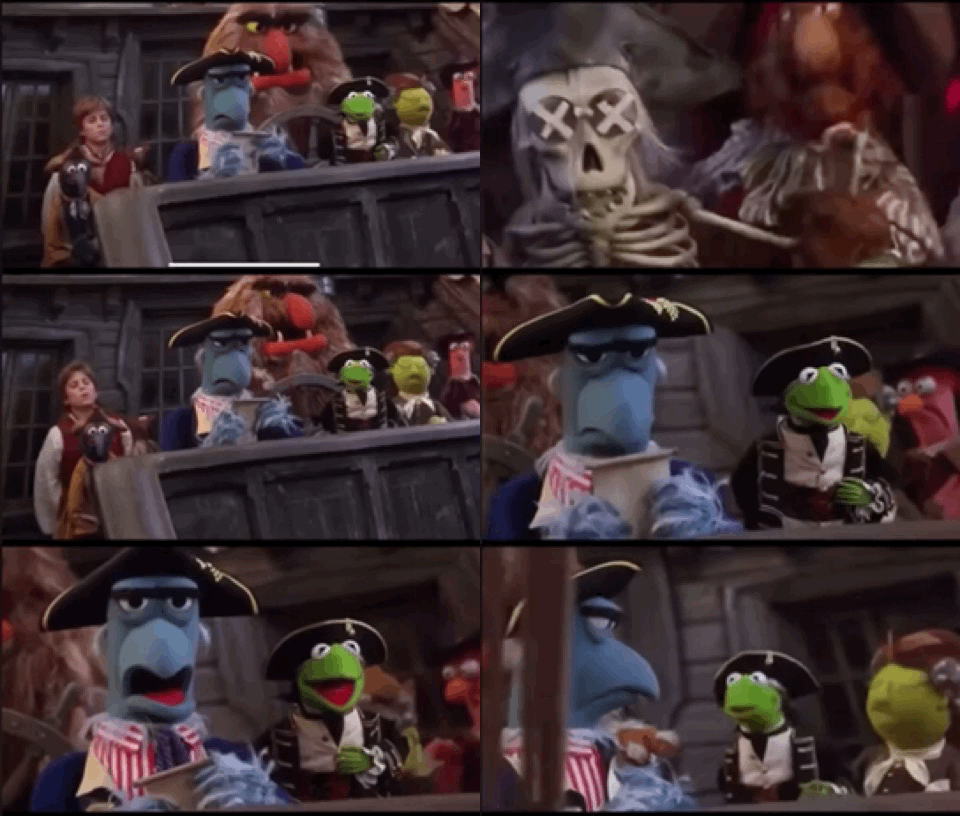
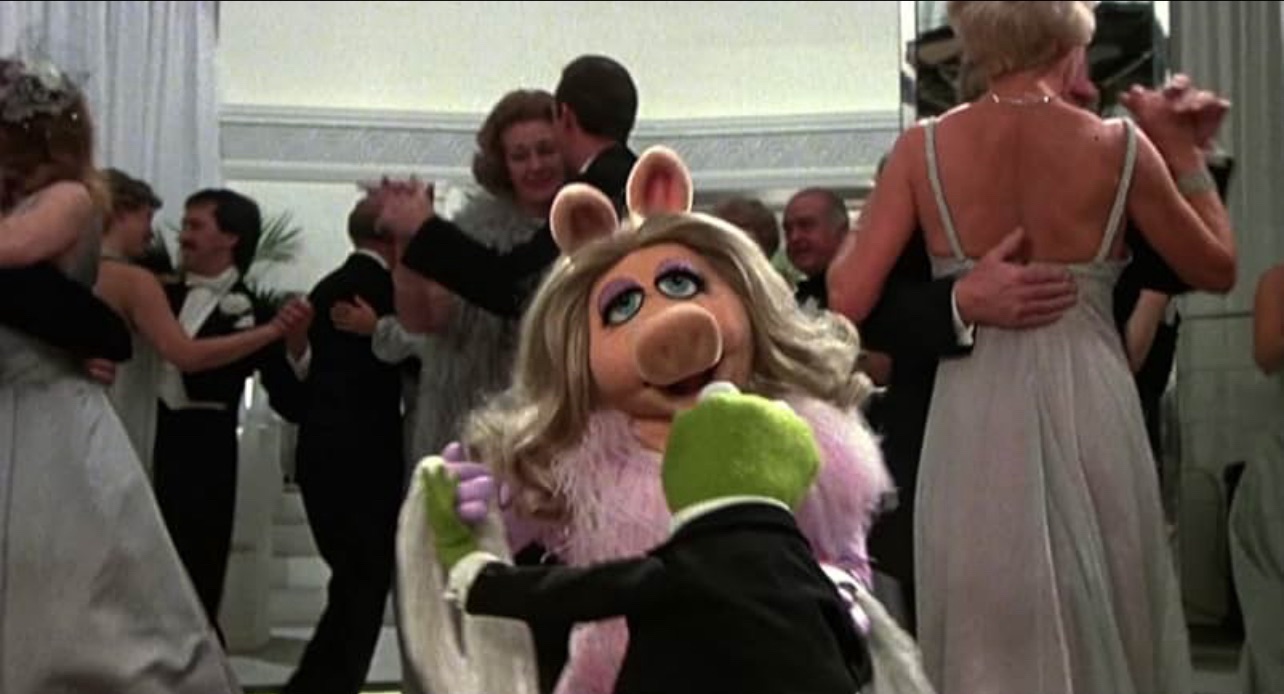
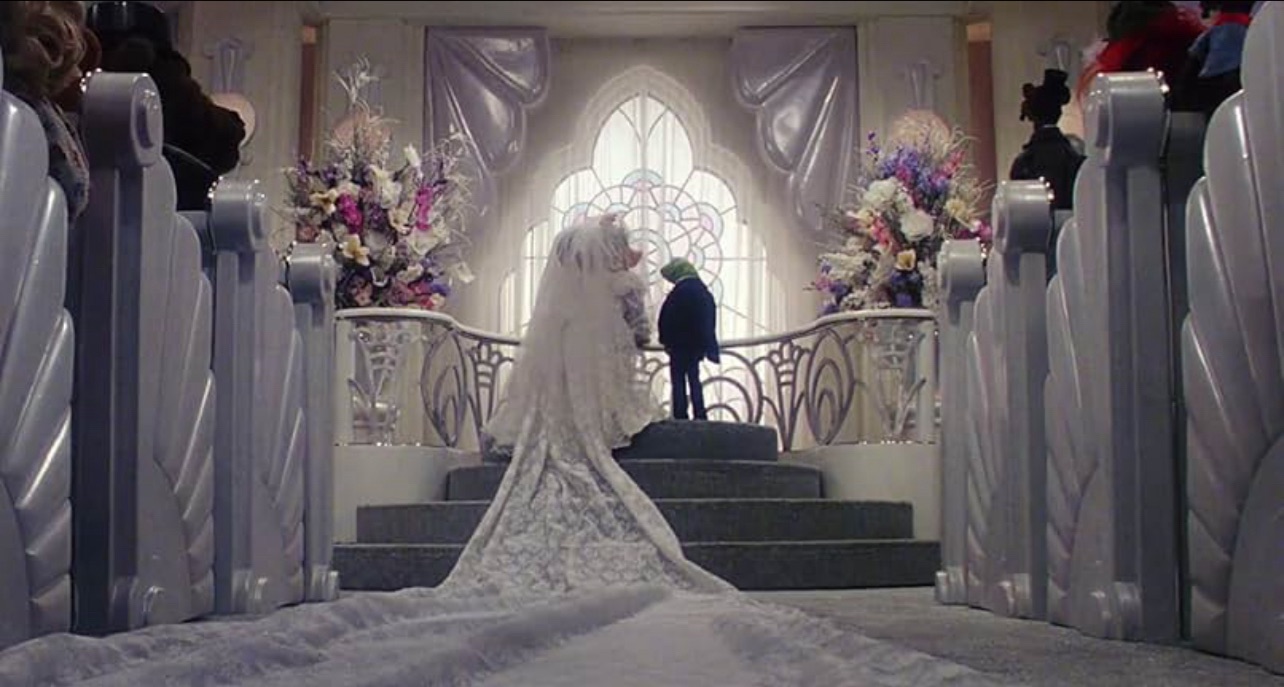
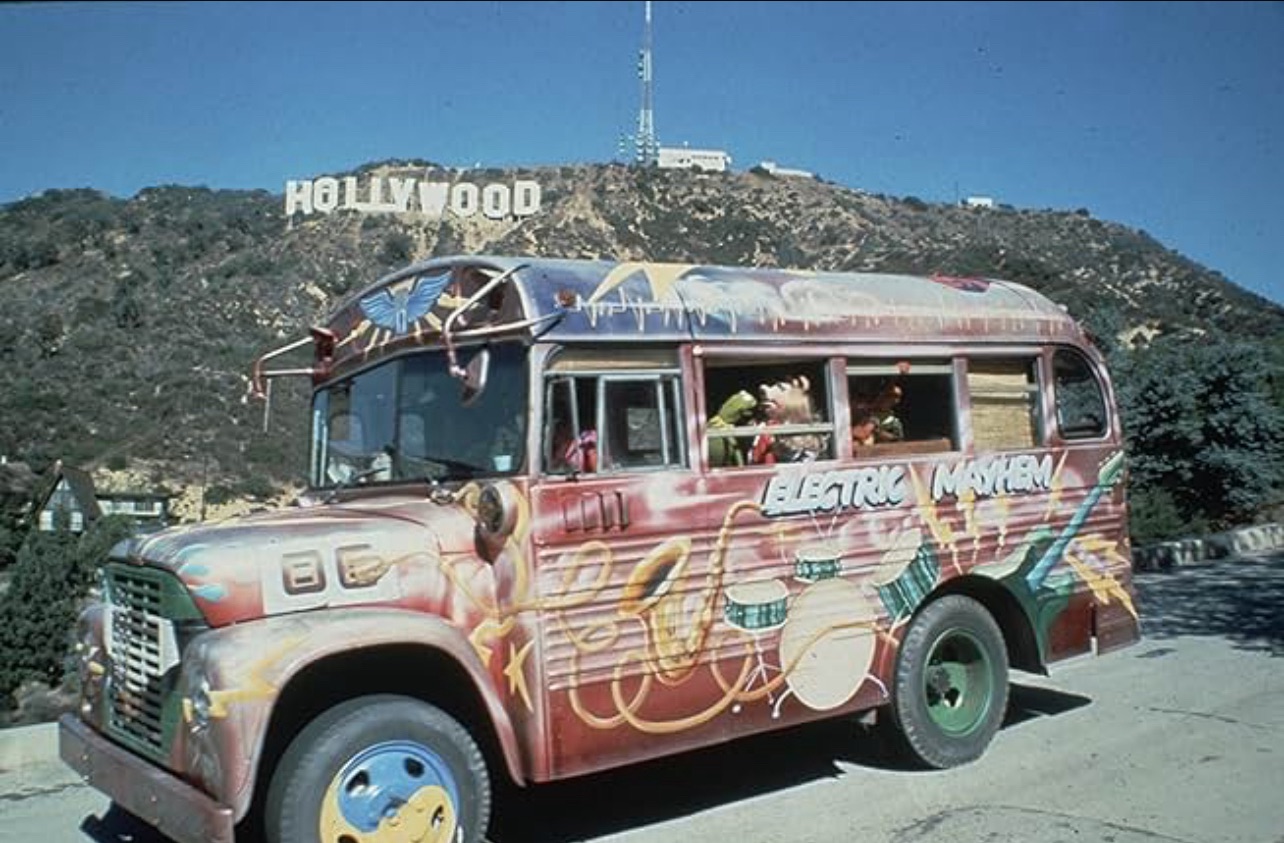
From adventures that crisscross the country, as seen back in 1979’s The Muppet Movie and recently in 2011’s The Muppets. To those across vast expanses in search of Treasure Island or Muppets From Space. Journeys that have taken the troupe across the pond to England in 1981’s Muppet Caper and even into London’s 1843 for Christmas past. English history is important as it pertains to the 50th Anniversary of The Muppets. It was the United Kingdom’s broadcaster Associated Television that first brought these characters together on the tiny screen 50 years ago. This after the American broadcaster ABC who aired two Muppets pilots, the first televised on January 30, 1974, opted not to extend an offer for Henson to produce a series incorporating the unpredictable marionette puppets.
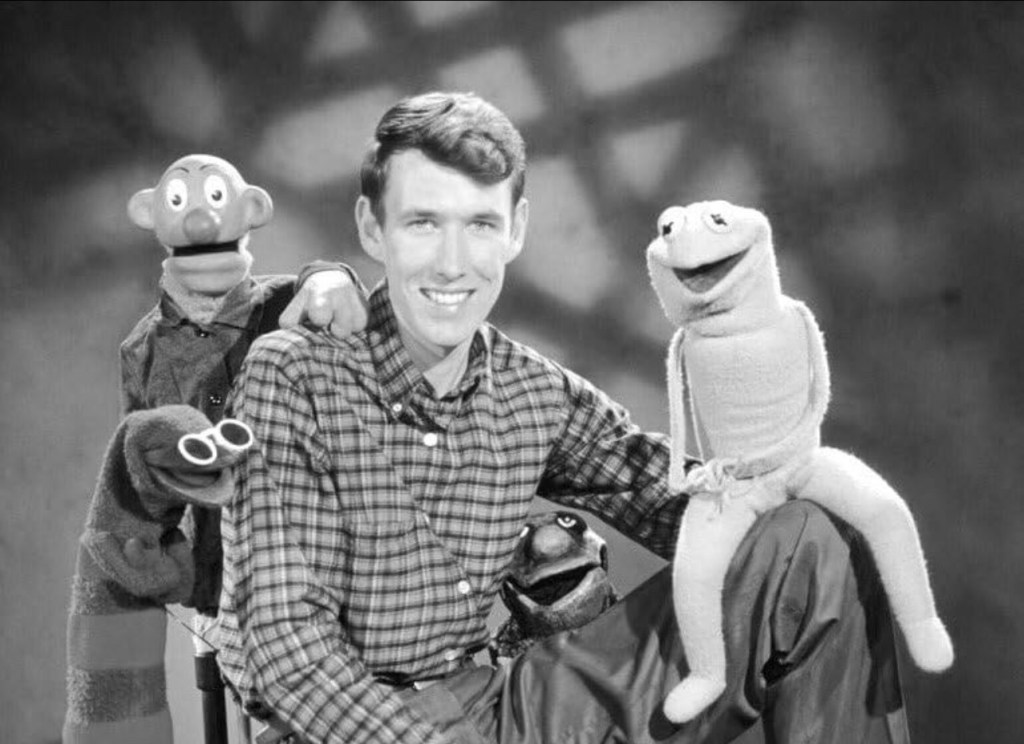
That last portion brings us to another curious aspect associated with the Muppets 50th anniversary. In case you weren’t aware, originally Jim Henson claimed the term Muppets was a portmanteau formed from the two words marionette and puppet before eventually admitting the name just sounded catchy. For some, this pivot might seem appropriate when you consider the muppets aren’t marionettes. Except when they are, as over the years Jim’s knowledge of string theory came in handy with the ingenious ways to dazzle audiences with puppetry projects. Considering Henson’s entertainment career began on WTOP-TV’s Junior Morning Show maneuvering marionettes in 1954, it is understandable why the phrase Henson coined unconsciously tied the two techniques into his new creations.
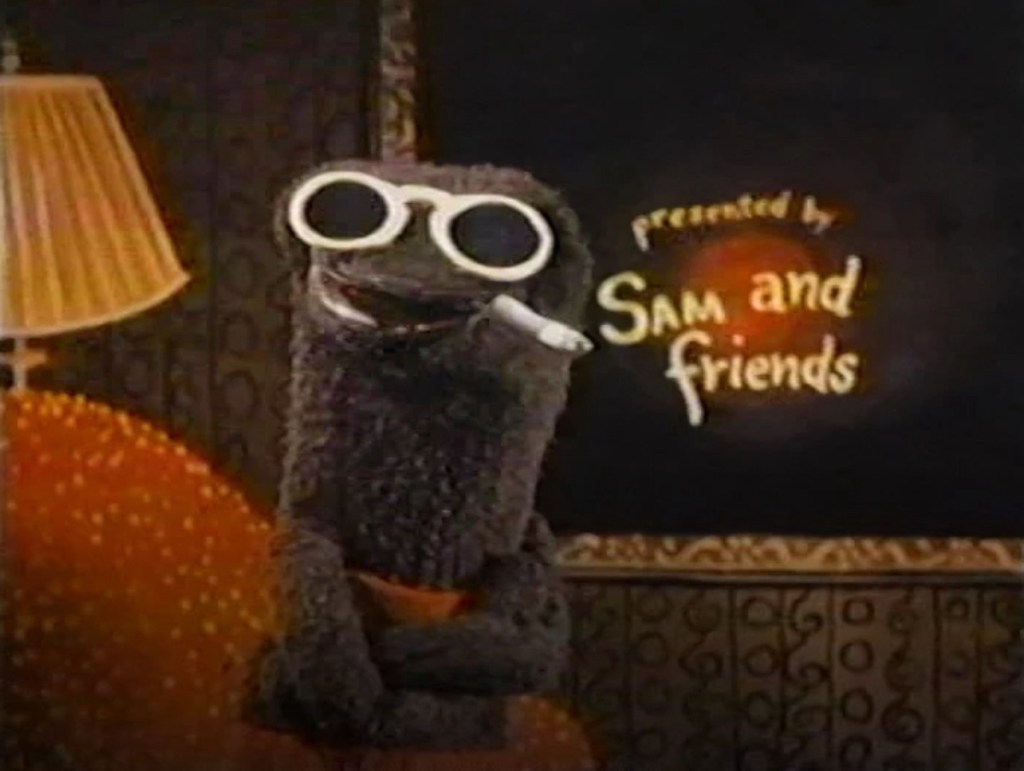
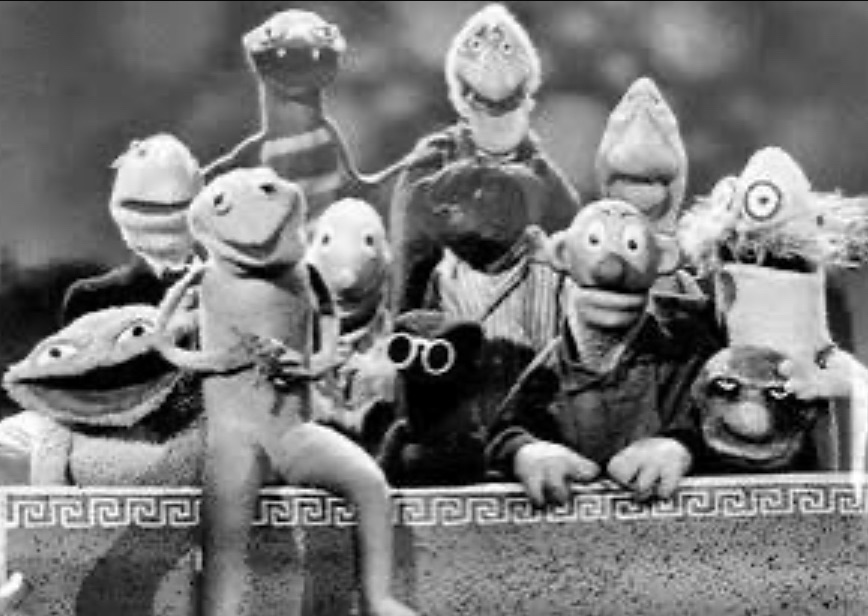
Though his employment with WTOP-TV was brief, the exposure built up just enough of a reputation for an NBC affiliate to offer Jim a nightly segment. The three to five minute segments of Sam and Friends proved to be a match made in heaven as Henson collaborated with soon to be wife and mother to his two children Jane Nabel on the show. As for Sam and Friends, after lasting five seasons from 1955 to 1961 the show continues to live on in spirit. Both with the character Kermit, who didn’t become a frog until after the show ended, and with the Visual Thinking segment first seen on the show before making its way over to Sesame Street and The Muppet Show. Actually, Sam and Friends even provided the blueprint for The Muppet Theater, with the use of short, satirical sketches and spoofs, conveyed in the form of a song or soliloquy.
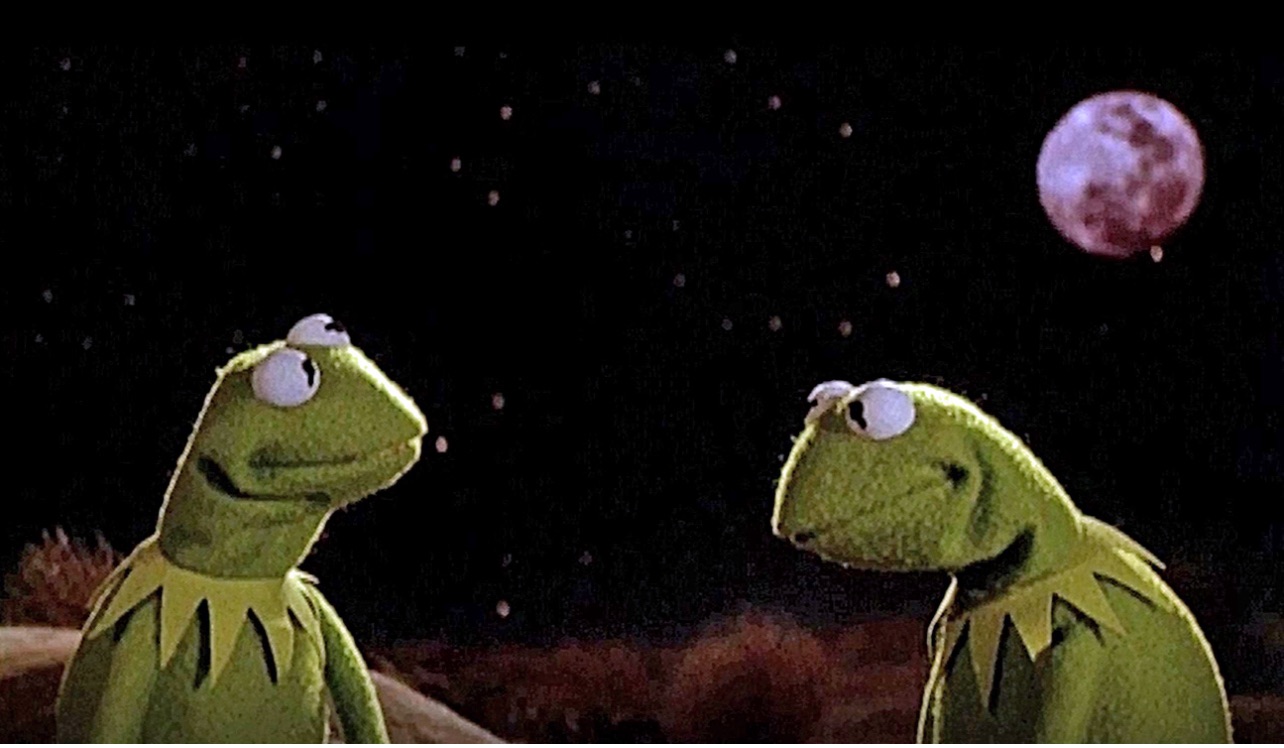
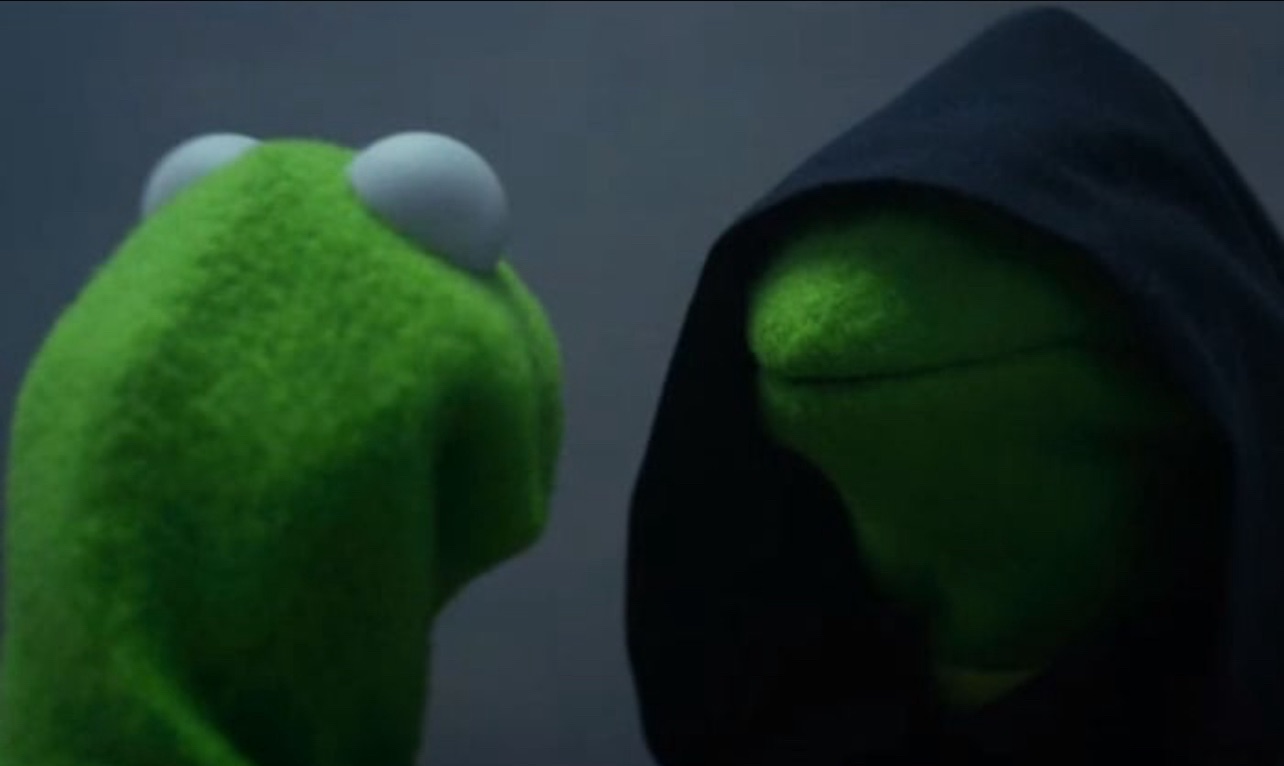
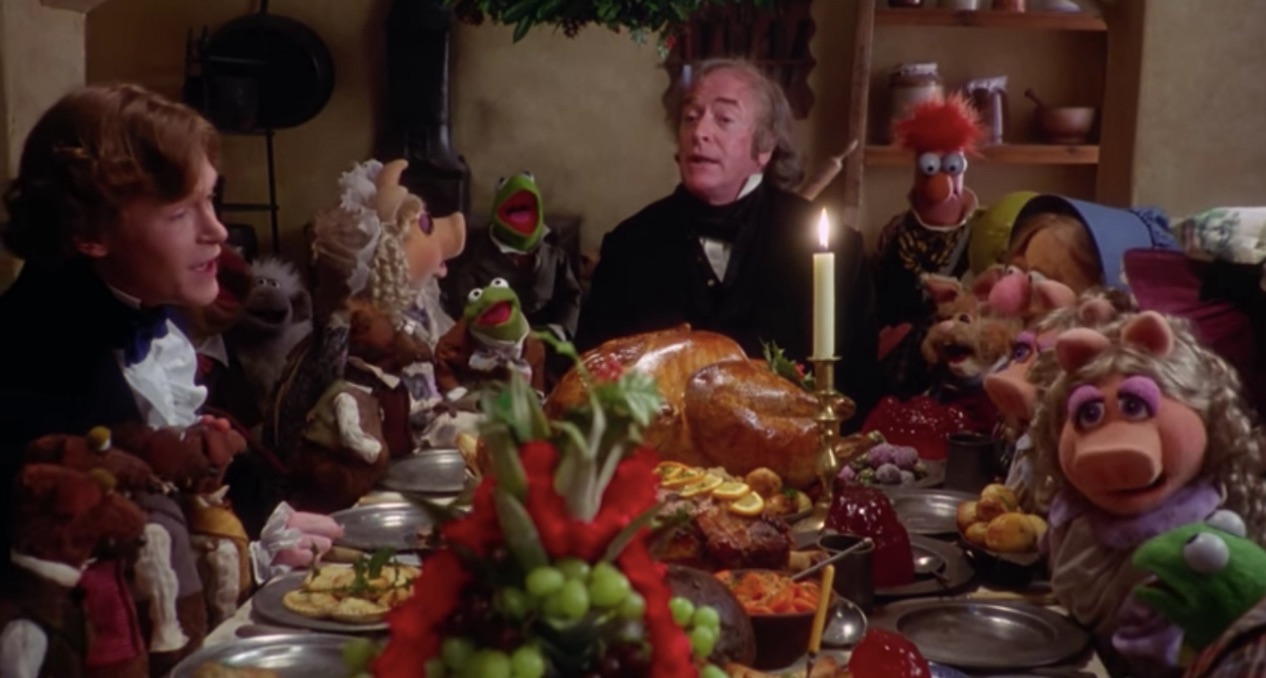
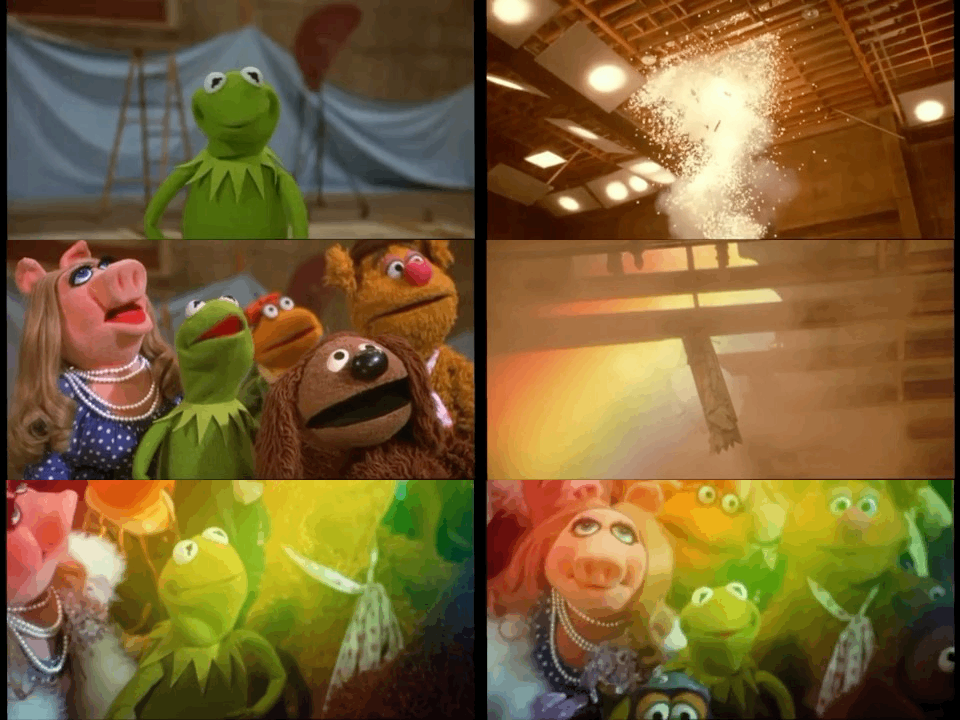
Kermit’s internal monologue takes center stage during a pivotal moment for the puppet in The Muppet Movie. Moments before Electric Mayhem strikes, the head frog faces an existential crisis. Contemplating his choices, and their impact on the people he brought along for the ride, Kermit begins to question his decision to leave the swamp. Was it a dream, or a lie? With the film being a representation of the efforts to get the Muppets to screen, this moment also commemorates a crucial moment in Henson’s early career.
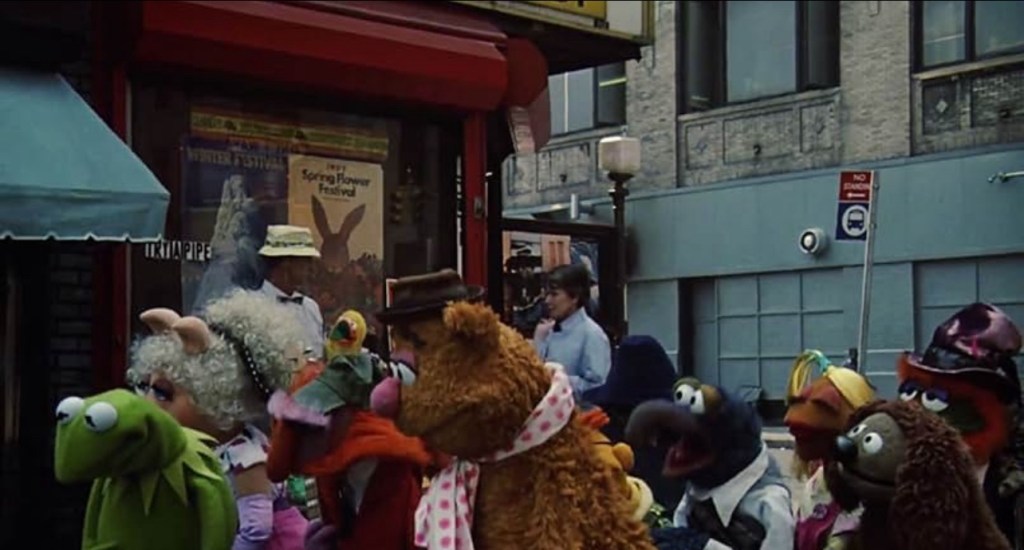
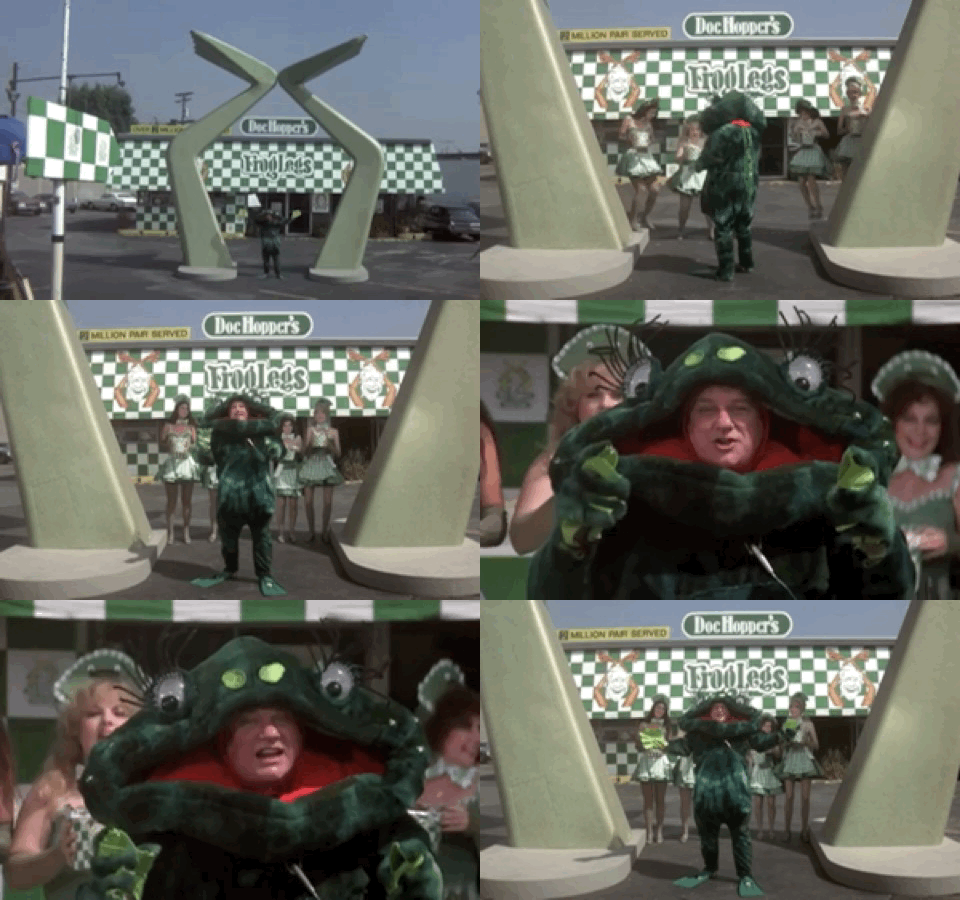
Kermit’s predicament presents a real life scenario we tend to forget or diminish about the pursuit of fame and following your dream. See Doc Hopper, like Kermit, Fozzie and yes Miss Piggy too all had a dream. The major difference is the restaurateur’s ambition only existed to ensure his own success. His interest in Kermit was selfishly based, only seeing the frog’s singing and dancing as a marketing strategy, more restaurants and money for his business. On the other hand, not only did Kermit view Hopper’s product as a conflict of interest – not to mention kinship – but by reducing the limits of his entertainment to commercialism. Essentially, like so many real life corporations and entities, all Hopper wanted was a mascot. He failed to consider how this arrangement denied Kermit’s potential.
This would be the case in the years leading up to the development of The Muppet Show. A trip to, that’s right, England, in 1958 erased Henson’s disillusionment about following his dream. Exposure to how influential puppets were, artistically and historically, outside of the United States helped remind Henson of his own ambitions. Viewed as virtual representations of humans, not only were marionettes used in Europe to tell religious tales like the Nativity, but puppets were a part of ceremonies in ancient Egypt and Greece not to mention in Taiwanese rituals for home protection. Puppetry parallels the 16th century Italian theater Commedia dell’arte utilization of spontaneity and “masks” to establish a character’s role in the performance. Upon graduating from University of Maryland with a degree in Home Economics, and on the verge of starting his own family, Henson’s skills were about to develop all the help he could imagine.
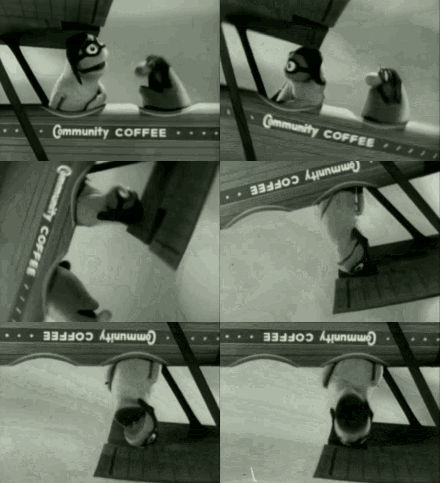
Based on the success of Sam and Friends, Henson segued from one type of television segment to another: guest appearances. As a handler, Jim found himself performing his puppetry on popular variety shows such as The Jack Paar Program. And in this period before encouraging us all to “be more tea”, the man behind Kermit developed a will or won’t relationship with coffee.
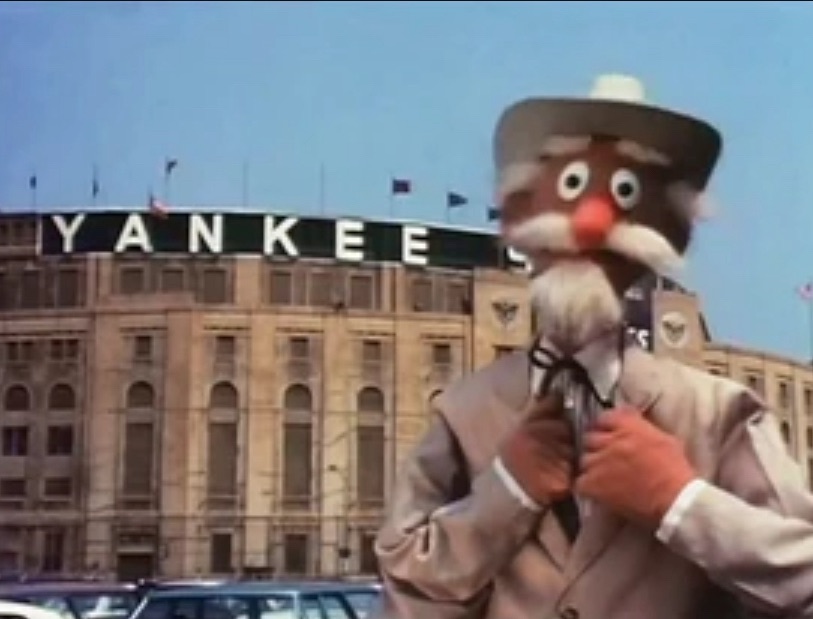
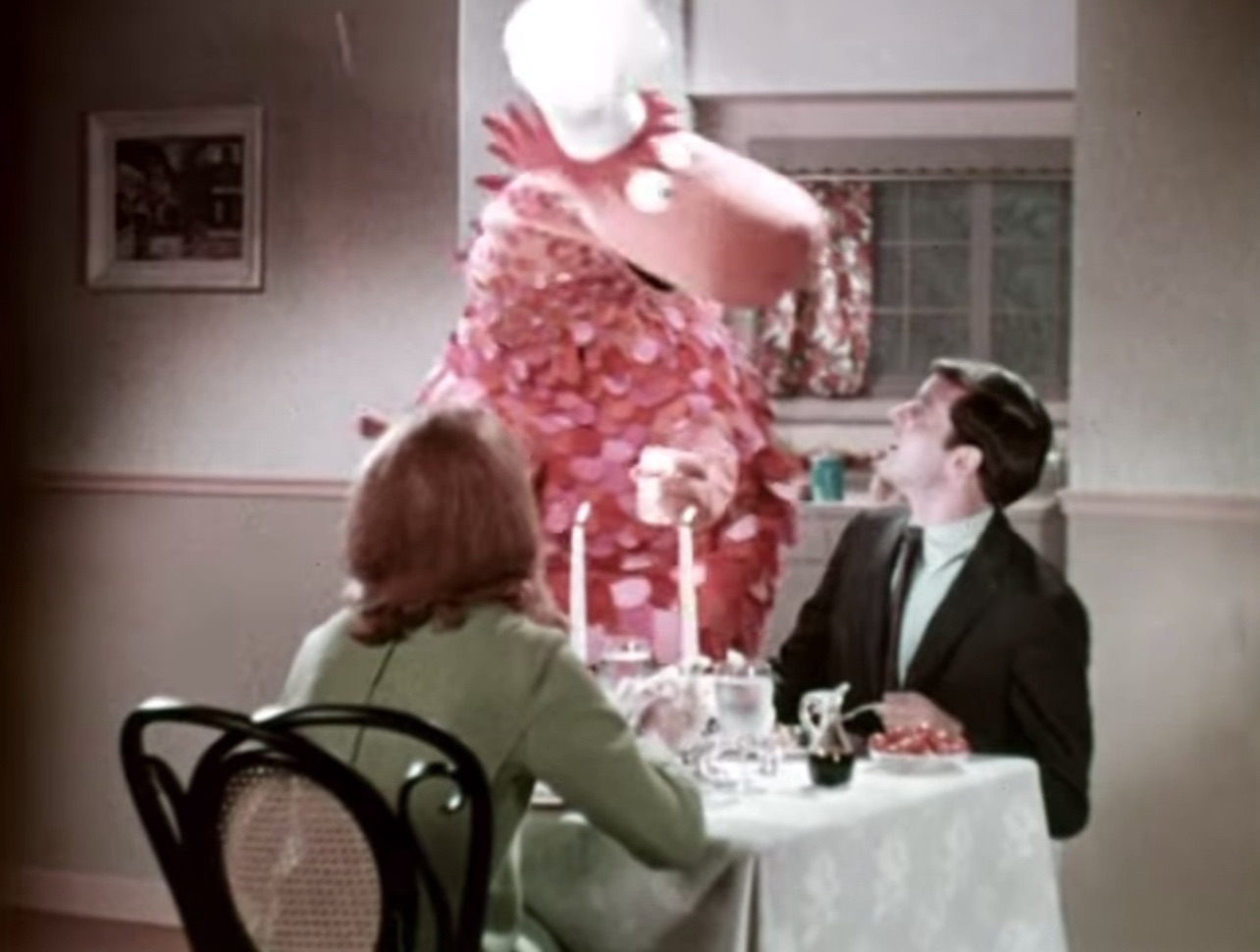
Recognizing the immense potential he held in his hand, on his way to making a star out of a tennis ball and old coat, Henson carved out a career as a mad man. One of his most notable sketches called “A Change of Face”, the presentation demonstrates an important portion of the puppet master’s creative process.
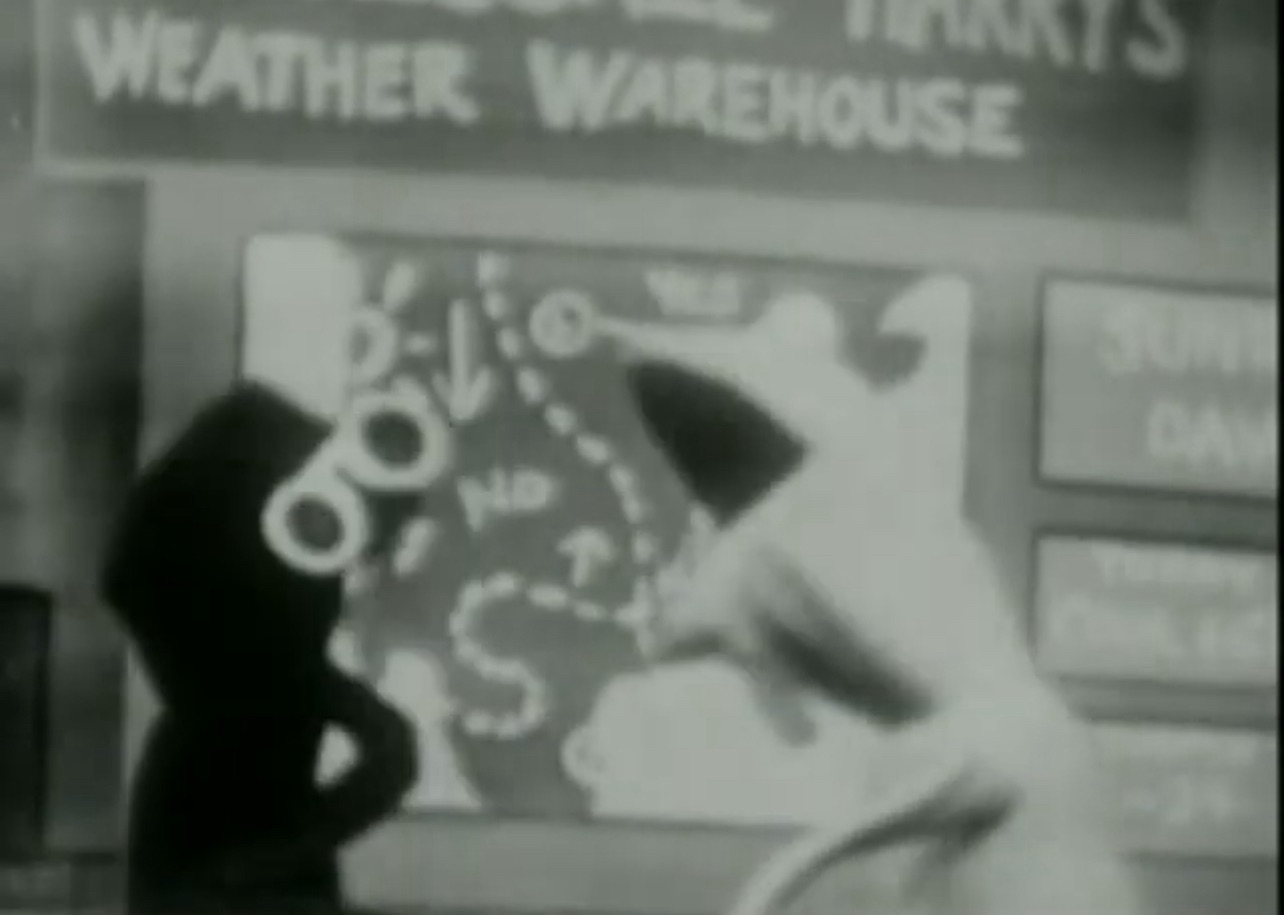

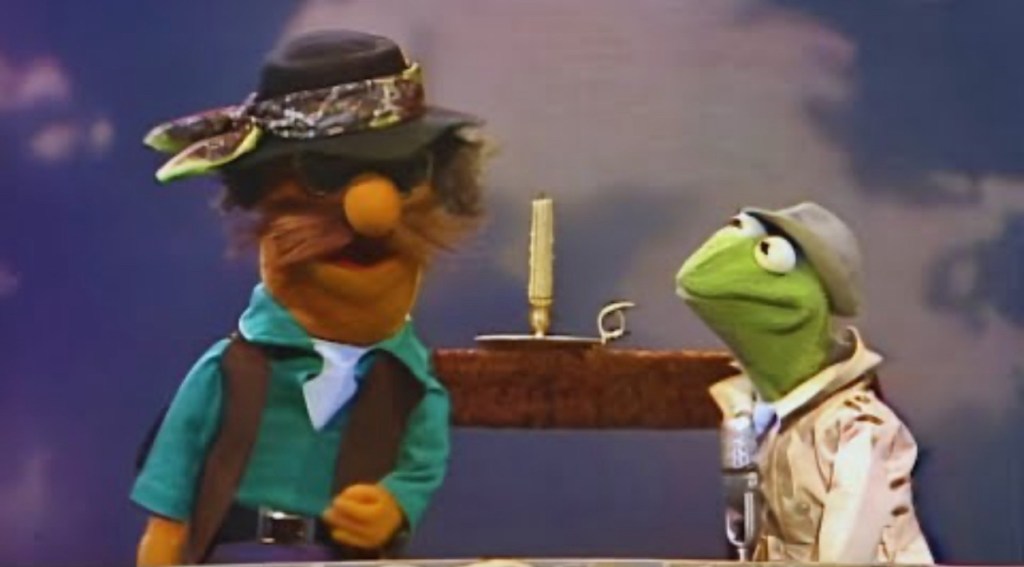
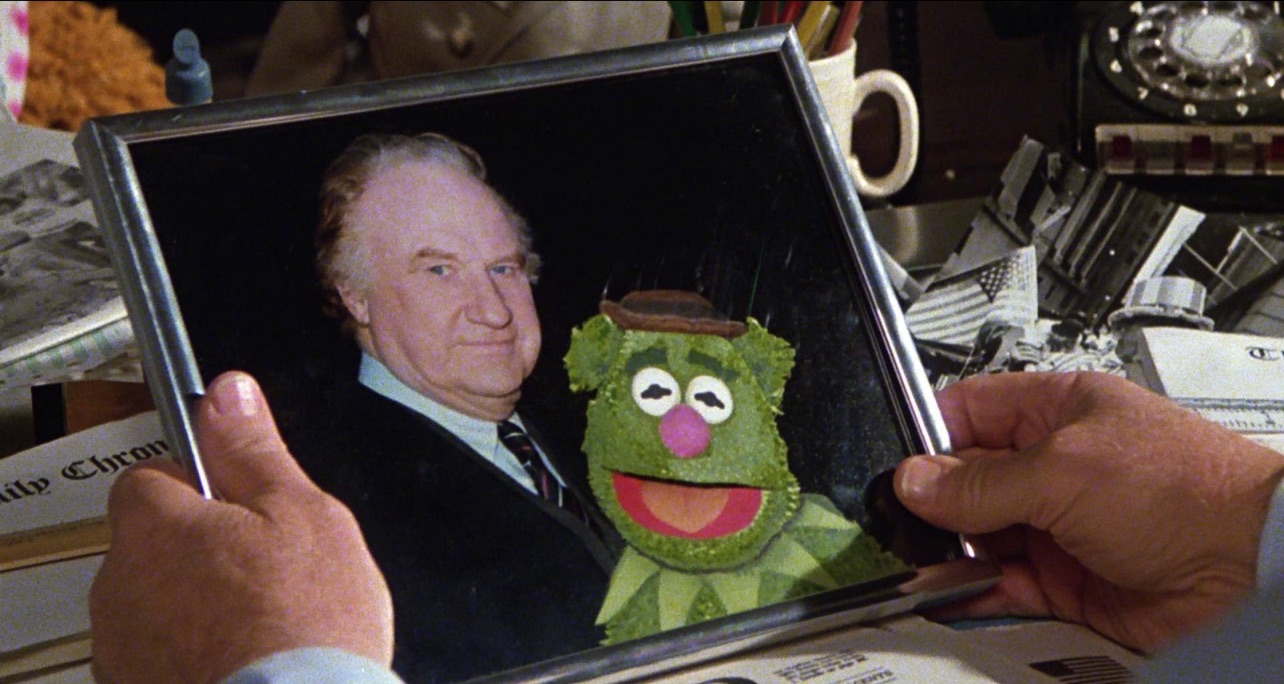
As divisive as the name The Southern Colonel sounds, the Muppet performer audiences met at the start of the skit, also happened to serve as the spokesperson for Southern Bread. This is important because without the ability to skip ads, early viewing audiences were left to the whims of whatever advertiser sponsored the show. For a creative individual like Henson, experienced at packing a lot of entertainment into a small space, commercials kept his career afloat and a chance to continue cultivating his craft. Sadly, Wilkins and Wontkins, like most of Sam and Friends, are seldom seen these days, but their advertising antics are imprinted on The Muppets.
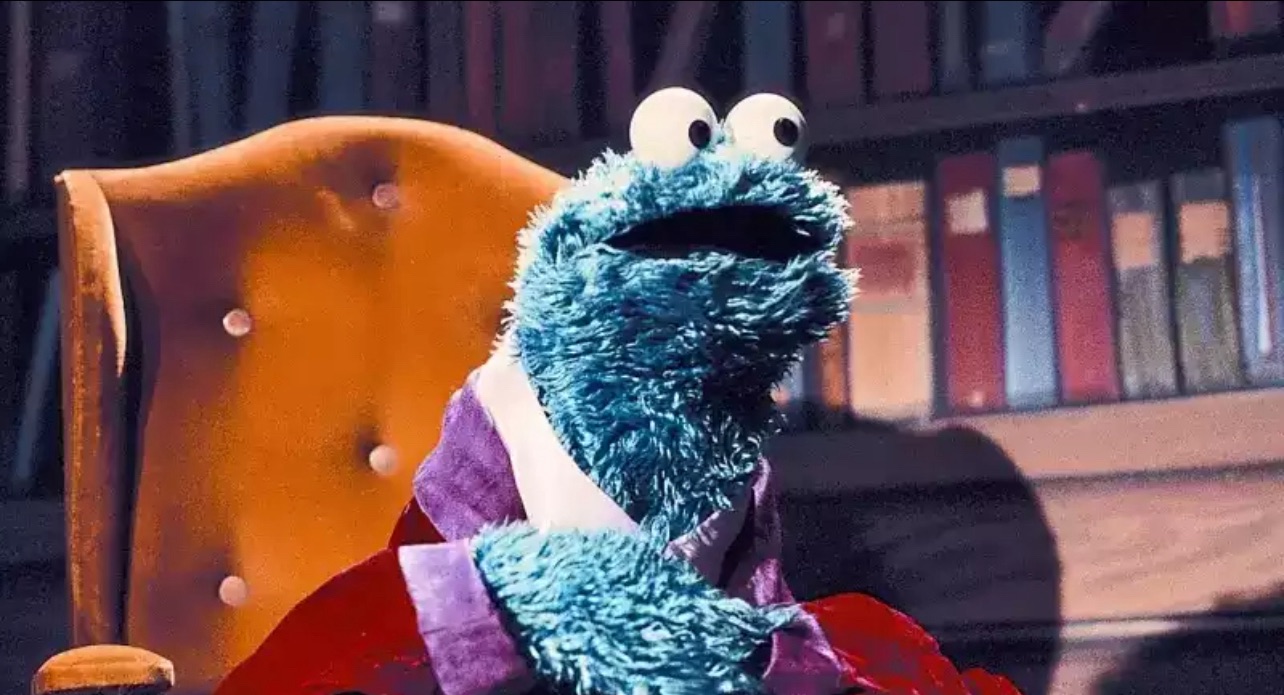
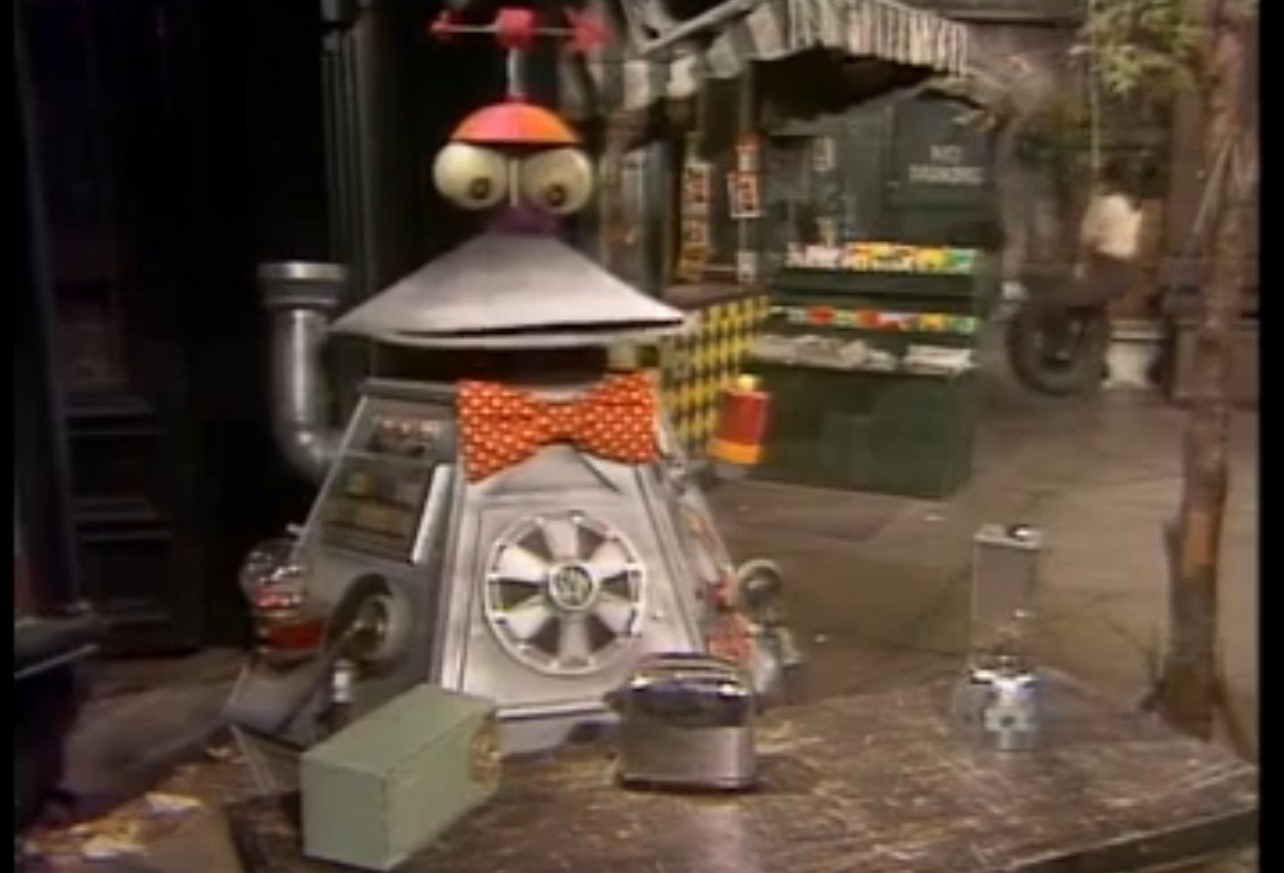
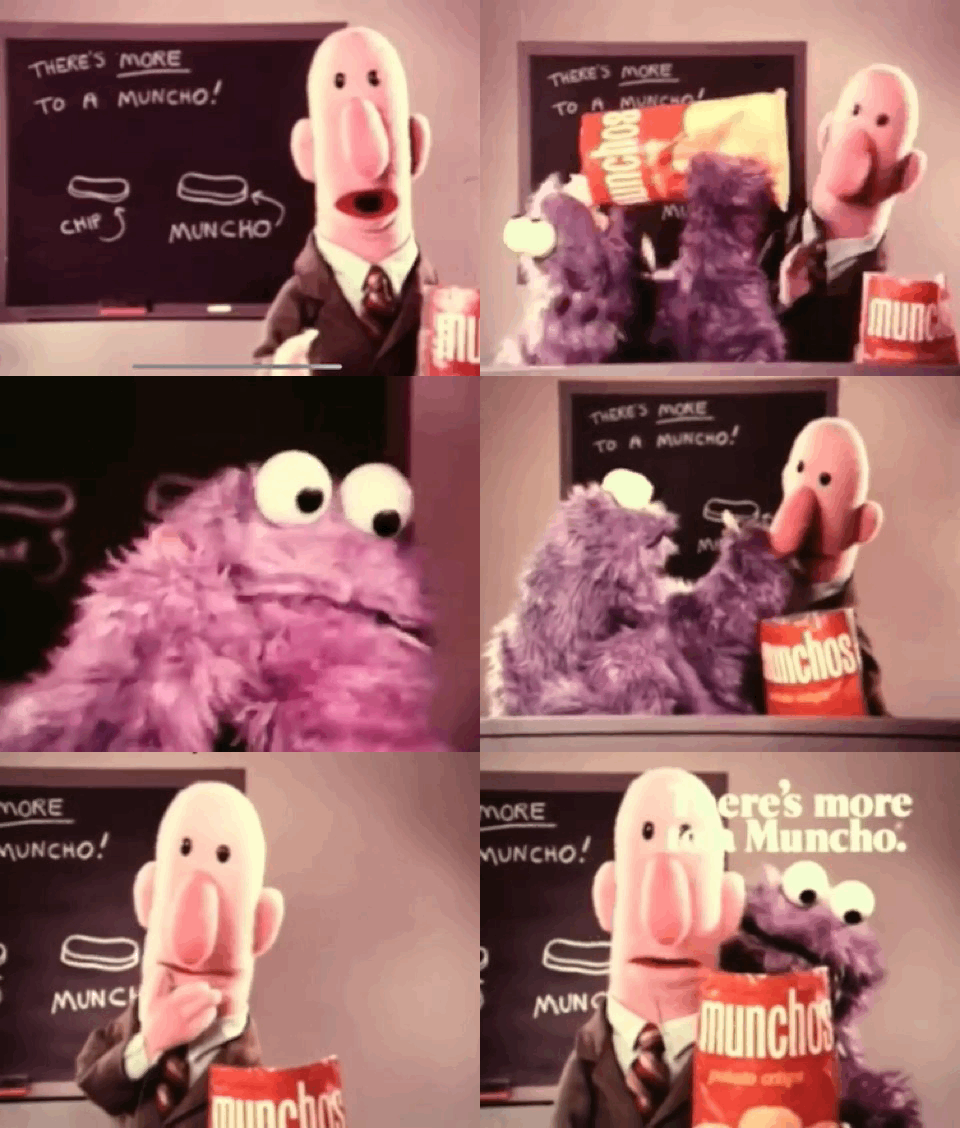
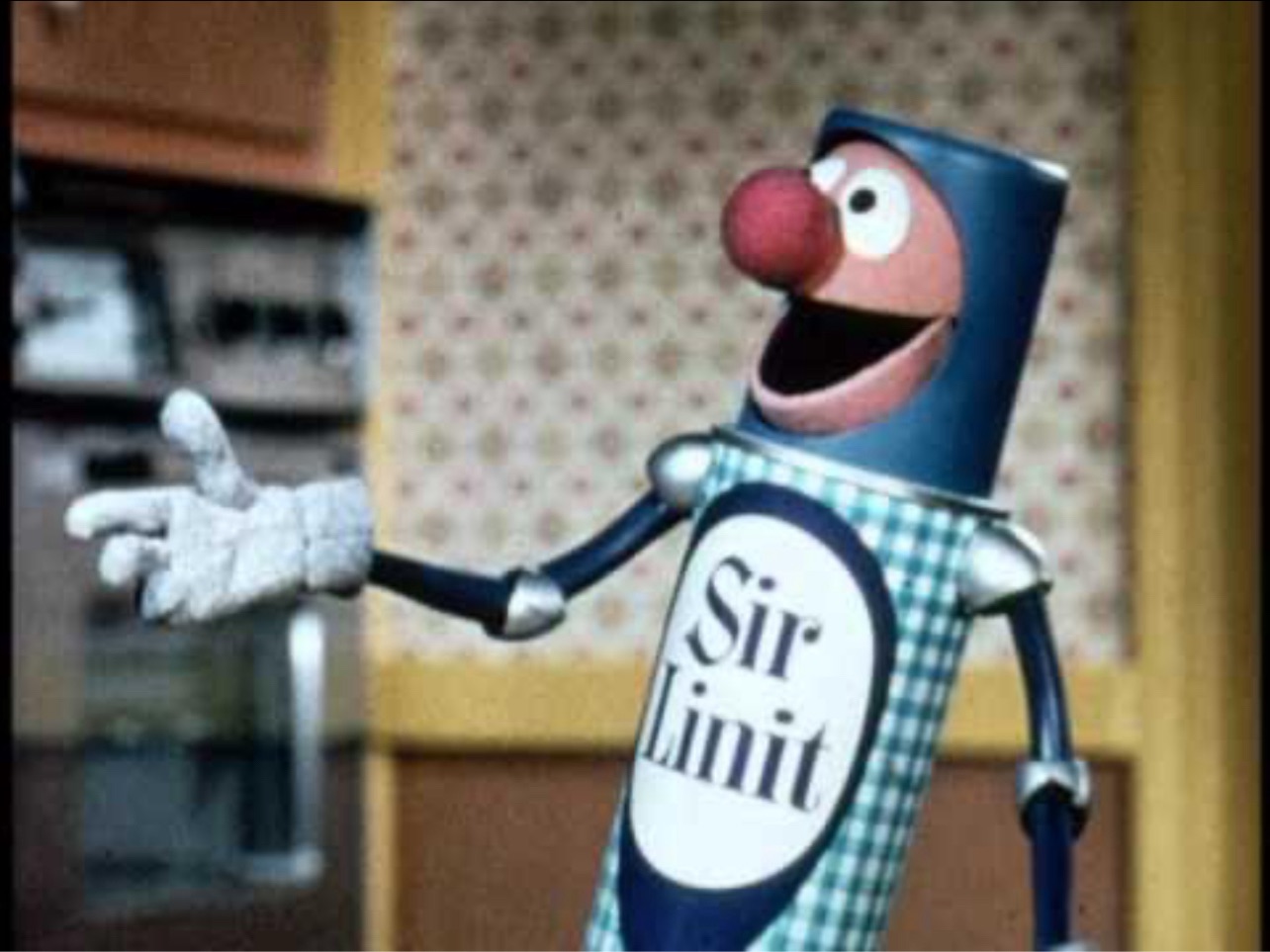
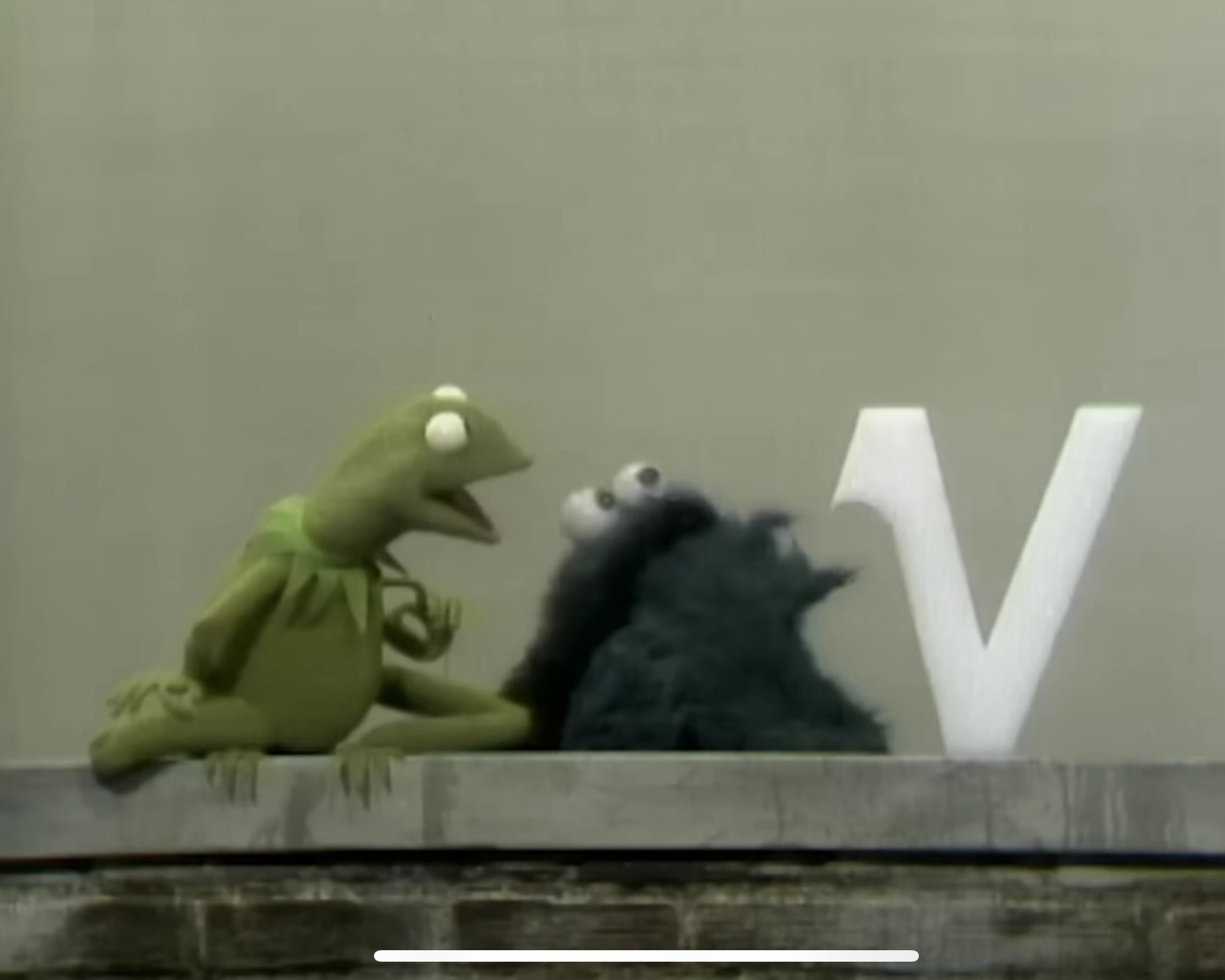
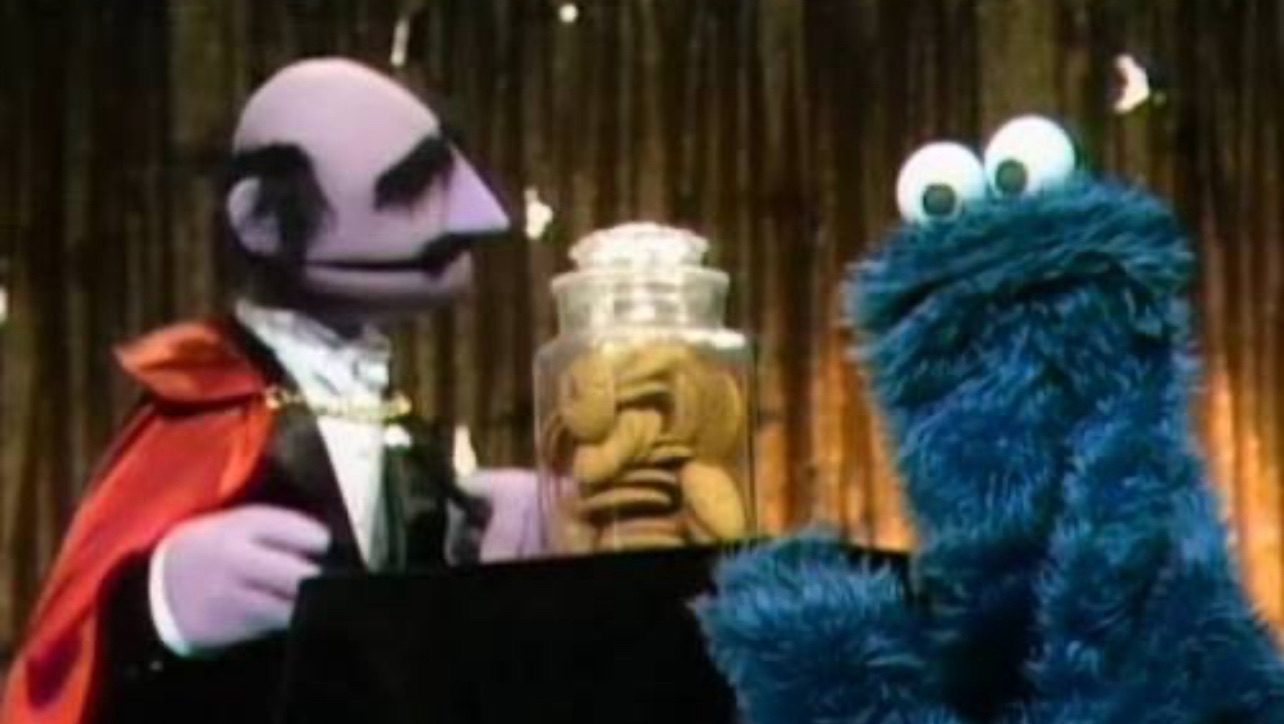
The idea that a puppet could do more than promote would lead to Henson’s move from marketer to educator. See, before cookies the letter C stood for chips with an early model of Sesame Street’s Cookie Monster consuming Frito Lay’s Munchos snack in a television spot. Fortunately, for all his commercial success Jim’s 1969 opportunity to partner with the nonprofit formerly known as The Children’s Television Workshop was priceless to pass up.
Until that point, most puppets and therefore the art of puppetry, was visibly stiff. Creations crafted out of hard materials, either carved from wood or molded from ivory or clay. While this made for durable puppets, it also limited their range of motion and emotion. By manufacturing his puppets out of softer materials like foam and denim, Henson could manipulate the puppet’s body and face in ways uncannily identical to humans.
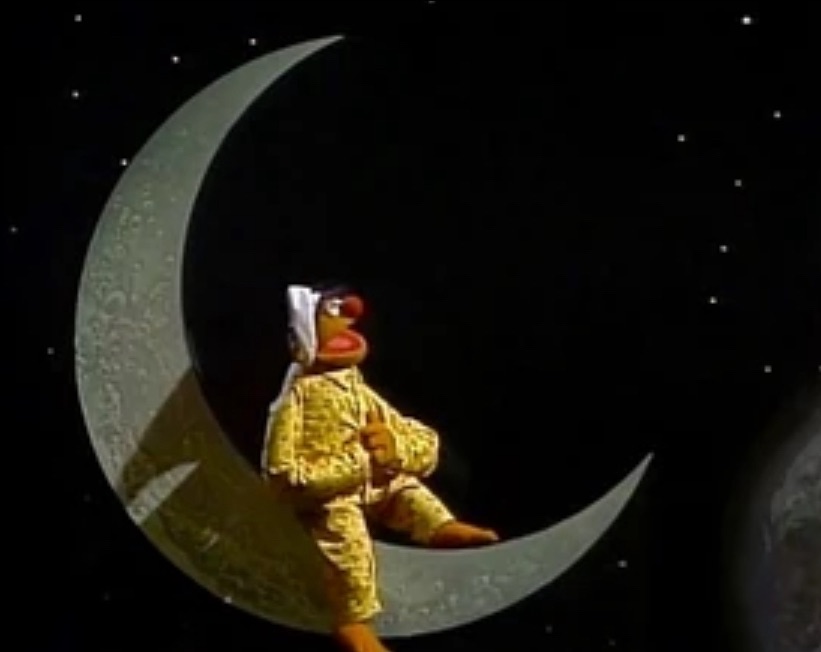
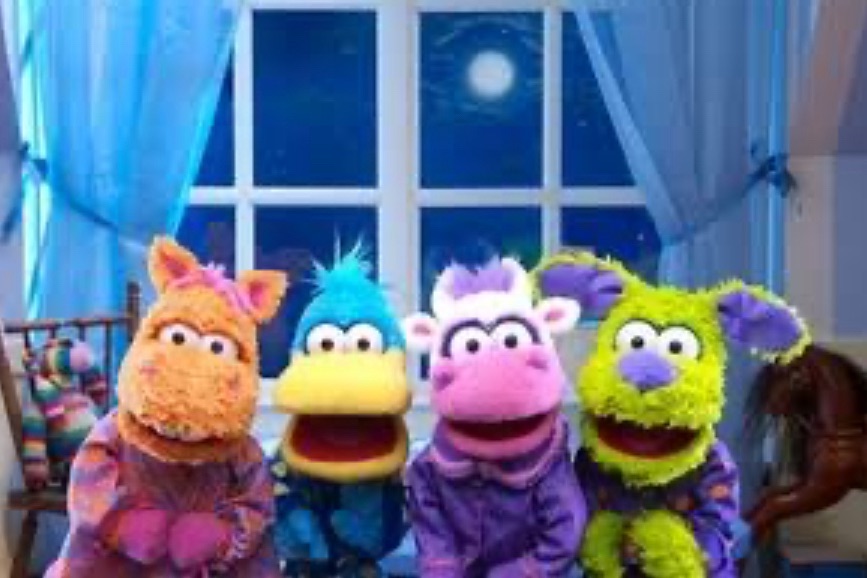
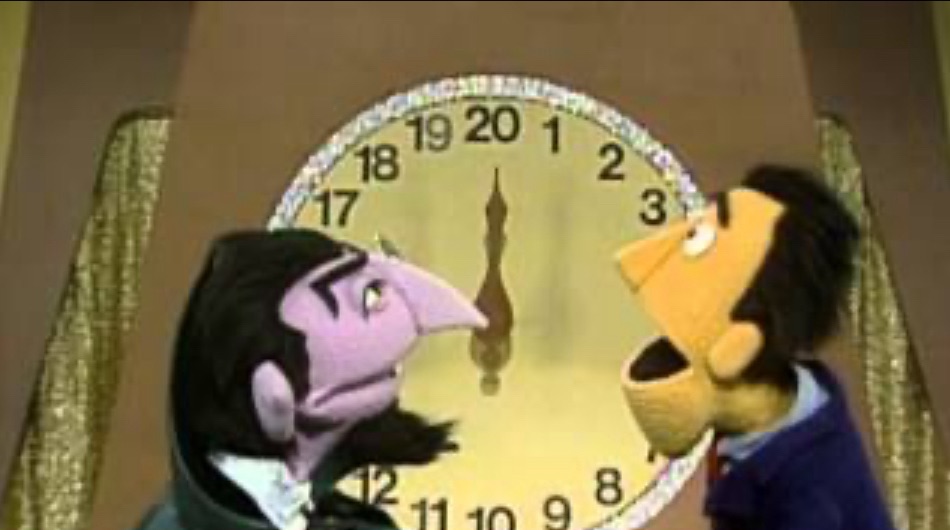
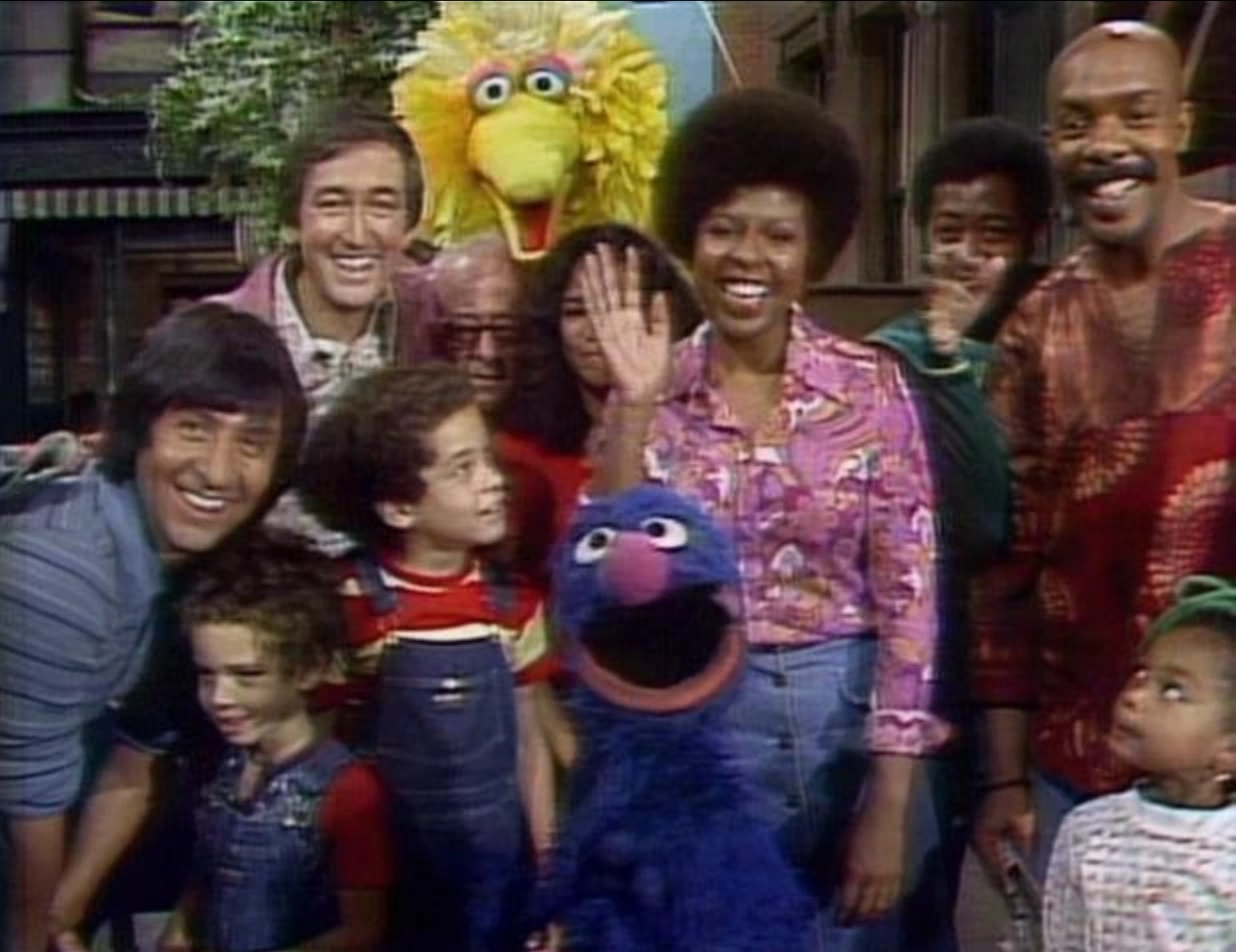
Opening Sesame Street to enrich us by simply showing all the people in the neighborhood.
More importantly, at least until recently, for children all across the world, Sesame Street helped the Henson legacy live on through the power that Muppets possess to provide lessons and create a lasting impression of the genuine goodness of humanity. So valuable were Henson’s initial characters to CTW’s strategy that an initial plan to separate the human portions from the puppet segments was quickly scrapped.
You Can’t Take No For An Answer
As one of the first places many of you reading experienced puppets, Sesame Street did a fabulous job exposing young viewers to all the art form encompasses. As previously stated, not all the puppets are controlled by a string. Meanwhile, marionettes aren’t the only alternative to the style of hand sock puppetry we frequently associate with Jim Henson’s characters.
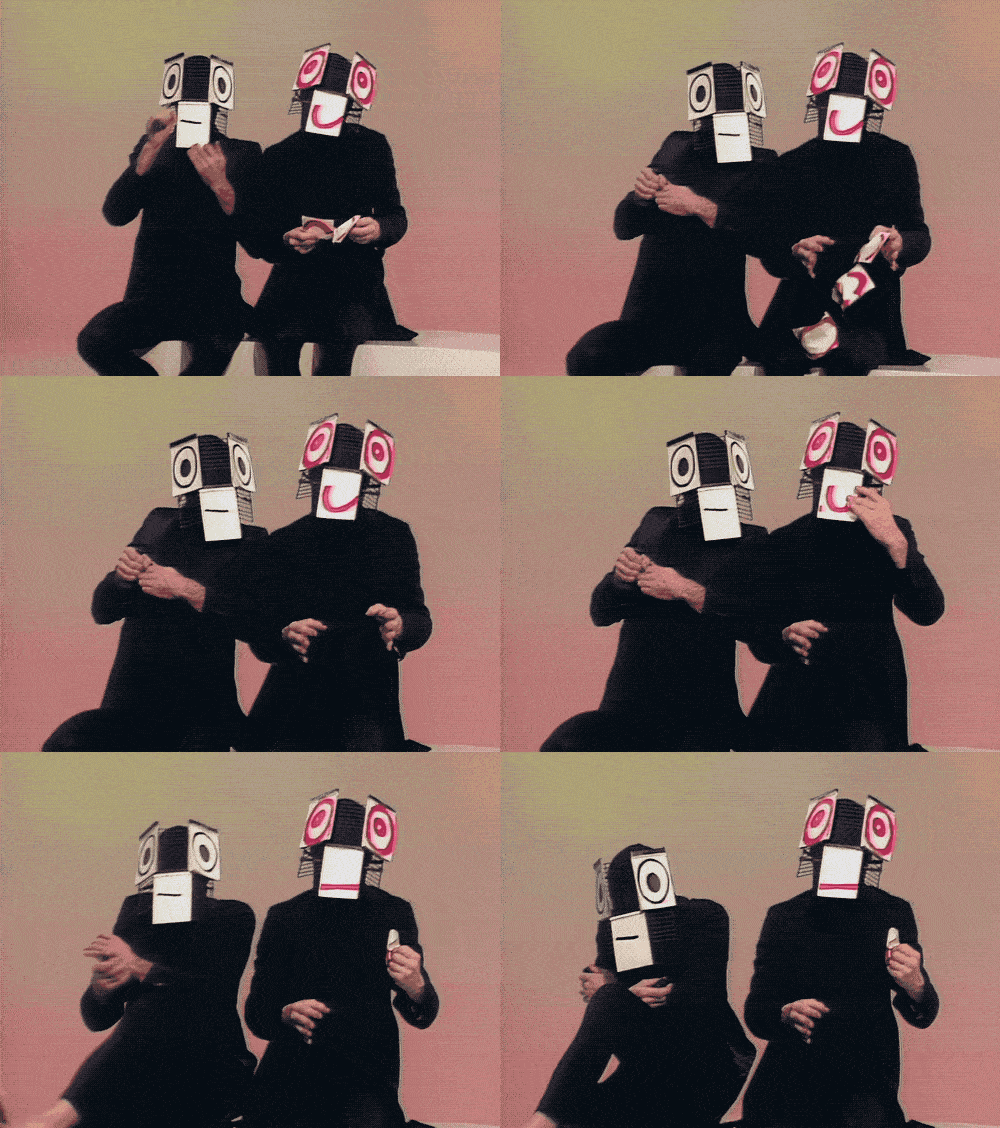
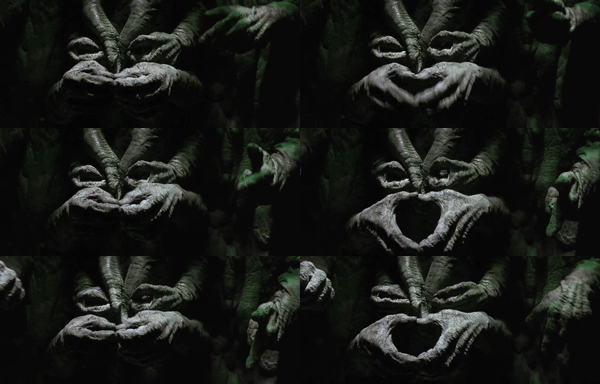
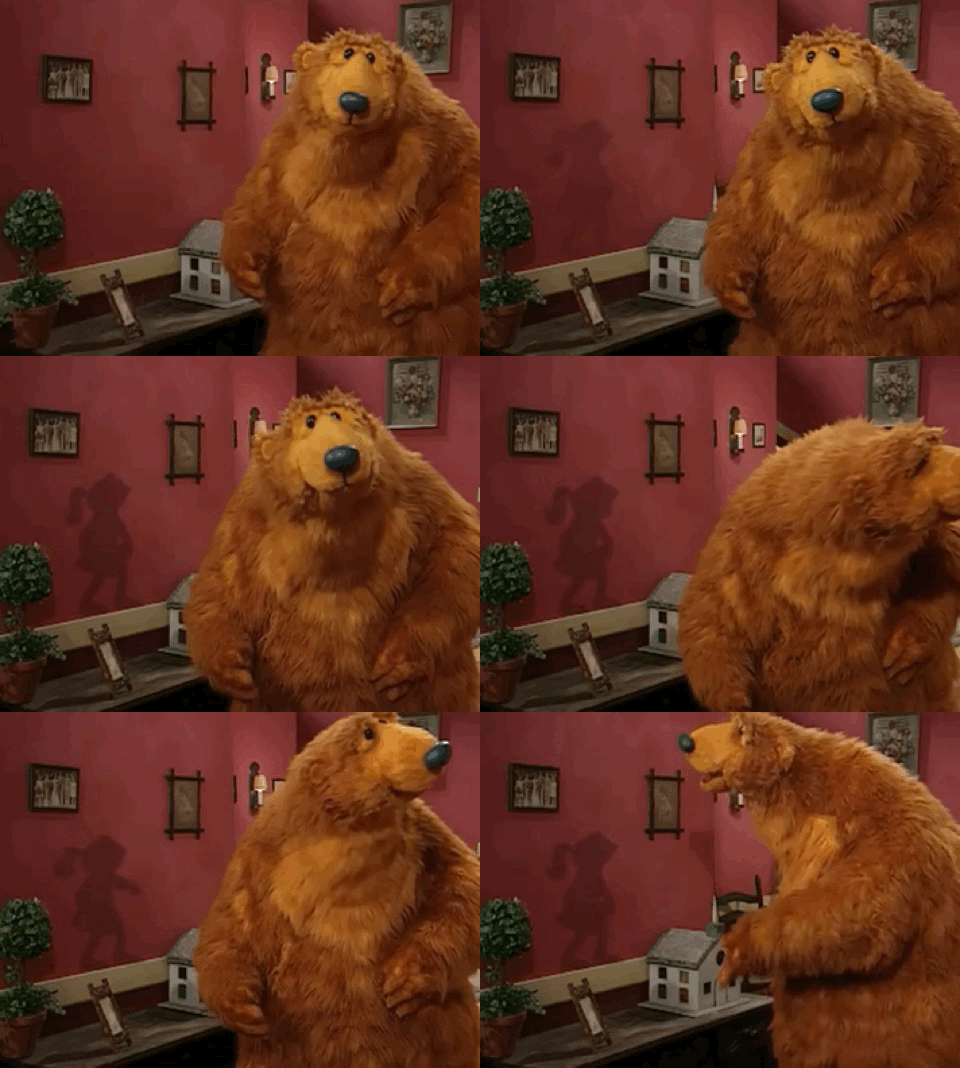
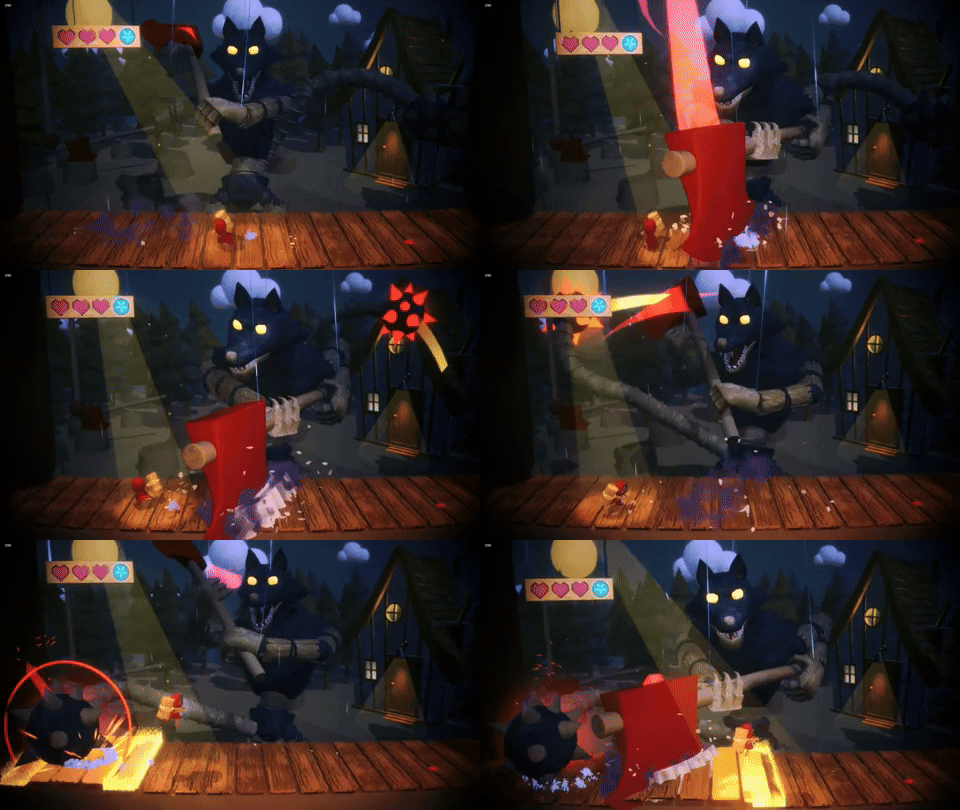
There is actual hand puppetry, meaning the puppeteer configure their hands and finges into shapes and even faces. This manner of puppety is often associated with the a style that can also use premade shapes to recreate anything – a nod to Plato’s Shadows on a Cave or even a bedroom wall. You could put on a show with a model theater and show your audience it’s a small world. Using cardboard cutouts to create the characters and scenery, the two dimensional, side-scroller video game Puppeteer is an electronic reinterpretation of the art form.
And while playing video games doesn’t quite qualify as puppet theater – or finger puppetry – the two types of entertainment for kids have more in common than the Waldo controller system that Henson used to animate both his physical and virtual creations.
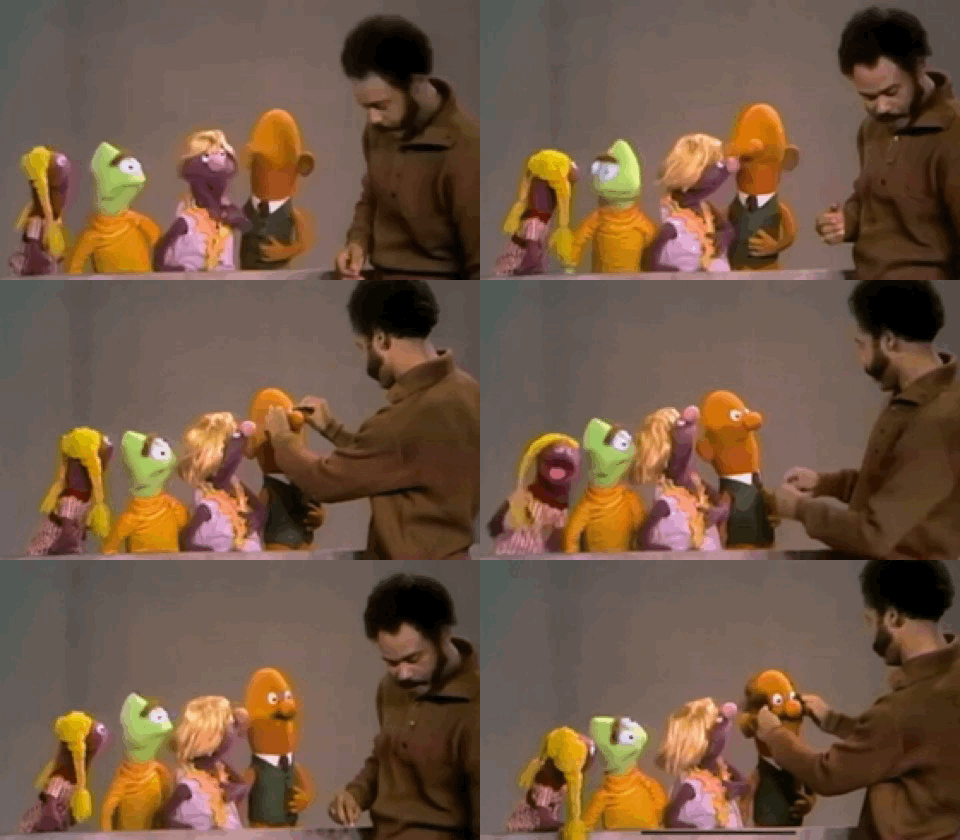
Any video game aficionado will see this next explanation as fairly easy. In the same manner that some RPG’s offer that over obsessive objective of character design, the performers on both Sesame Street and The Muppets underwent a “change in face” depending on the segment they were set to shoot. Basically Henson or another Henson Company creator begins with a blank slate, or whatever puppet color and shape they needed before adding eyes, noses and in some cases tails. Known as WhatNots on Sesame Street, these puppets were known as Anything Muppets on The Muppets. Another classification, AM monsters or Anything Muppet monsters, was used to distinguish the WhatNots puppet body and head from some of the more furrier and fuzzier forms used on Sesame Street. This is why it felt like the carousel of Muppets was never ending.
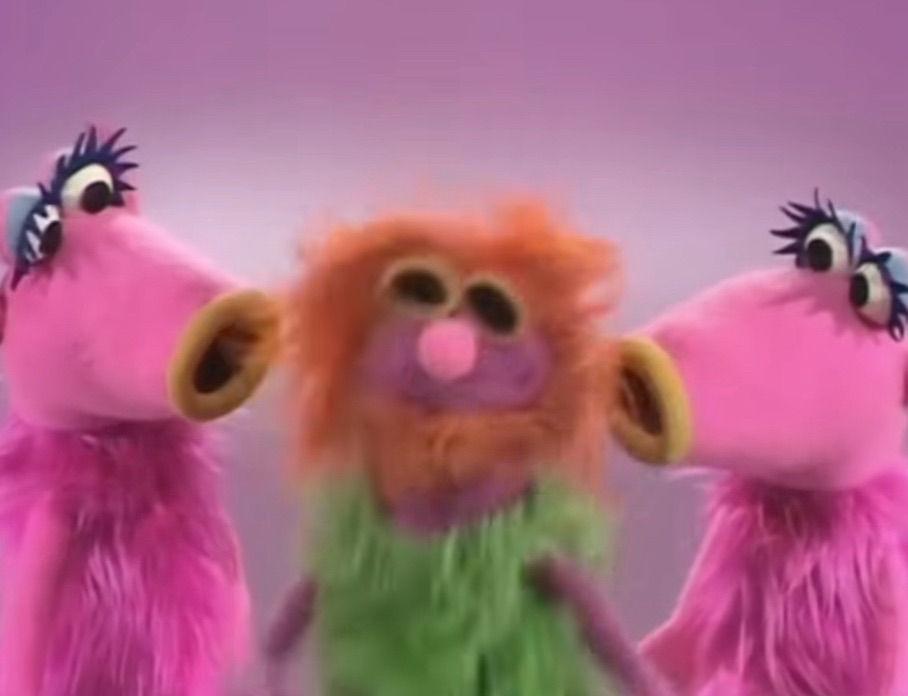
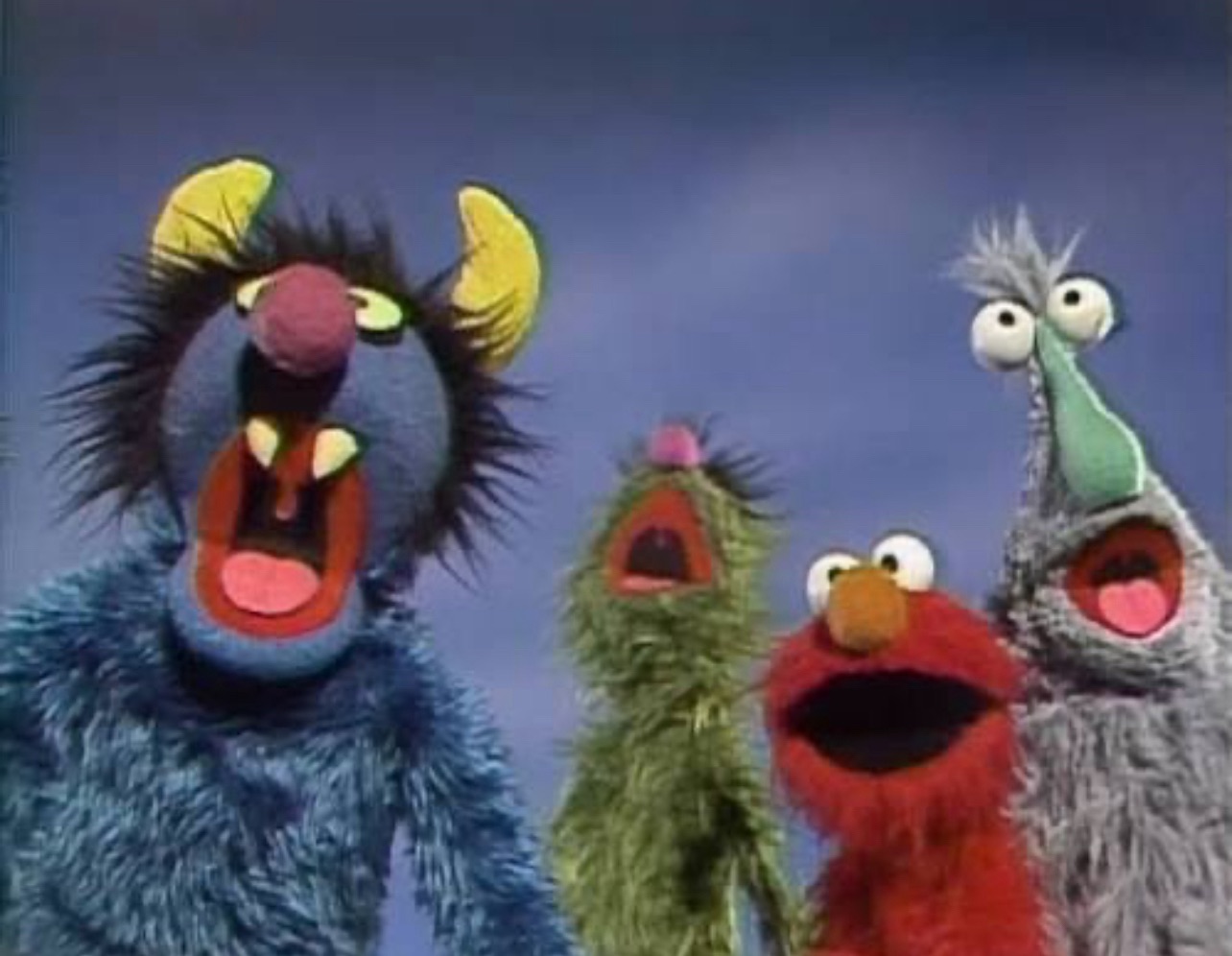
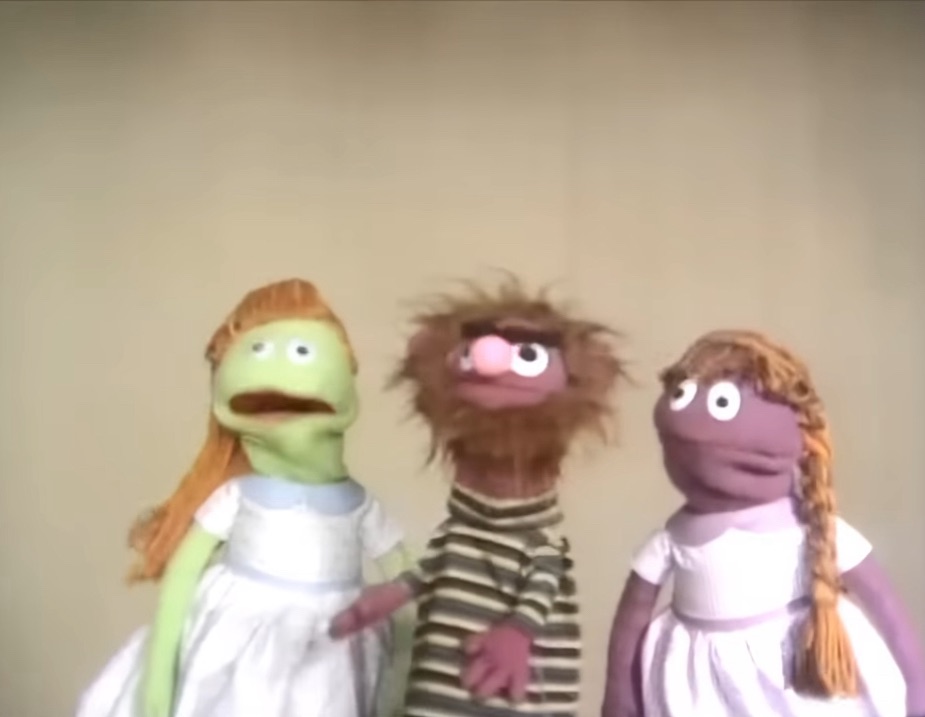
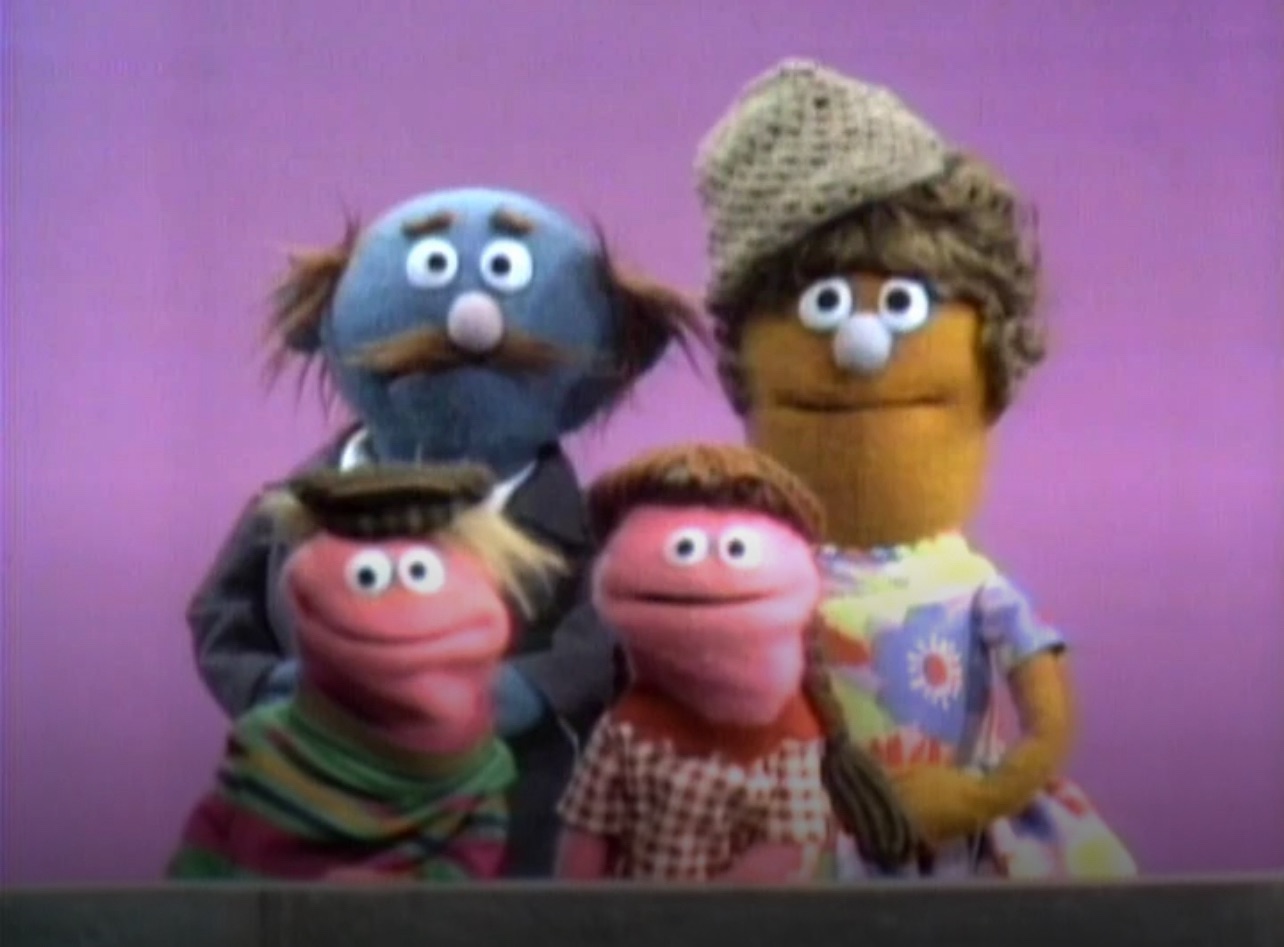
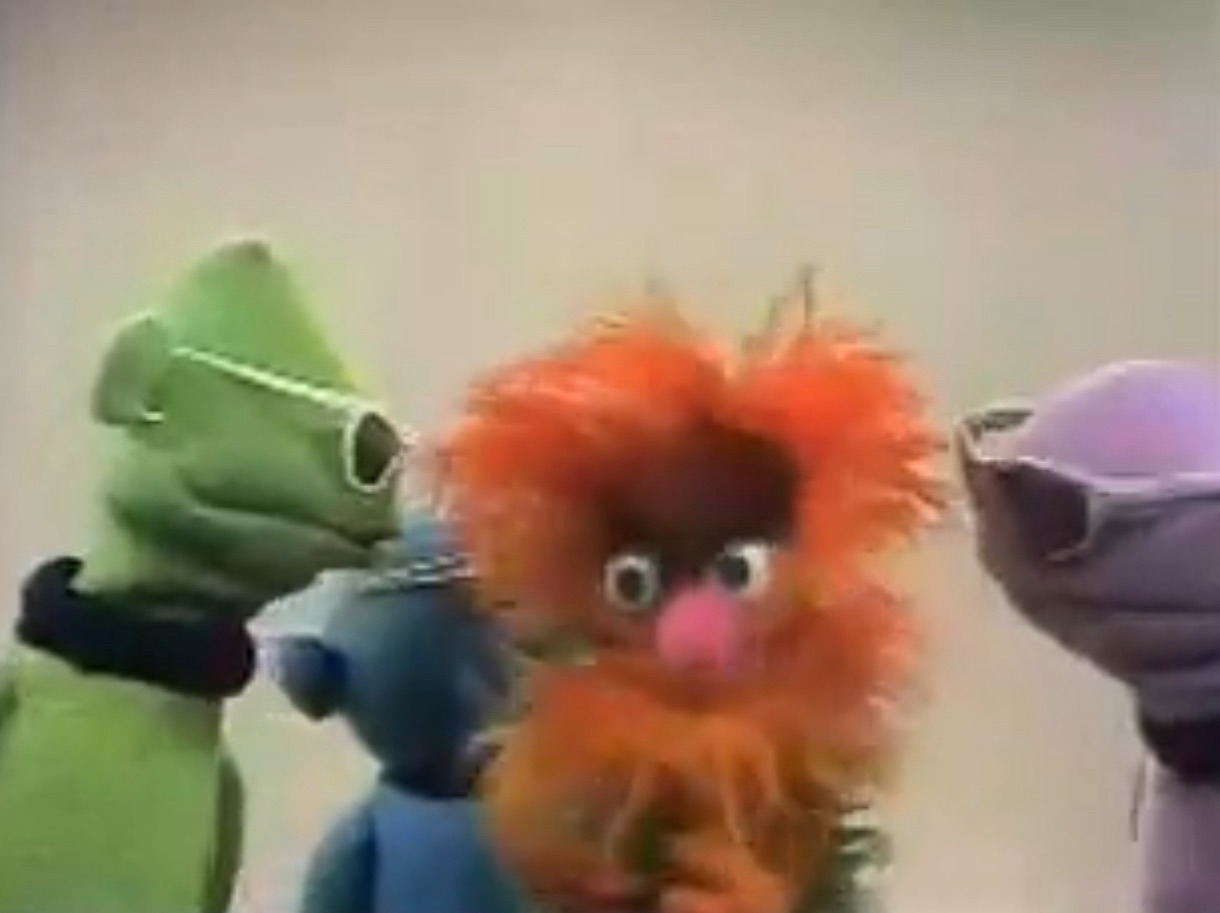
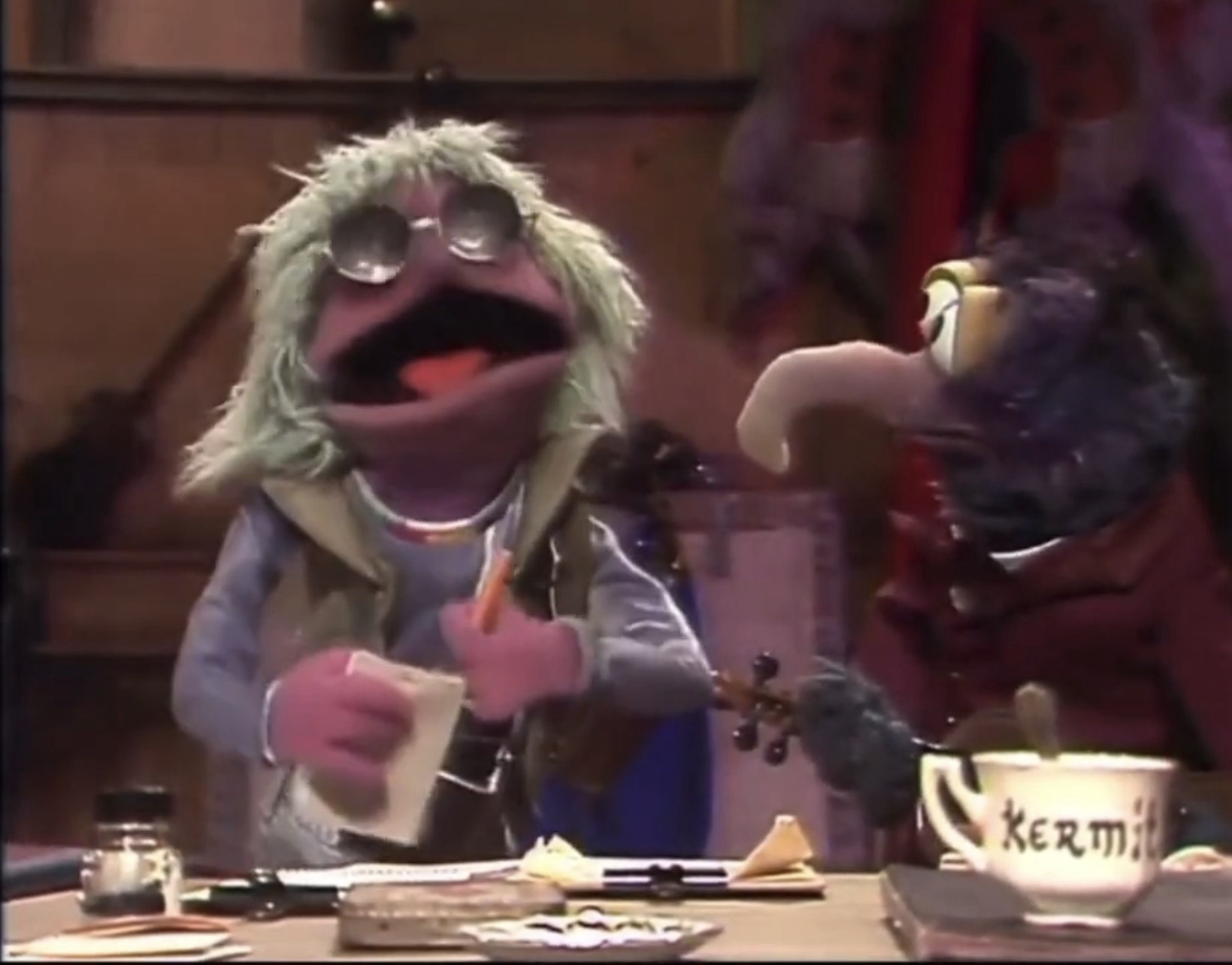
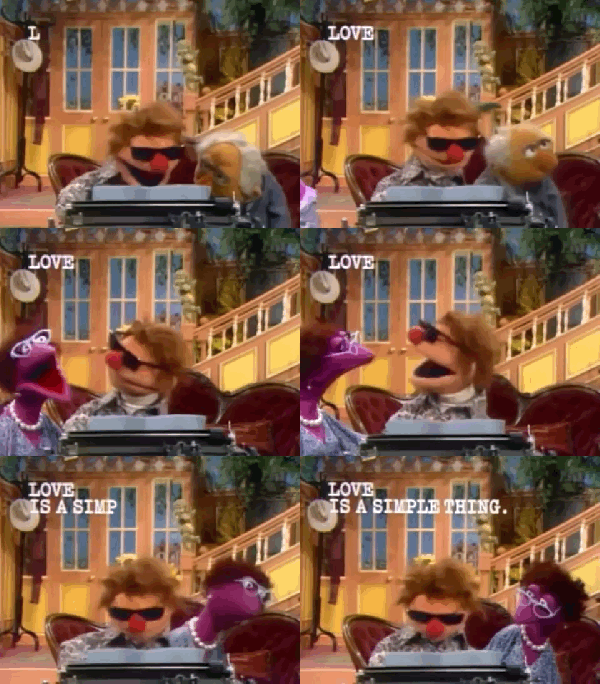
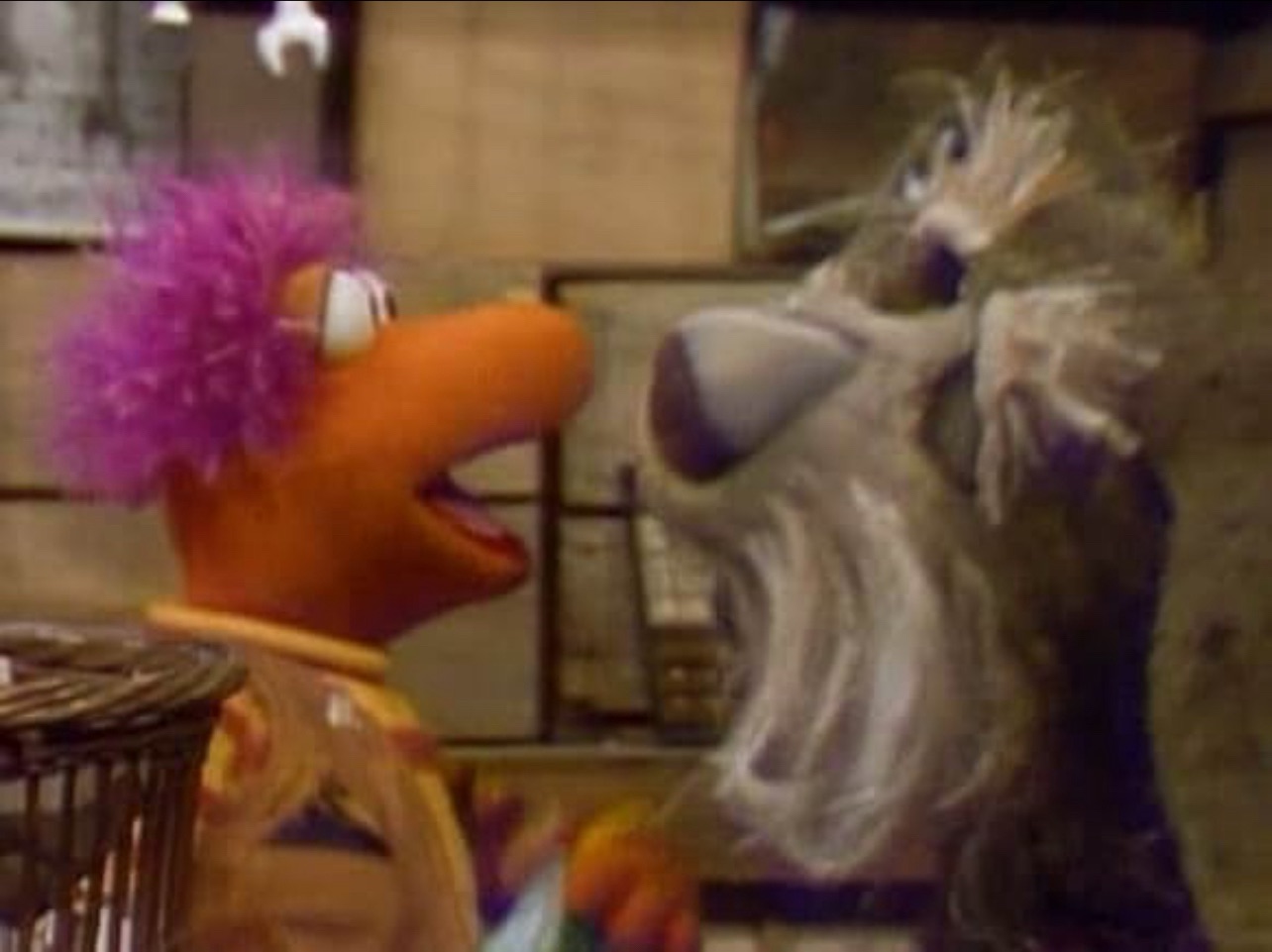
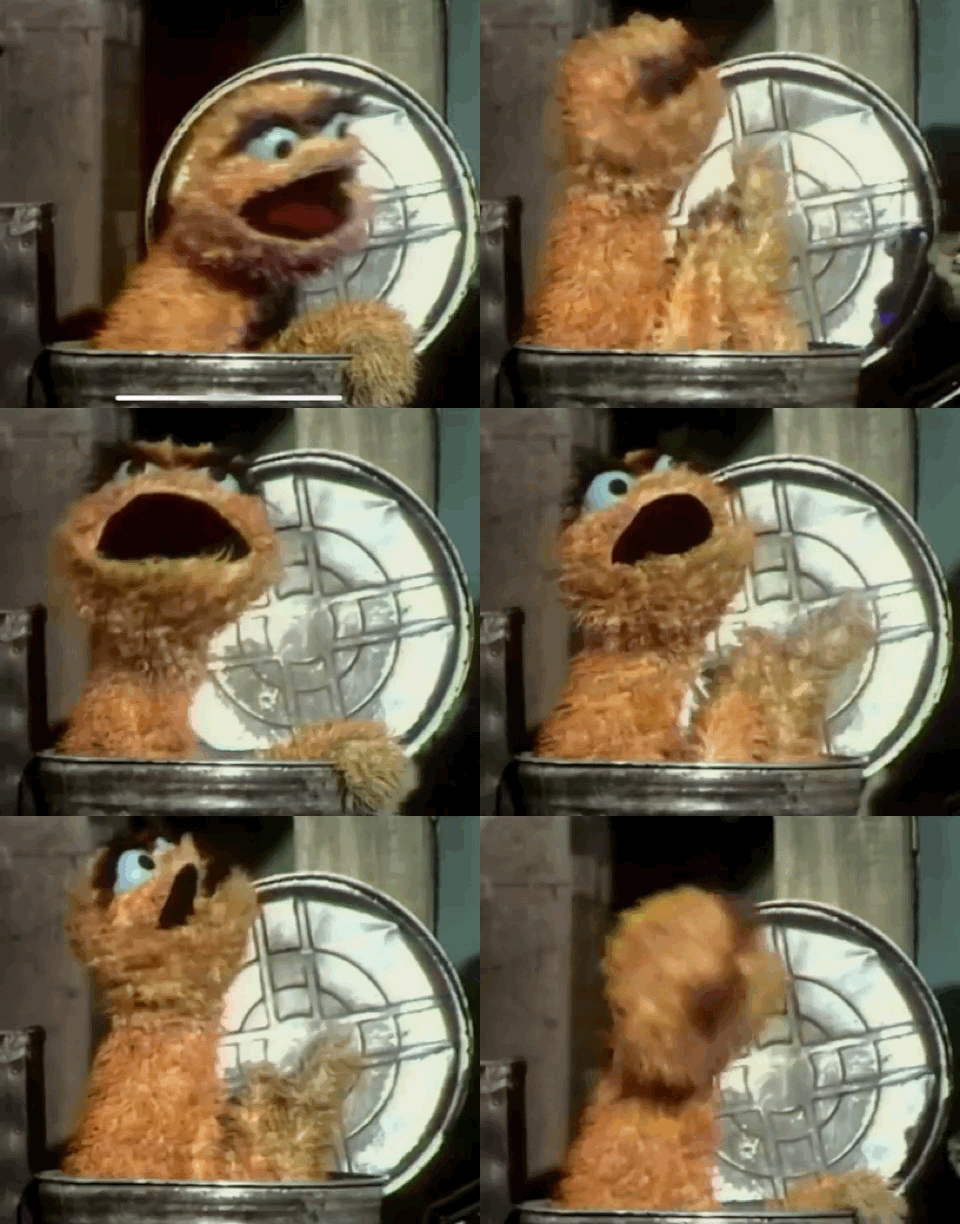
It also reinforces how every muppet is unique. With the exception of Kermit, no Henson character was required to work on both shows. Even when a sketch worked so well that Henson couldn’t resist using the routine routinely. Take a muppet who got their start on The Ed Sullivan Show. Mahna Mahna, accompanied by two Swoths, made beautiful music with the song that phonetically says his name. If you know the song, but don’t remember the singer having orange hair or a purple tone, there is a good explanation. Over on Sesame Street, where the song was performed, two female WhatNots served as backups when Bip Bippadotta sang Mah Na Mah Na. His image would evolve over the years, however, the riffing shaggy muppet that interrupts the three WhatNots shouting about the ball on the tall wall fall in a hall during the Fat Cat scat on Sesame Street never became a complete recreation of the original.
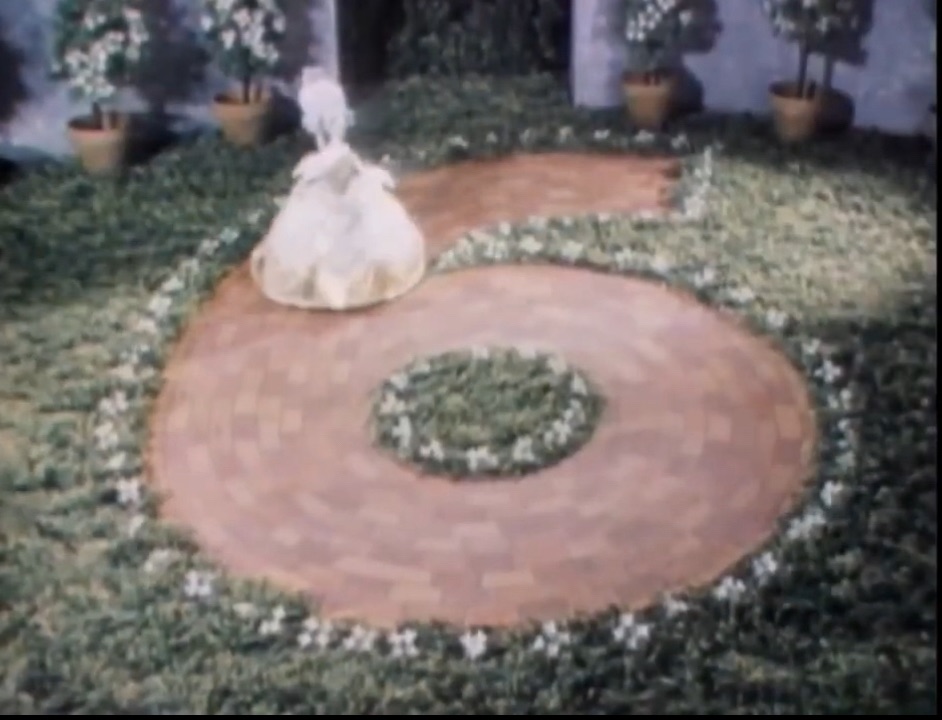
Now some time between Sam and Friends and Sesame Street, Kermit magically turned into a Frog. Fresh from Muppet News interviews with Jack Be Nimble and The Cow That Jumped over the Moon, a detour in Storyland led to roles starring in The Frog Prince, Hey! Cinderella and The Muppet Musicians of Bremen. Each of these appearances offer at least one sequence that was only possible with marionette strings. And in subsequent Henson productions Emmet Otter’s Jug-Band Christmas Jug Band and The Tale of the Bunny Picnic would too.
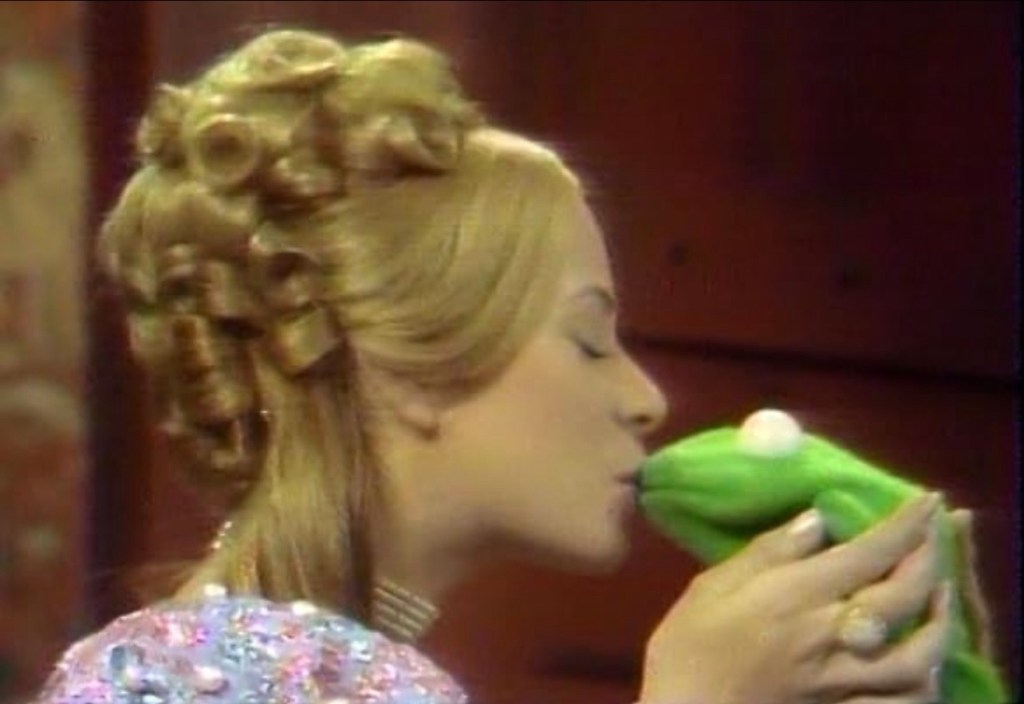
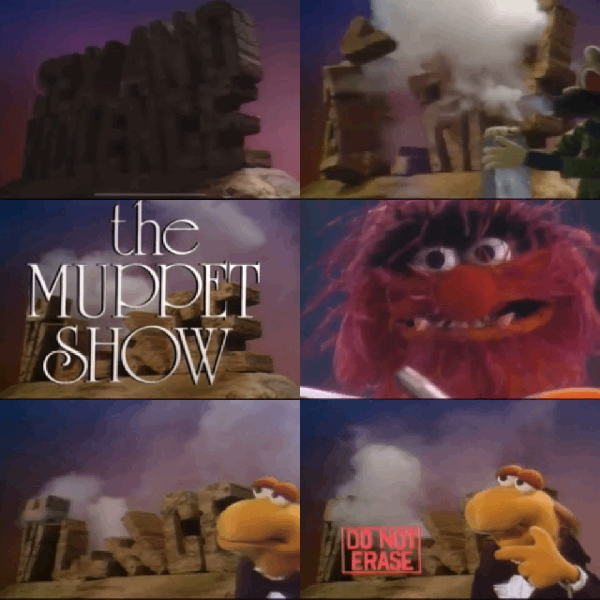
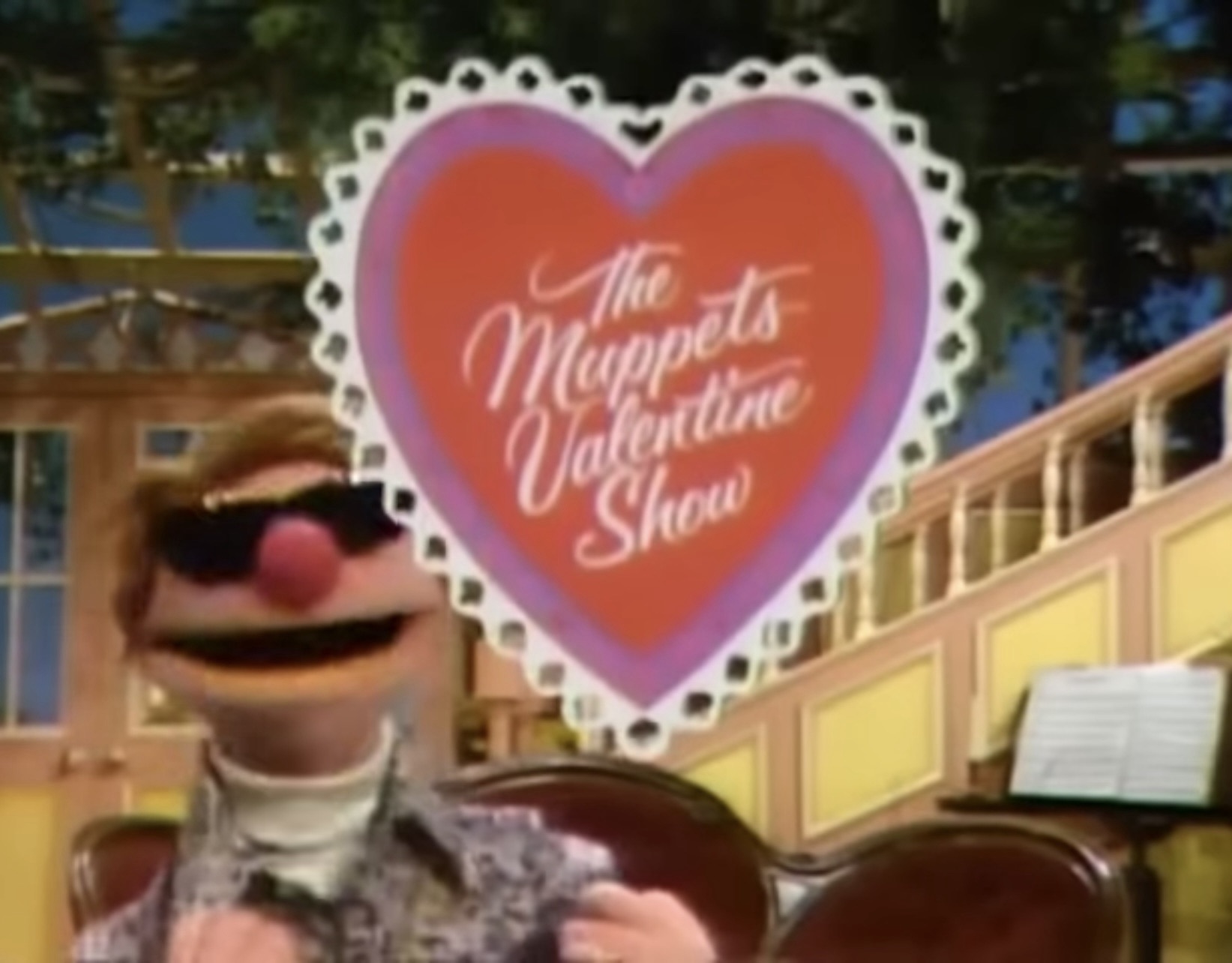
This is but one of several cinematic tricks – along with chroma puppeteers and “stooled” muppets – employed during filming. Similar to how in certain light the wires seemed virtually invisible, helping the puppeteers remain unseen. Maintaining the illusion the puppets moved autonomously. After The Muppets Valentine Show and The Muppet Show: Sex and Violence failed to impress executives at ABC, Henson moved his creative team to England’s Elstree Studio to start shooting and the first episode aired on September 5th, 1976.
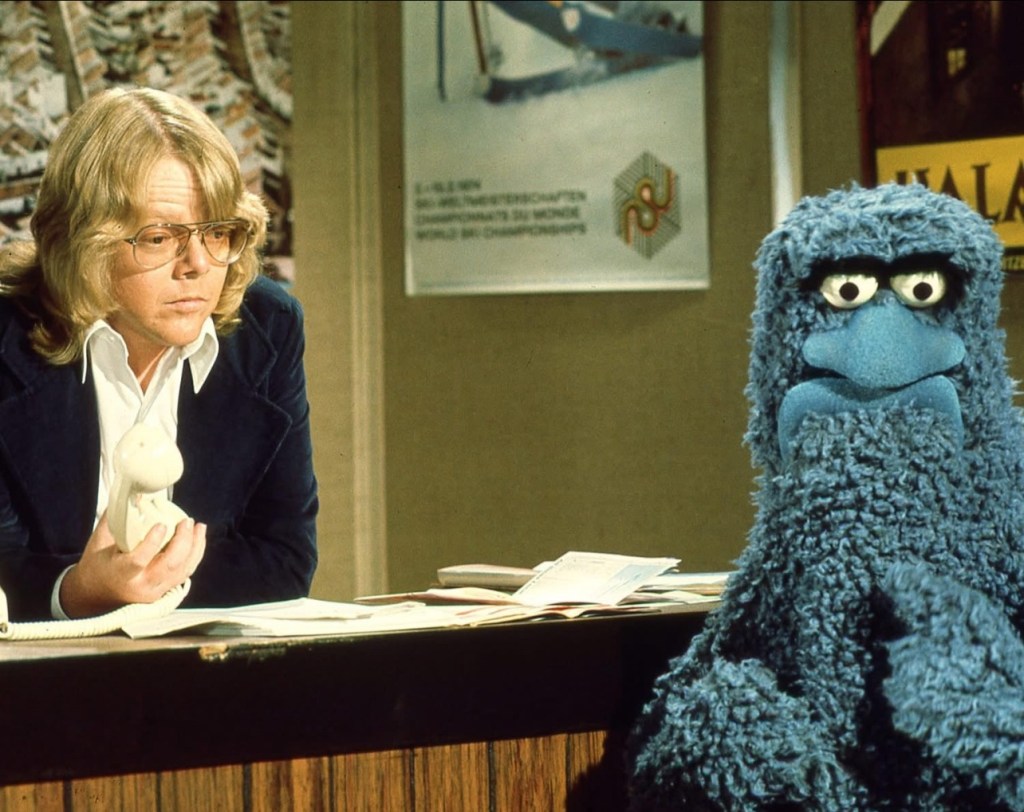
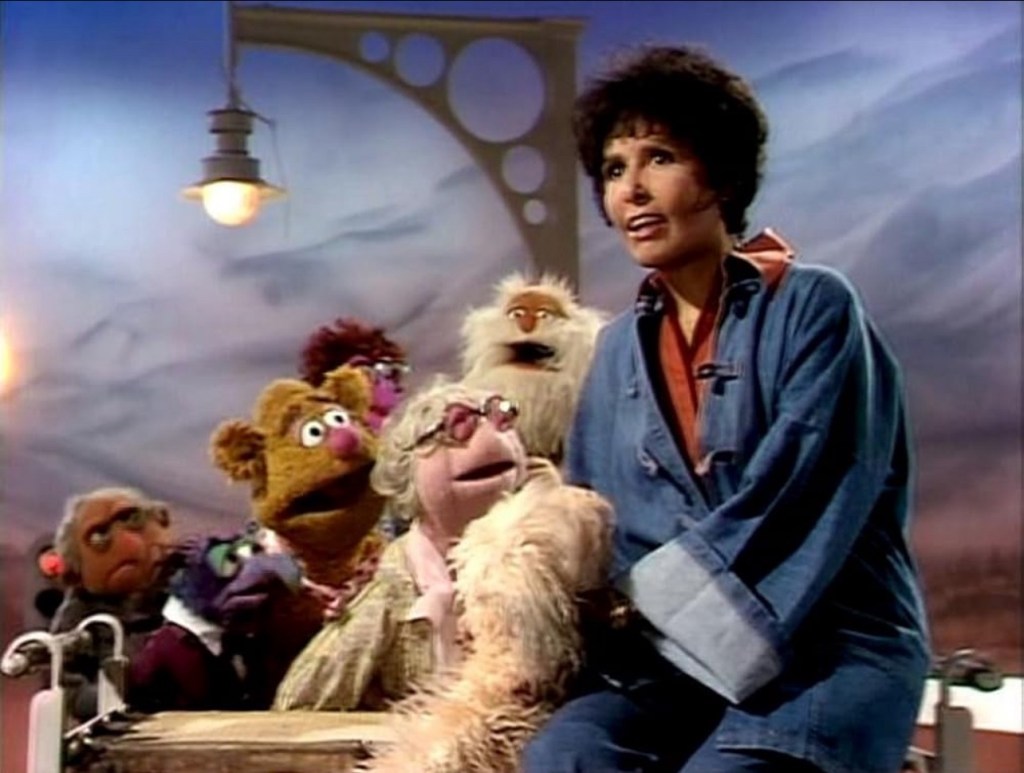
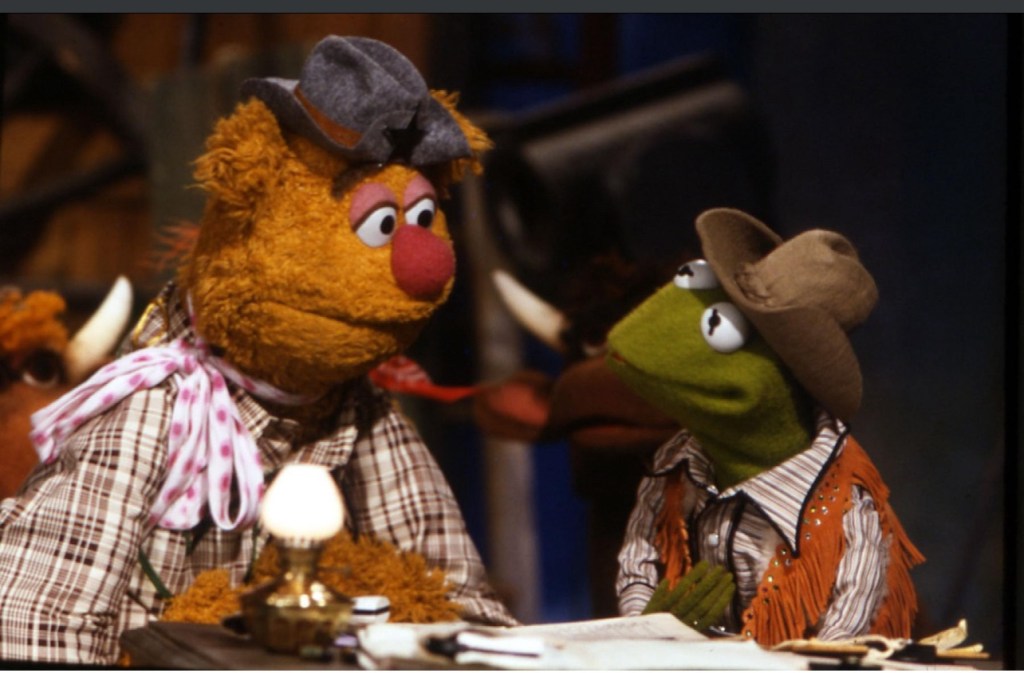
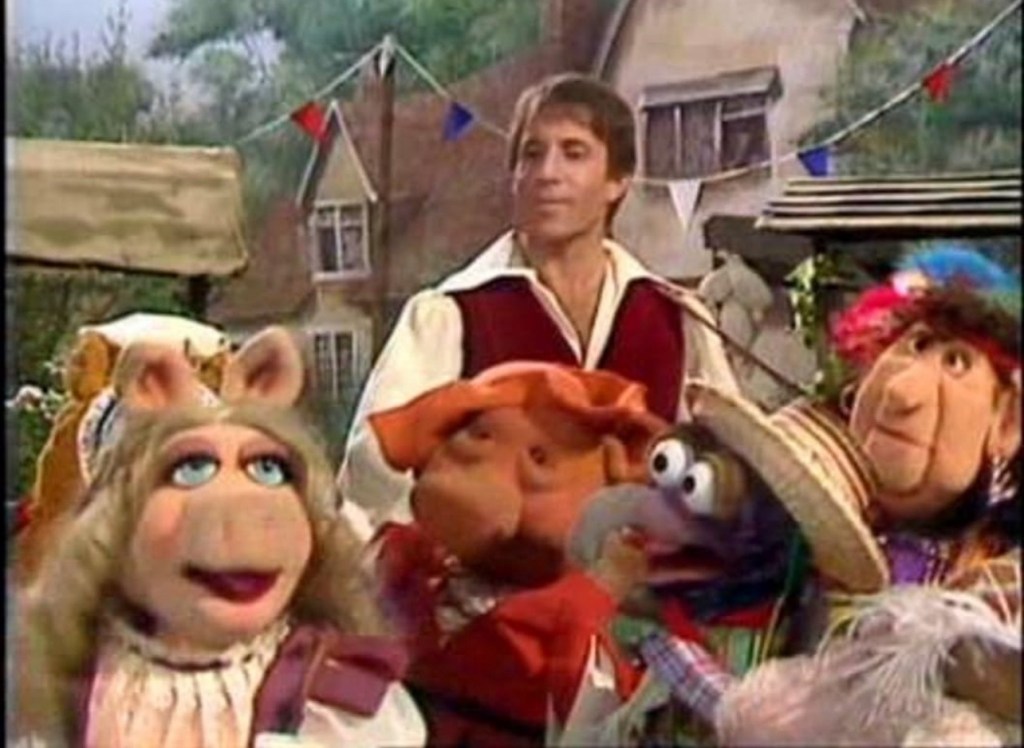
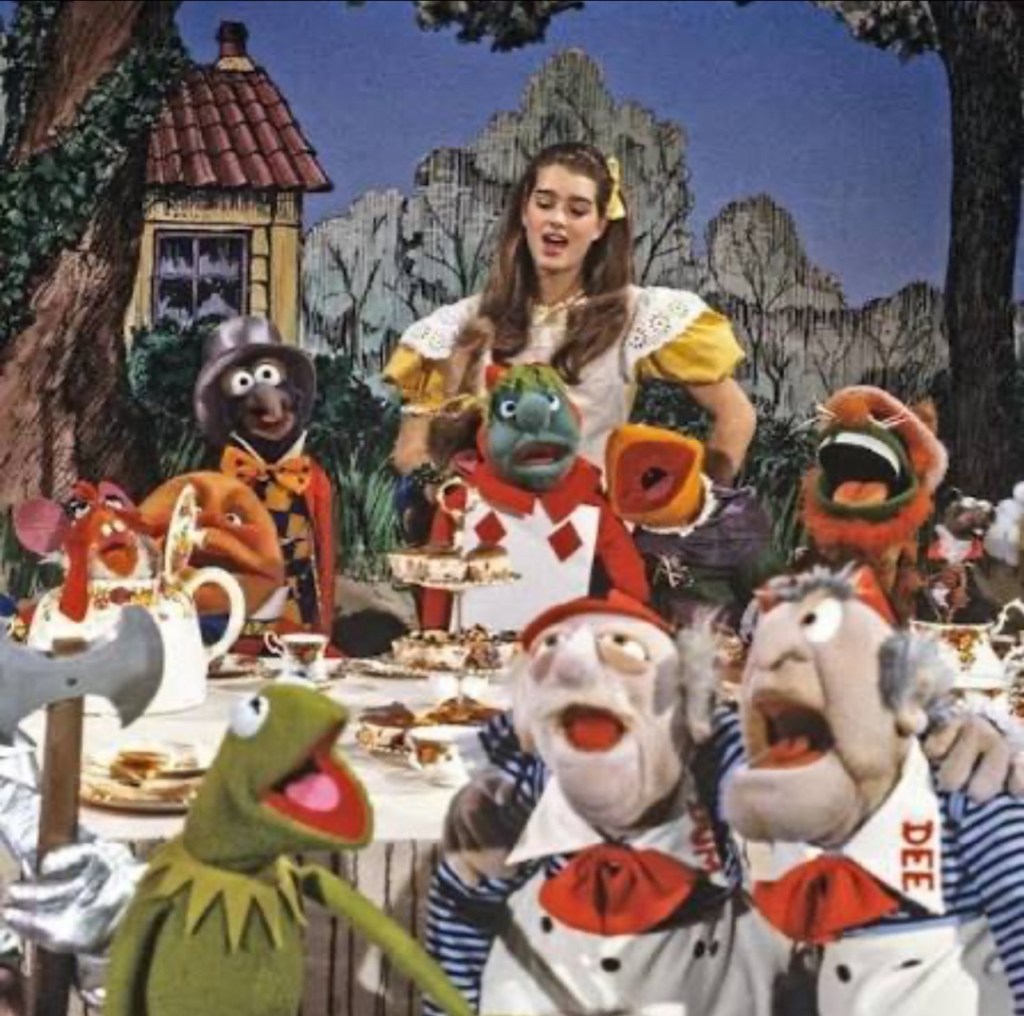
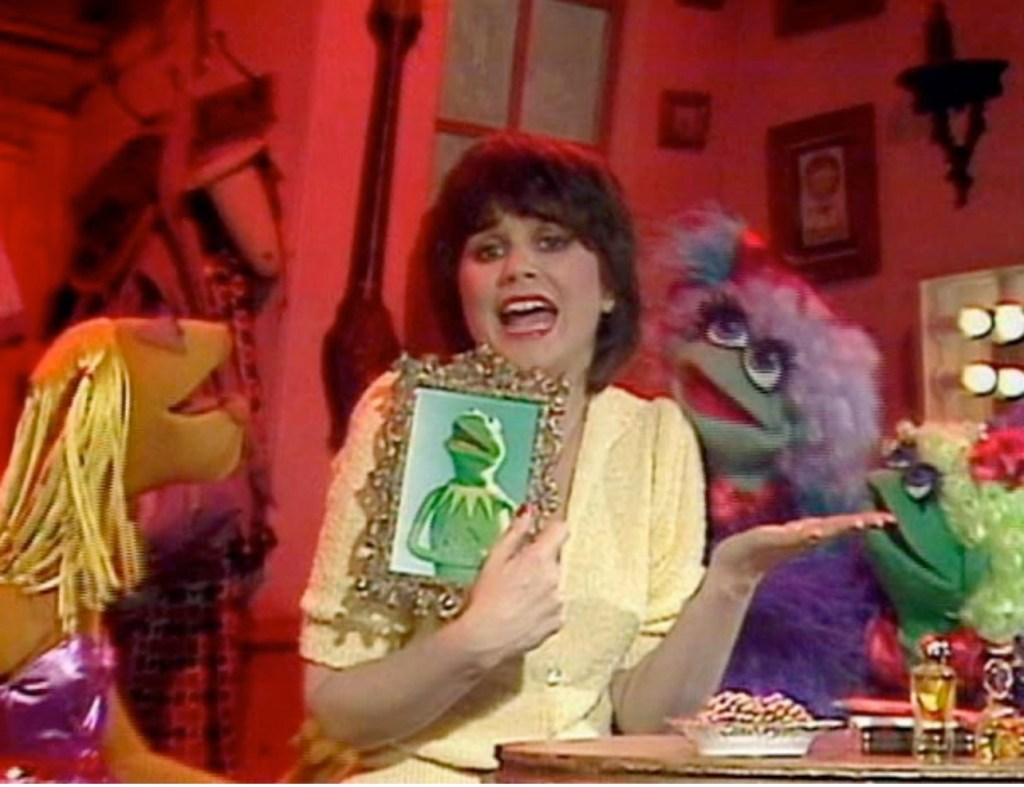
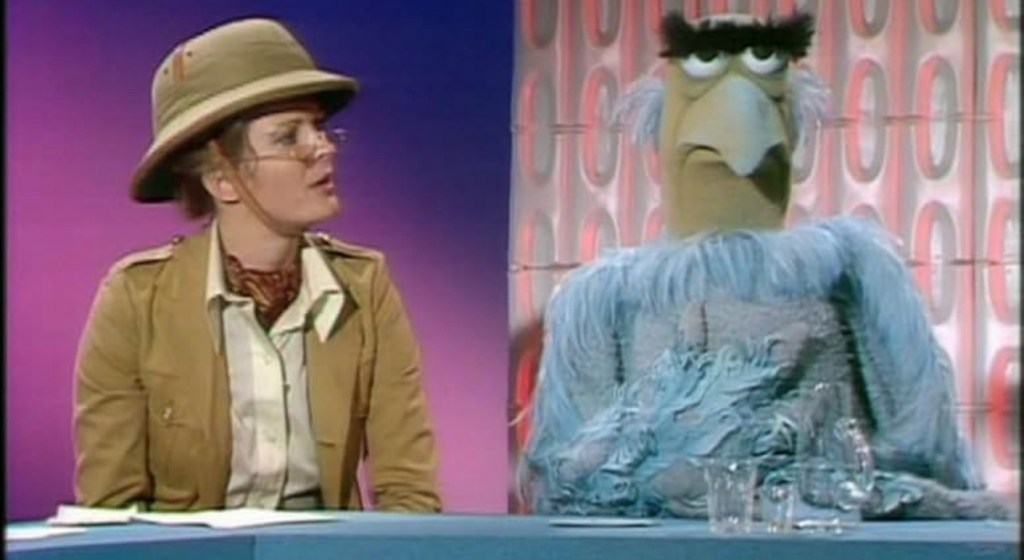
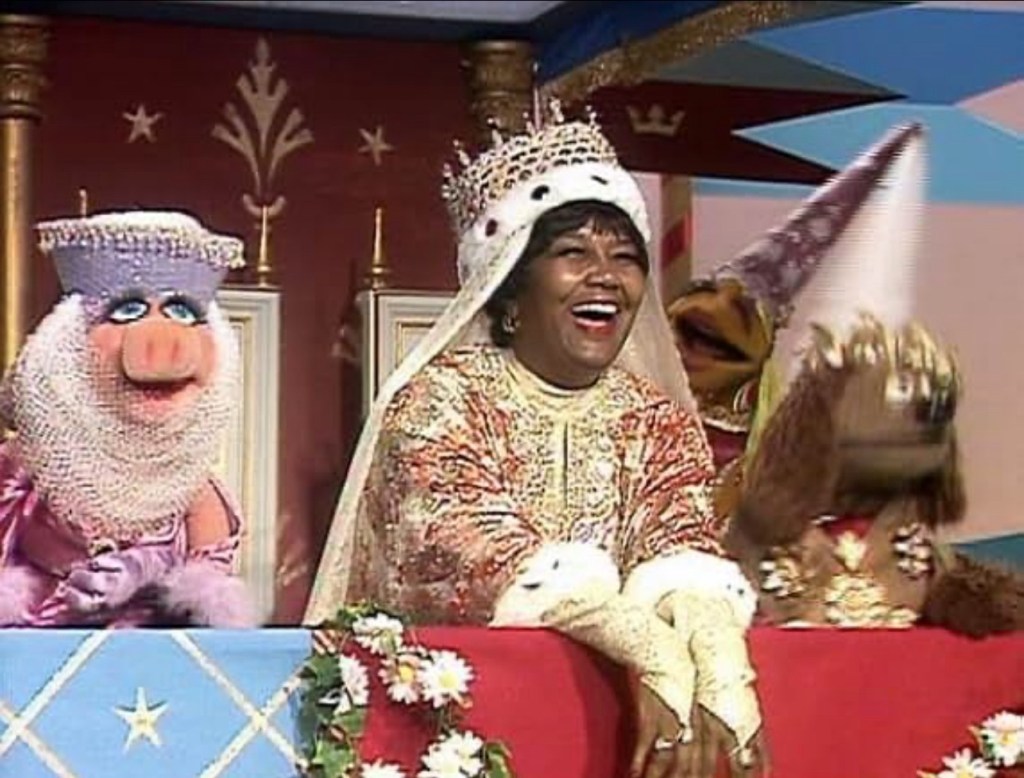
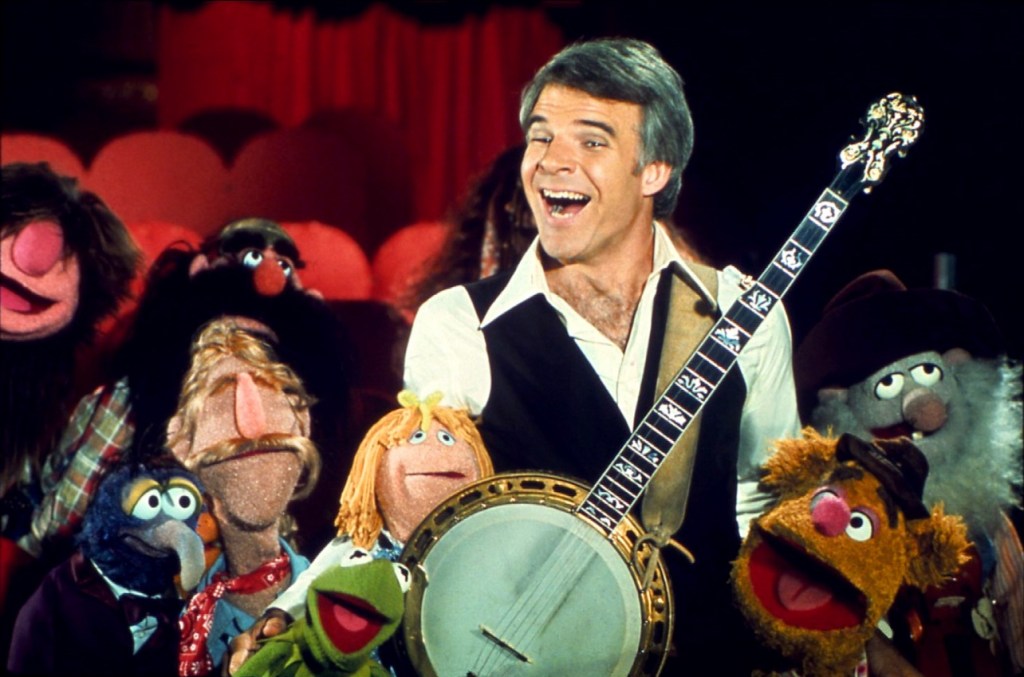
In total, 120 episodes of the family friendly, vaudeville reminiscent, variety show entertained audiences with actors, musicians and stars from different genres, eras and cultures when the curtains closed for the final time. Since the show’s start, the acceptance and embracing of differences, the simple act of welcoming something new or unusual with excited anticipation and glee of what may occur sits as the cornerstone of Muppet Theater.
Admittedly, a large portion of The Muppets current fandom only watched episodes of the original show in syndication, with most viewing the series well after the initial run ended in 1981. Yet, this Jim’s crew isn’t the only to witness a fanbase multiply only once the finale of their first tour concluded. At least Henson’s made it to five years.
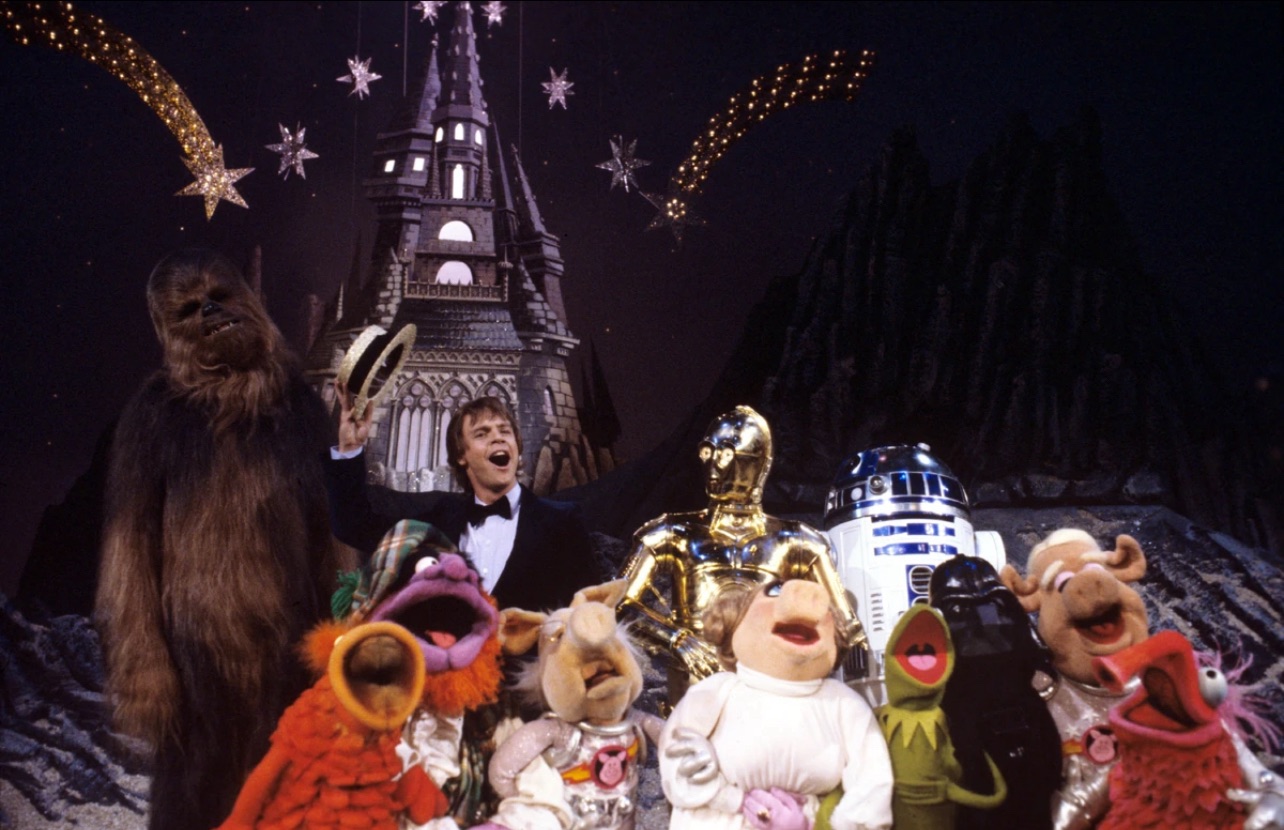
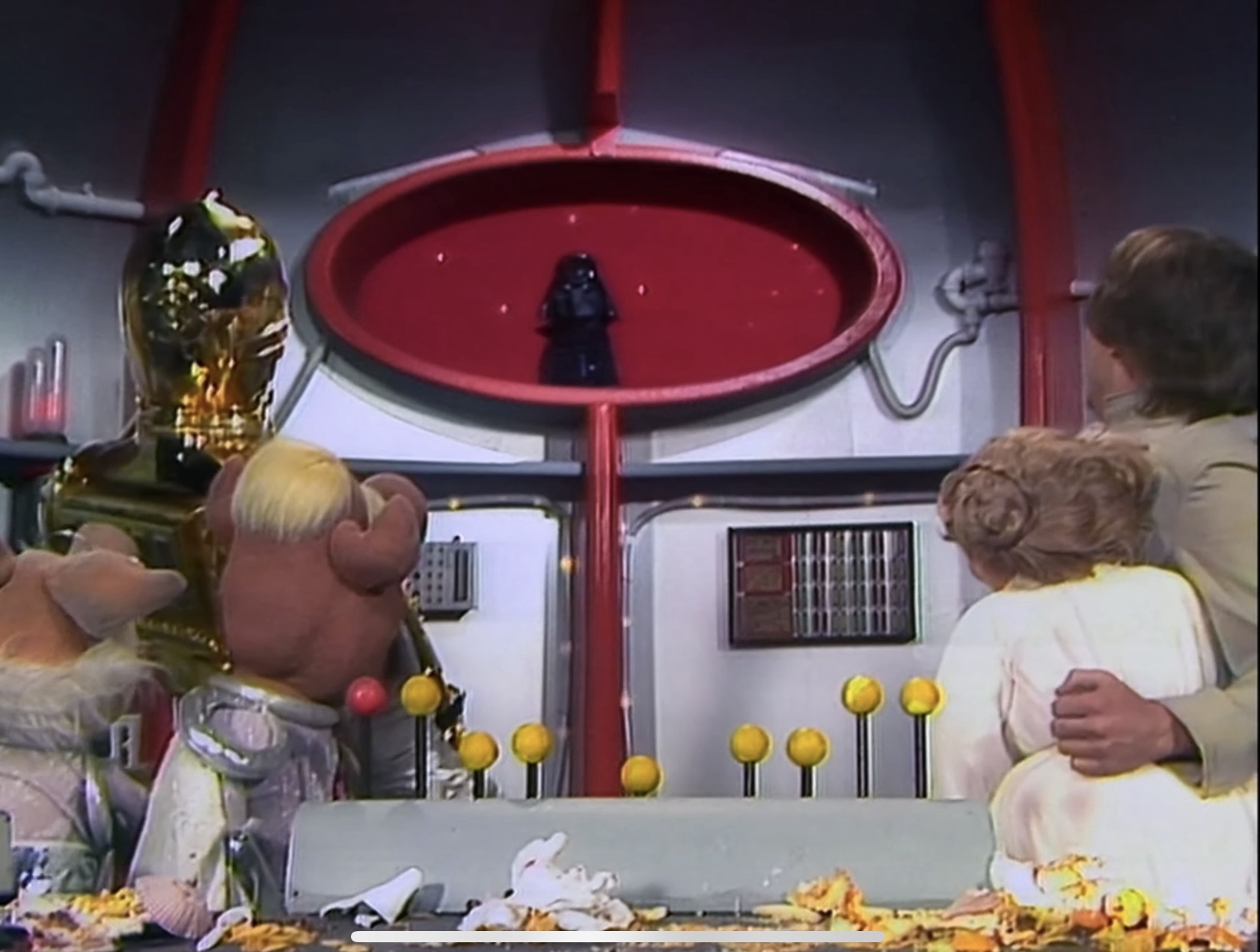
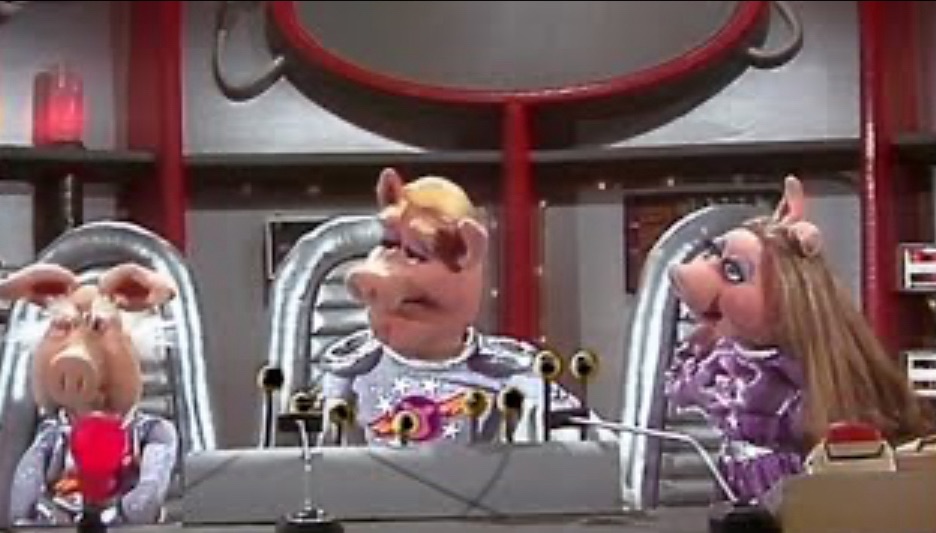
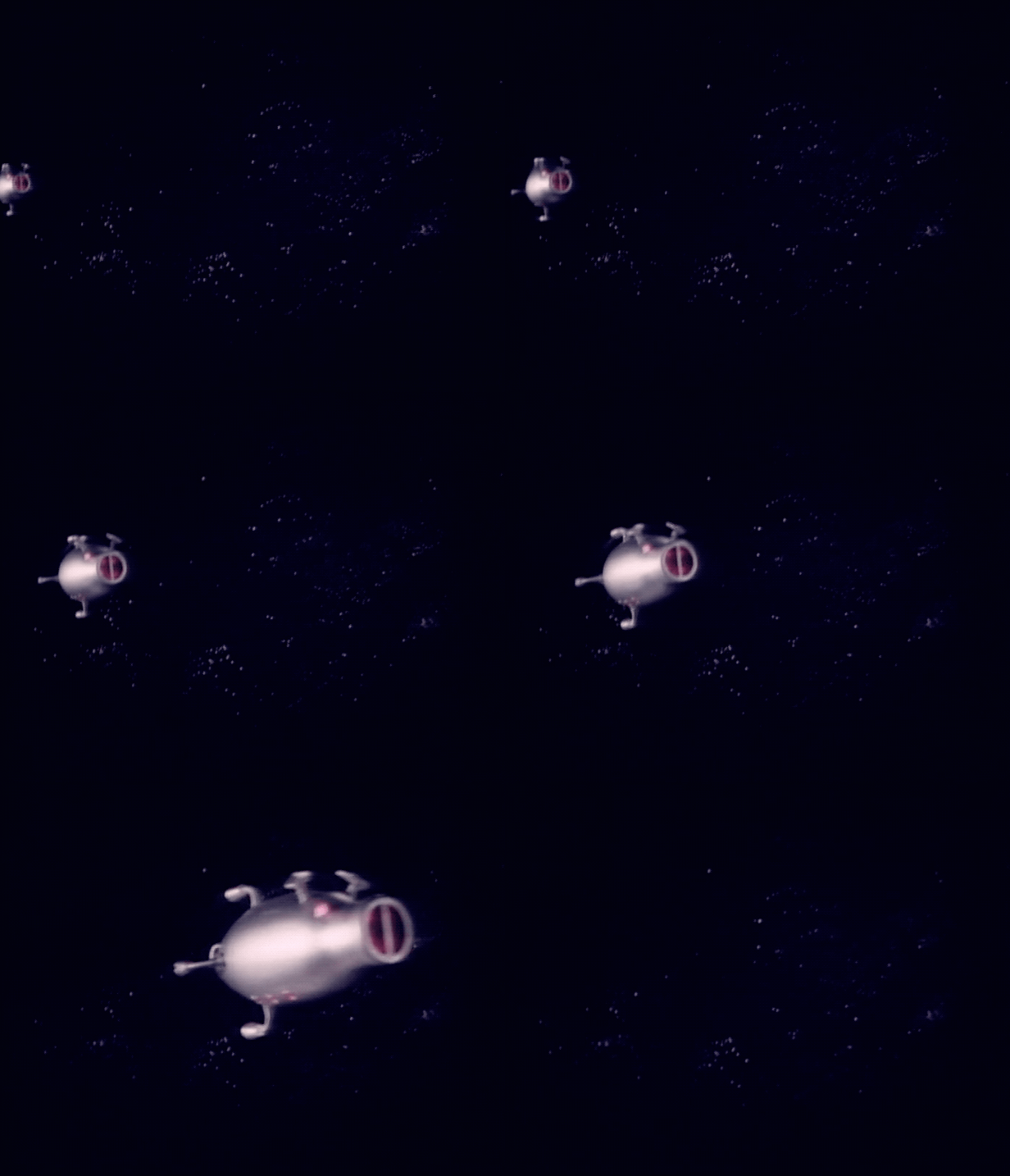
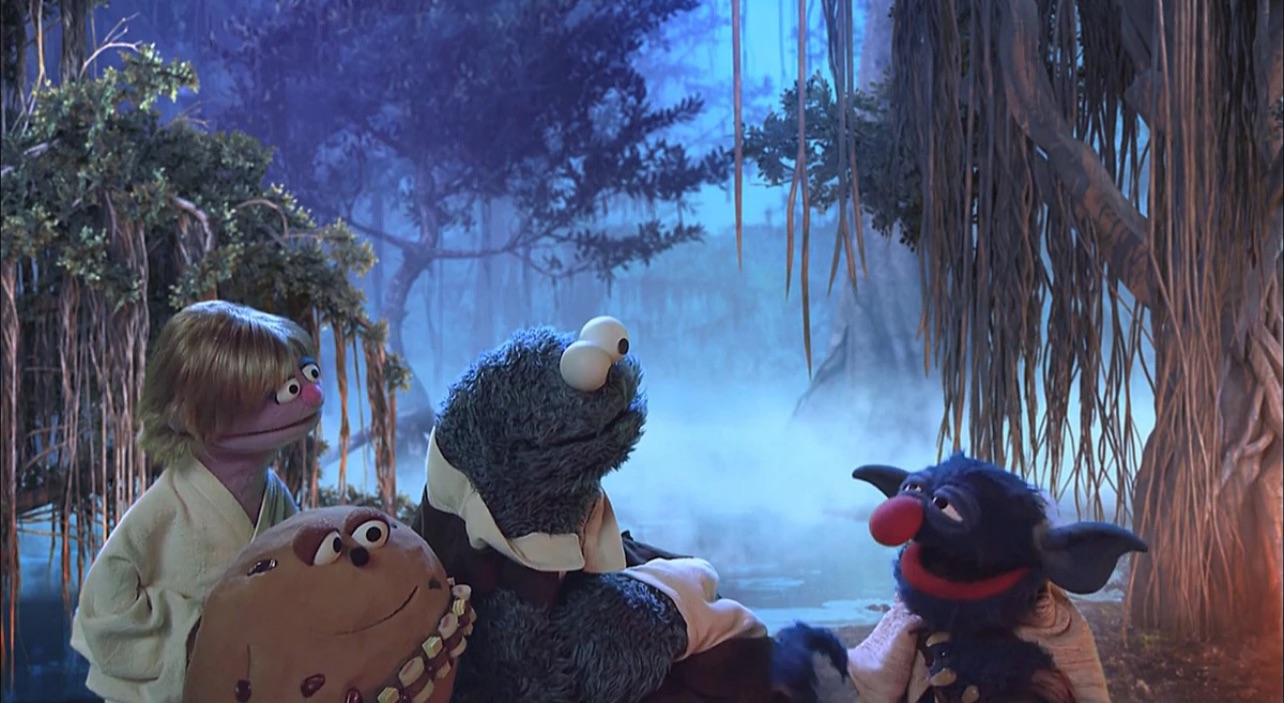
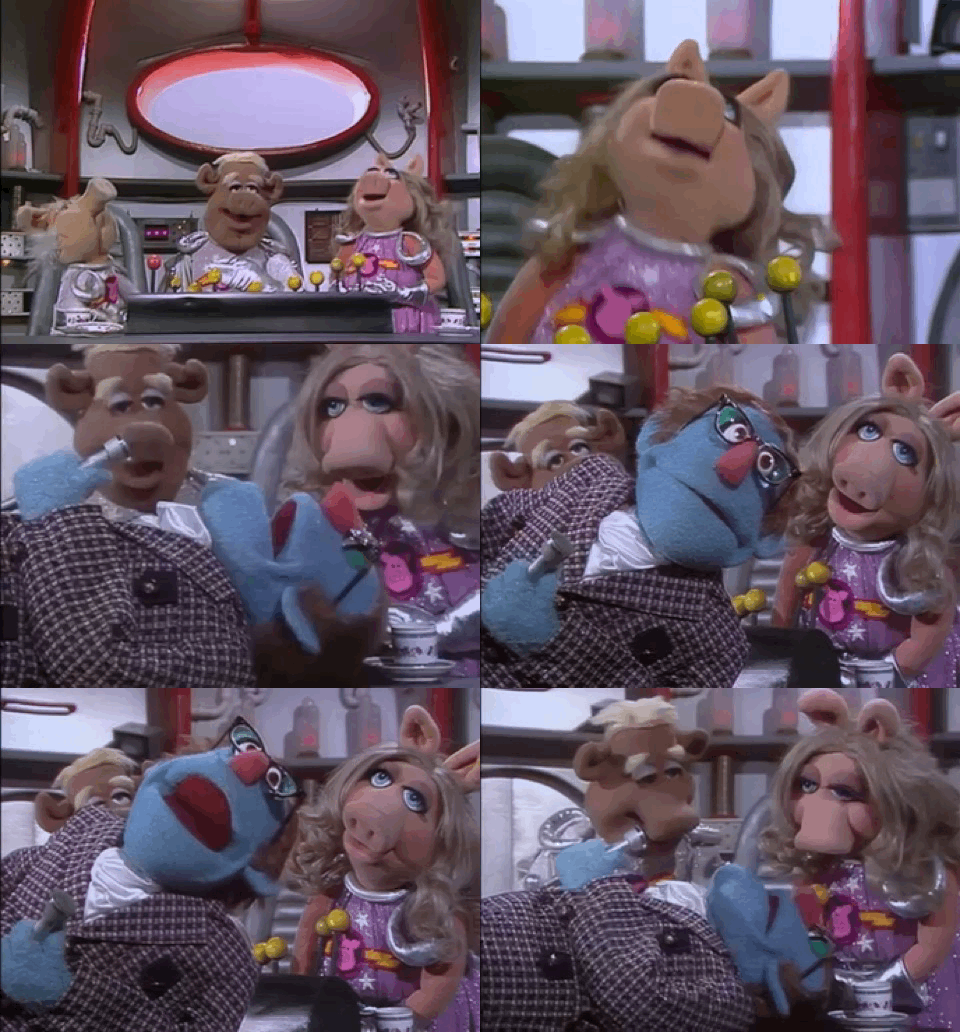
The same can’t be said for the one from Gene Rodenberry’s show turned science fiction phenomenon. With a Jim most of you reading might know better as Admiral James T. Kirk. A captain who incidentally only got to year three before his mission was canceled. Oddly, no stars of Star Trek: The Original Series set foot on the Muppet Theater stage. Unlike the Star Wars franchise, whose Luke (Mark Hamil), along with Chewbacca (Peter Hayhew) and the droids 3PO (Anthony Daniels) and R2 (Kenny Baker) appeared together in a Season 4 episode, it wouldn’t be the next generation, make next iteration, of muppets that would welcome stars Shatner, Nimoy and Takei where they had never gone before. However, as the ambassador for so many new life forms Henson must have felt as much of a connection to the Fleet as he did to the Force. Look no further than the Enterprise for the inspiration of deck layout seen in Pigs from Space. As one of The Muppet Show’s more memorable sketches it even recreated the 60’s series opening credits with a crawling closeup shot of…the SwineTrek.
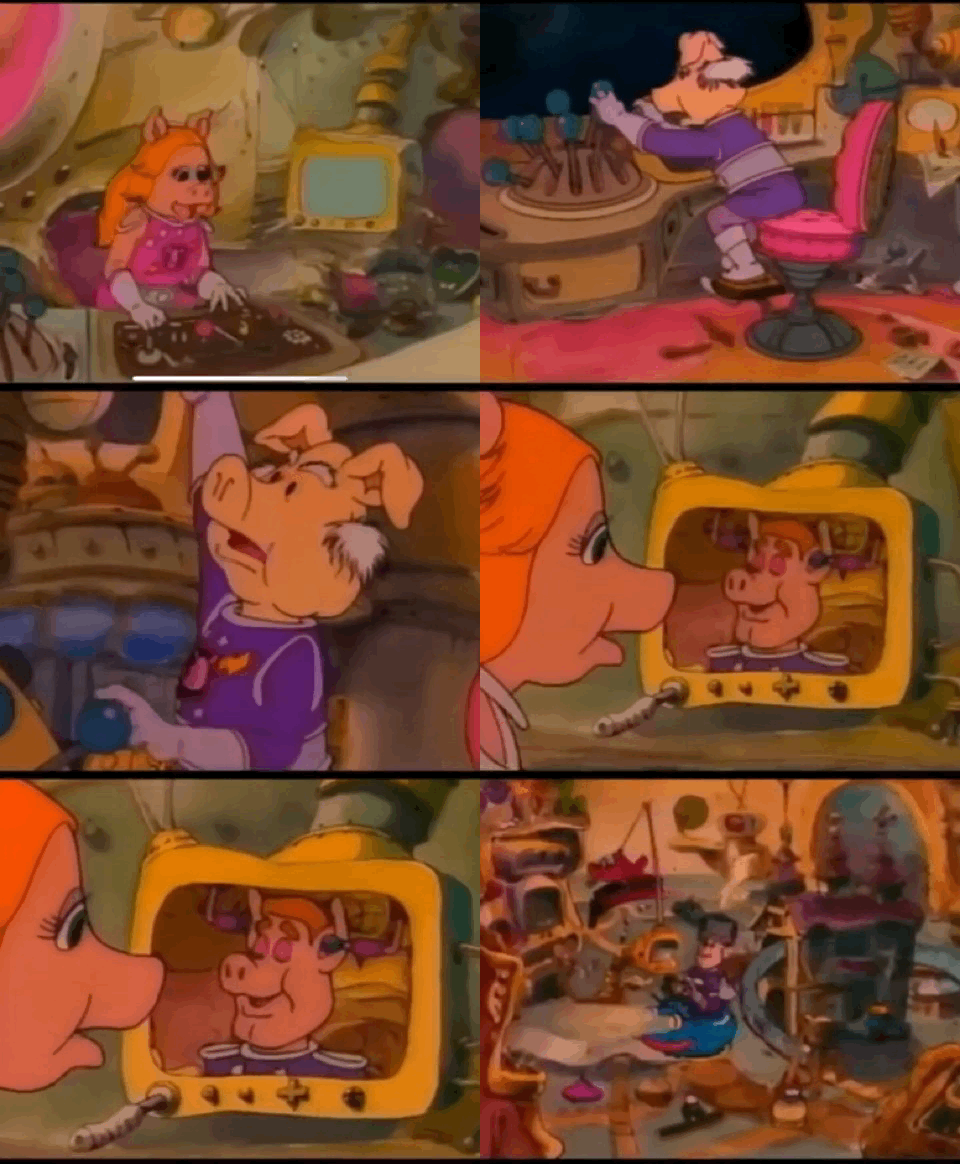
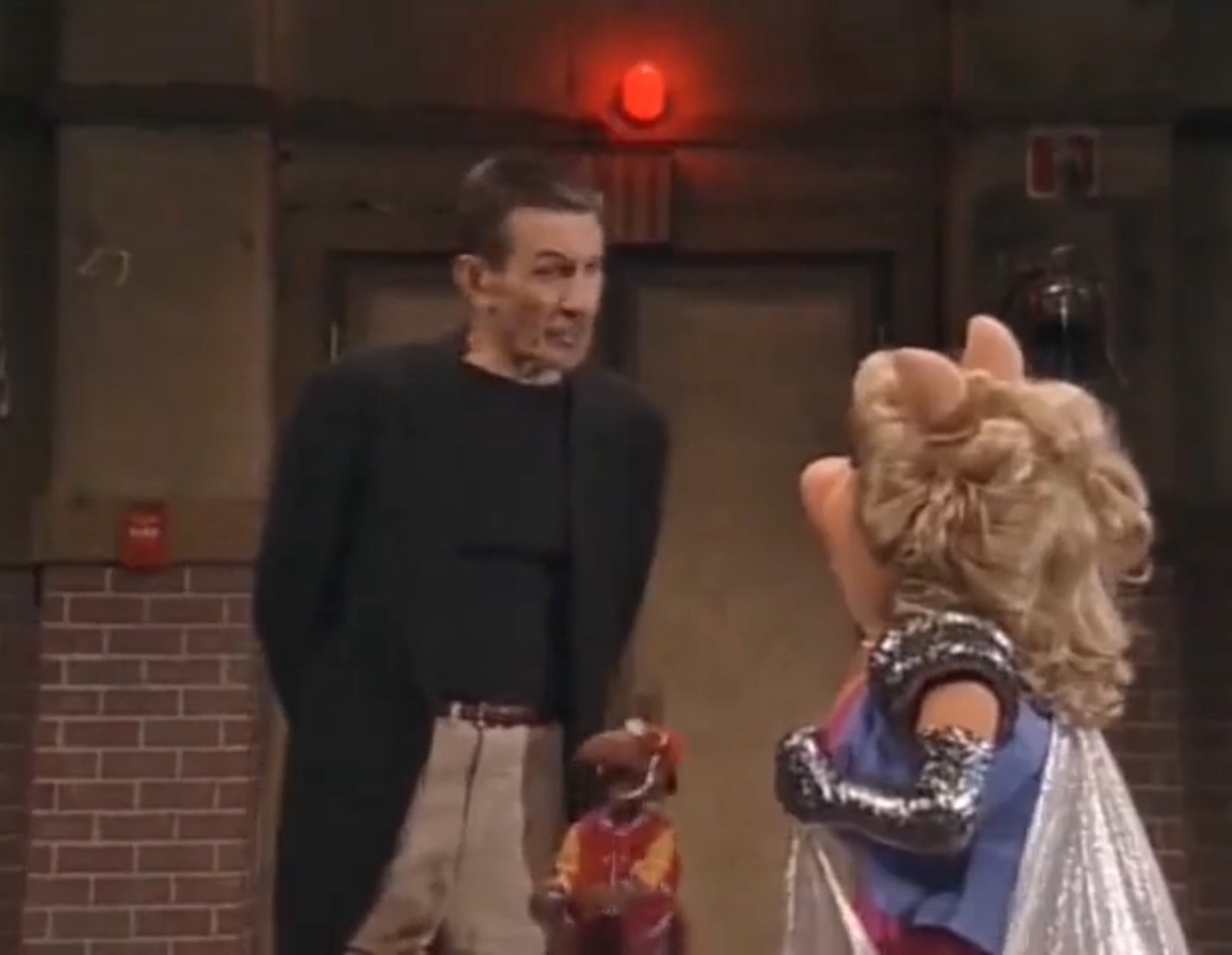
A discussion of these two space odysseys transports us to another moment that separates muppet fact from fiction. In the same manner as James Earl Jones’ voice as Vader earned the actor legendary status among the fandom, muppeteer Frank Oz will forever be part of the Star Wars franchise. Sorry to disappoint any die hard fans, but Yoda isn’t one of The Muppets – for a myriad of reasons. First, neither Jim Henson nor the Henson Company dealt directly with bringing Yoda to life. That distinction belongs to Stuart Freeborn, under the direction of Lucasfilm and Industrial Light and Magic with Henson serving solely in a consulting capacity. Furthermore, had Henson been the creator behind the powerful Force wielder, even that wouldn’t have meant The Muppets suddenly had a Jedi Master in their midst. Like the energy within all living beings shown in Lucas’ franchise, there are two sides to Jim Henson’s work: Muppets and Creatures.
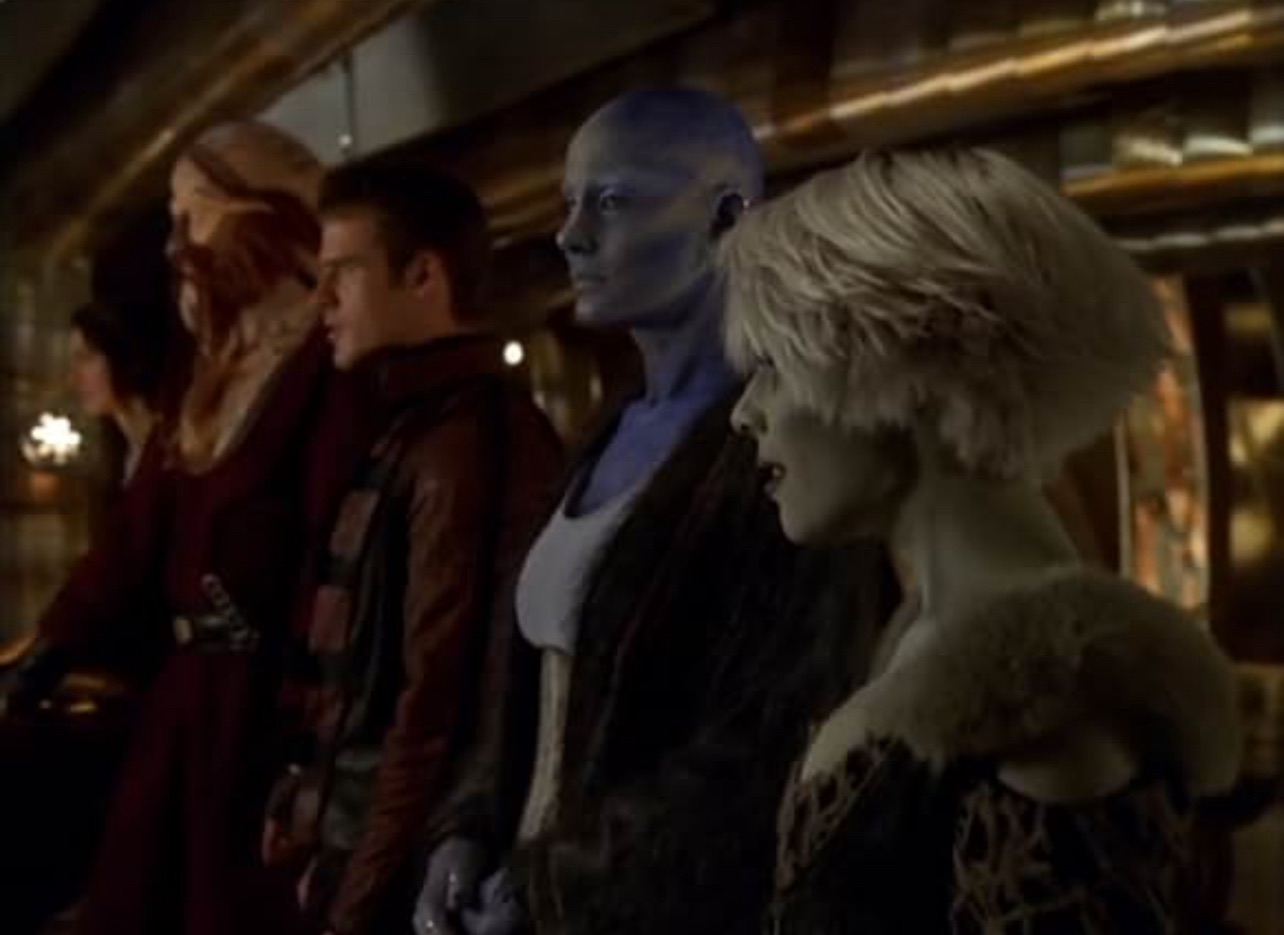
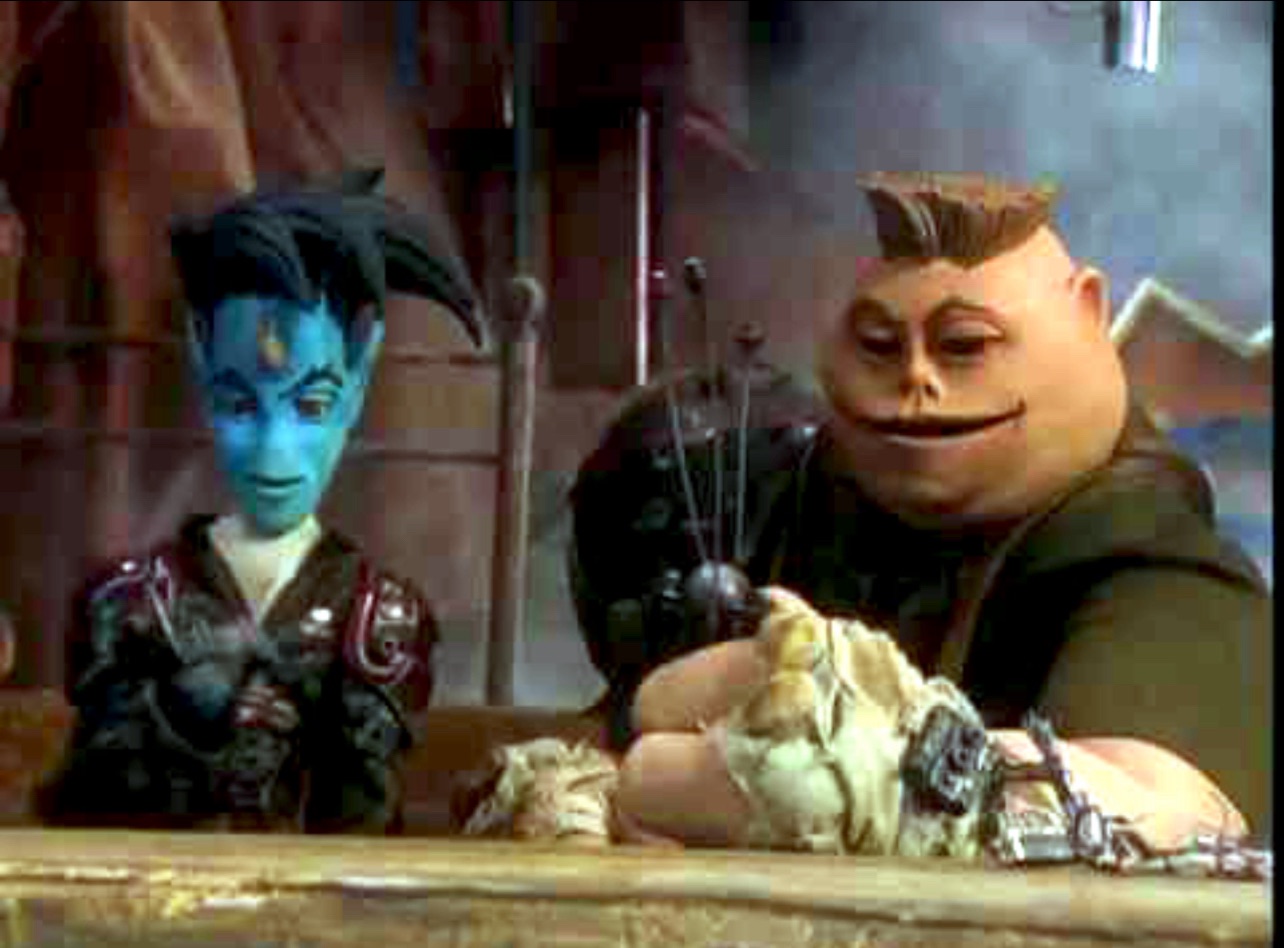
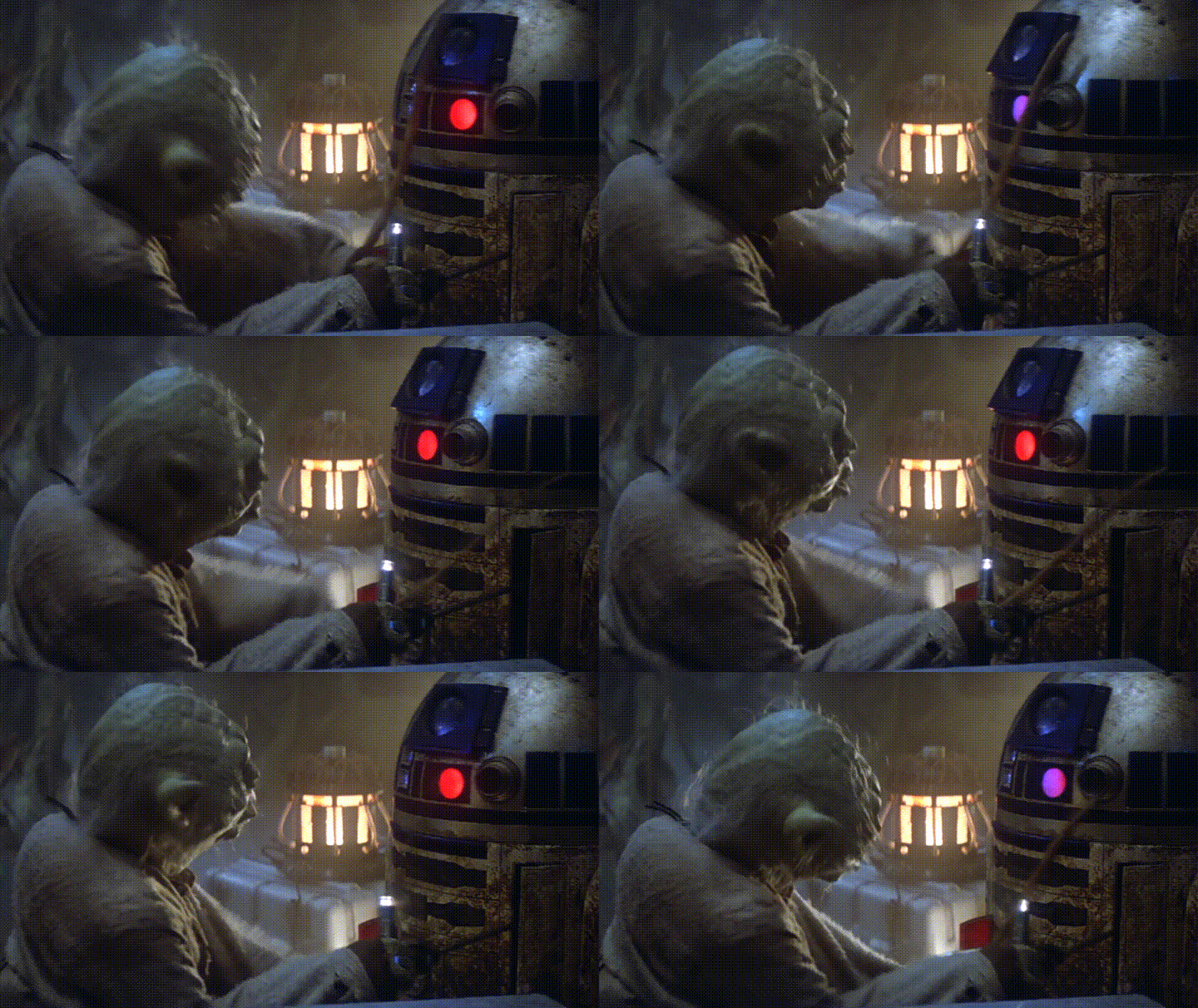
The designation between these two classes of puppet design pinpoints something fundamental to Henson’s approach to storytelling. Some sagas require intricate and detailed characters to immerse the audience in the world where they take place. Instances of these are visible from the inhabitants and environments contained in Henson’s works like Farscape and Brats of the Lost Nebula.
Then there are the tales we already know, or moments that convey what we have once or are currently experiencing; things that simply need to be felt. This is what we call the Muppet Show.
Not just a television program, but a production company – The Jim Henson Company – that continues to showcase the original team’s unparalleled ability to mesmerize audiences, immersing the viewer’s senses with scenes starring lifeforms in vibrant, living and surreal environments.
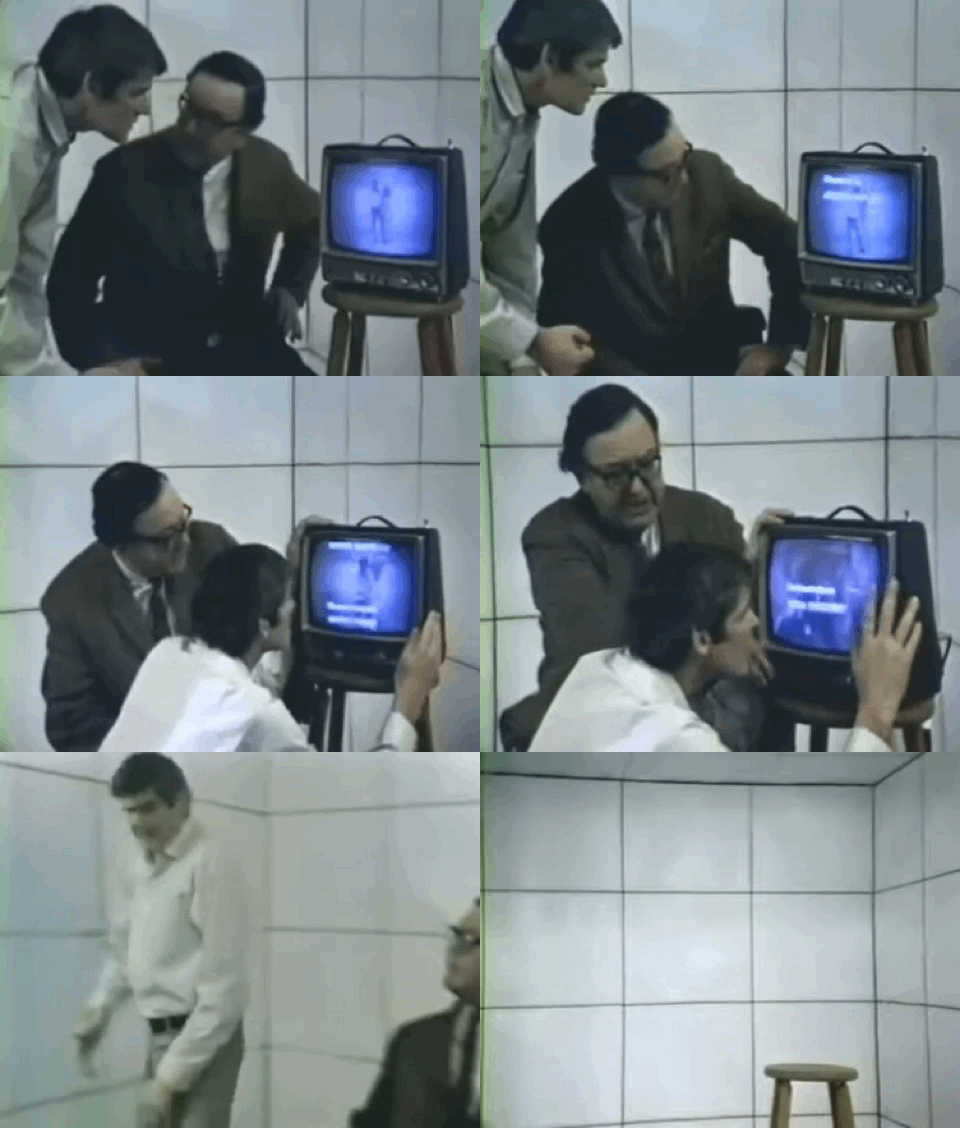
Henson’s followup to The Muppet Show was no less surreal. Not just because the Waldo controller was now also the name for a complete CGI Muppet or the crew’s new ability to monitor puppets on monitors. The cube that the creator found himself in next would end as abruptly and with as much confusion as Henson’s experimental 1969 short film.
Stepping Out with A Star
As titles go, The Jim Henson Hour sounds more like a news broadcast in line with 60 Minutes instead of a self promotional publicity stunt like Walt Disney’s Wonderful World of Color, Walt Disney Presents or The Wonderful World of Disney to name a few. Each of these entertainers enjoyed the exposure afforded by hosting Sunday programming bearing their name, and using the series to display their respective ingenuity and innovations.
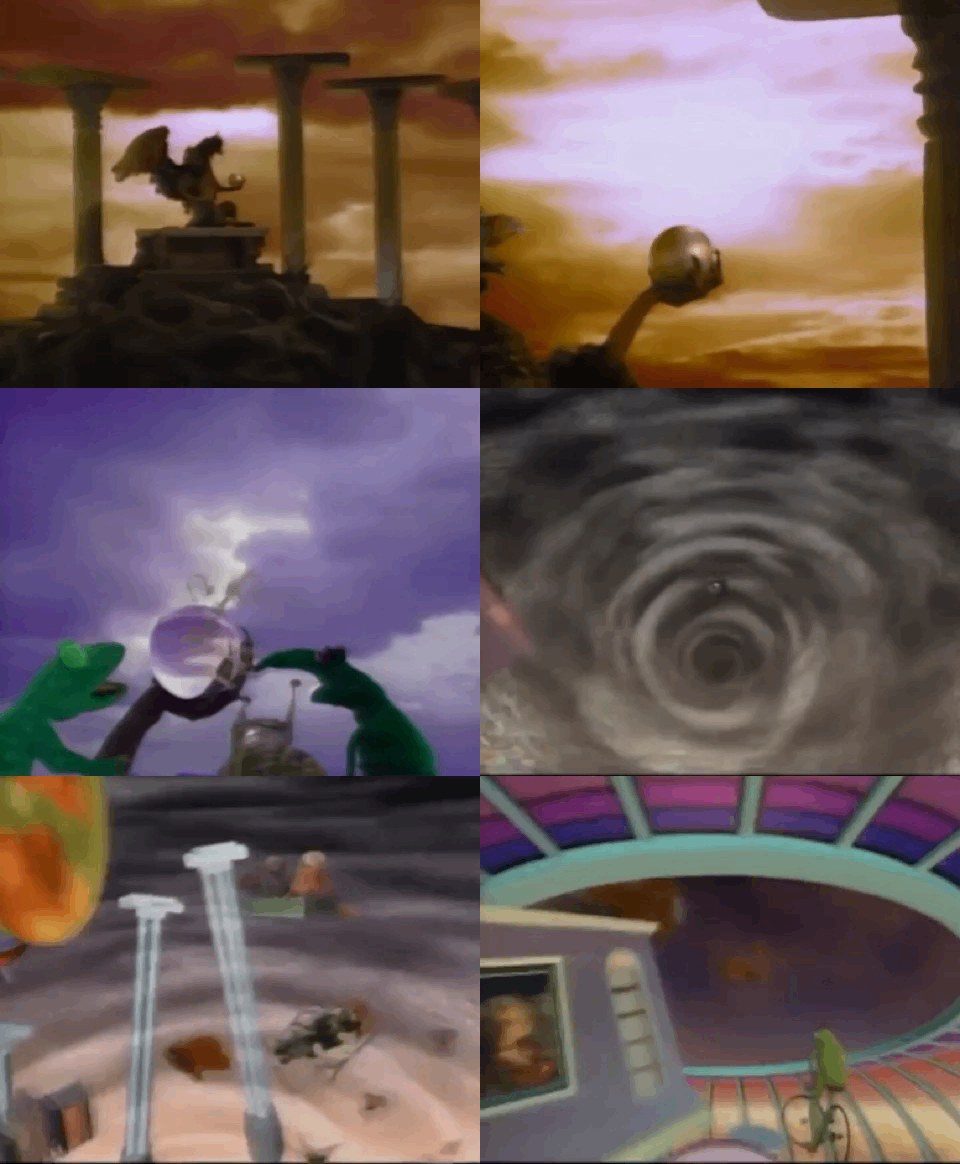
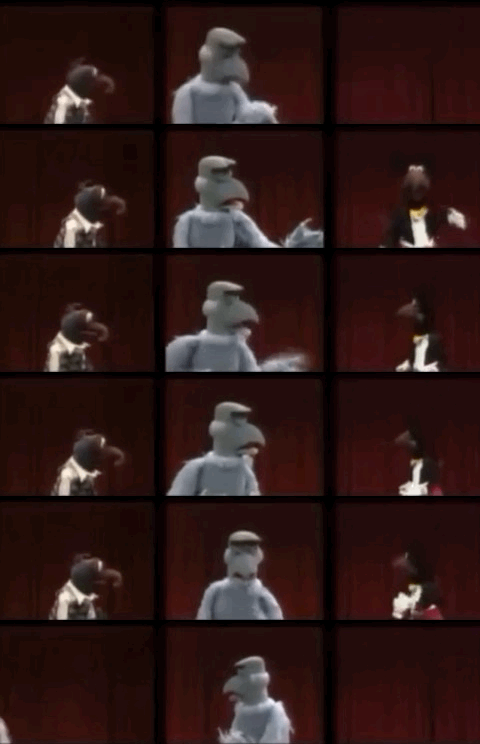
The difference, Walt Disney’s Disneyland was in part a specifically structured marketing campaign aimed at promoting and hopefully selling tickets to the theme park by showcasing a film that aligned with each of Walt’s worlds. An emphasis on a park attraction or experience – be it from Adventureland or Fantasyland – was the focus of Walt’s words during the show’s first half.
Jim Henson, consistent with his presence throughout his career, was only on screen on average for 4 minutes of the hour-long show, mostly handing the remaining portion of the program to focus on his form of storytelling: puppetry. One creator was asking you to imagine the possibilities with a subtle invitation to book your visit. The other, reminding audiences with everyday items you find around your house, where you can go with a vivid imagination.
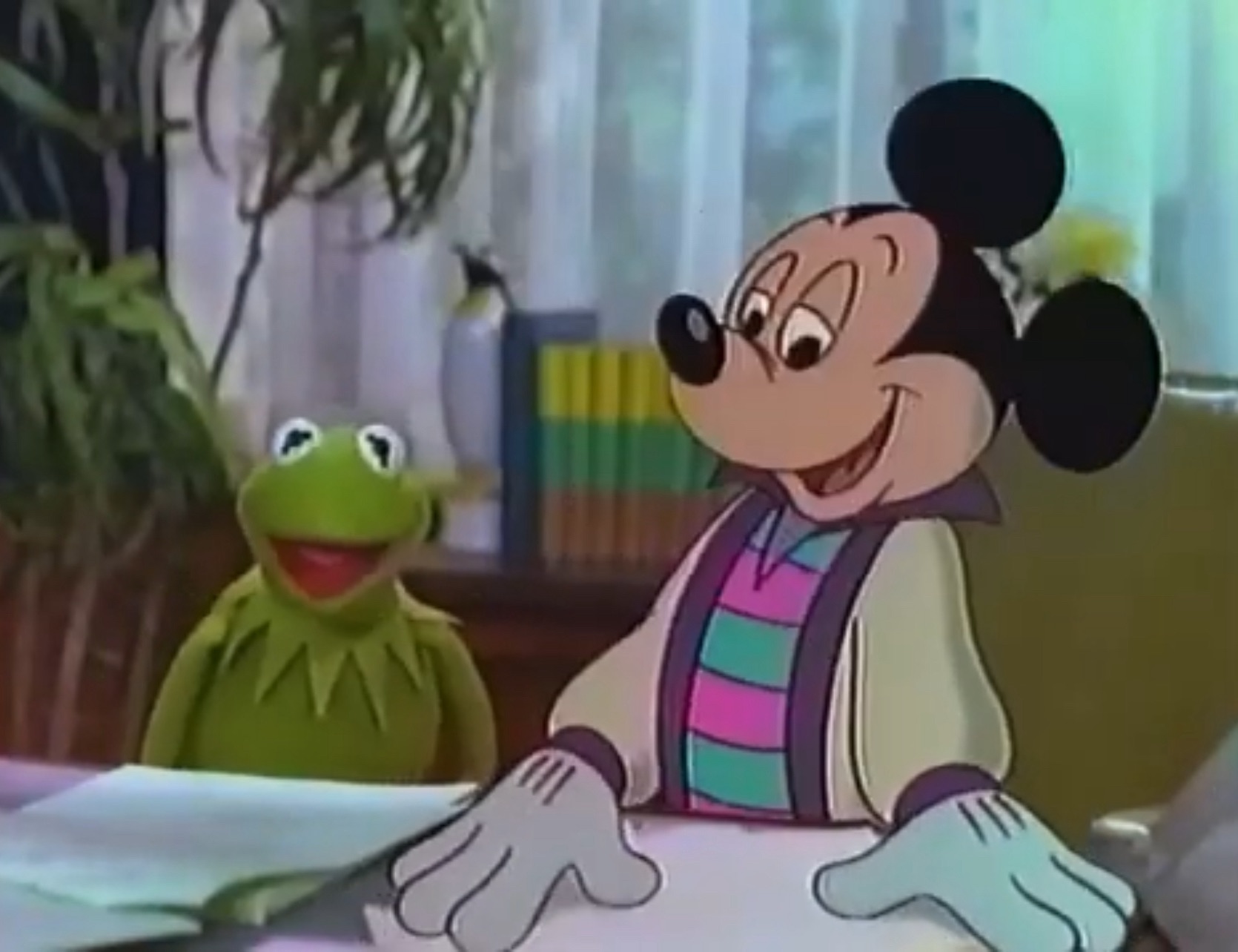
Ironically, Henson’s agreement with Disney merged the Muppets with the House of Mouse, leaving Muppets Vision 3D as a testament to the will of these two animators. The cinema-seating attraction’s recent removal from the theme park – much to the disappointment of many Muppet fans – is a reminder of the distinction between the two creators’ strategies. Disney earns, Henson endears.
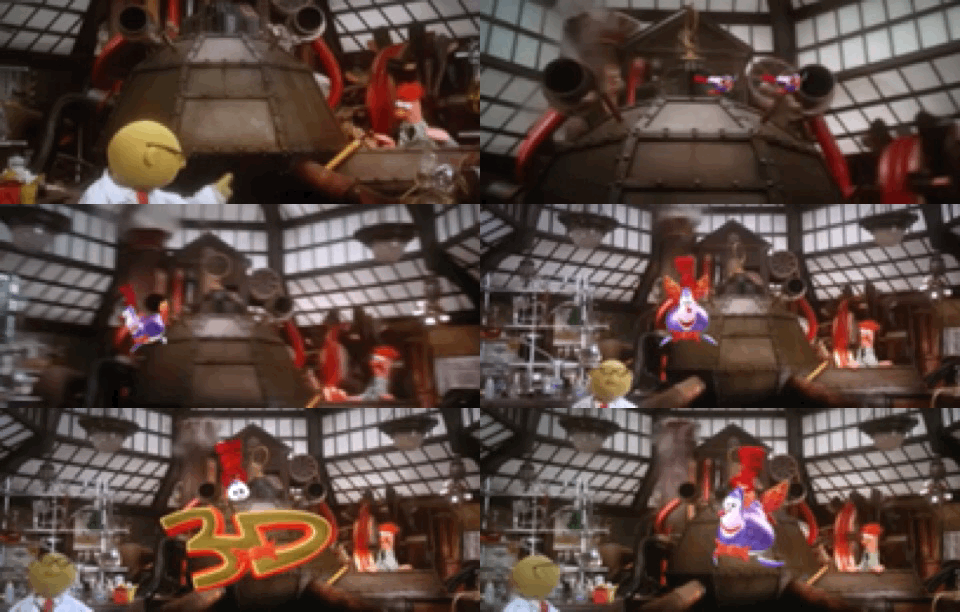
This mantra is unfortunately why, even with an Emmy for Outstanding Directing in a Variety or Music Program, The Jim Henson Hour was canceled after only one season. Which is confusing since, even after his initial success with Sam and Friends, this was the second time an audience suggested The Muppets weren’t cut out for Saturday night anymore.
The (core) Muppets are the most recognized of Henson’s franchises, but they are hardly the company’s sole production. Nor does the company exist exclusively in the confines of children’s television broadcasts like Bear in the Big Blue House, The Hoobs, Fraggle Rock or The Ghost of Faffner Hall. In fact, the fear of being known solely for creating these sorts of shows led Henson and his team of puppeteers to another famous location before Muppet Theater: Studio 1A.
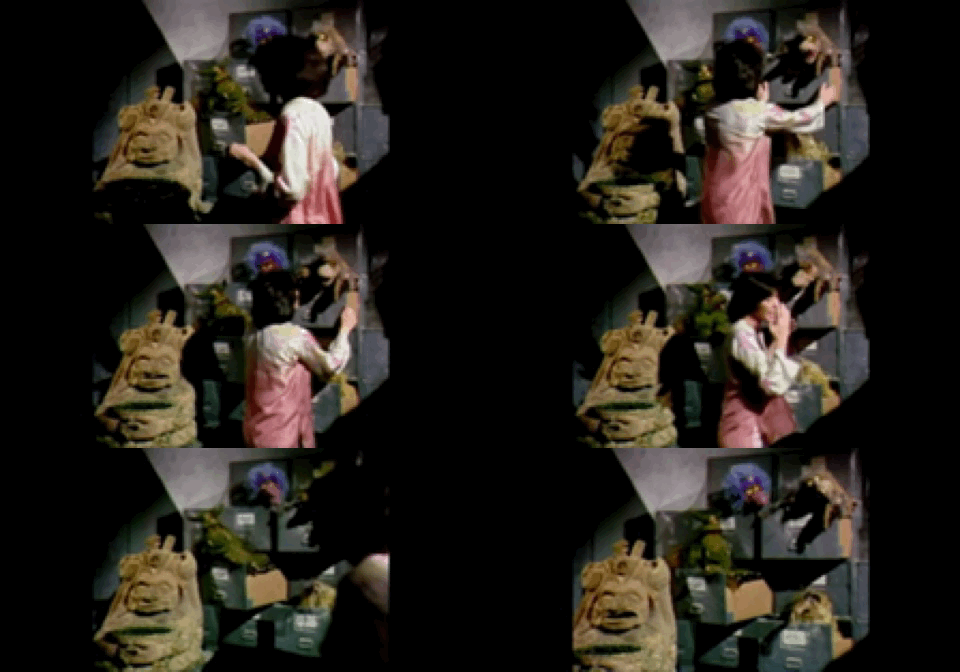
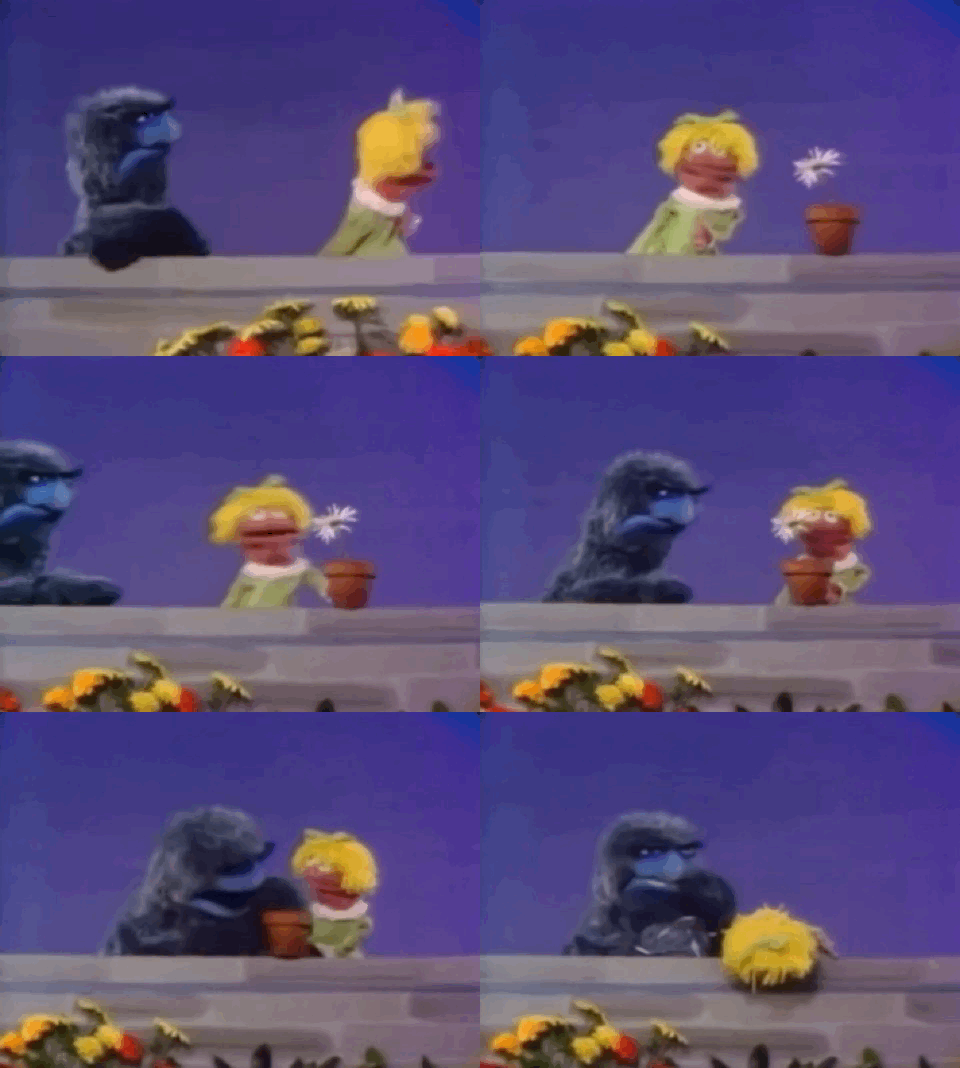
Fifteen Land of Gorch sketches were produced, with 11 airing weekly on Saturday Night Live from the very beginning in October 1975 until January 1976. If you’re curious about the historical impact of Gorch, or how this predecessor to The Muppets lives on in the hearts and minds of those formerly or currently involved with the weekend comedy show, well look no further than 2025 when Saturday Night Live celebrated half a century. And short of re-airing the showcase of comedy’s first episode, SNL50 made no further mention of Henson or America’s first syndicated Muppet Show.
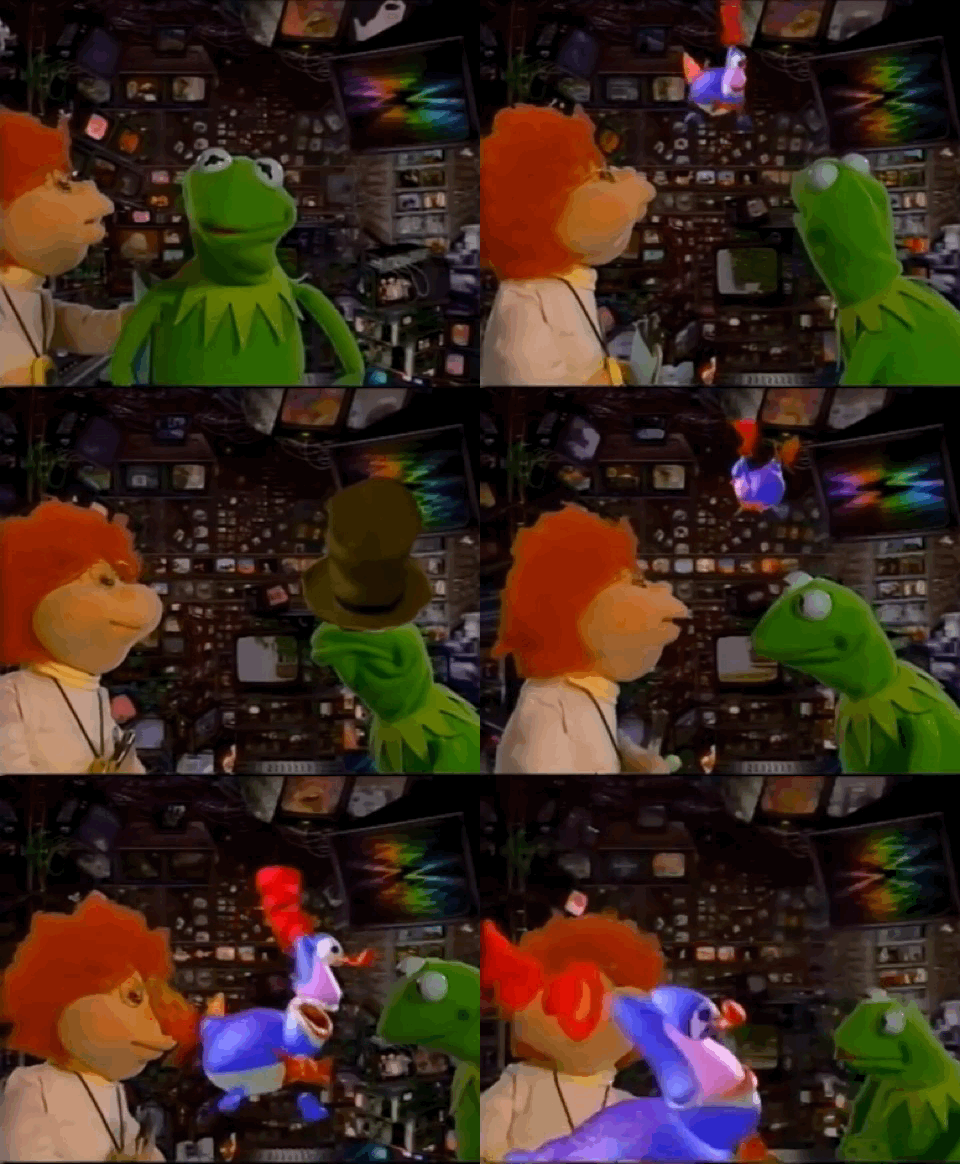
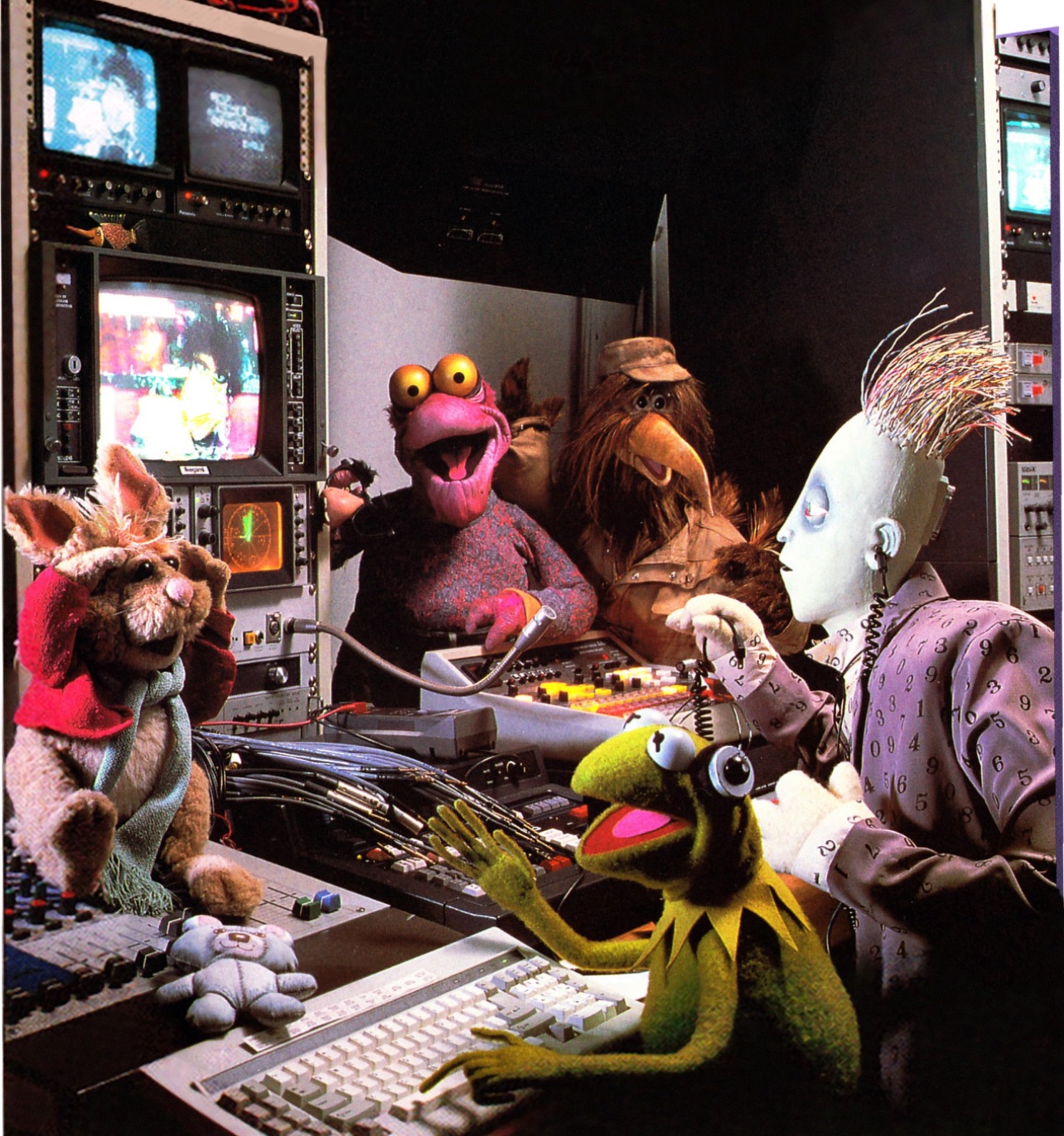
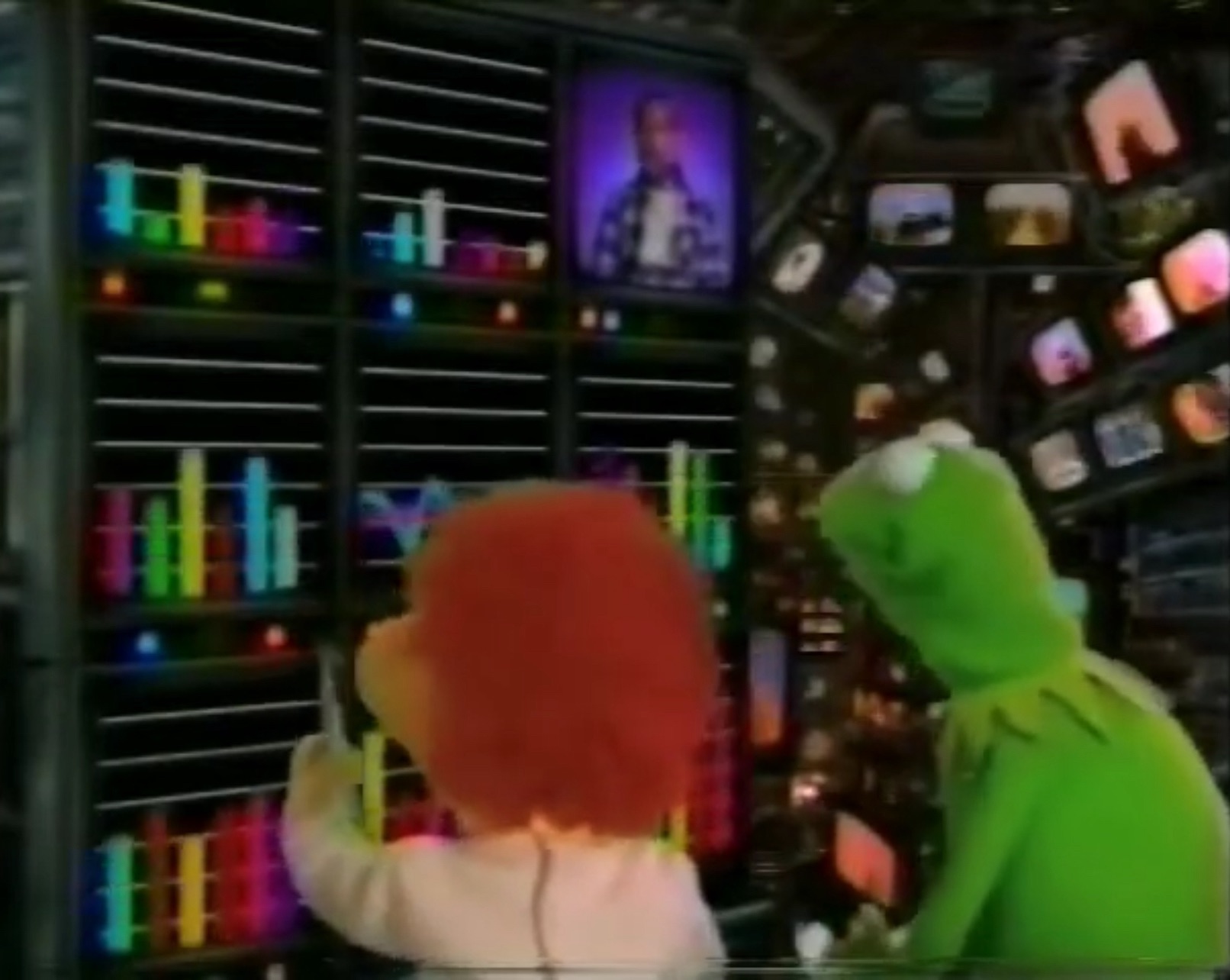
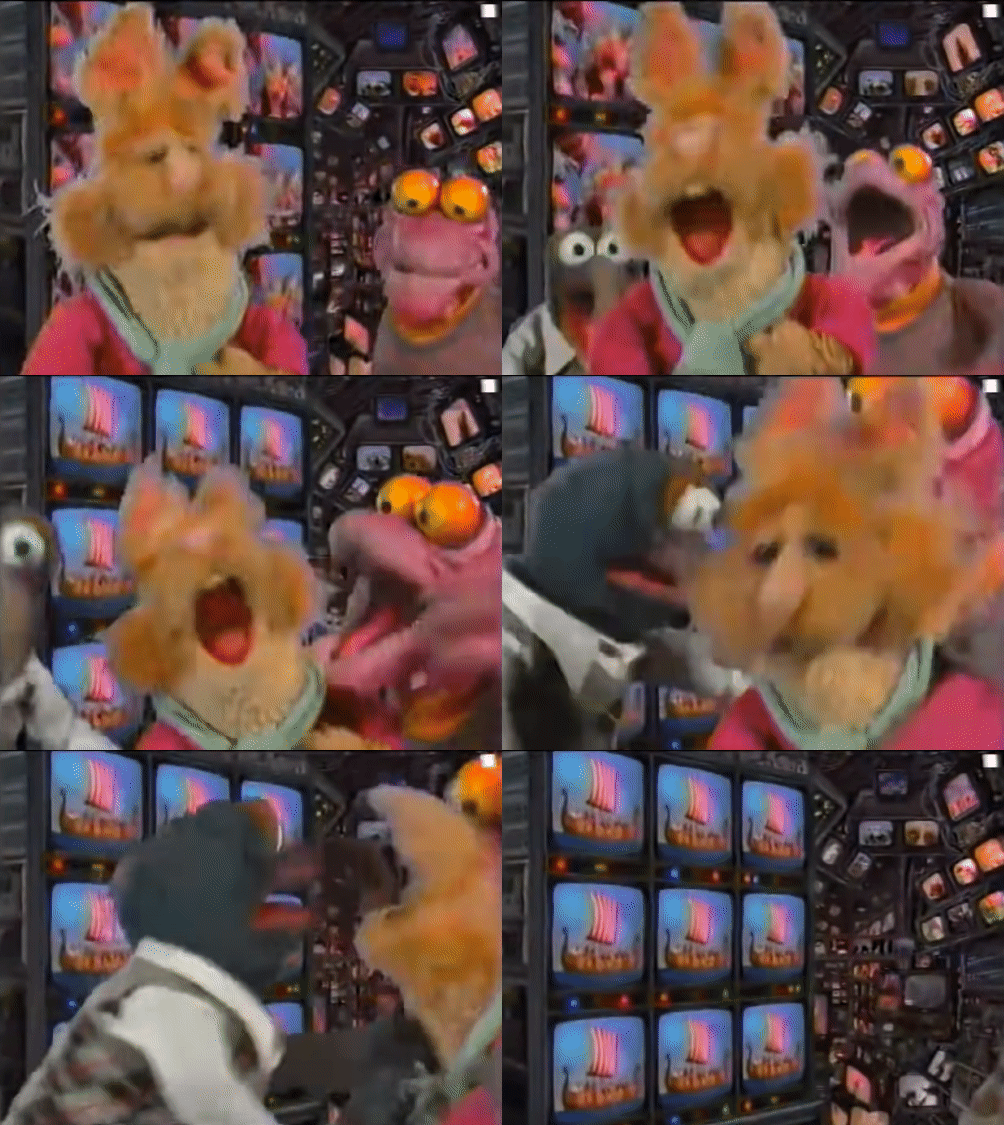
Truth in advertising, the Jim Henson Hour took up a 60 minute block of programming. Yet, the program was divided into two distinct segments. The first half involved the usual hysterics we had come to expect and enjoy during a show at Muppet Theater, with a modification to the way acts were “booked”. A decade before Gonzo phoned home, Kermit would turn the dial to tune into the far reaches of the universe from inside the booth at MuppeTelevision. This programming adjustment led to a diverse cast of starring Muppets, plus the revival of some forgotten strategies for puppet storytelling.
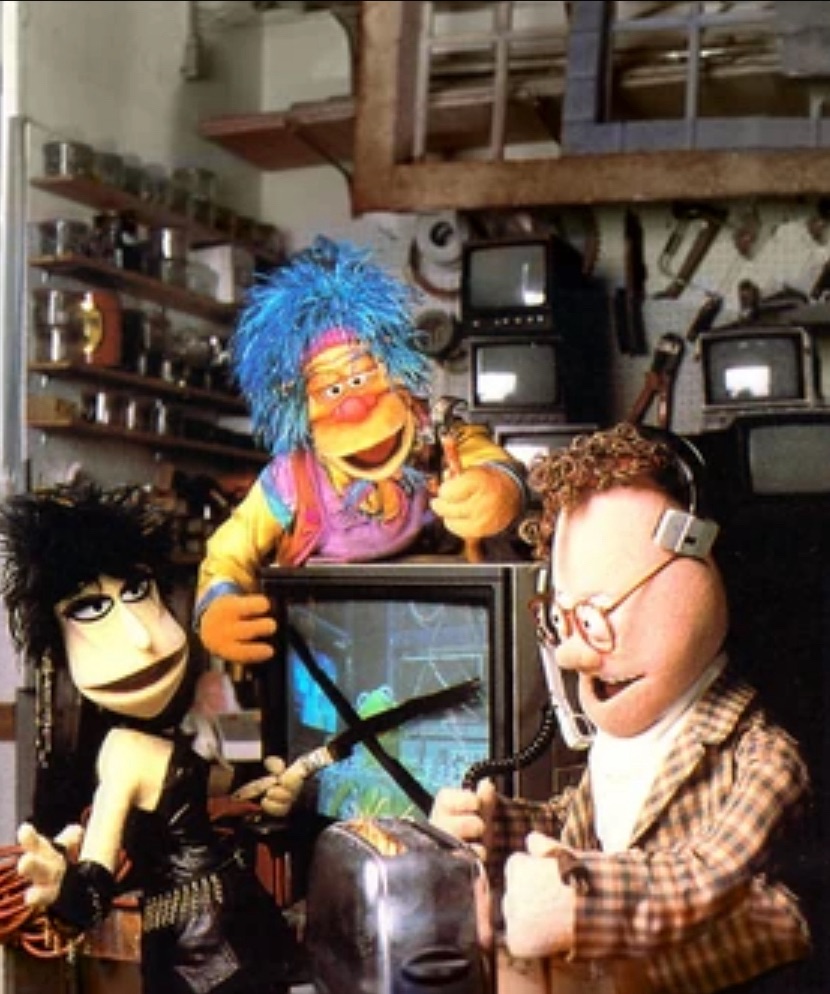
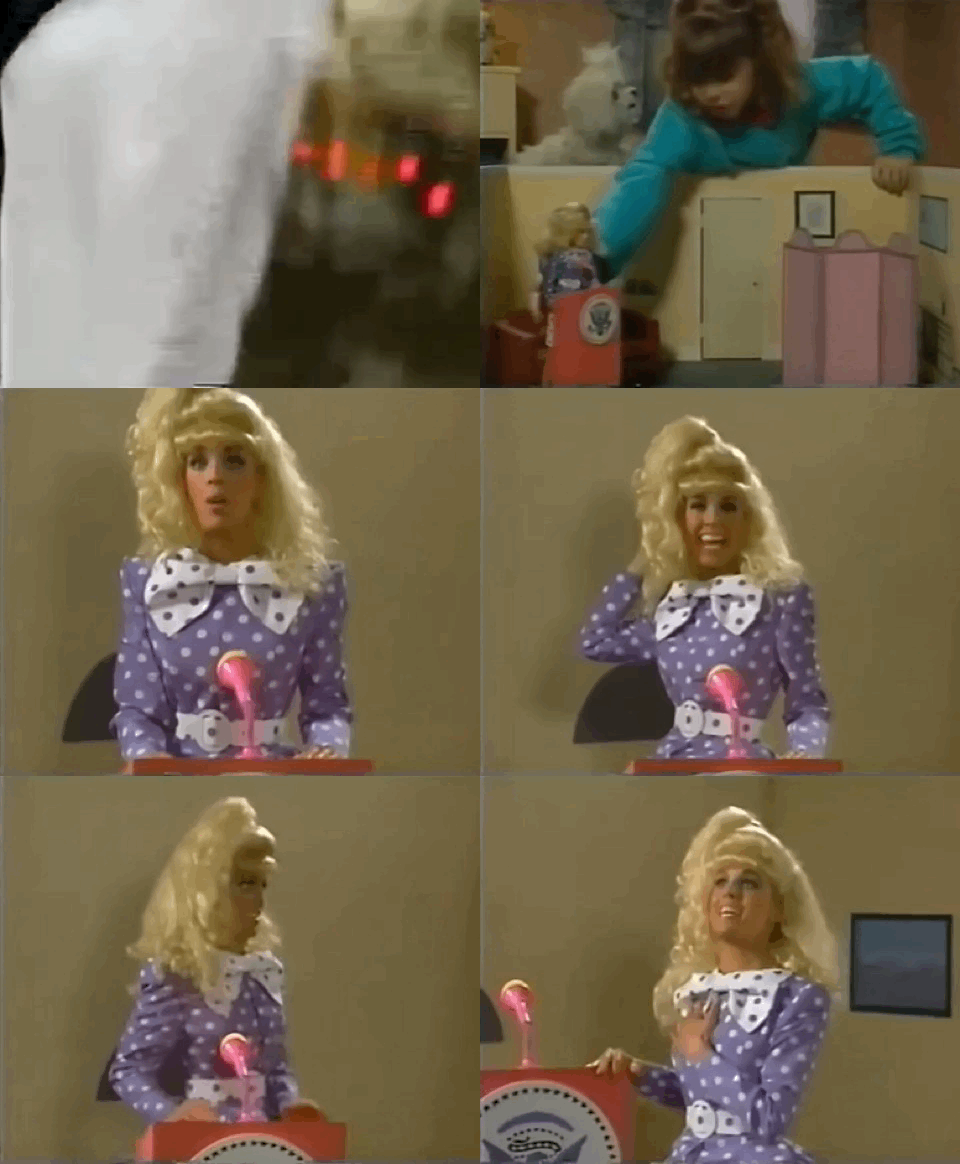
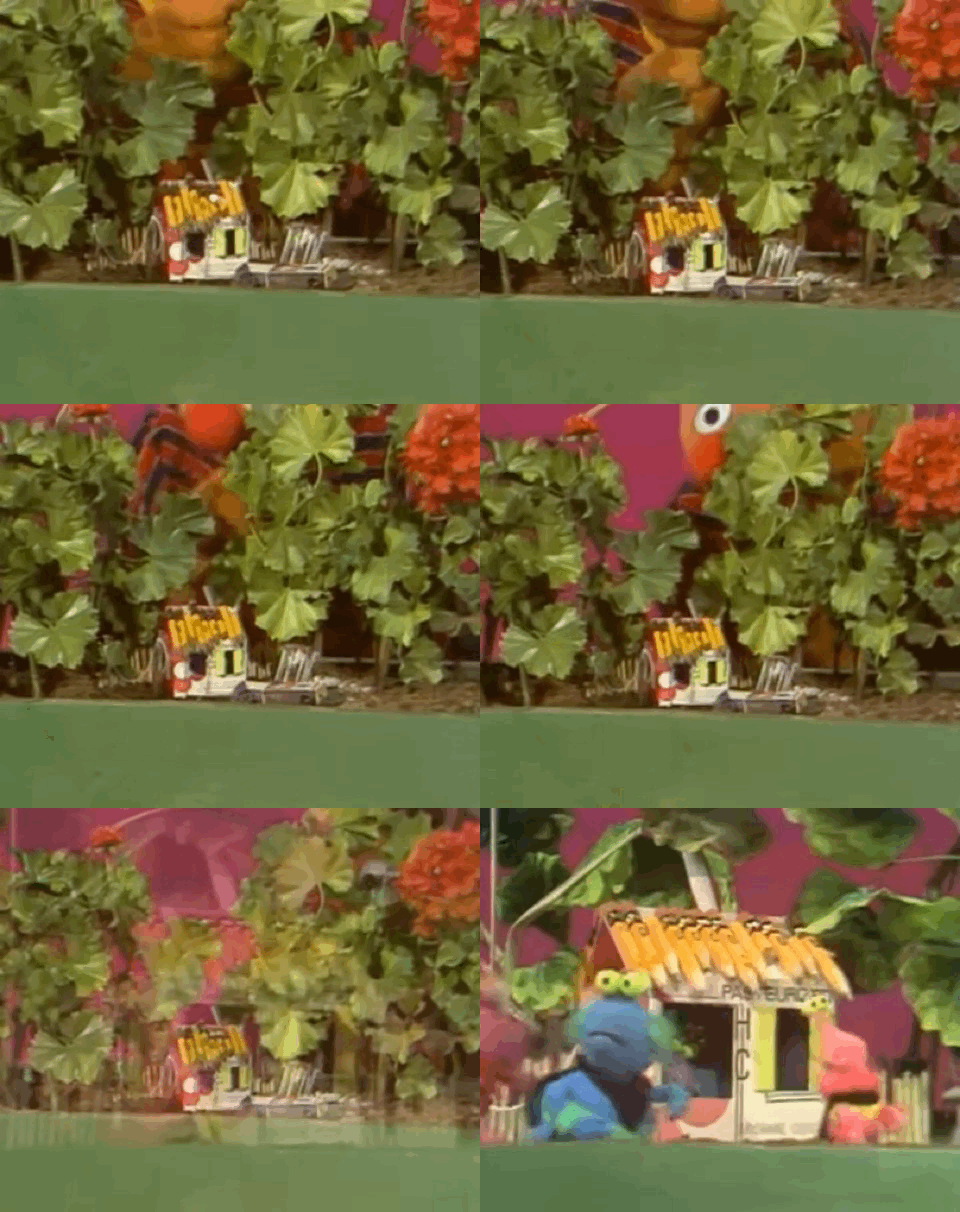
As the only regular skit on this show, Bootsie and Brad weren’t just a parody of the popular Barbie toyline. Featuring two real humans, the pair’s only Muppet parts are the plastic of Brad’s hair and the veneers they each wear. The sketch is still a work of puppetry, with the camera trick used to shoot the scenes including the “dolls” owner Amanda and her dog in the frame, the exact same ones as when Ernie would look in on the Tweedlebugs on Sesame Street.
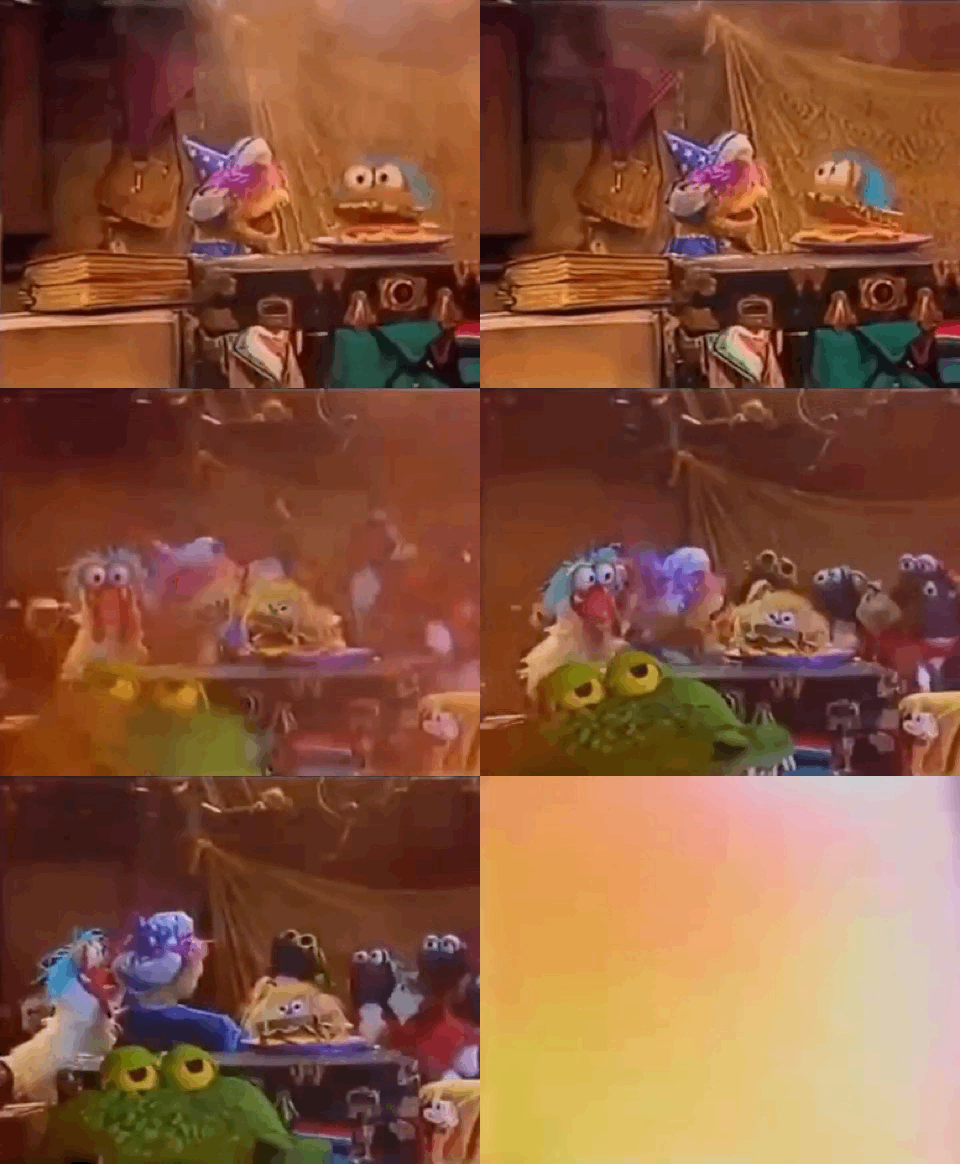
This leads to another. albeit unnoticed bit of information the The Jim Henson Hour’s title provides. This isn’t (just) a Muppet show. The program was a showcase of how, with sometimes nothing more than a sock, or a bag of trash, the Henson Company created illusions and infinite worlds. To this extent it gave Henson an opportunity to revisit another non-muppet project: The Storyteller. Several works from the anthology series that didn’t get aired on NBC back in 1987 found life thanks to the show. However, The Jim Henson Hour proved it was not solely a hospice for old projects with episode 4 taking audiences to Dog City. Clearly Kermit picked a winner when he chose to showcase this one. In contrast to other Jim Henson Hour episodes, Dog City The Movie took over most of the broadcast, eventually spawning its own series.
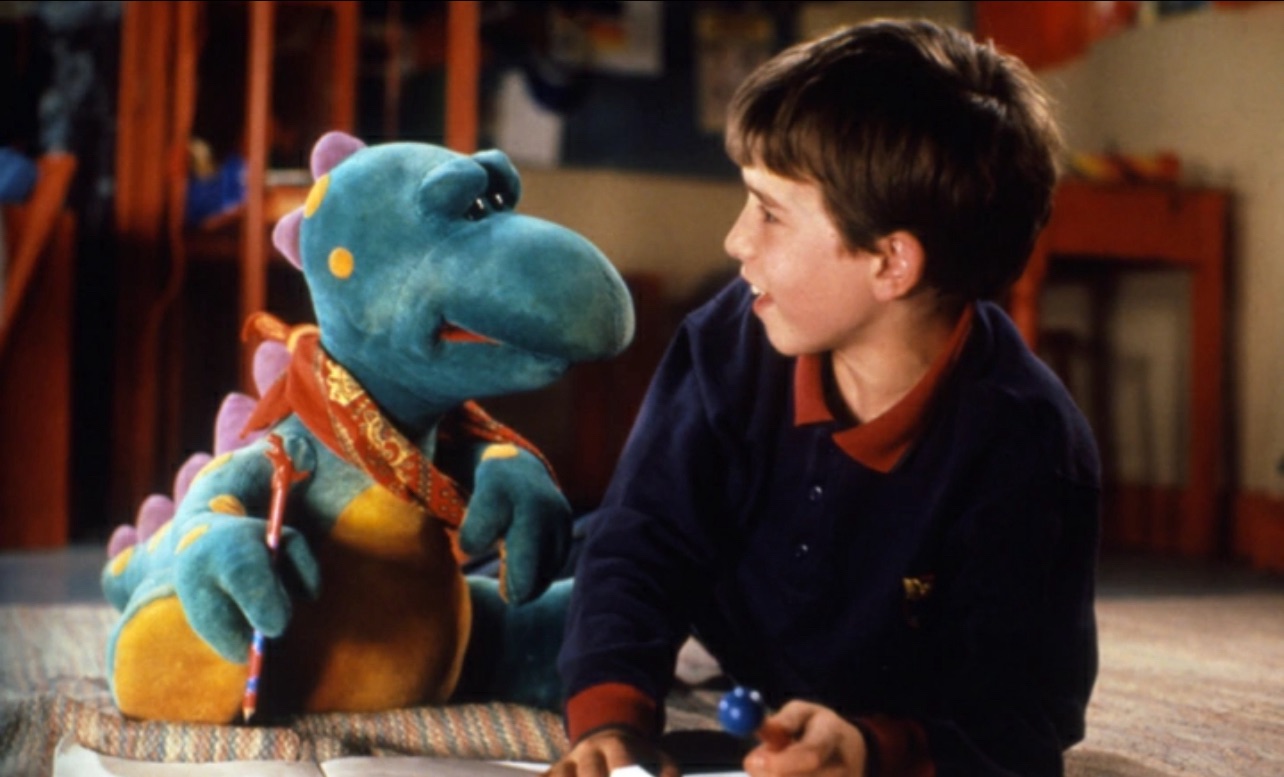
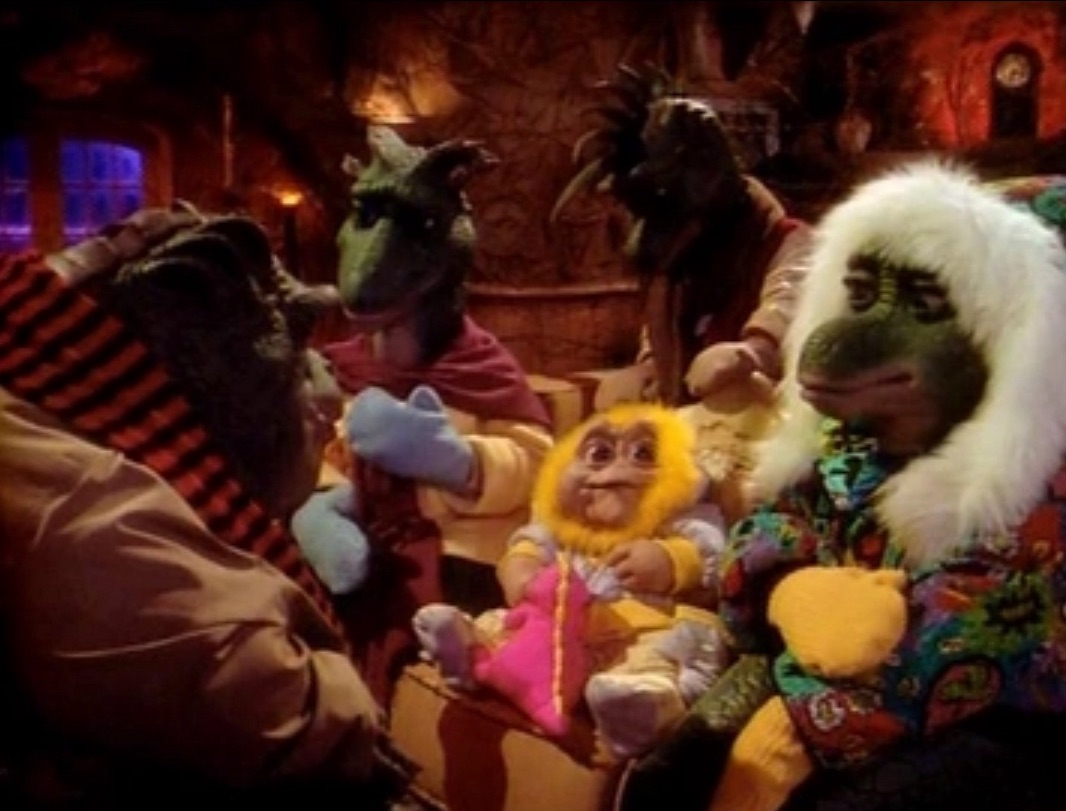
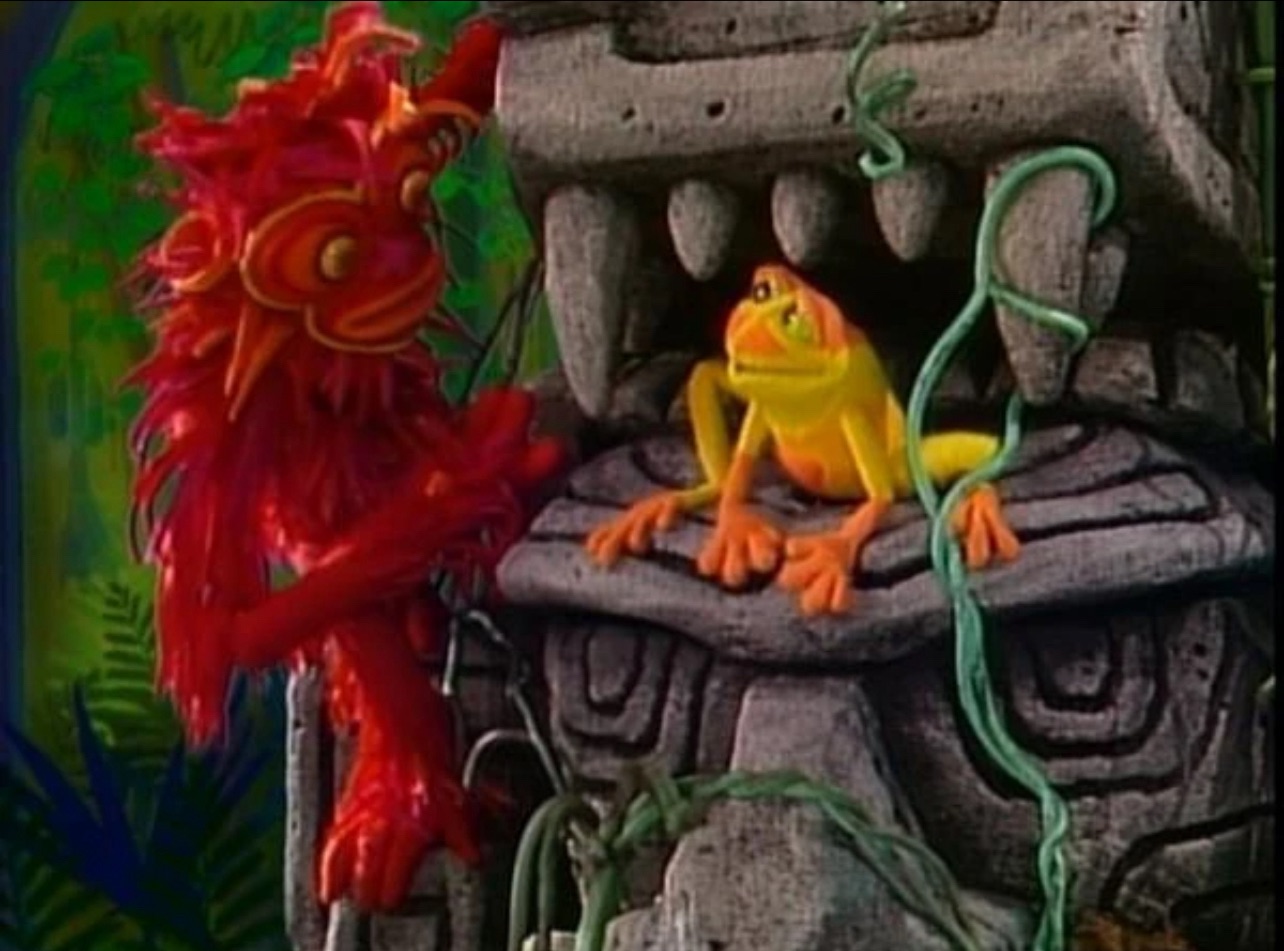
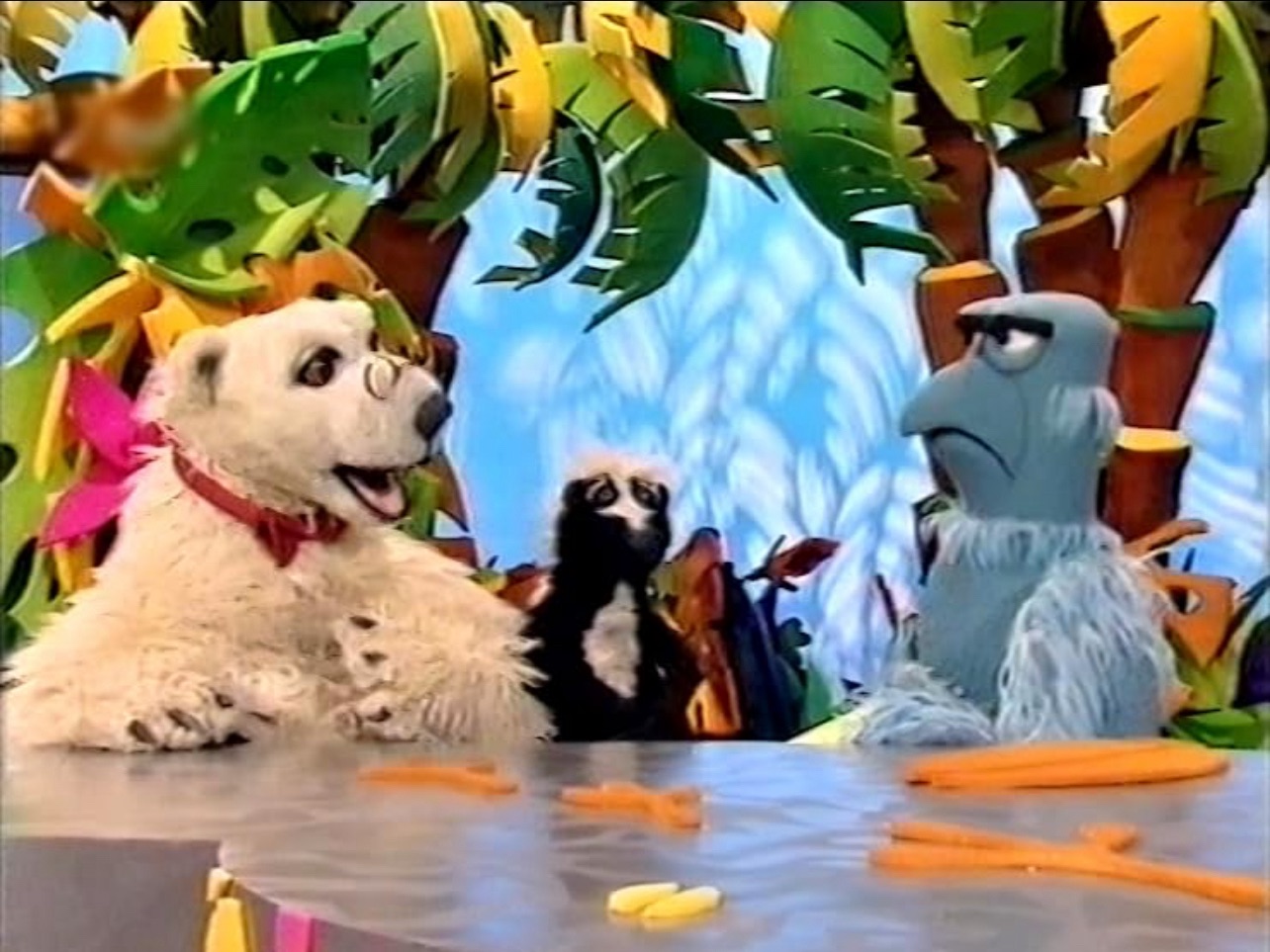
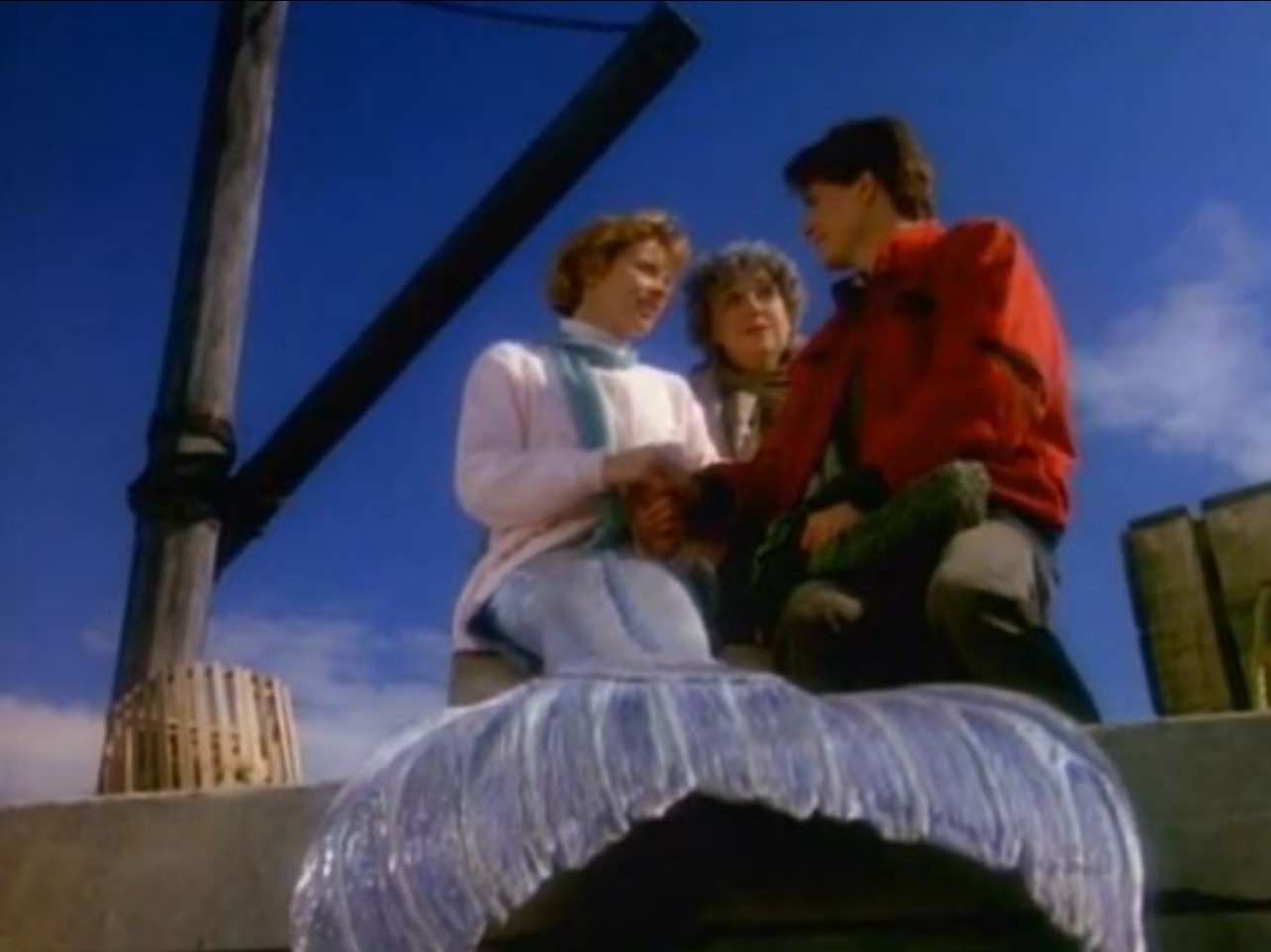

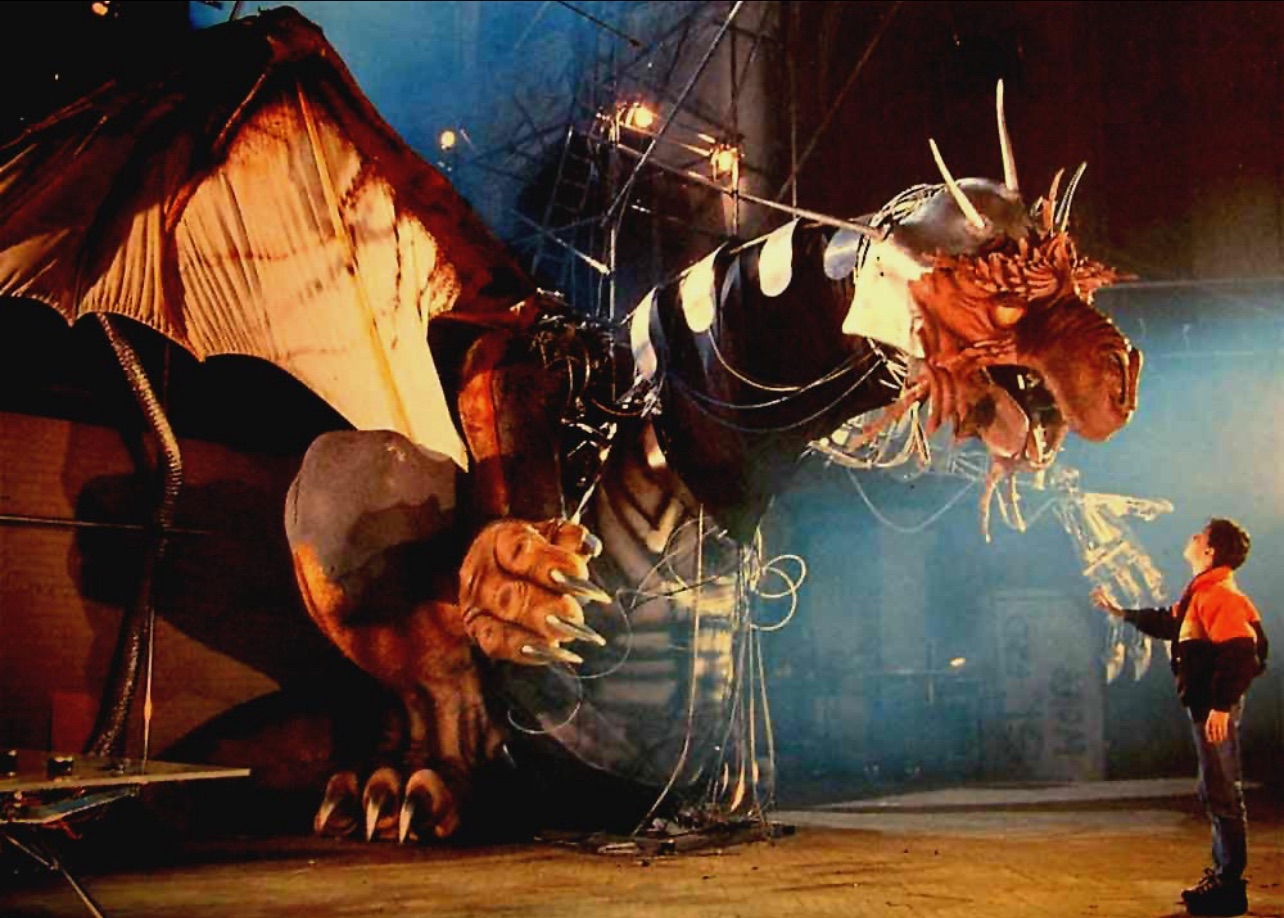
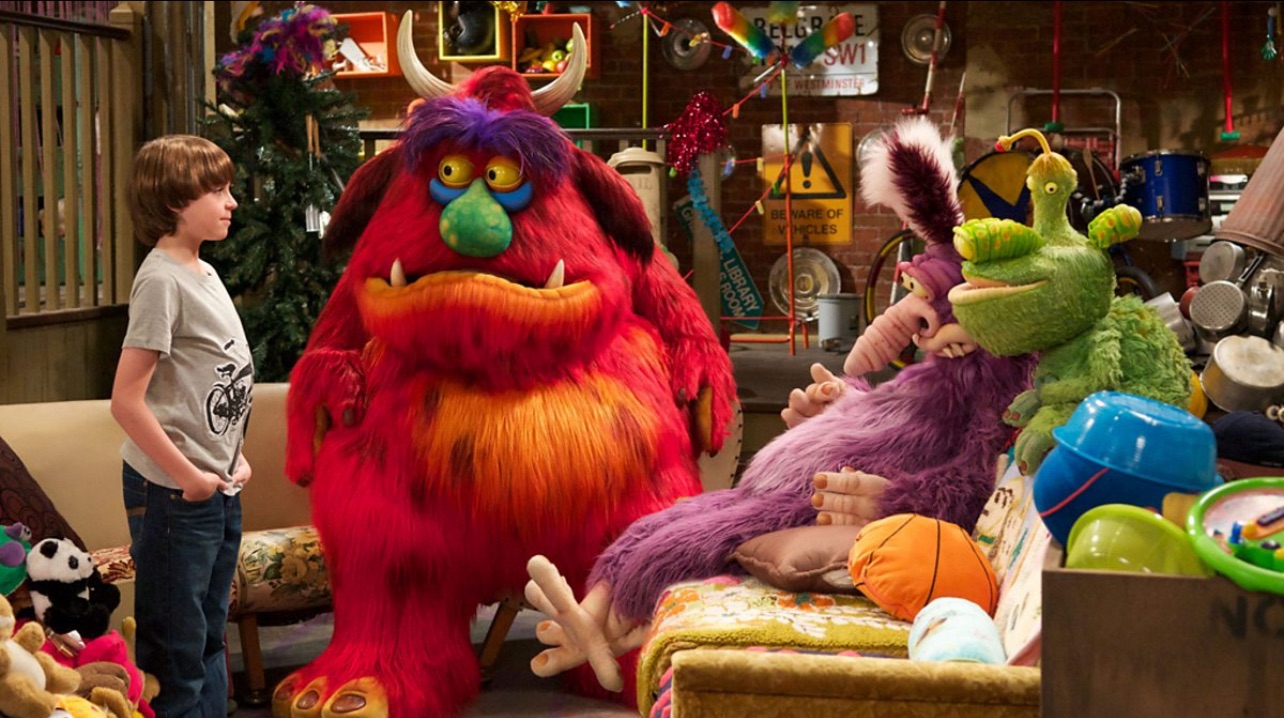
Part puppet show, 1992’s Dog City centers around a hand puppetted, dog animator named Eliot Shag and his comic strip creation featuring Ace Hart. Shag drew inspiration from his daily dilemmas to not just write his comic strips, but also allowed his animations to help solve his problems.

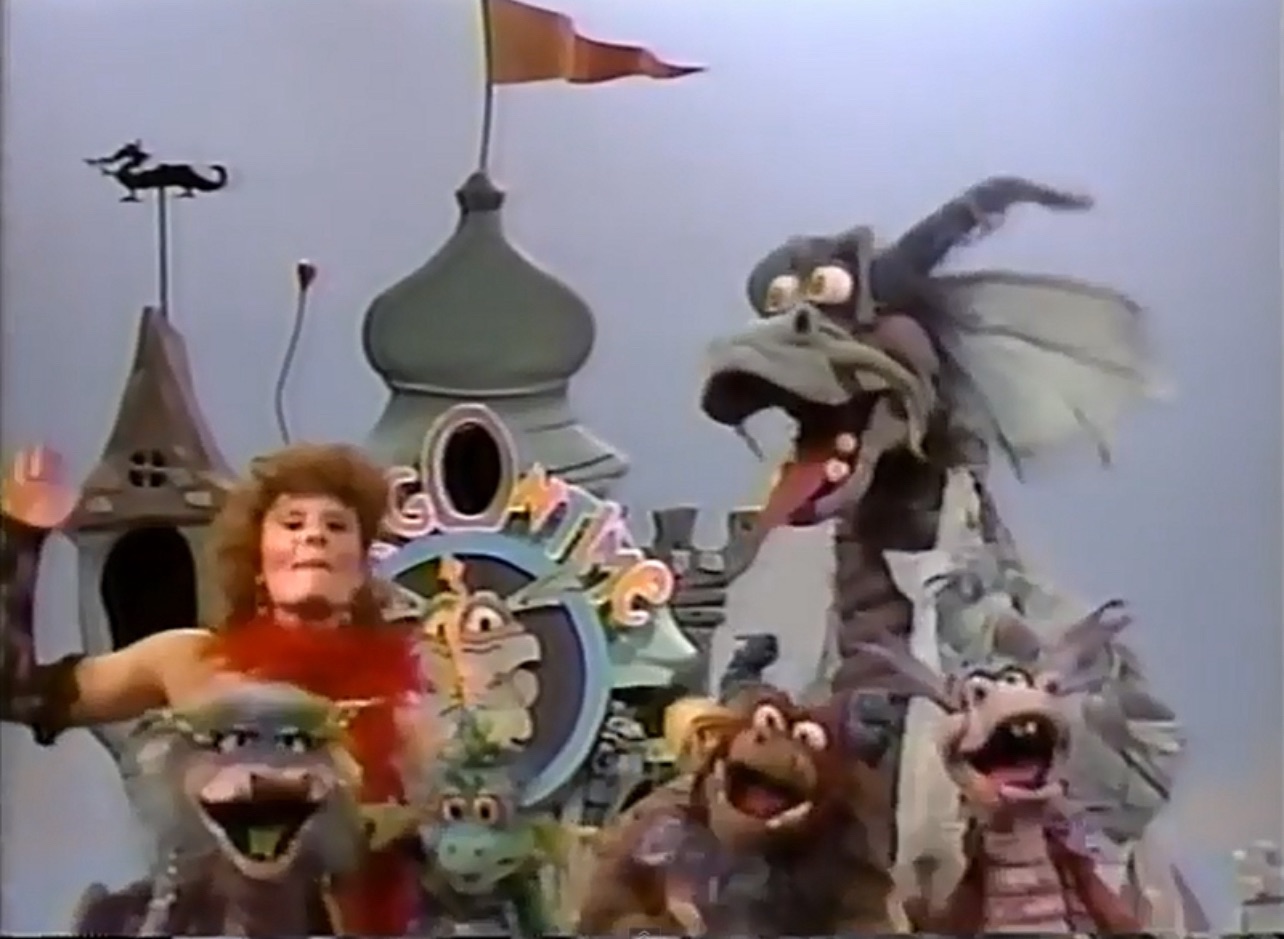
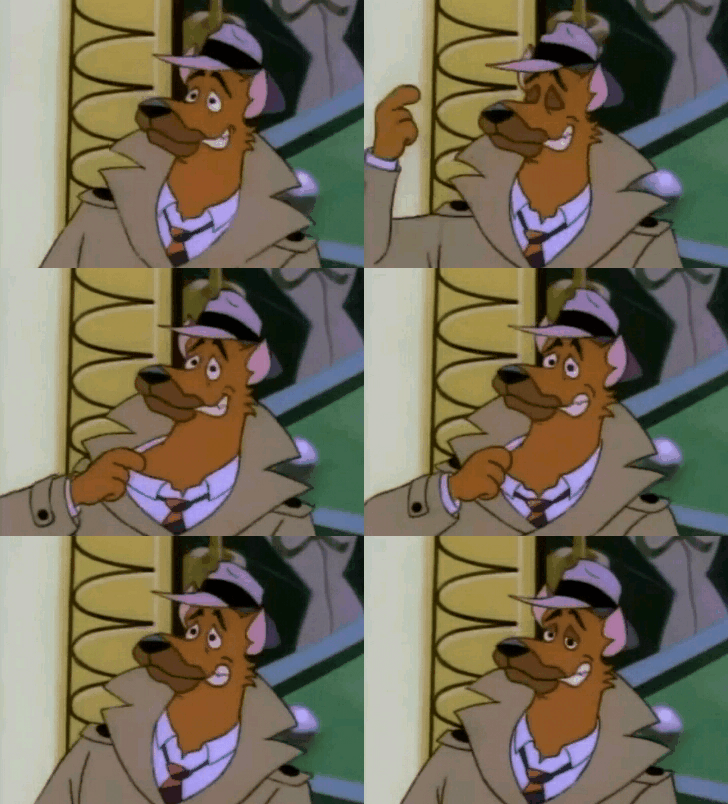
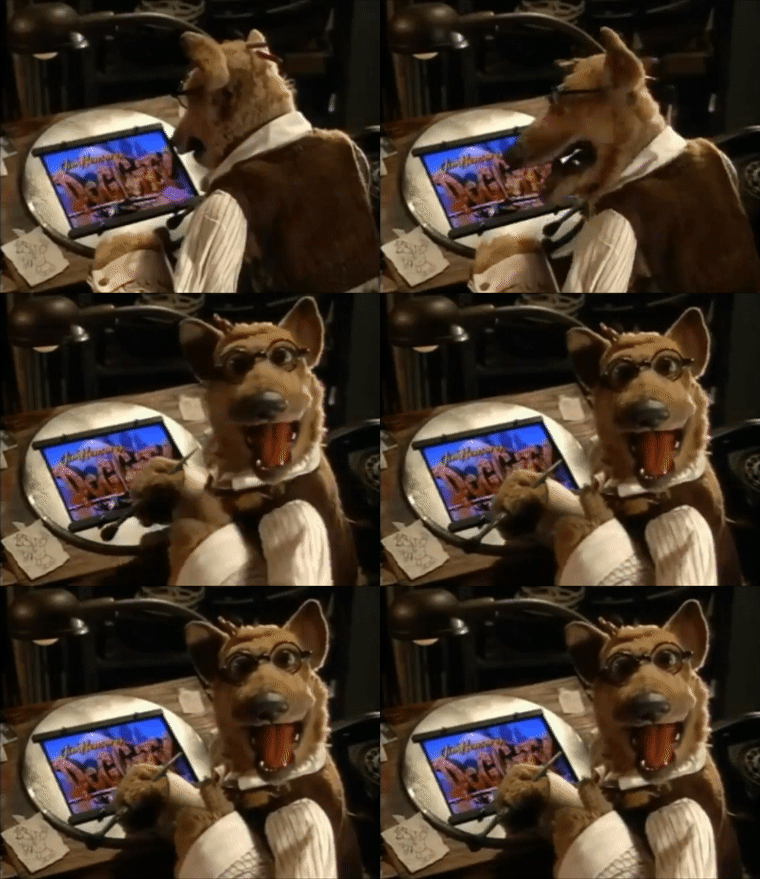
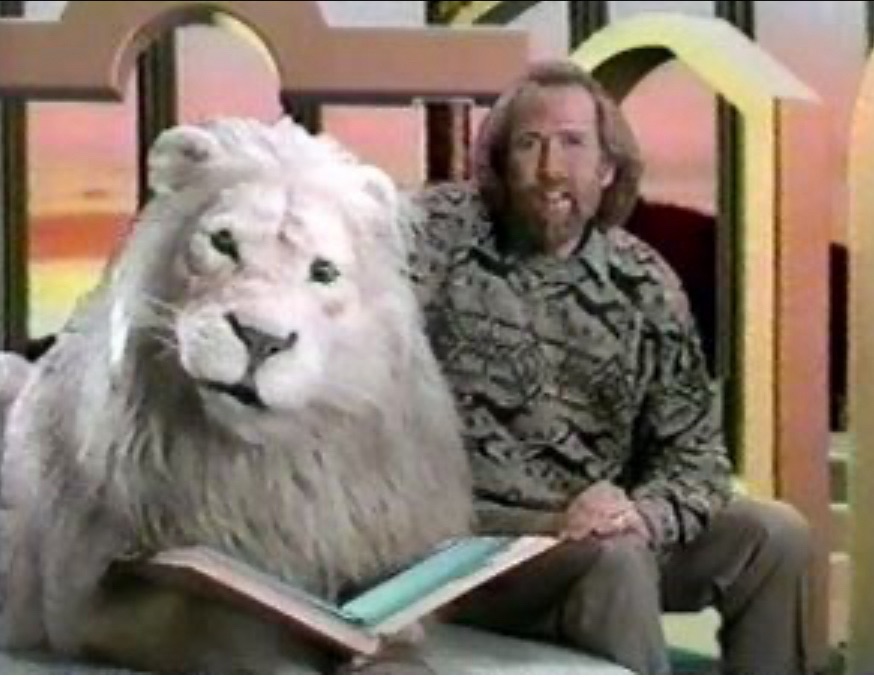
Lasting two seasons, Dog City is one of several successful endeavors from The Henson Company to exist on the outer reaches of The Muppet Show universe. Consisting of a cast devoid of any connection to The Muppets other than the Creature Shop. That, and something that Henson himself insisted upon having on hand as a crucial part of The Jim Henson Hour: The Thought Lion. A “gentle” reminder, first appearing in a Storyteller tale, of the power of ideas. Henson, like Mr. Rogers, was ahead of his time and today’s trend of manifestation with their encouragement of viewers to close their eyes and make believe; to make their dreams come true.
For when the world looks kind of weird.
Saying Goodbye
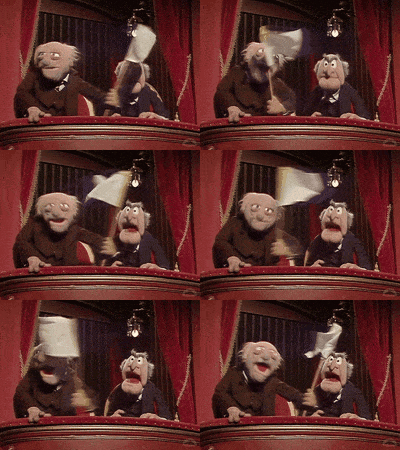
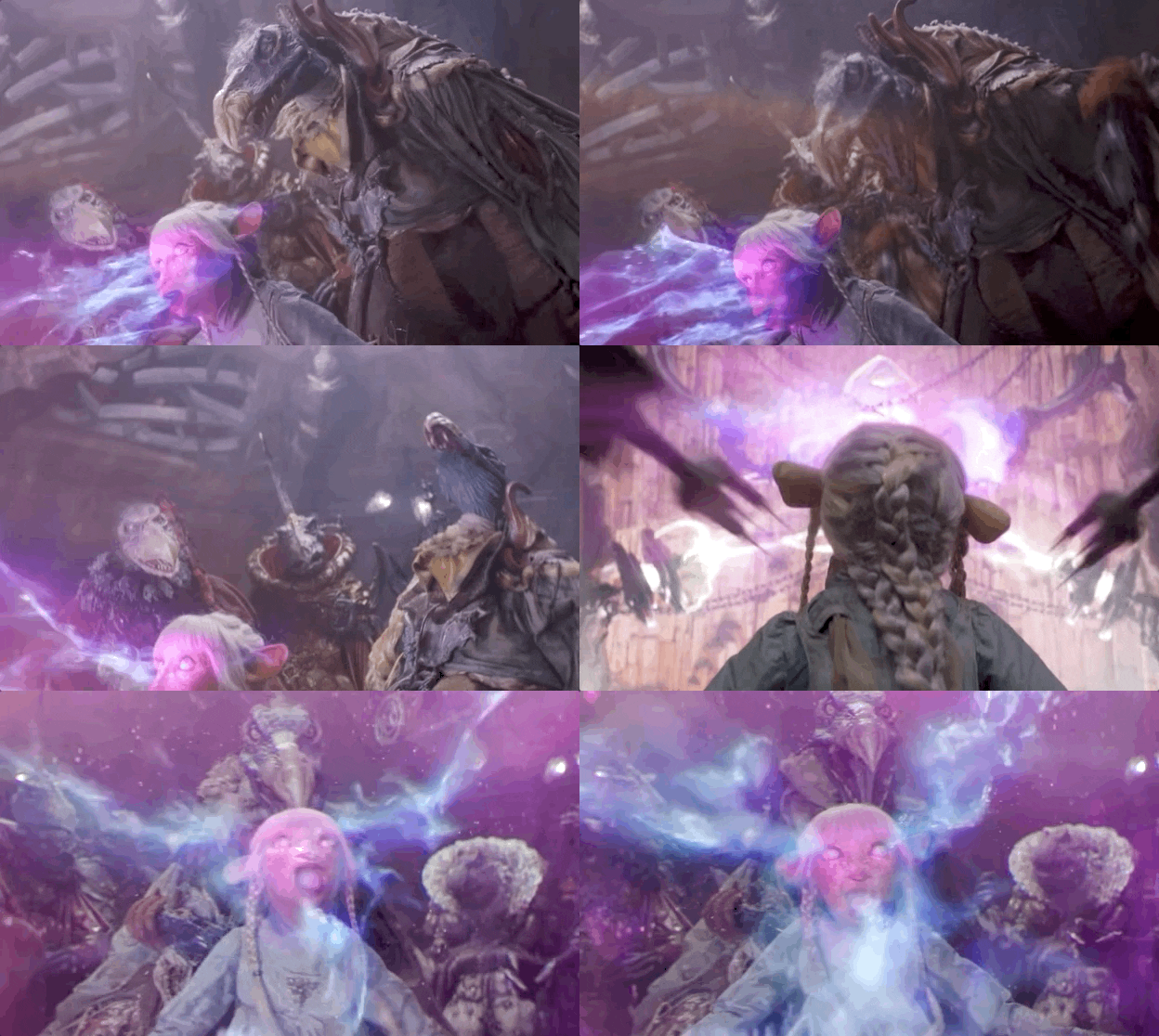
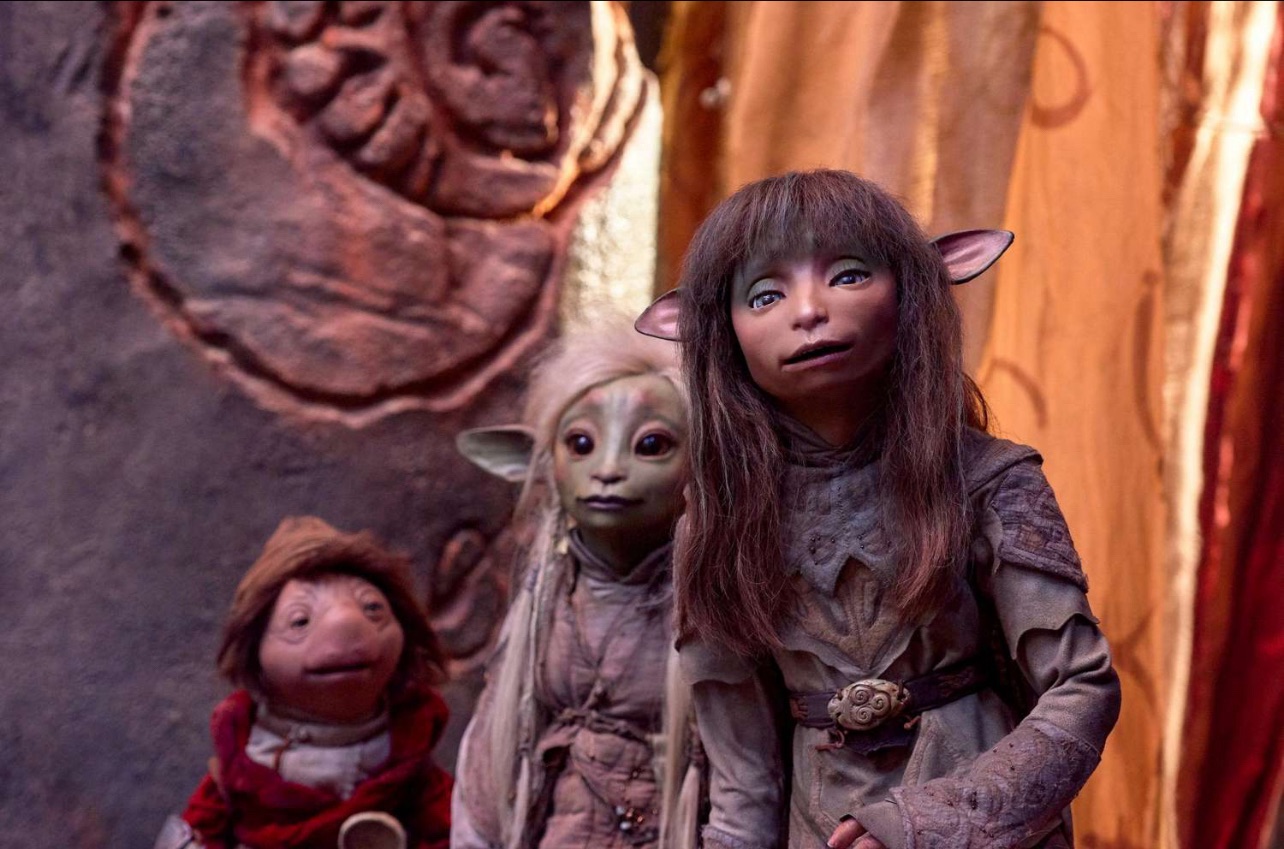
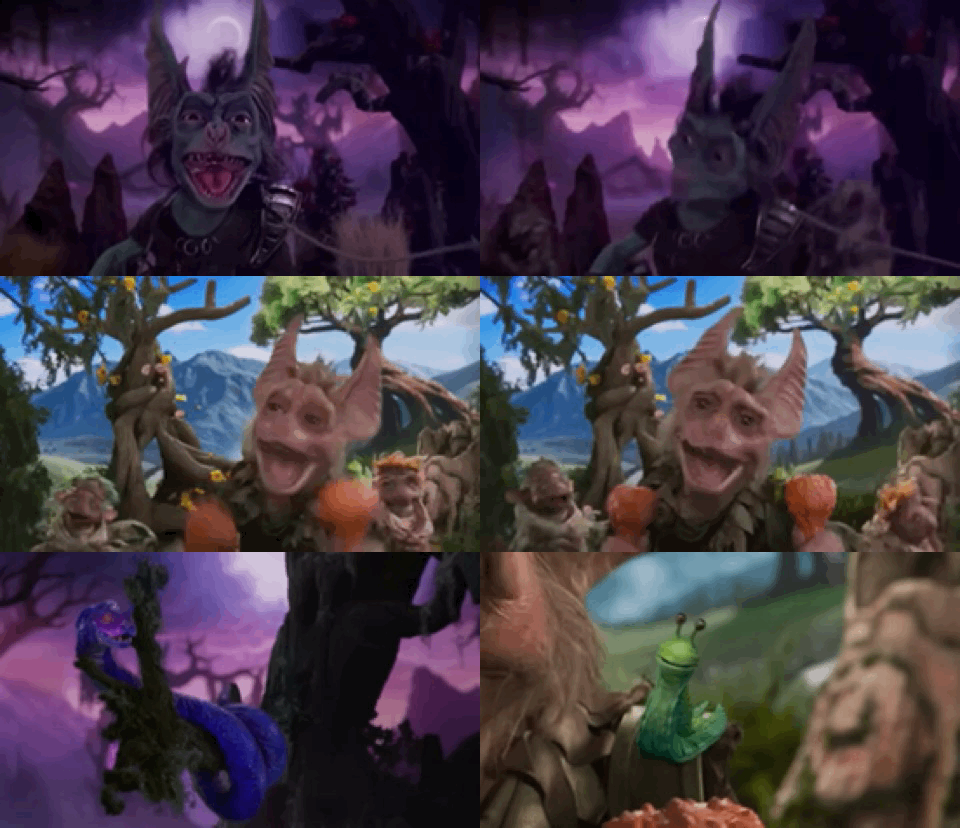
With little to no fanbase initially following the theatrical release, the takeaway from The Dark Crystal’s is how Henson’s material ages without deteriorating over the years. No word on what Standler and Waldorf think but compared to the critical reaction of the Star Wars prequel(s), viewers of Netflix The Dark Crystal: Age of Resistance praised the series for expanding upon the original film in relation to the aesthetic and plotline. At a time where so many claim media material is too touchy-feely, the Henson Company kept the series stuffed with the same cringe worthy, creepy crawly moments that kept audiences questioning whether the first film was suitable for younger audiences.
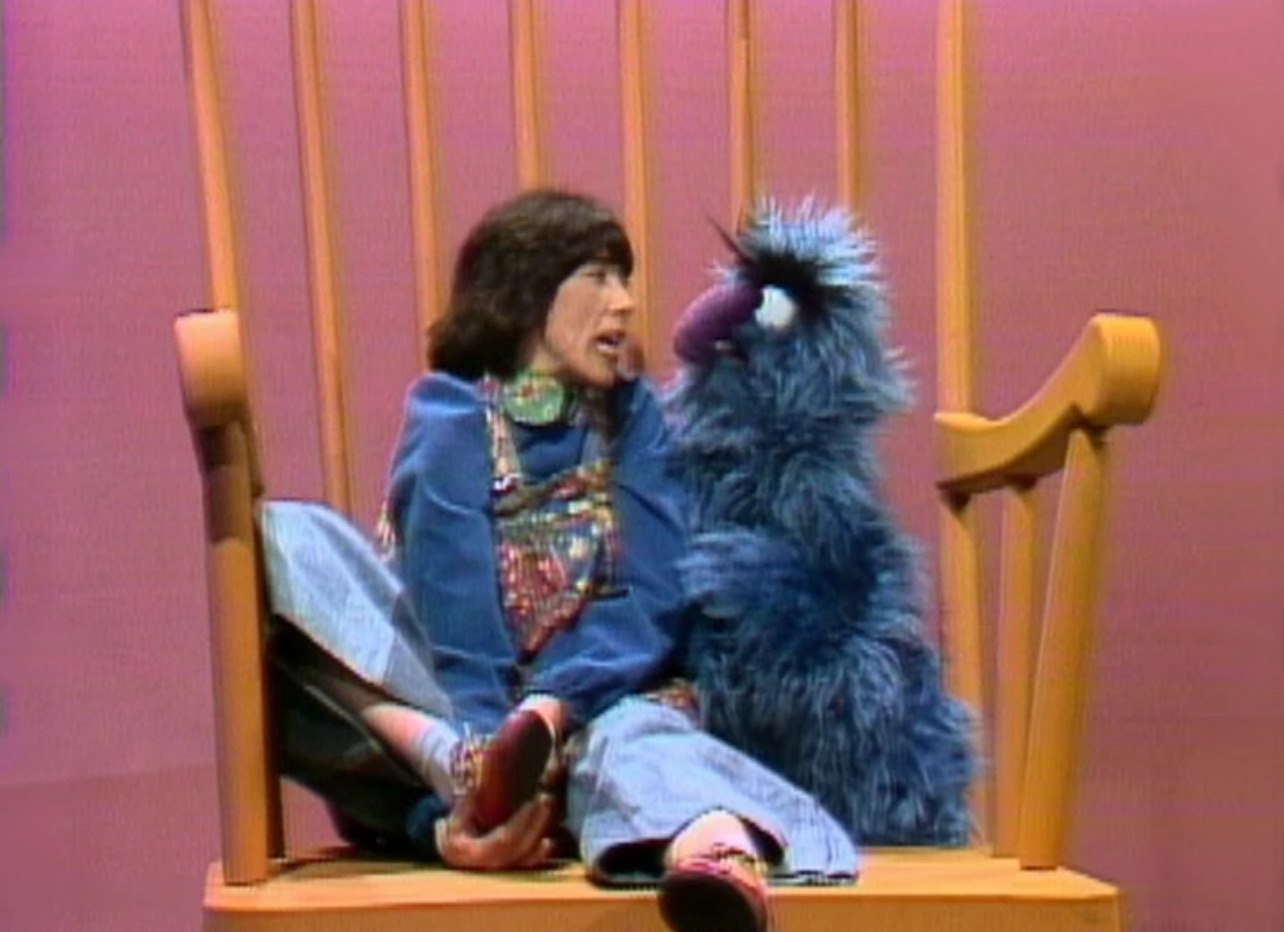
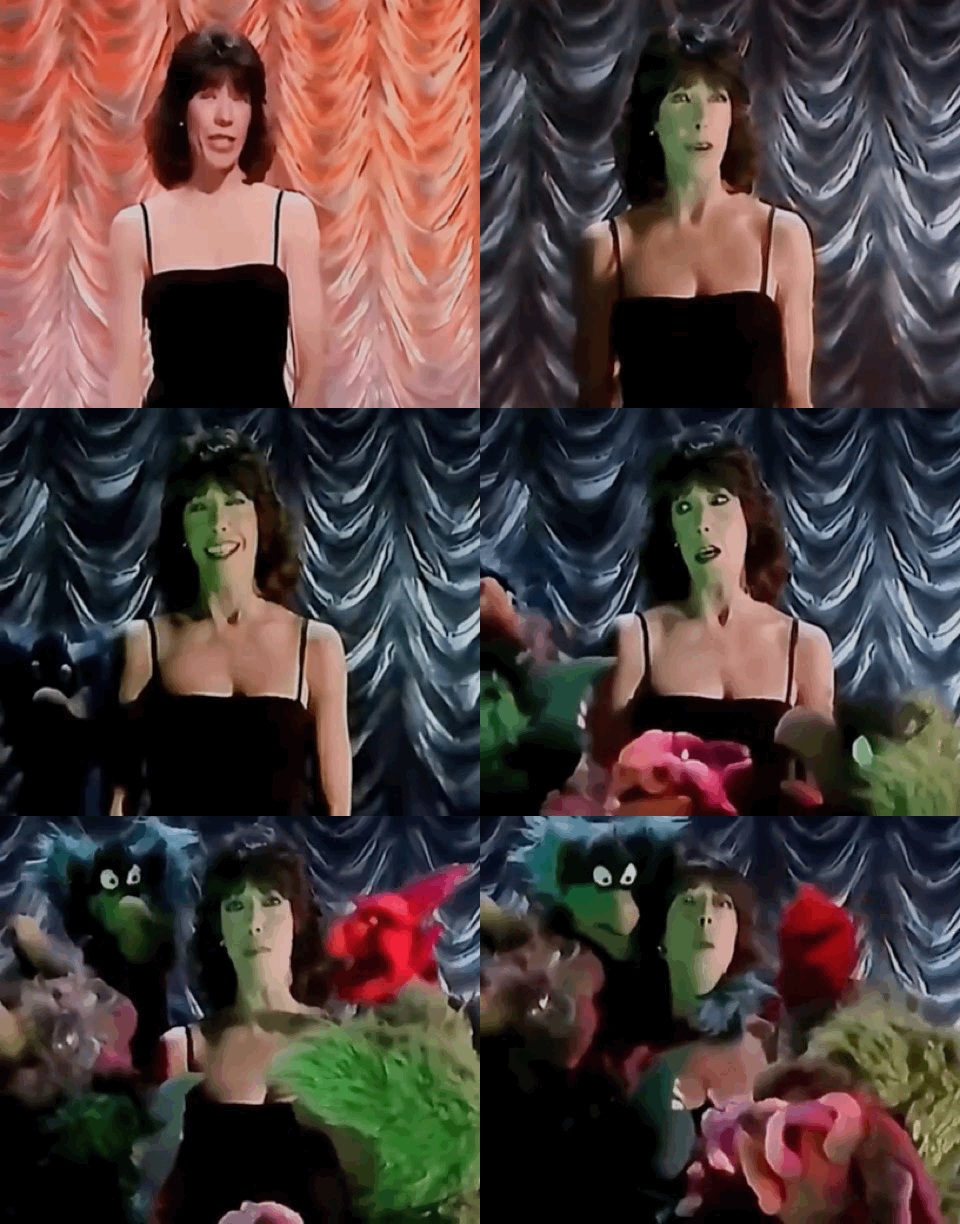
Understanding the responsibility he now carried, upon moving to Sesame Street, Kermit no longer appeared in advertisements for products like Wilkins Bread. This was done to avoid children, and their families, associating the beloved children’s show character with promoting any particular brand; becoming commercialized propaganda. Tragically, this reason also answers why Kermit only sporadically popped up in Sesame Street sketches once The Muppet Theater started. Henson intended for The Muppet Show to serve as a platform for future works where an adult audience could enjoy the art of puppetry. You’re probably asking how does Fraggle Rock fit in then?
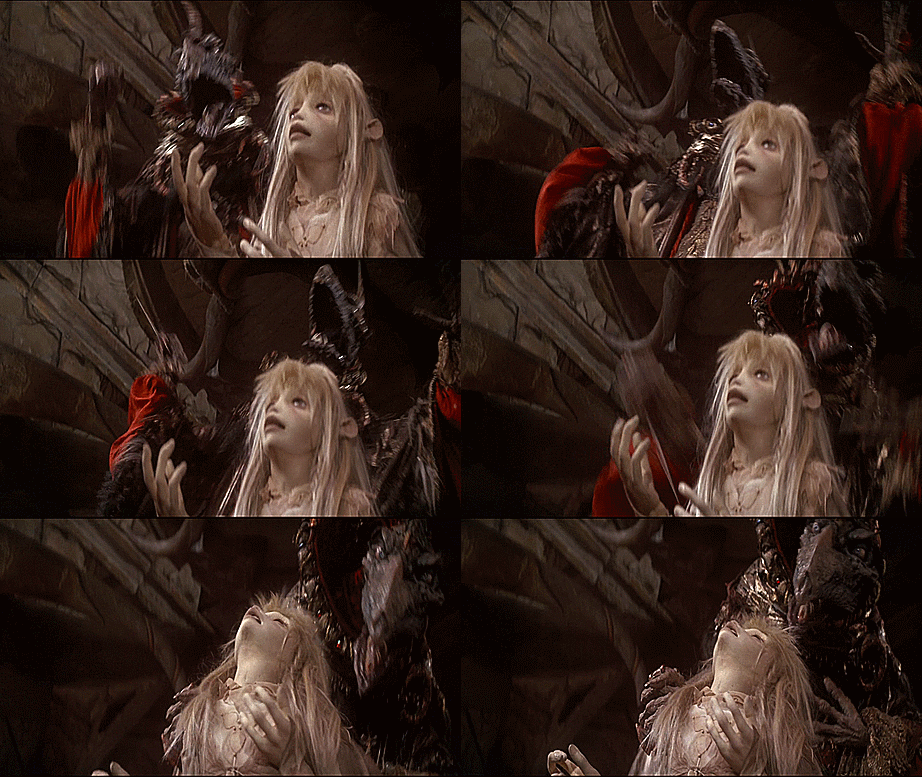
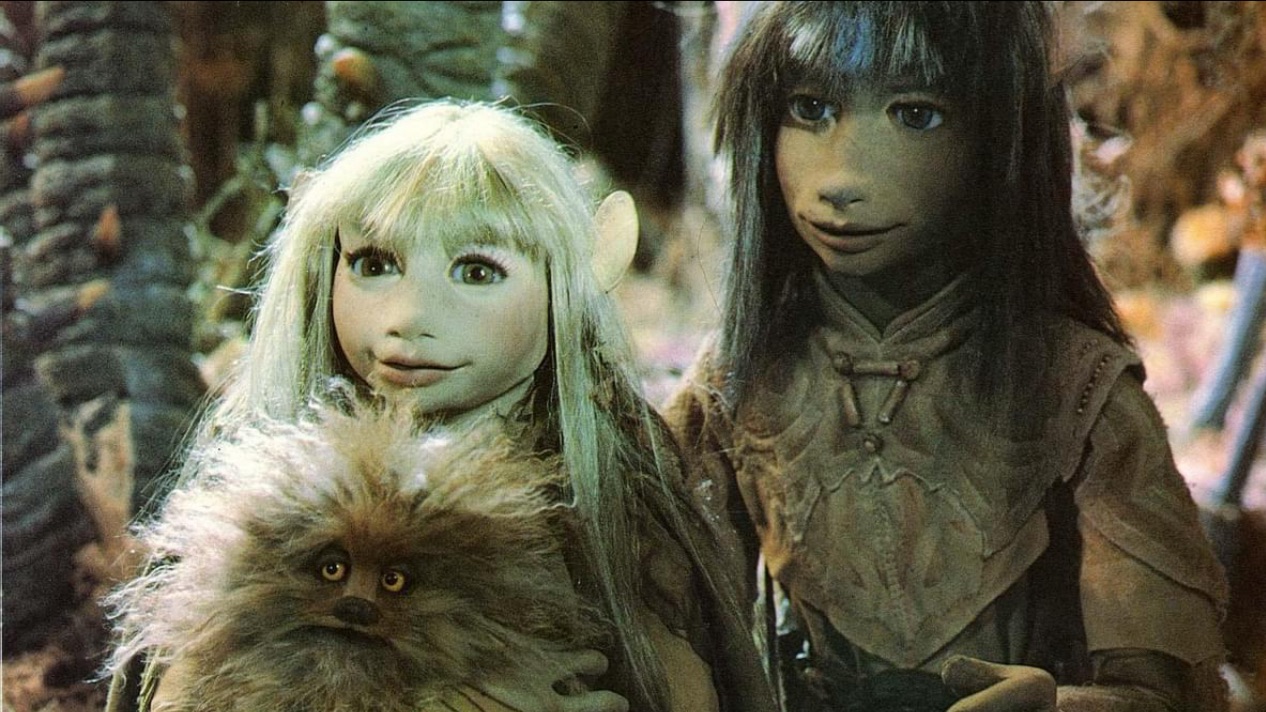
Like the Sith and Jedi, the Skesis and Mystics seen in 1982’s The Dark Crystal were once one. The two species’ origins echo each other as the epic tales share identical takes on corruptible power, domineering villainous forces and even a young, desert dwelling hero. Among critics and watchdog groups, however, one was not like the other: suitable for younger audiences. This struggle between sides mirrors Henson’s own in terms of the projects he dreamed of presenting. For proof look no further than the decisions the director made for Kermit early in the frog’s career.
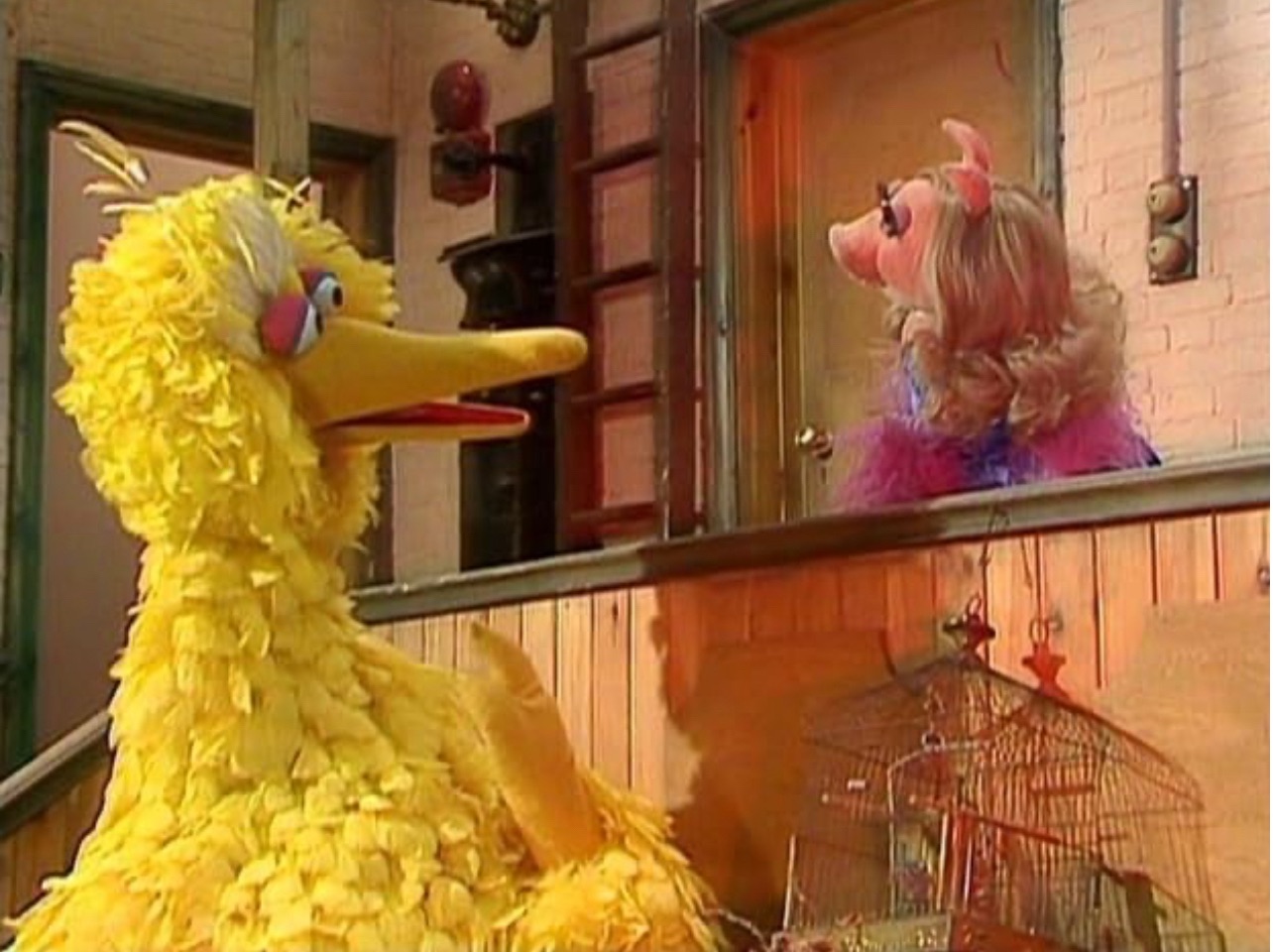
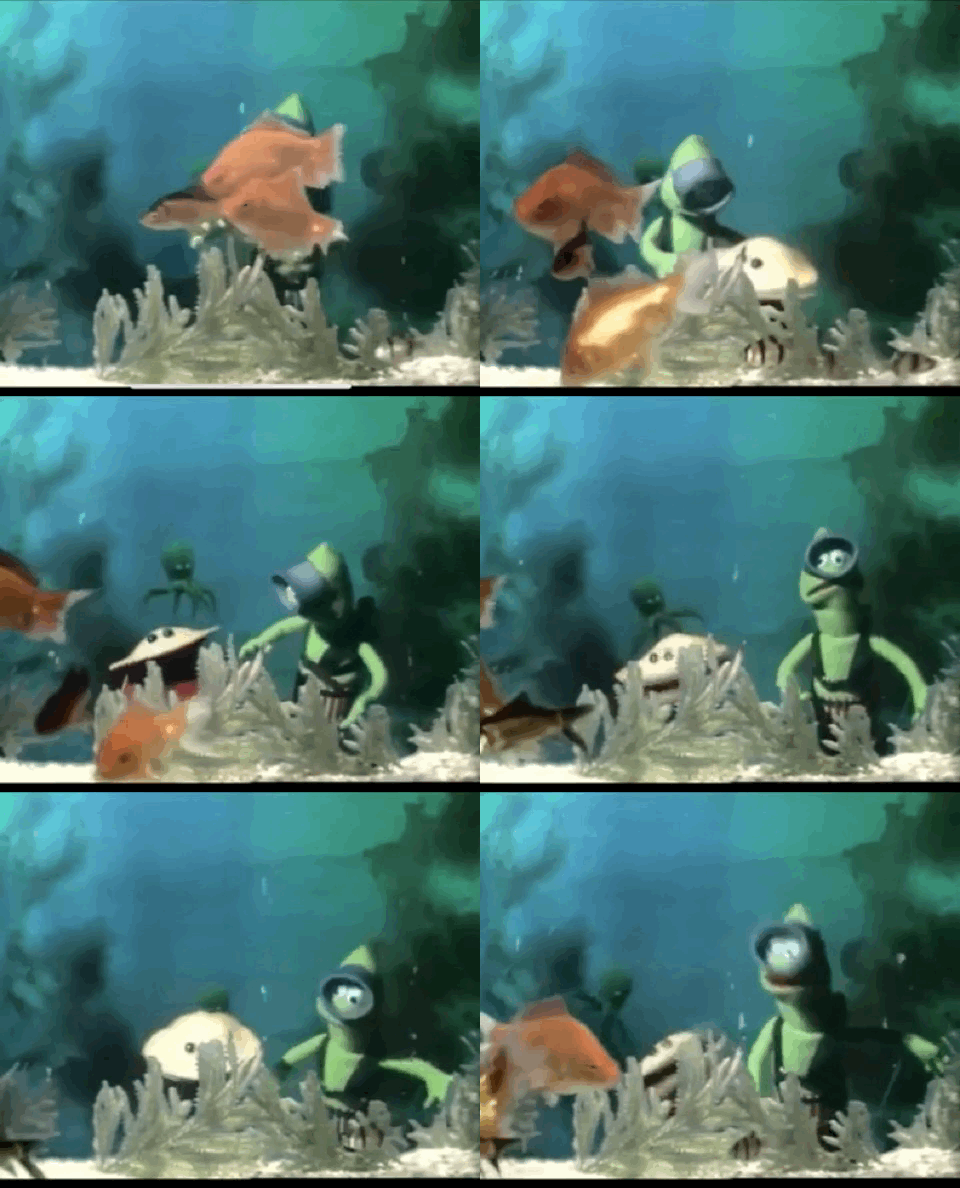
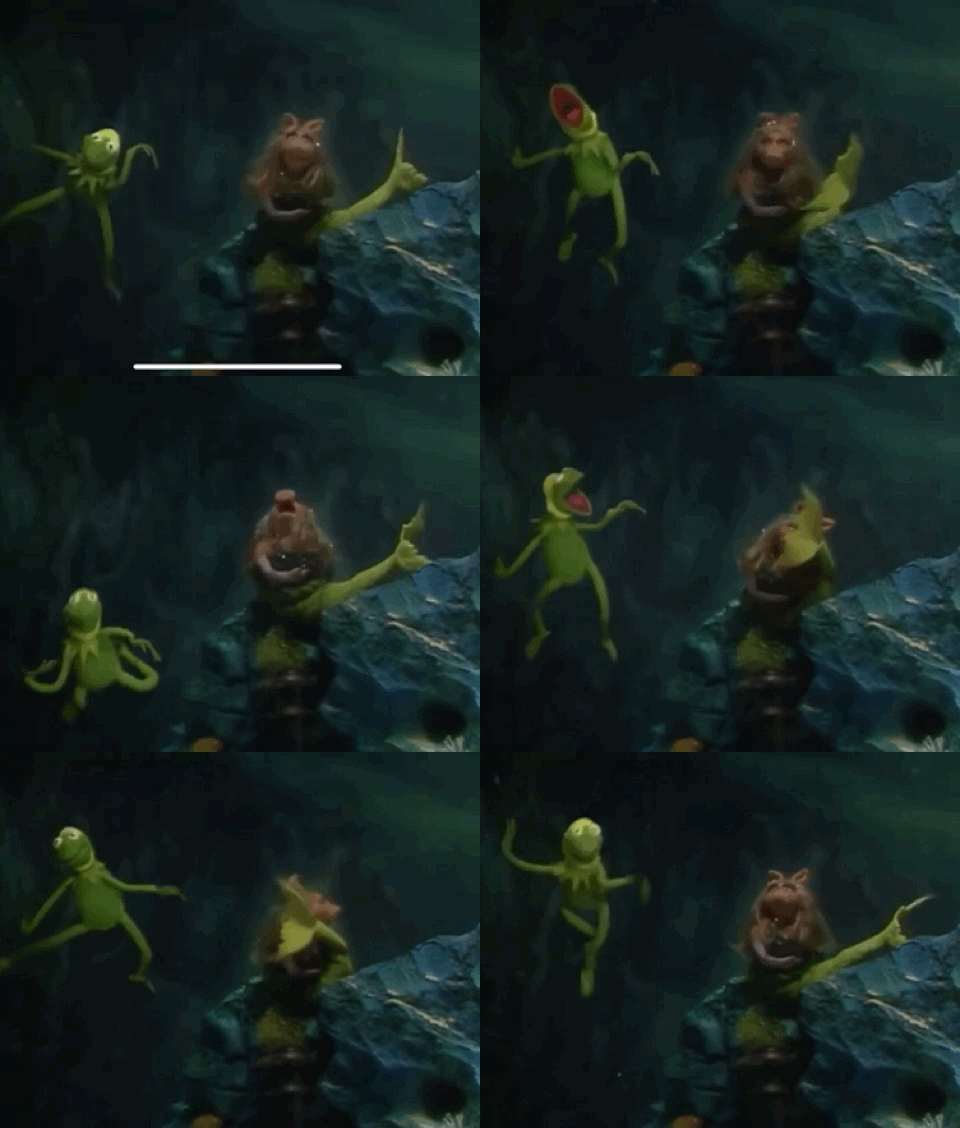
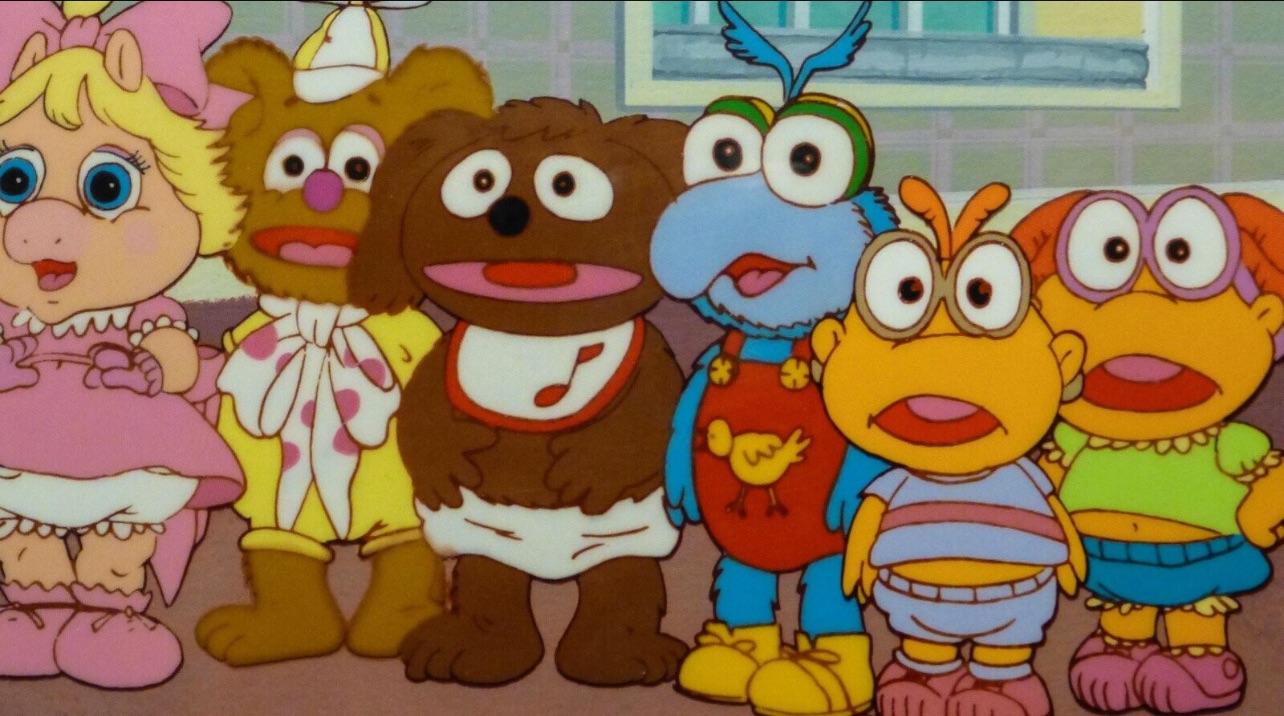
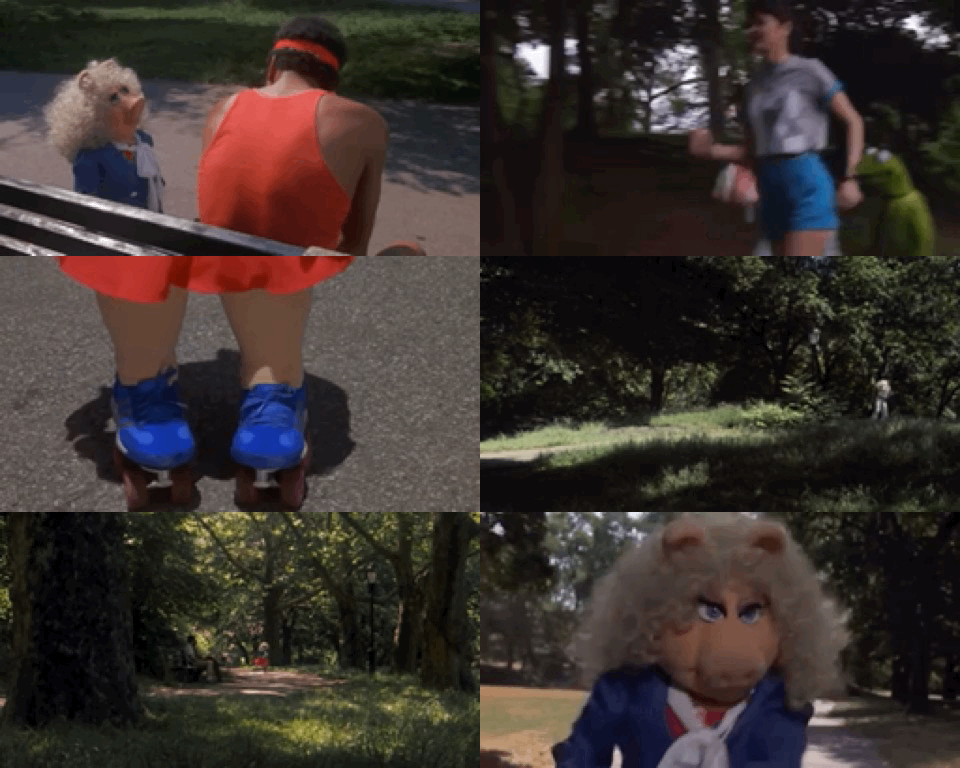
Better yet, with the concern of The Muppets being relegated to merely a kids show, how odd does it seem – on multiple levels – that Jim Henson chose to green light a cartoon based on the characters? Piggy’s dream sequence during her carriage ride with Kermit in Muppets Take Manhattan was the drawing board that helped make this dream a reality. Appearing as toddler versions, on Jim Henson’s Muppet Babies the two characters, along with a few other Muppet Movie alum, brought Jim Henson back to Saturday mornings September 15, 1984 on the CBS Network. As the second longest running Muppet show, with how well it resonated with viewers no one can argue with how well the series recreated the characters.


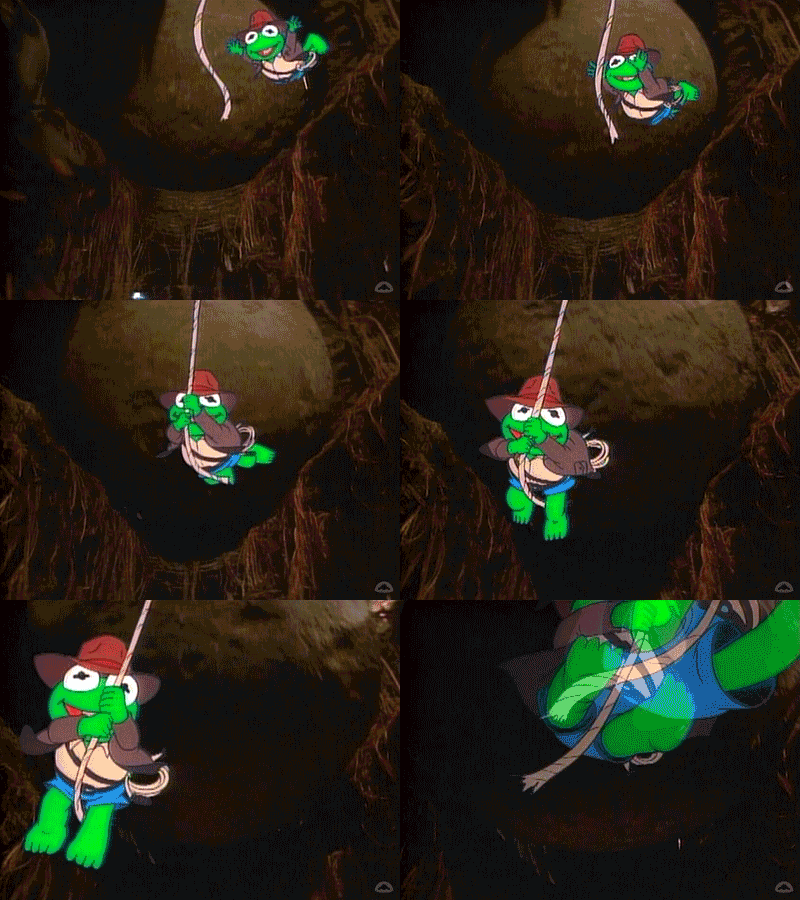
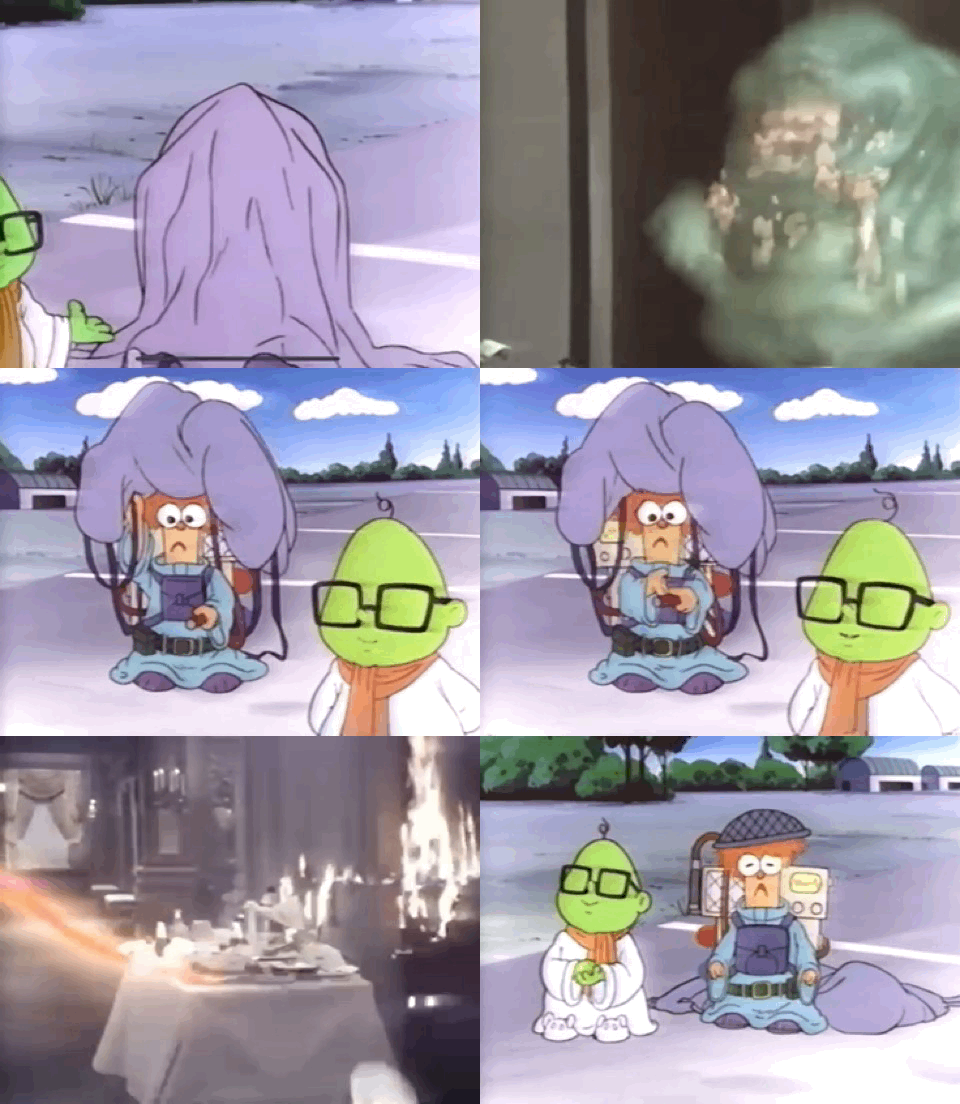
Jim Henson’s Muppet Babies gave each of the familiar actors a childish transformation, yet maintained their most relatable traits, essentially making each a unique kids mask. By crafting their daily activities around an adventurous storyline with unexpected and unpredictable insert encounters from “real” television shows and films, the series drew in the attention of the target audience. Those inserts, like the quick, attention grabbing scenes Henson helped produce during his time on Sesame Street, are reinforcers from a different dimension, in the same manner of modern day vision boarding. A strategy for blurring the lines; connecting the dots between the situation and a solution. With episodes that dealt with troublesome toddler topics like the fear of the dark and a lost toy, Jim Henson’s Muppet Babies allowed The Muppets to live on, albeit in two dimensional form.
Now, before anyone asks if the cartoon Muppets belong in a discussion about puppets, you should recall from earlier the mention that while all marionettes are puppets, it was not the only genre of puppetry. With this information we can safely state that during the times when a member of The Henson Company used twine to stay out of the shot the result was that Muppet – even temporarily – became a marionette. Well, like this example with marionettes and puppets, people tend to conflate the terms animation and illustration.
With Yoda’s quote on the wondrousness of a child’s mind, it makes sense that The Muppet Babies are on hand to help explain. Hopefully everyone agrees that an illustration of baby Gonzo is a representation of the blue “alien” muppet, as is the puppeted baby Gonzo in Muppets Take Manhattan. The thread that connects the two are the talented teams of artists that provide voices and motion to the otherwise blank canvases; animating them in their respective mediums. So see, puppets and cartoons can be tied to the same cinematographic technique: animation. Do you know anyone else that lives in that state?
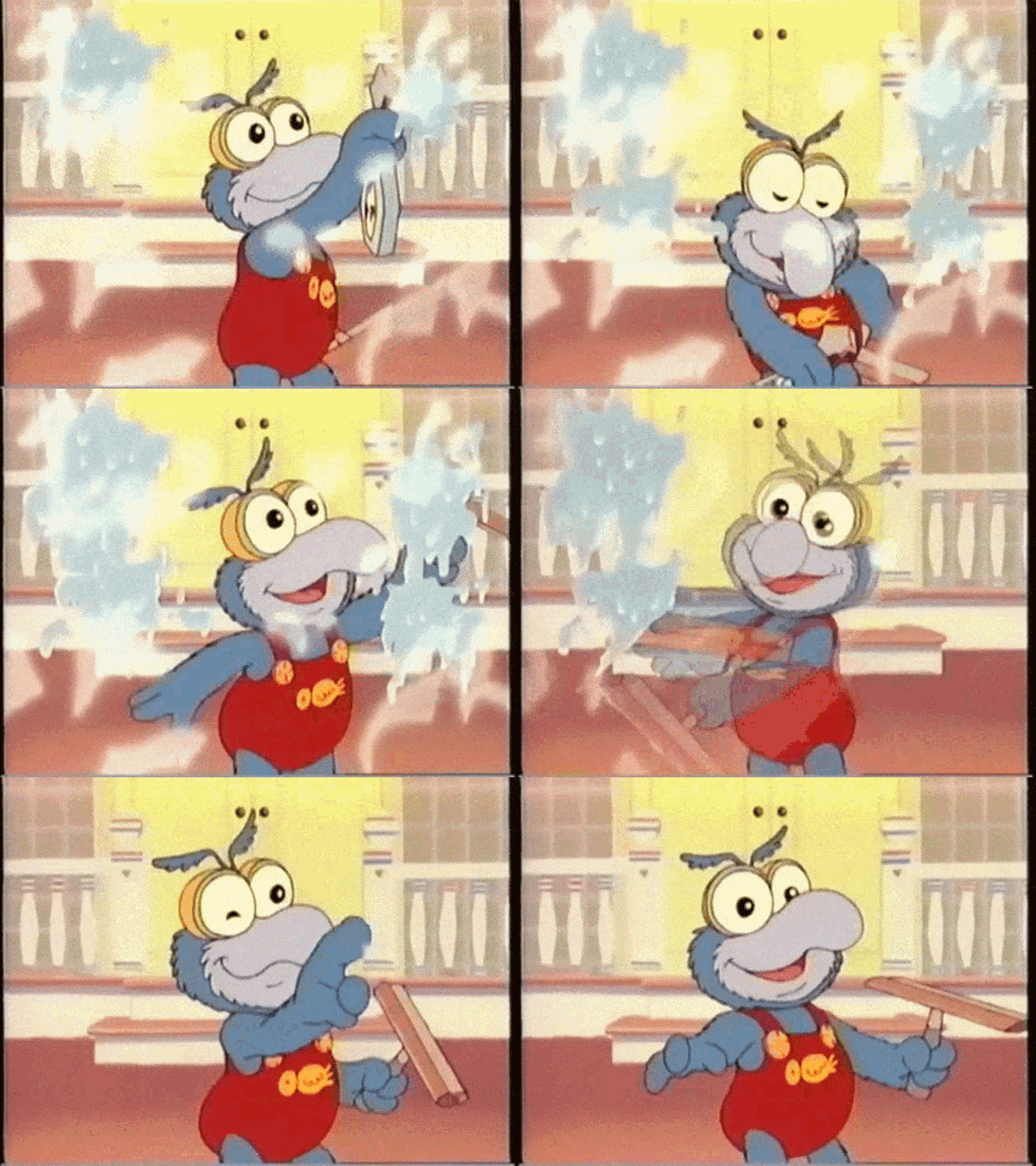
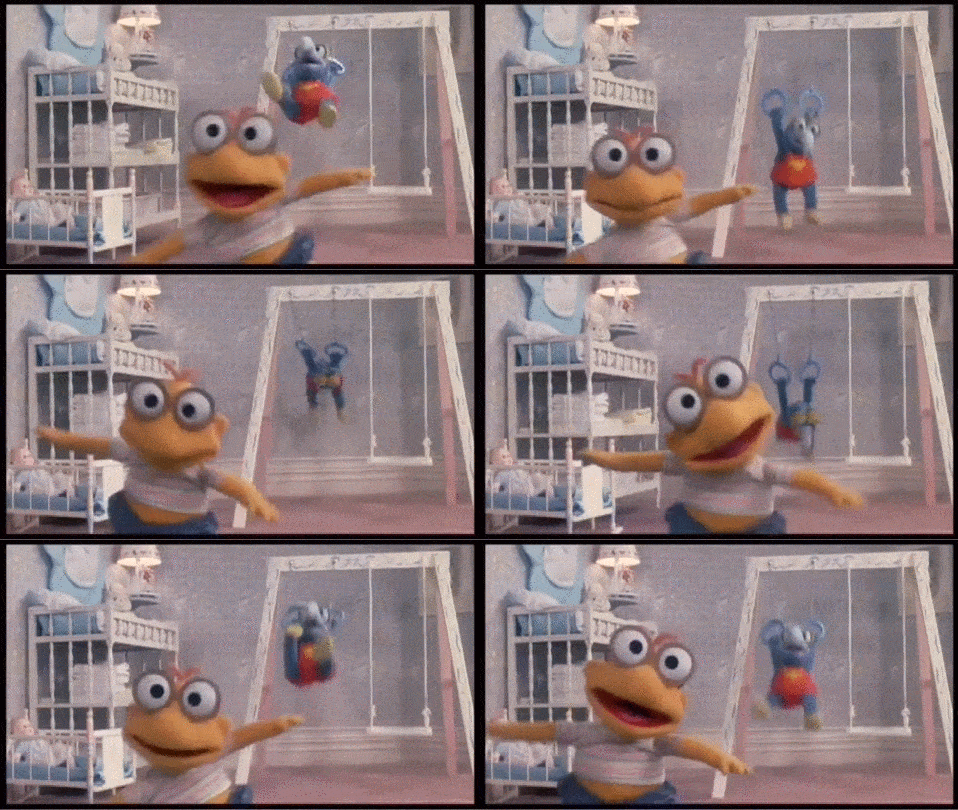
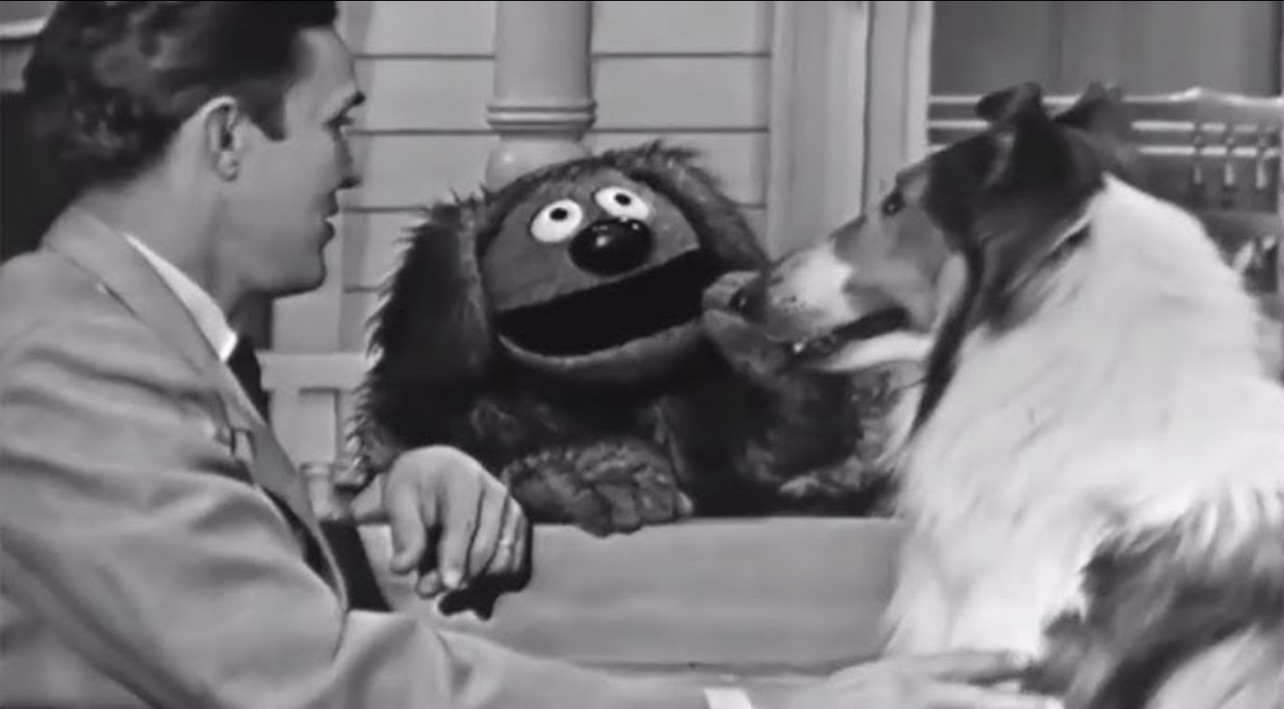
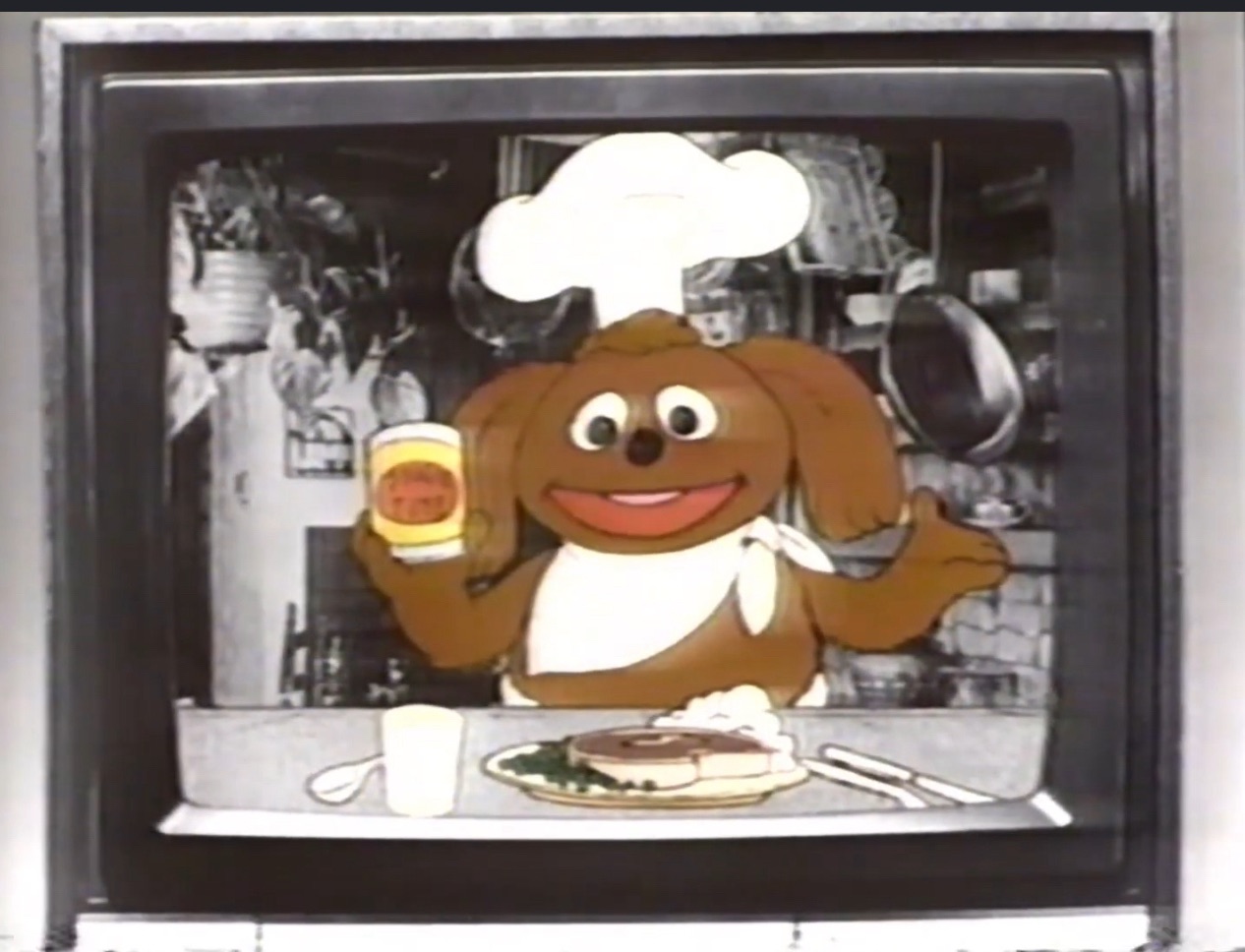
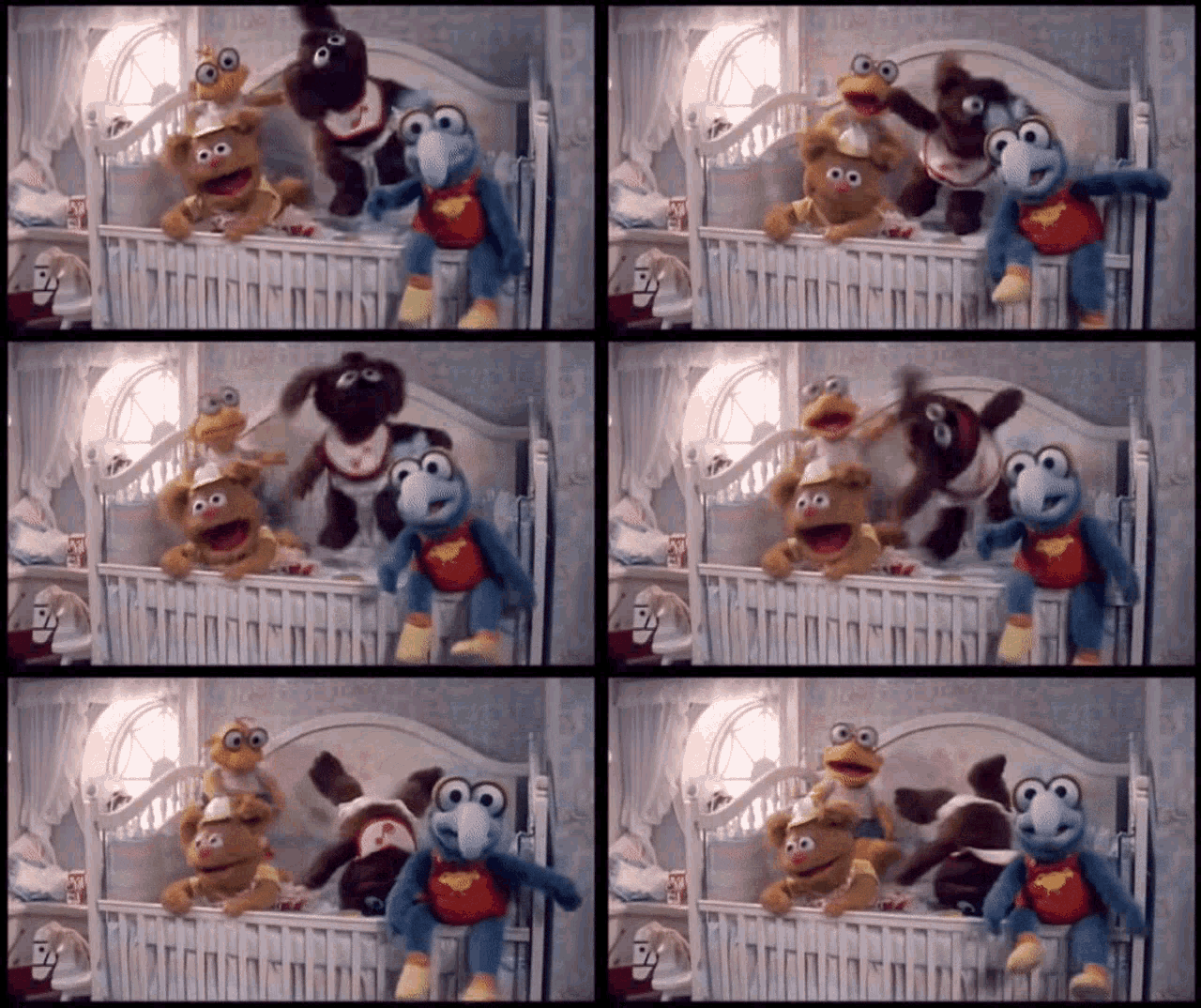
The show’s success delivers another philosophical lesson in dualism and the interconnectedness of all things. A year after delivering Muppet Babies, and five before the attempt to work with NBC again, CBS wanted to give their audience an hour long Muppet show containing a combination of the two previously mentioned animation formats. The program’s title, Muppets, Babies and Monsters, specifically summed up the show’s premise. With one half continuing the Nursery playroom of make-believe style adventures fans were already familiar with from watching the first season of The Muppet Babies, the other would introduce us to Jim Henson’s The Little Muppet Monsters – Tug, Boo and Molly – who live in the basement home of The Muppets.
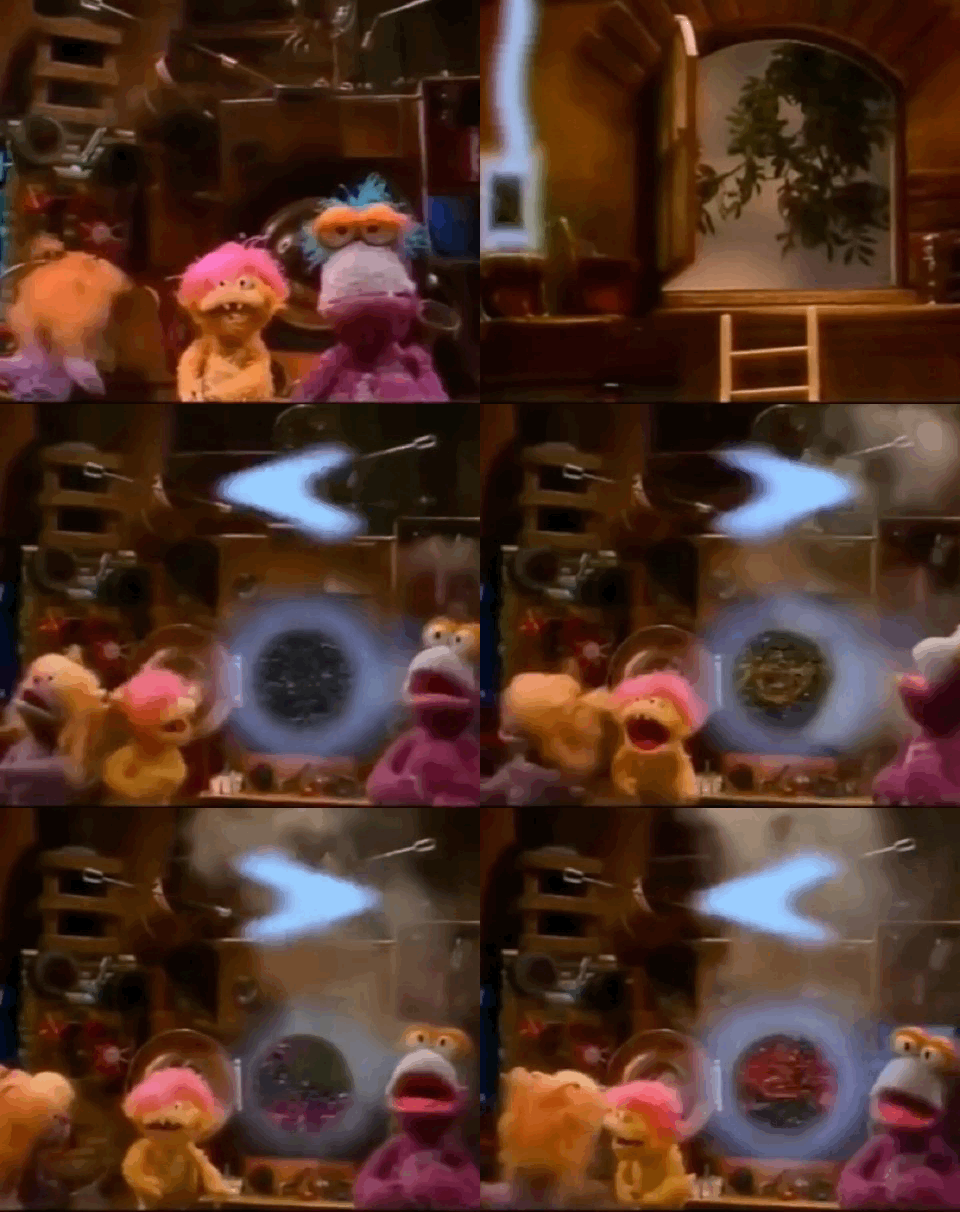


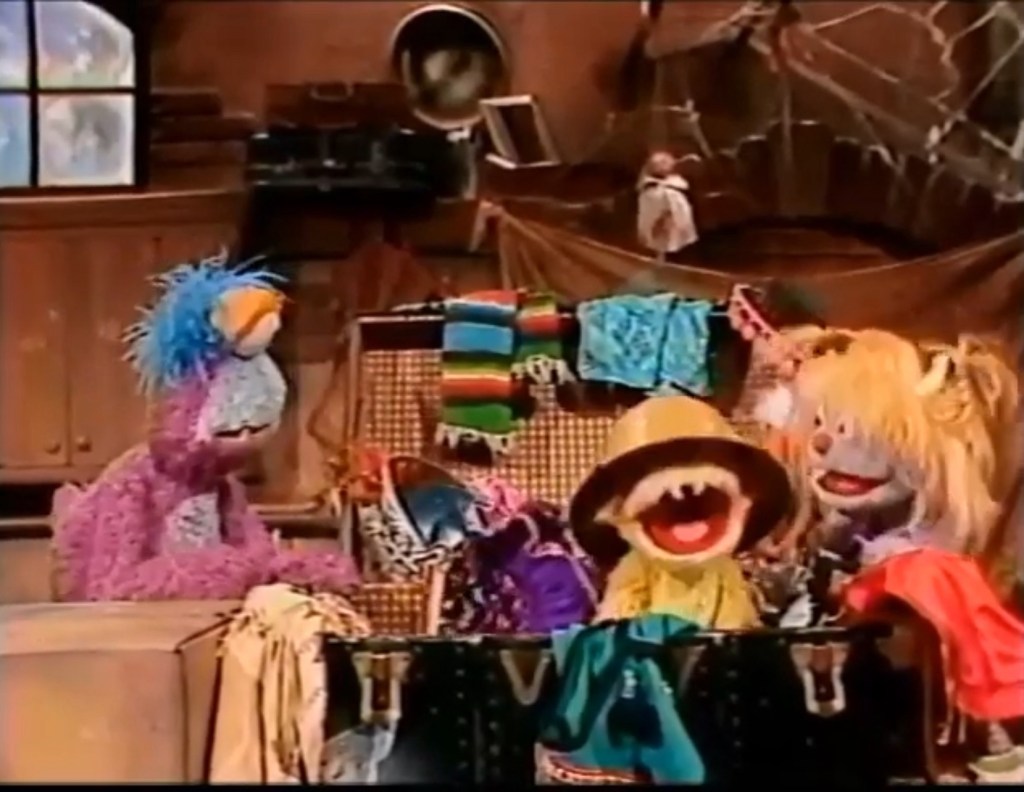
A lightning strike scrambles a makeshift television they discover downstairs and inadvertently allows the trio to control what The Muppets upstairs get to watch. With the basement serving in the place of The Muppet Show’s backstage, the three monsters operated as the show’s pseudo hosts. The additional mix of short cartoons and early home video camera shot sketches, both presenting the now older Muppets, to existing Muppet Babies’ broadcast never really got the chance to grow on viewers. After only three episodes of Little Muppet Monsters takeover, CBS returned viewers to the muppet program already in progress. From there Muppet Babies would continue to captivate children for another six seasons until it was time to leave the Nursery in 1991.
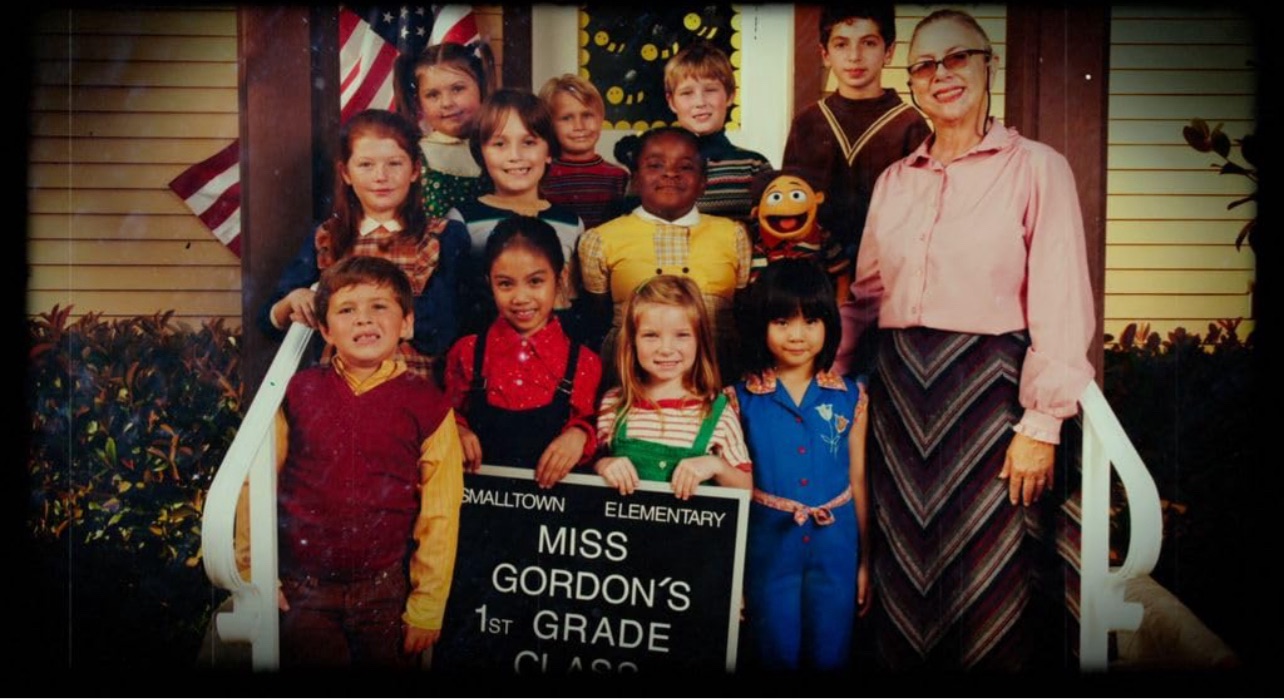
Muppet Babies would continue to captivate children for another six seasons until it was time to leave the Nursery in 1991. In the 107 episodes during an eight season run, the Muppet Babies learned about cooperation, conflict resolution and the confidence to keep being who you are, no matter how weird it might seem at first. Though the cast remained the same during the series run, the appearance of Janice and even Bean Bunny made it appear that the Nursery hosted more than one Muppet act over the years. Following several years, and several short-lived muppet shows, Disney would return the characters to a simpler – and more successful – time. In 2015, with something old and new, the union between Disney and Henson produced an award winning muppets program, for kids. Any guesses on the name?
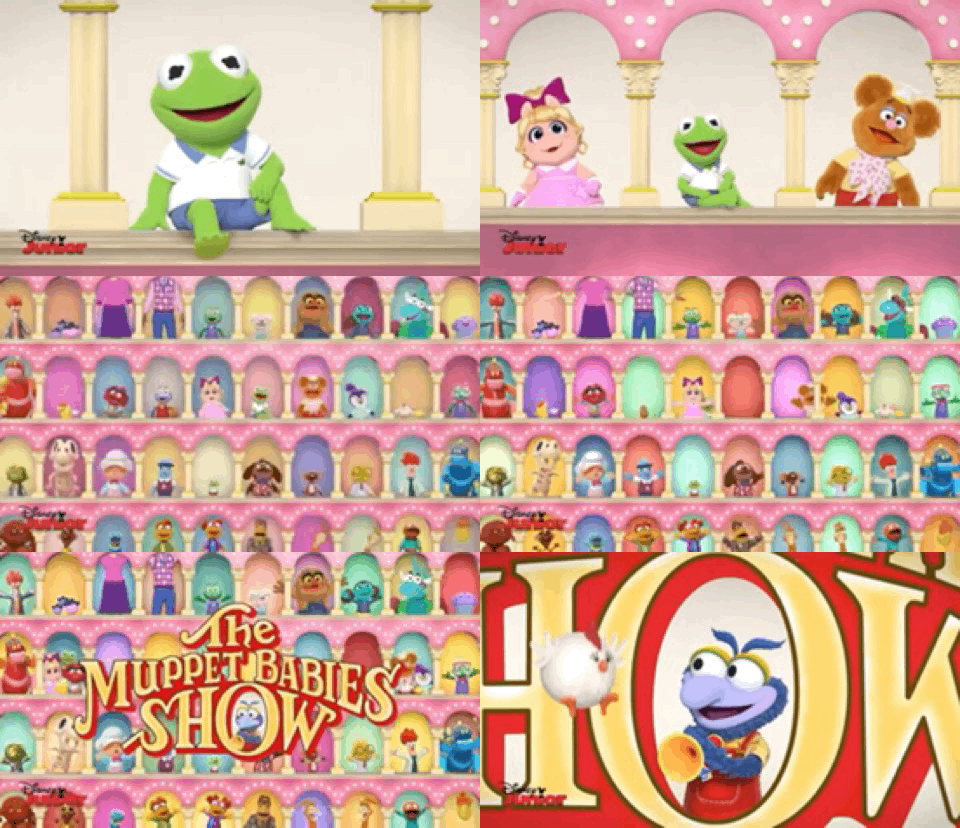
Disney Muppet Babies presents this Nursery as somewhat different from the original. More a daycare, or a place for parents to drop off their preschoolers, evidenced by characters arriving with backpacks and lunchboxes and conversations about their lives outside the brookstone building. A fixture and focal point for many of 1984’s Muppet Babies imaginary fantasies, the only couch potato on the 2015 reboot is Gonzo’s friend potato.
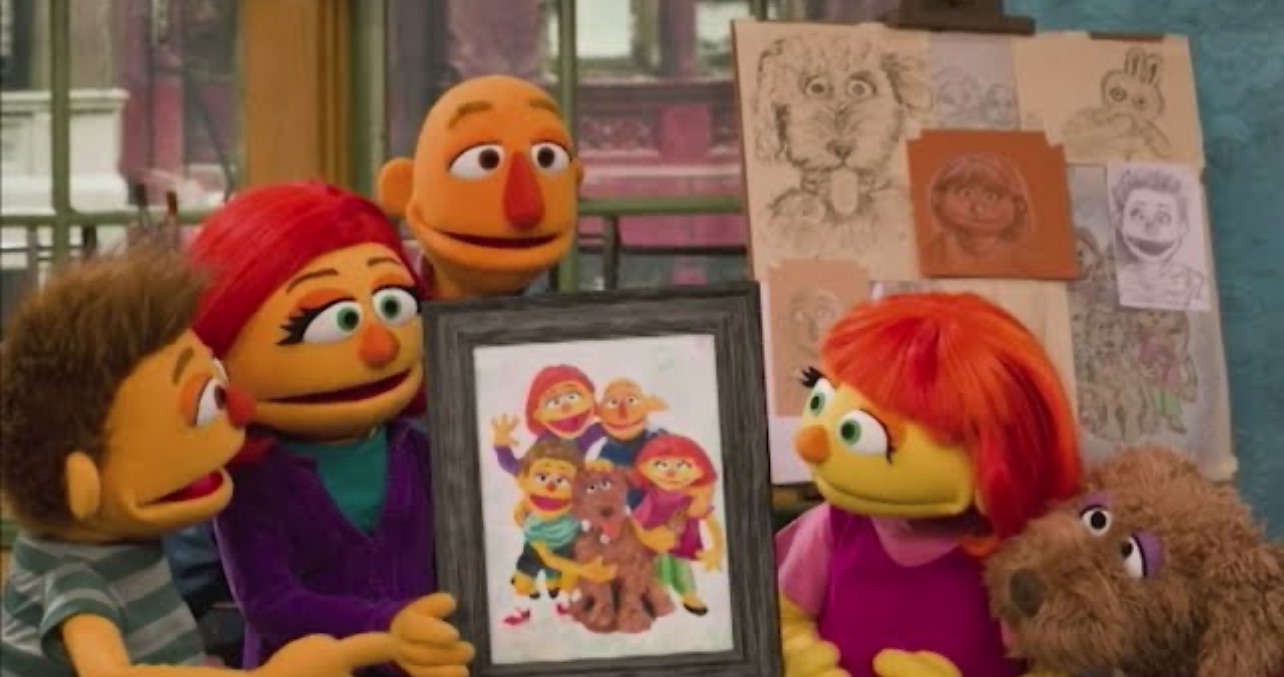
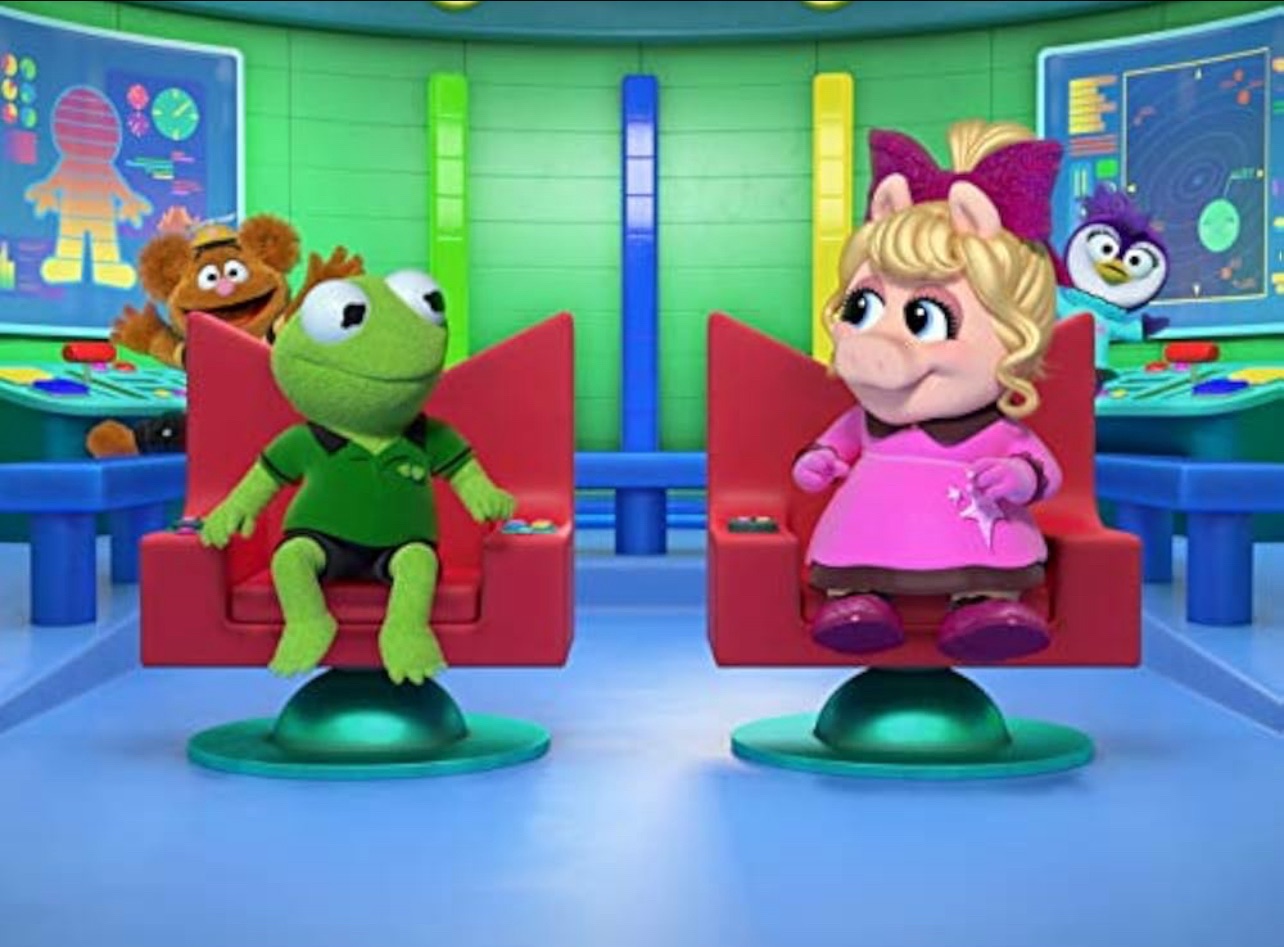
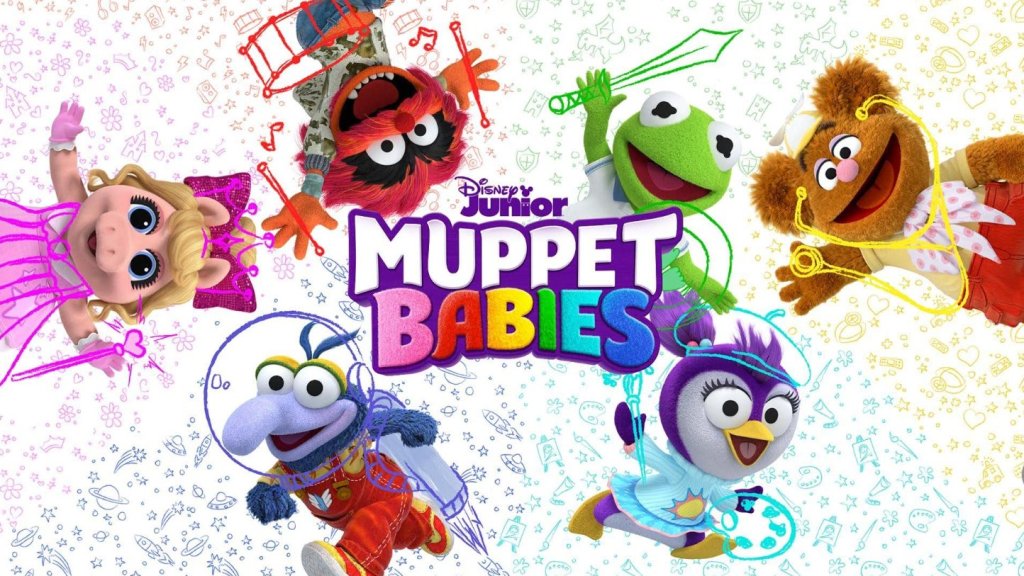
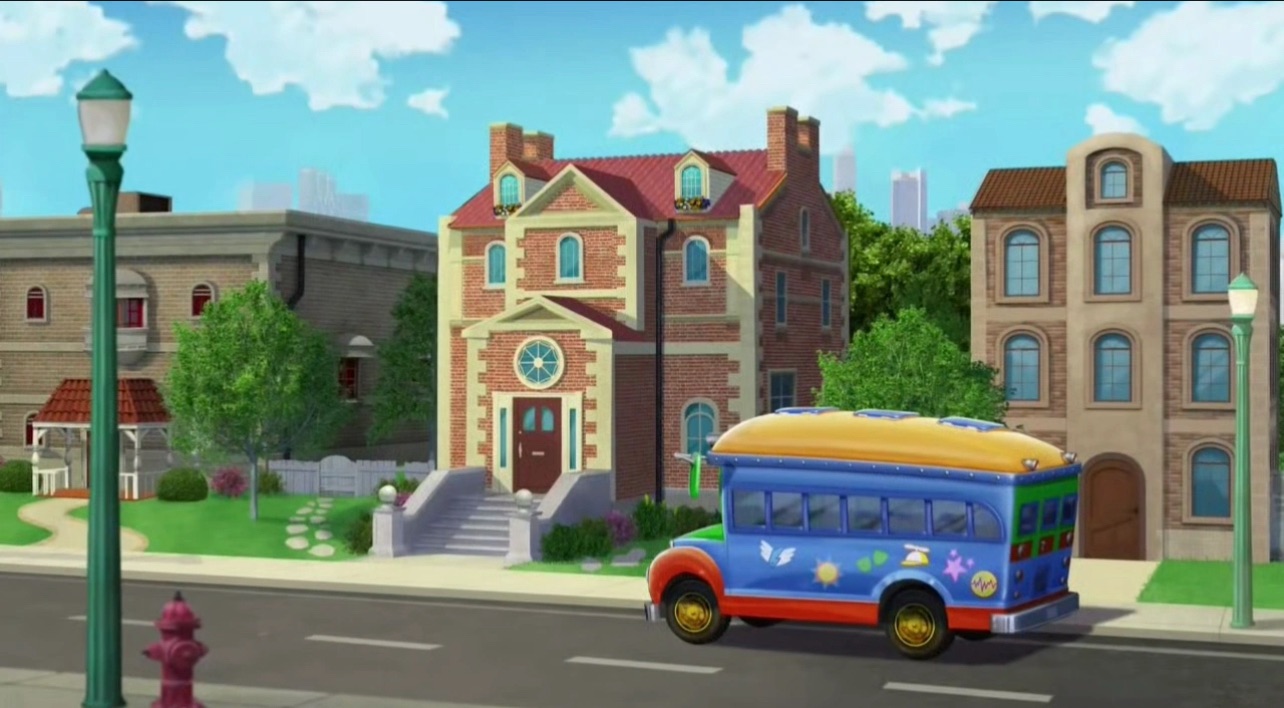
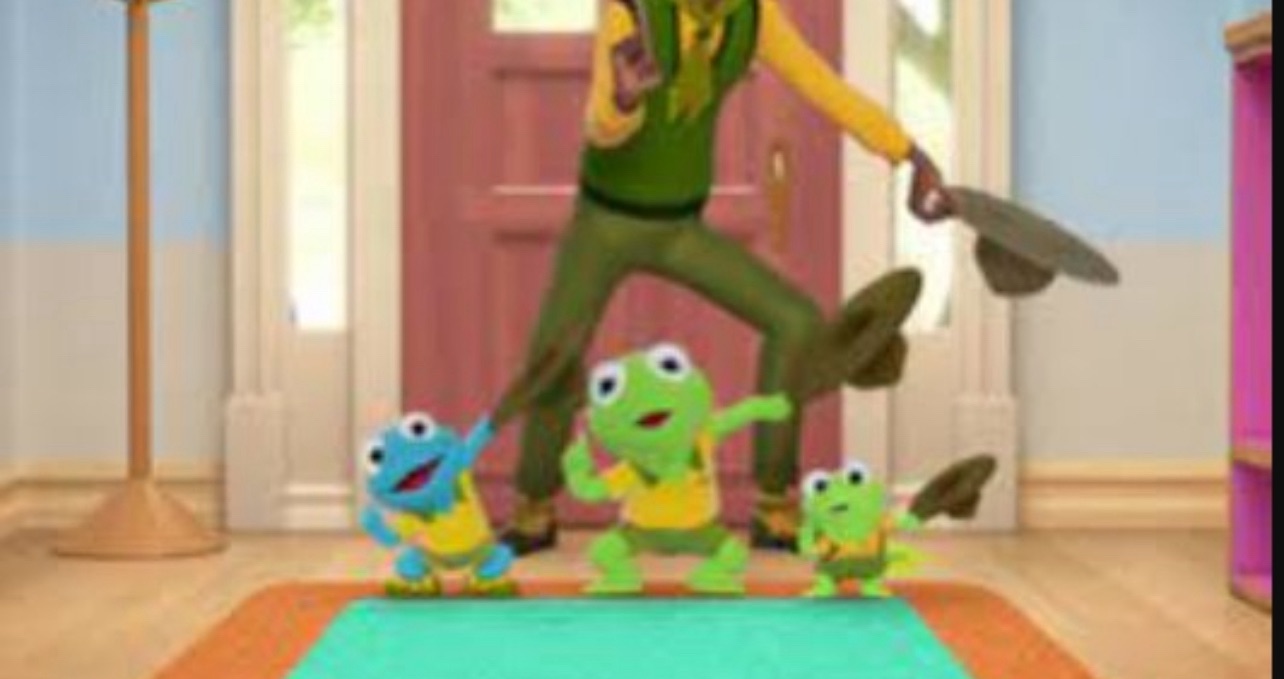
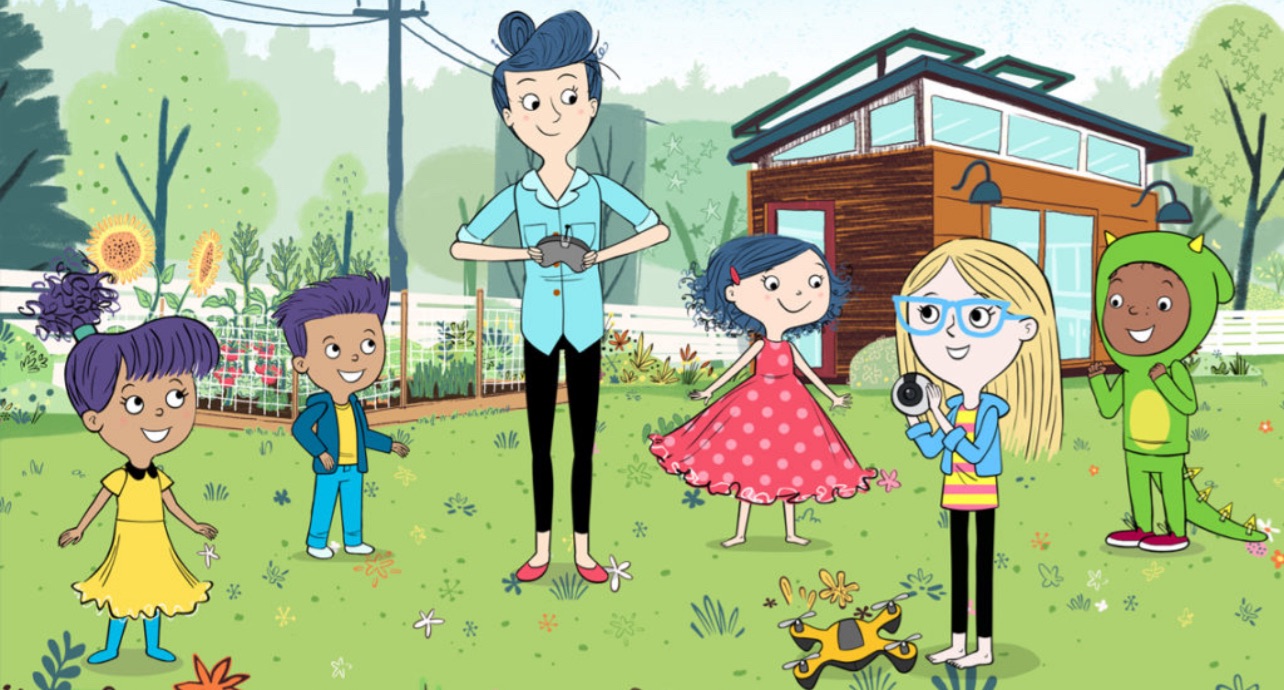
The appeal of Disney Junior Muppet Babies is it encourages children to enjoy outdoor activities, with most of the Muppets adventures taking place in the backyard vegetable garden where the two first met. As with all Muppet shows songs are still a big part of the production with “Let’s Get on the Bus” signaling the episodic-sock coordinated Nanny and the Muppet Babies are about to venture somewhere beyond the nursery. Returning characters like Animal and Fozzy help to introduce audiences to the newest Muppet baby named Summer. Together the primary colored, primary aged cartoons worked together to explore how a powerful imagination and positive attitude can overcome any problem; making anything possible.

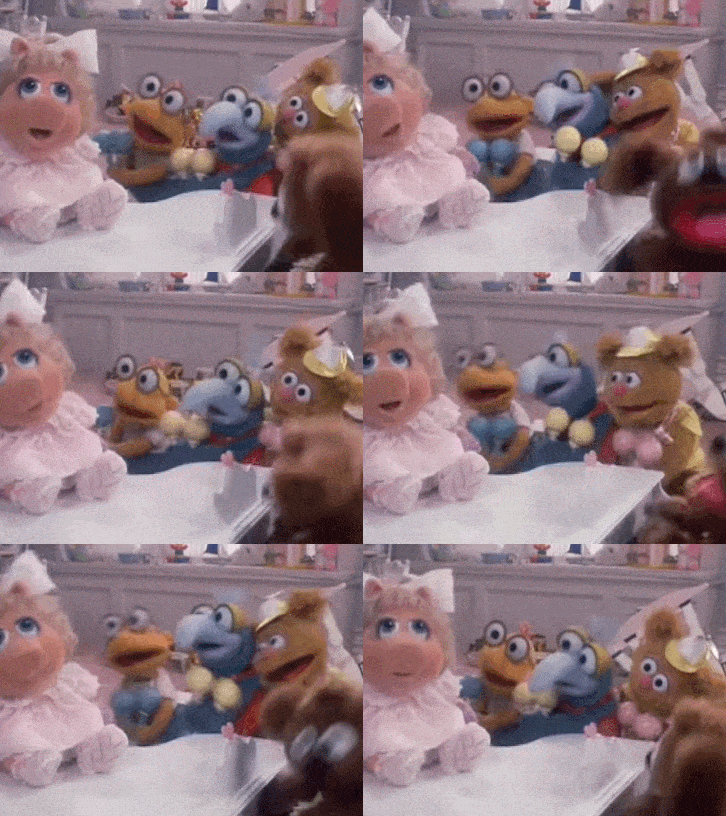
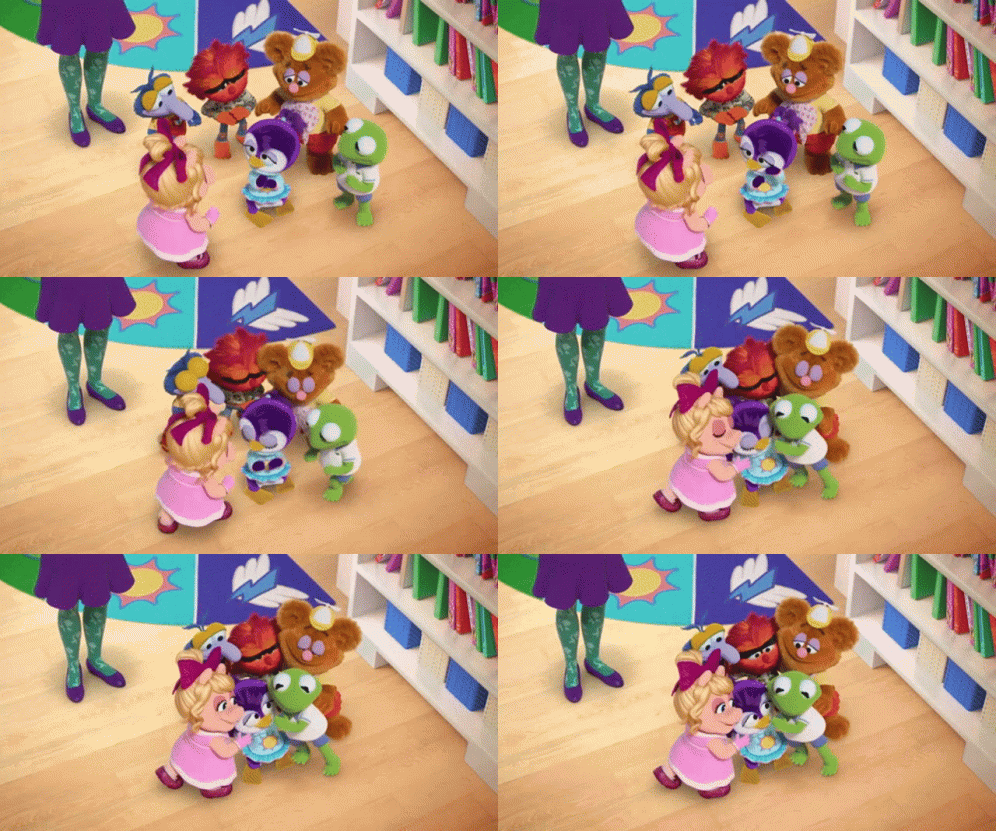
Always an imagineer, even before merging with Disney, Jim and Walt at some moment each experienced a project deemed impossible, at least at the moment. Any number of reasons can contribute to this type of predicament, from financial and technological limitations to simply not allowing enough space and time for the idea to properly germinate and generate organically. As for Disney’s Muppet Babies, arriving at number 3 in episode length, clearly creativity can spring forth from the past and passed over. Take Tale of Sand, a late 1960’s story plot Henson created alongside longtime muppet writing partner Jerry Juhl. As passionate as Jim was about the project, a story full of surreal set pieces across a desert landscape, with visuals and plot reminiscent of Henson’s experimental Time Piece including the solo protagonist, it would remain in the archives for some time. Henson’s version, however, was not the first time Tale of Sand was conceived.
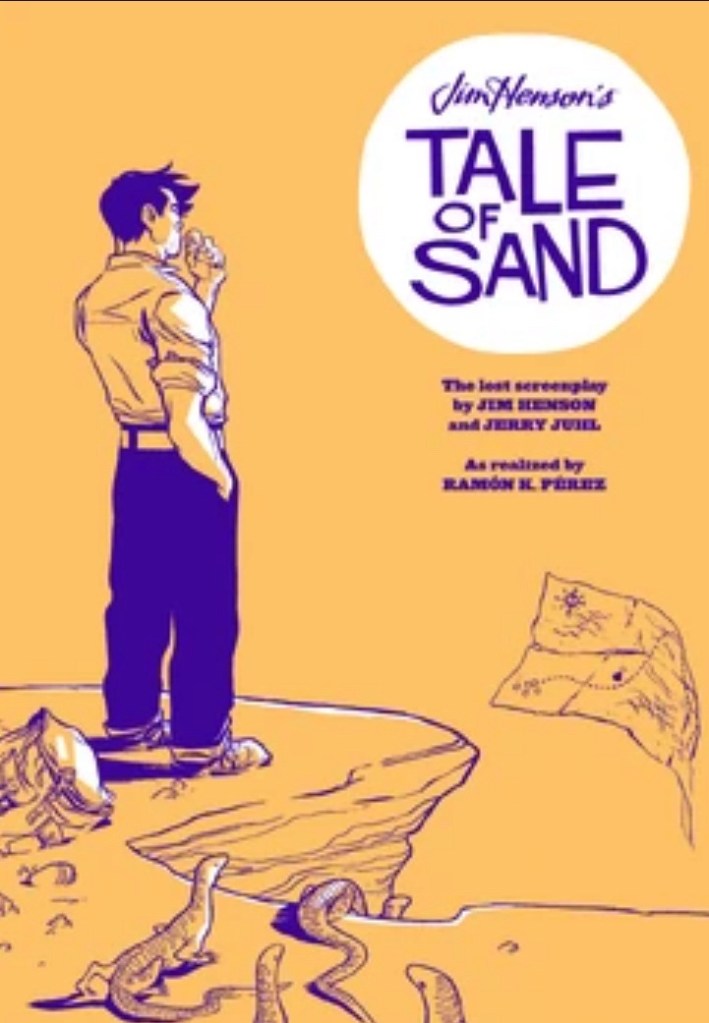
A Sufi parable, Tale of Sand teaches a lesson on change, transformation and how the only way we can hold sand – a common symbol for time – is in an hourglass. As with all things in nature and life, with enough time anything is possible, proven by Tale of Sand’s publication as a graphic novel in 2012.
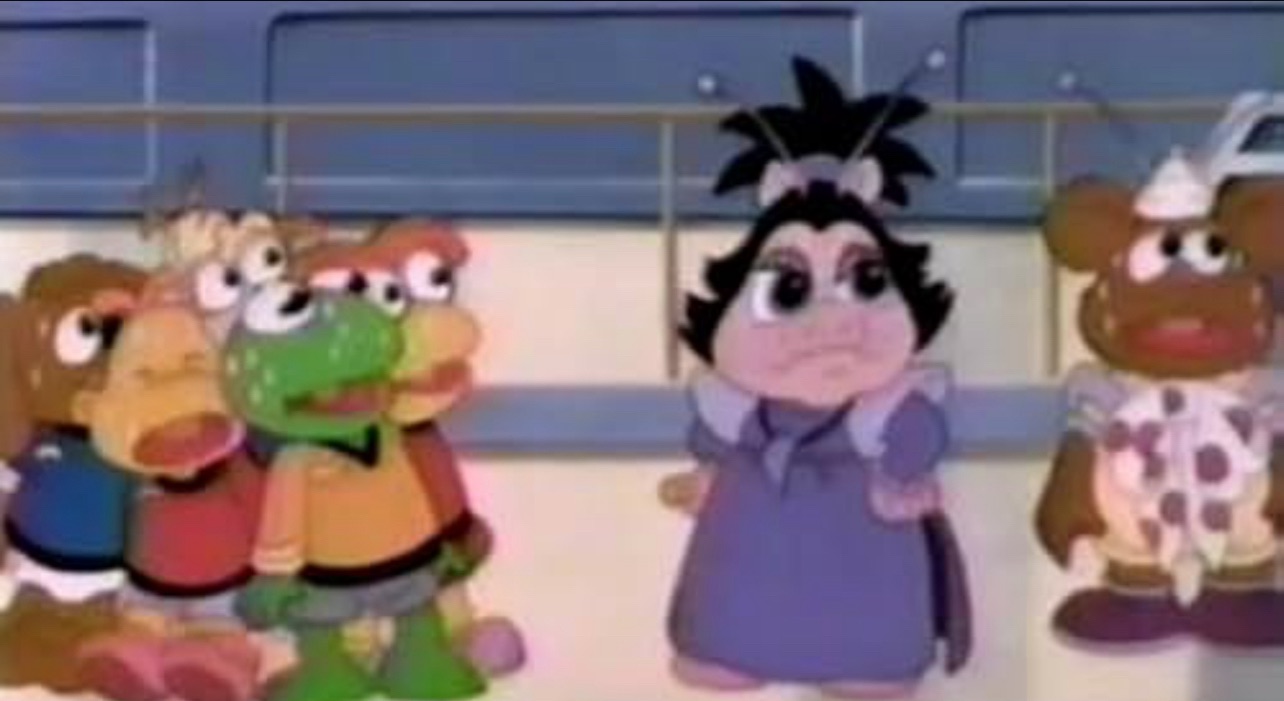
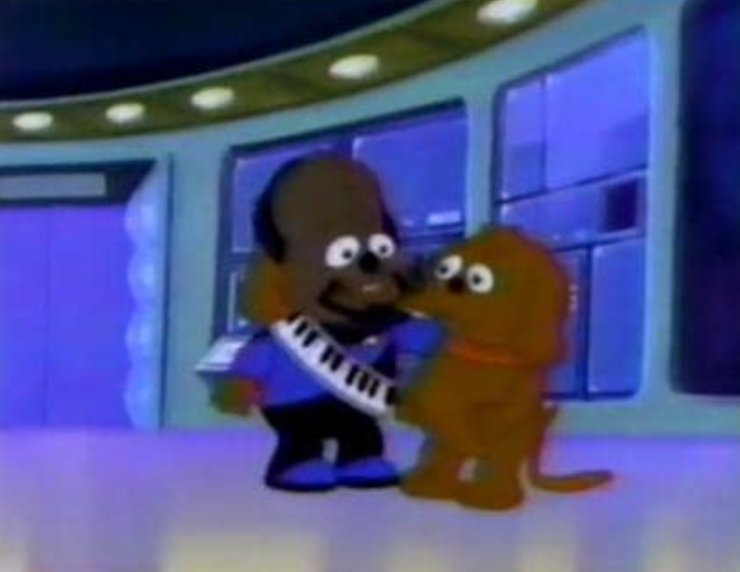
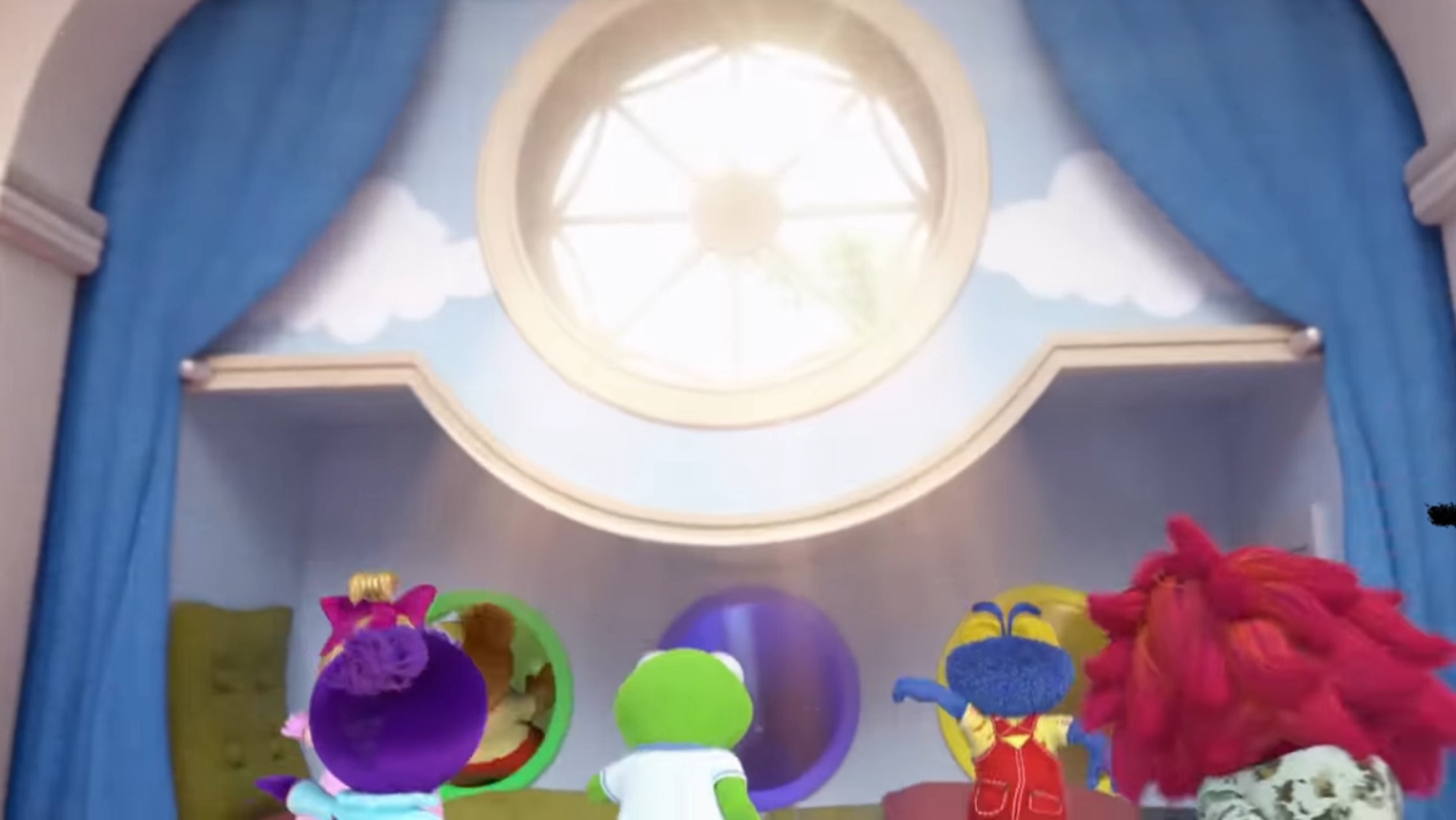
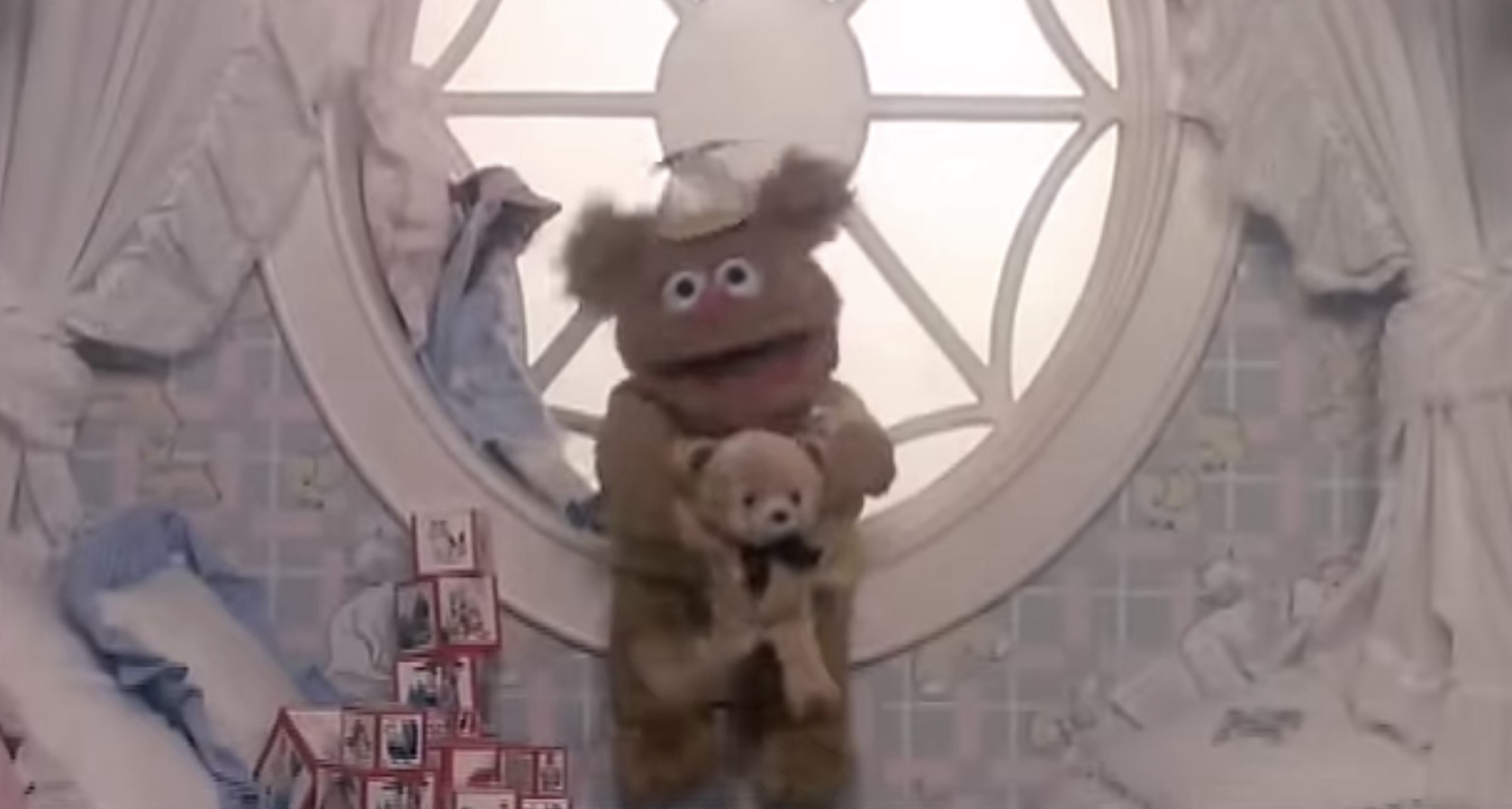
A noticeable feature in all these Muppet Baby shows is they all three contain continued stories centered around an original Muppet Show sketch – SwineTrek. So, is it possible there is more than some commercial capatalistic connection between the three? In both the original Muppet Babies and the reboot you can spot the same circular window, although the location differs somewhat between the two. It wouldn’t be until Disney’s Muppet Babies that audiences finally got a glimpse of the exterior of the Nursery.
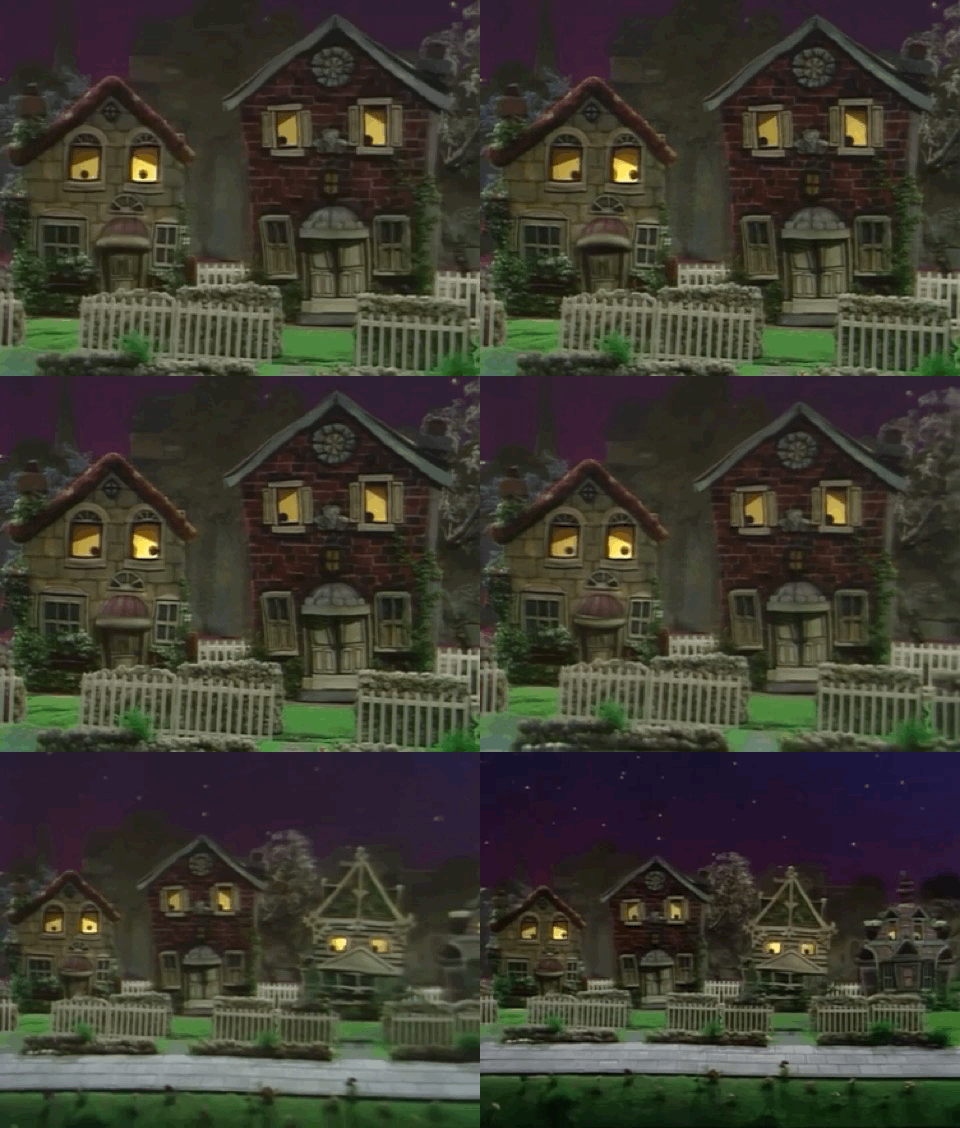
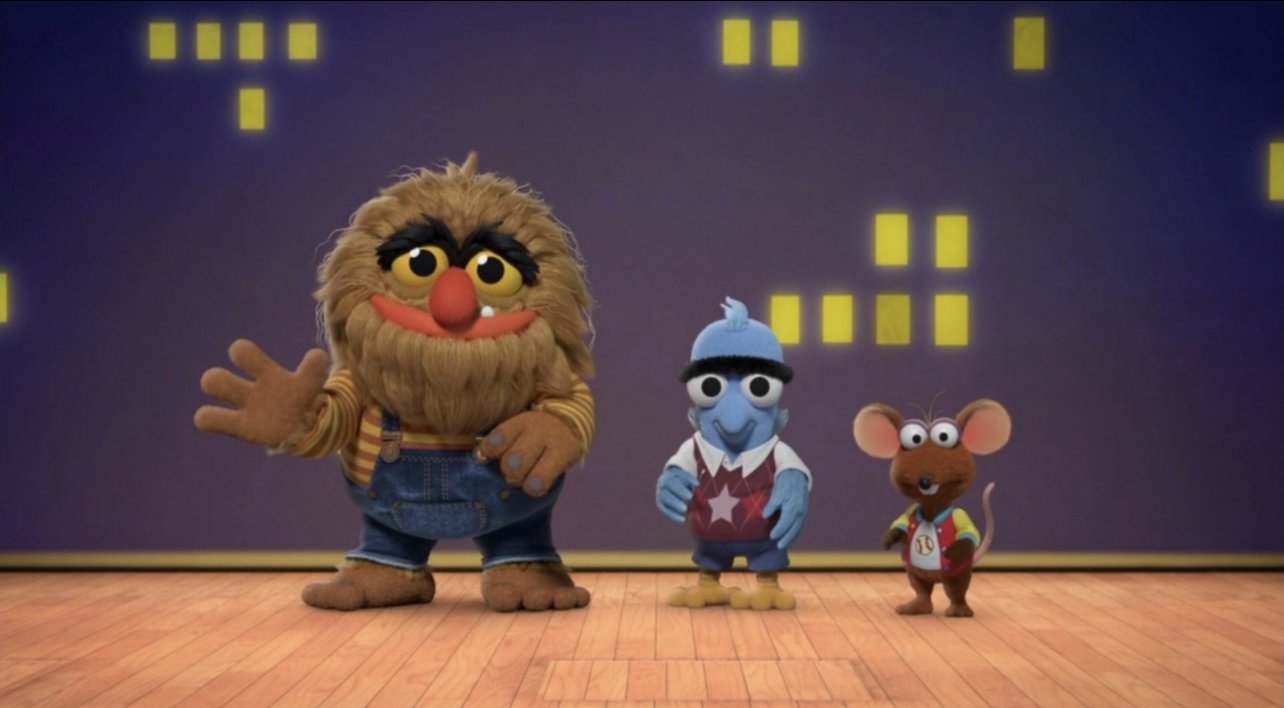
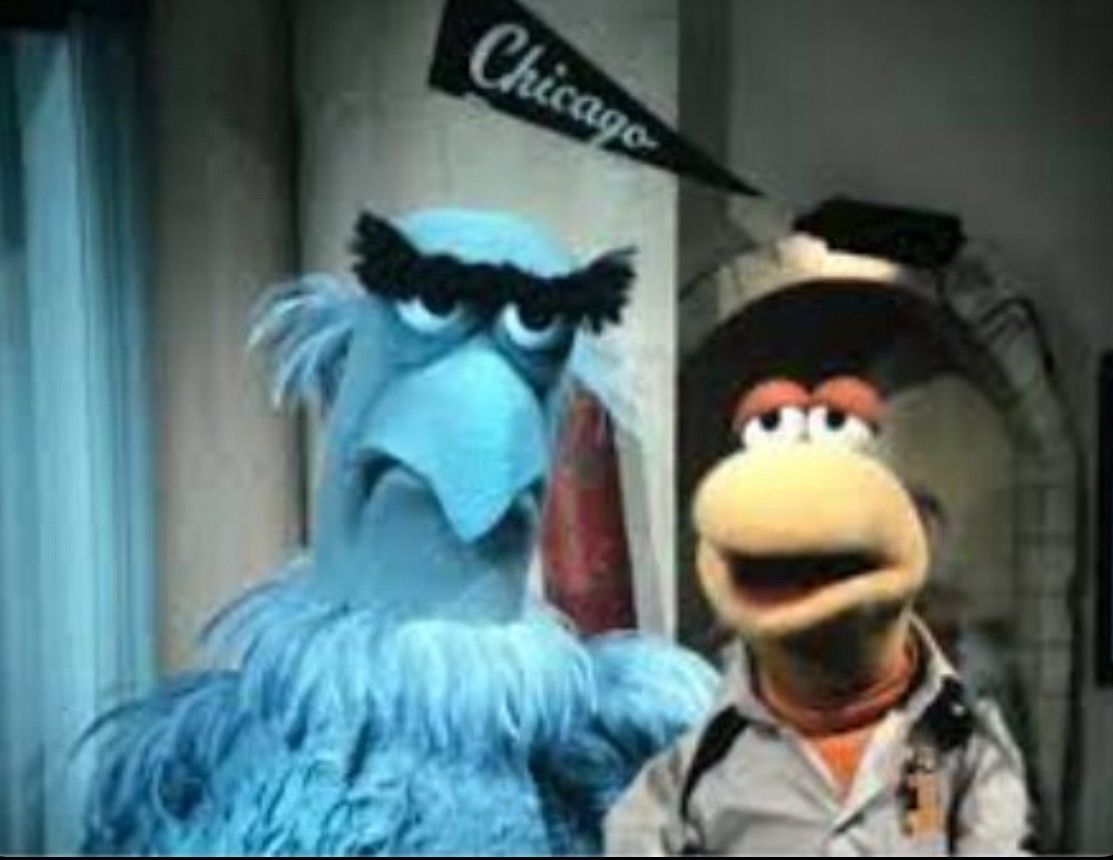
Now if you ever get an opportunity to watch an episode of Muppets, Babies and Monsters, pay close attention to that building during the show’s intro. The Little Muppet Monsters sepia color scheme may lack the vibrancy of Disney’s but the two buildings’ architecture looks remarkably identical. Another coincidence, while Disney Muppet Babies gave viewers several other Muppets, like Sam the Eagle and Sweetums, years before their appearances on the original Muppet Show, so far one character’s performance has been once in a lifetime. Could that explain why the Penguins – generally a group of backup performers on most Muppet productions – were finally going to get a more prominent role? Their arrival in the autumn of ‘85 meant as an early indicator that Summer was on the way. Daydreaming or forecasting – the only difference between the two types of speculation derives entirely from the demographics we traditionally describe as doing them.
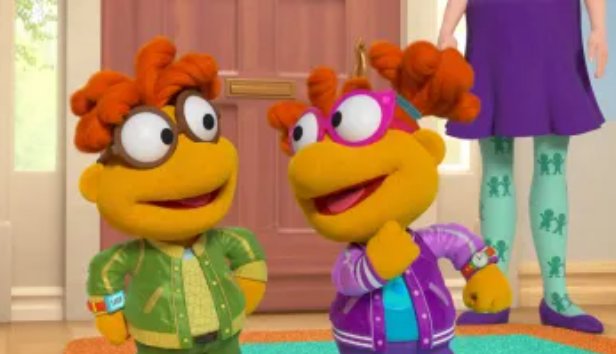
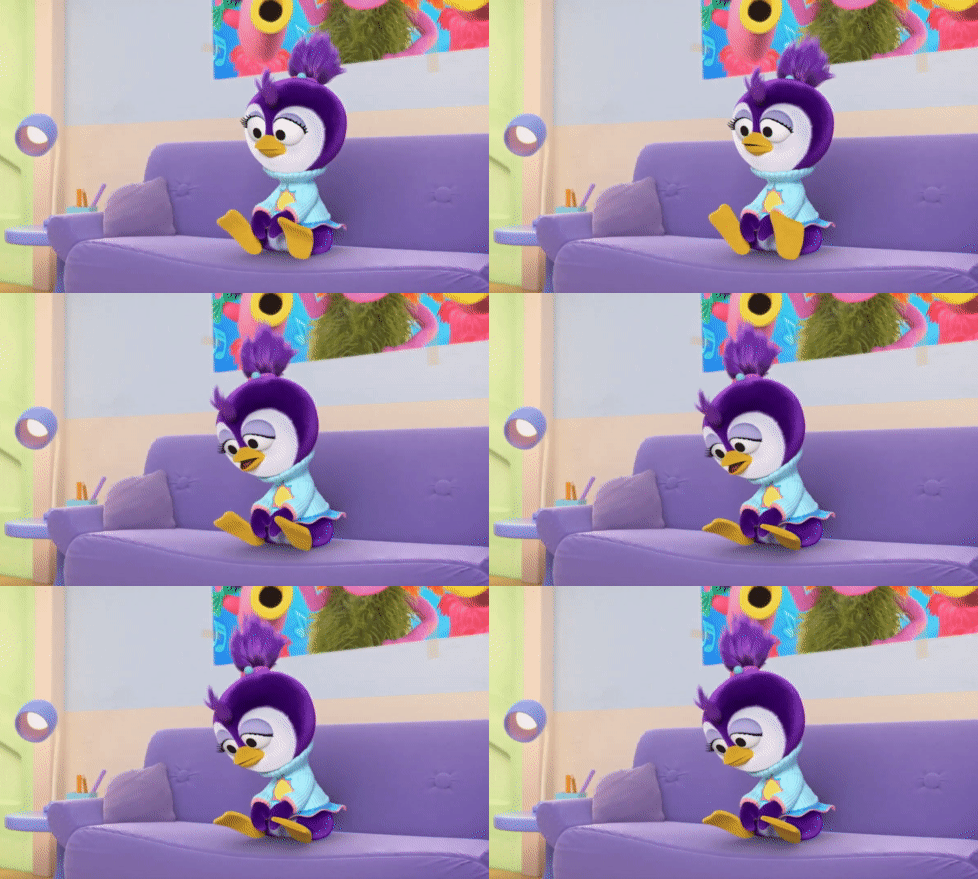
By emerging from a flashback fantasy, the retconnish Muppet Babies asks viewers to trust unverifiable data. This sort of risk, something of a daily occurrence for Gonzo, often proves too much for analysts of stocks, ratings and individuals. The too many variables involved mentality is exactly the type of chaos that Henson understood organically stimulates possibility thinking. These days a post predicting that Little Muppet Monsters holds answers to the whereabouts of Summer – and Skeeter for that matter – is the something a writer or director snatches up, turning the synopsis into a successful Muppet series.
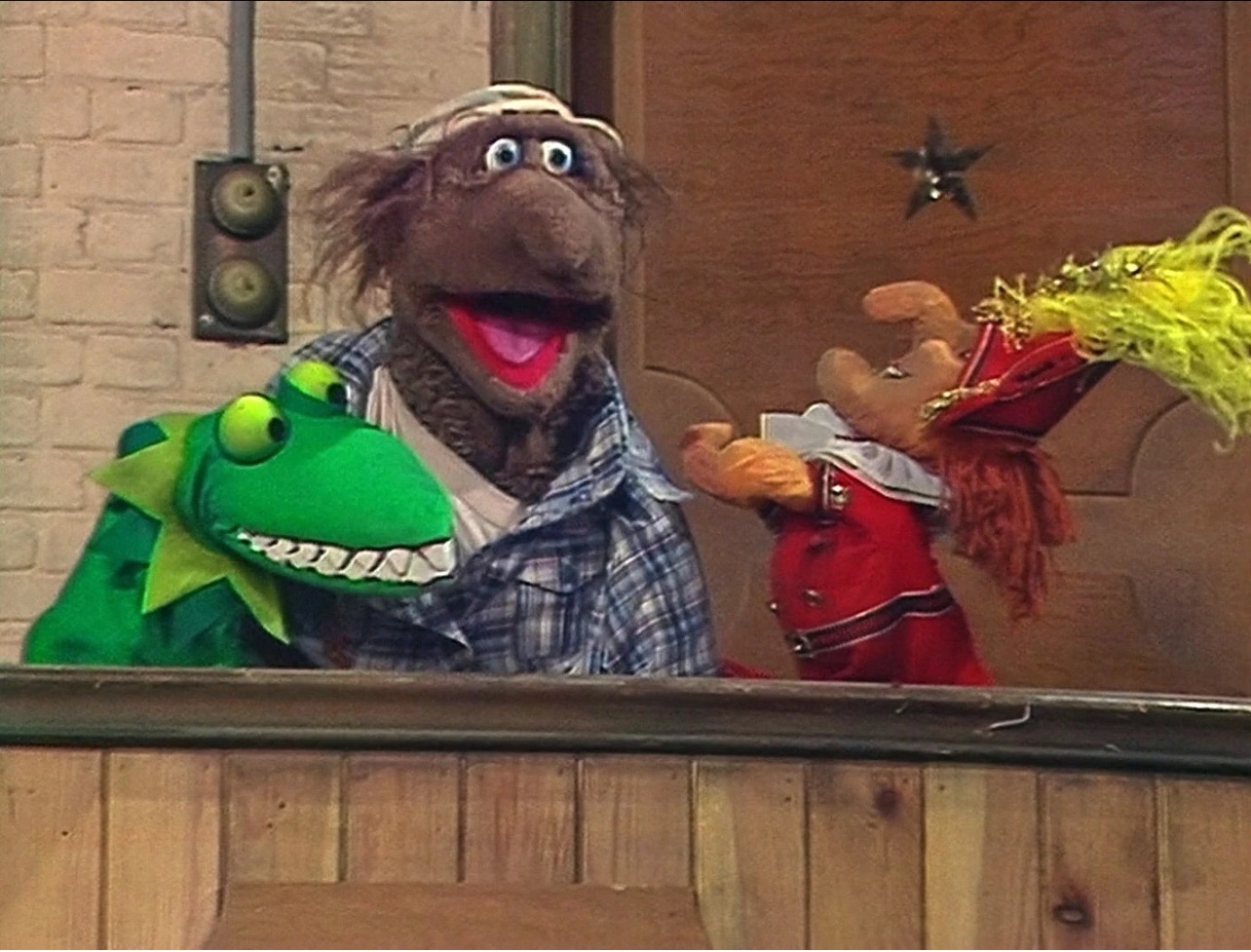

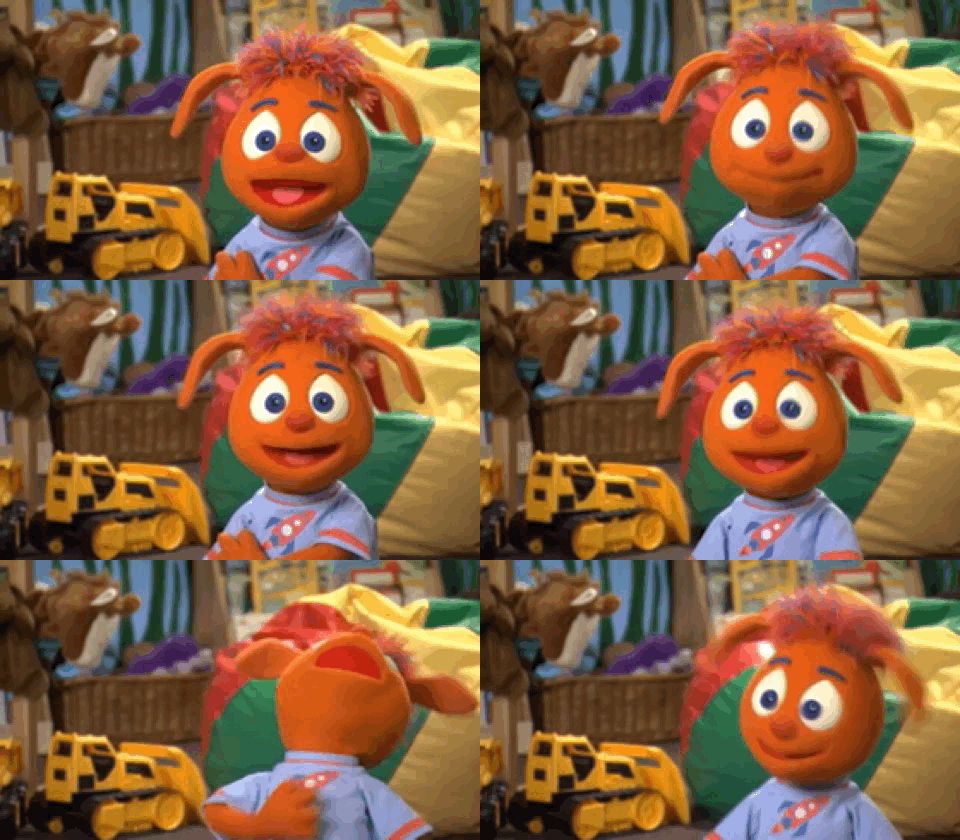
Muppet Babies message is that life is all about how we choose to see things. After seeing a puppet Muppet Baby Summer interacting with what looks suspiciously like the original Muppet Takes Manhattan versions of Gonzo and the other Muppet Babies during the Disney Junior Muppet Babies Play Date shorts is enough proof that there may be at least a few more Muppet Baby adventures we have yet to see. Isn’t that right, Blerph?
Unknowns among the unending list of creations continuously coming from The Henson Company coincides with a necessary conversation about the taxonomy classifications of them. The simplest one deals with defining what the Muppet represents, think animals, houses, food, etc.
Another division focuses on, at least for someone like Henson, the least important aspect: notoriety. One thing that all Muppets have in common is that they are all considered equal. No one is more important, or self important, when compared to the others. At various times throughout their careers they each have been the brunt of another’s joke or rib, suffered a mishap or found themselves on the wrong side of a cannonball.
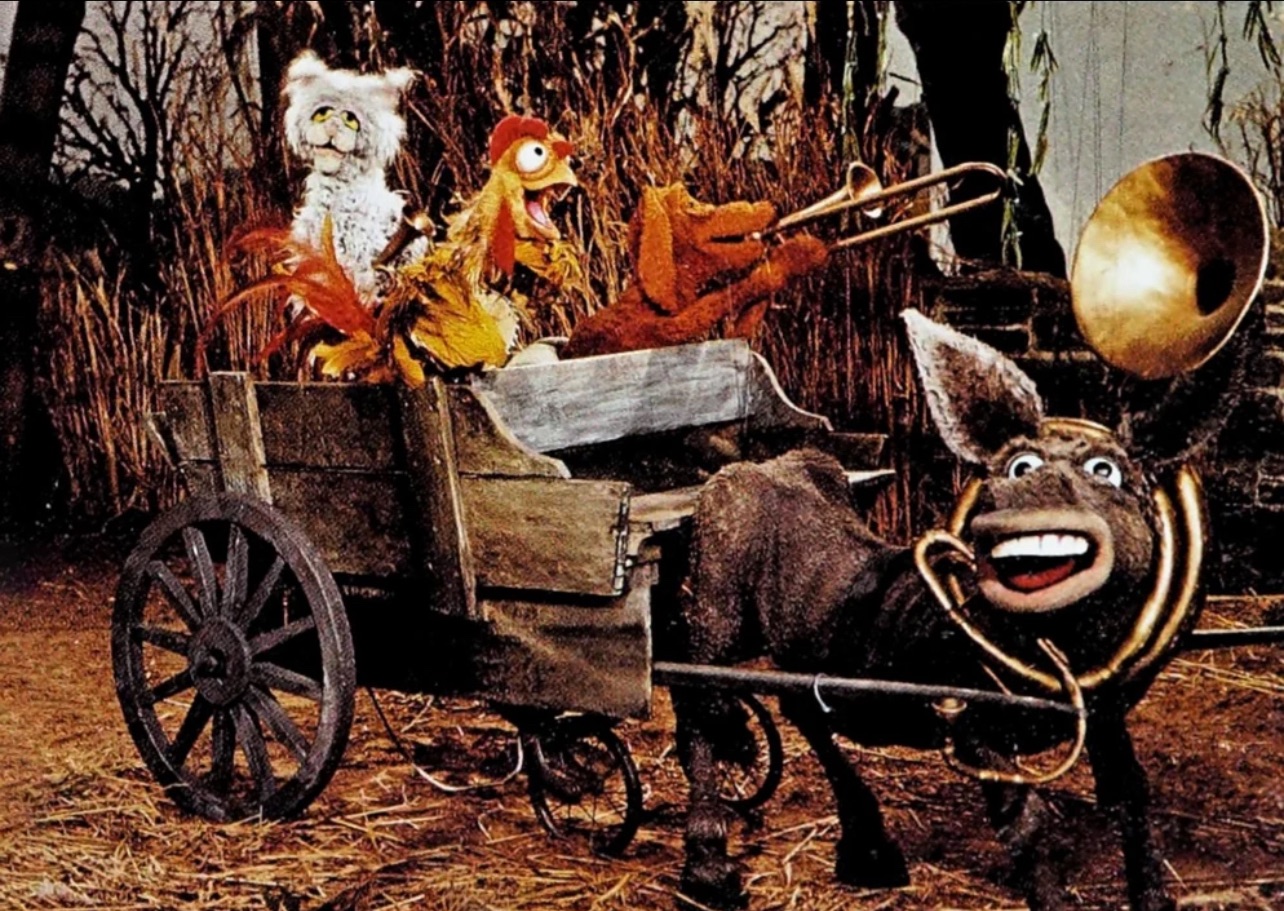

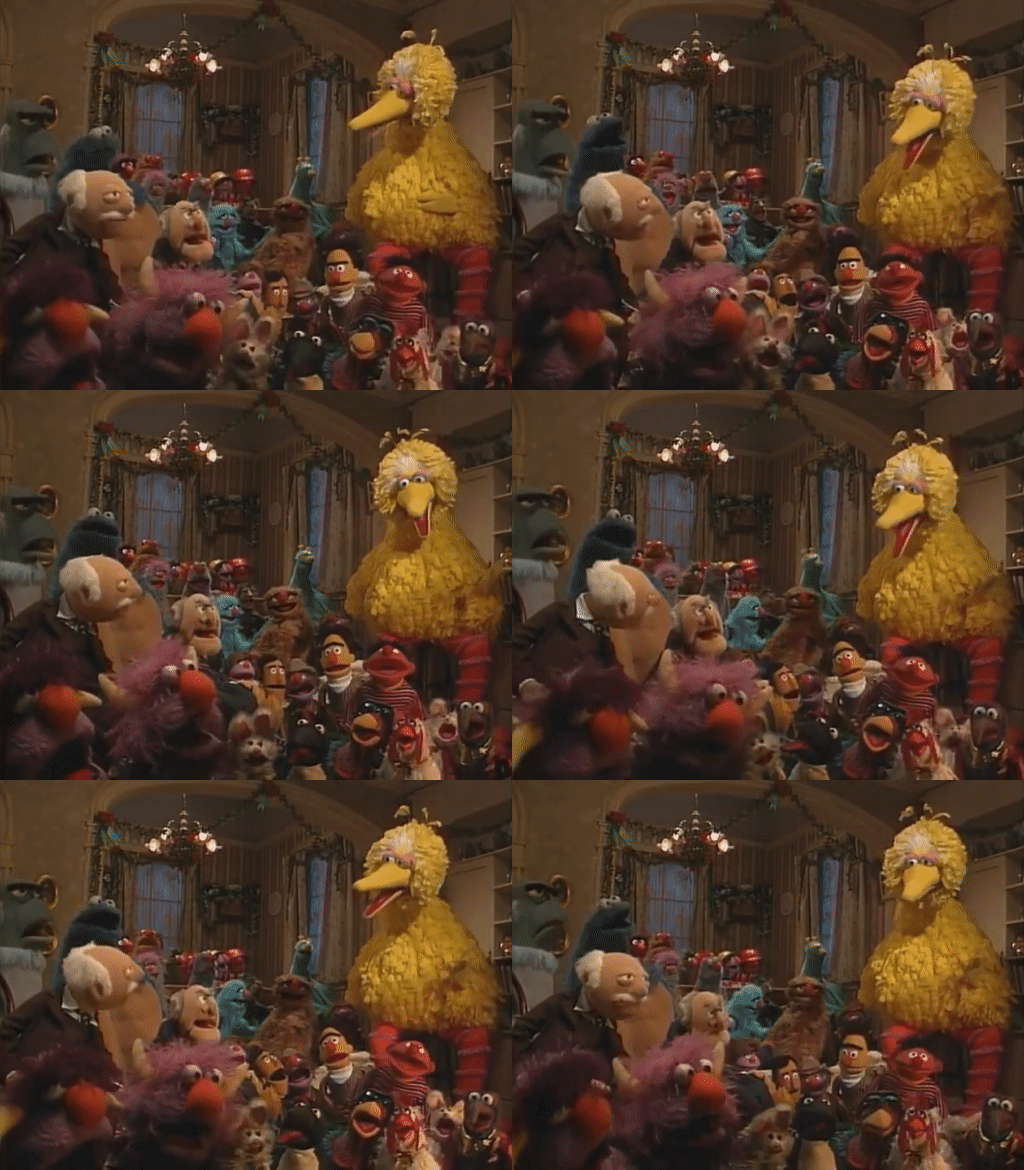
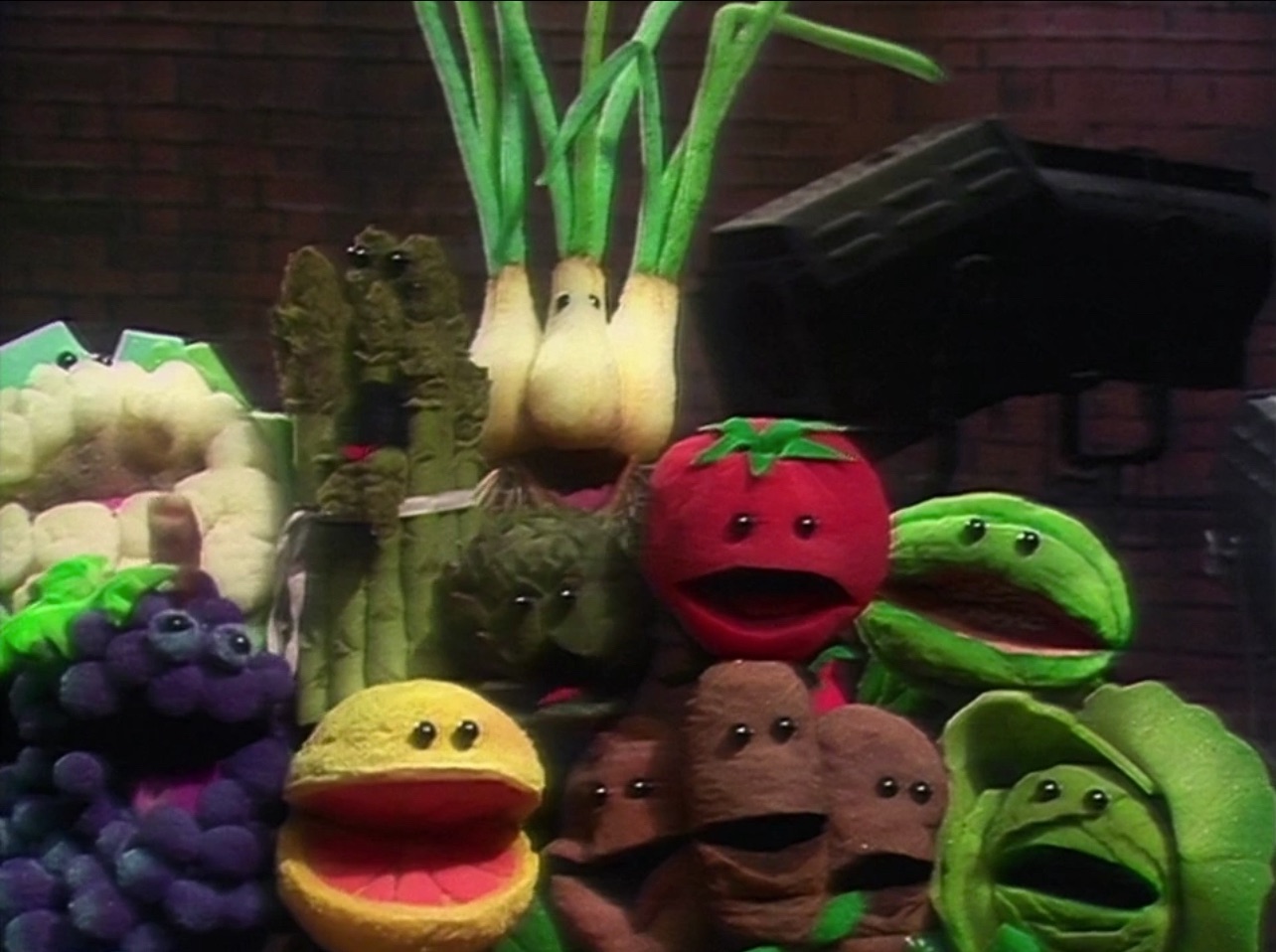
This hits upon an important question, who officially is, or better yet what are the requirements necessary to qualify as a Muppet? Was King Ploobis? Are Oscar or Gobbo? No seriously, Sid wants to know? Again, your answer has as much to do with your age as it does with your understanding of how well Jim Henson and The Henson Company came to utilize animation techniques throughout the years.
Along with the previously mentioned taxonomy comes a final that is design specific. An indication of how the Muppet is operated and made to move by a member or members of the production team. There are hand-rod Muppets, puppets that have their mouth movements managed by a single puppeteer that uses two rods to simulate hand movements. Next are the live-hand Muppets, characters who have two puppeteers. One approach has the first puppeteer controlling the mouth and one hand, leaving the second responsible for the puppet’s other palm.
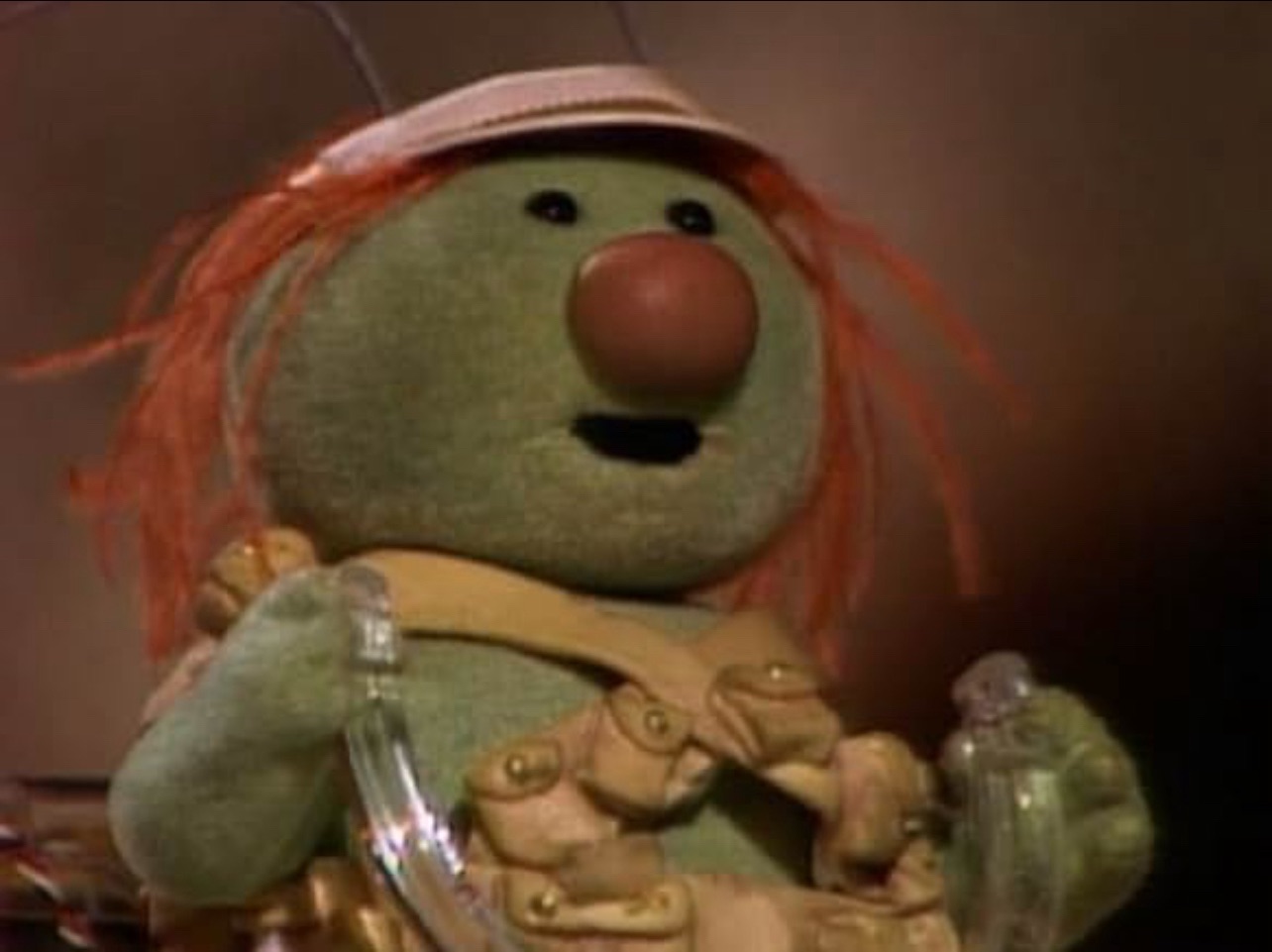
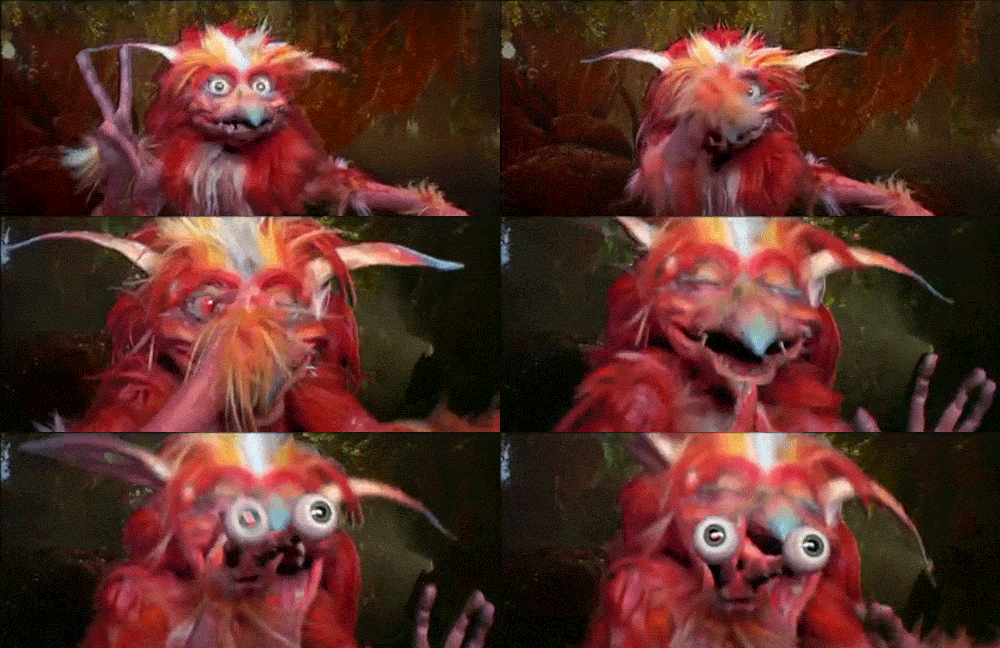

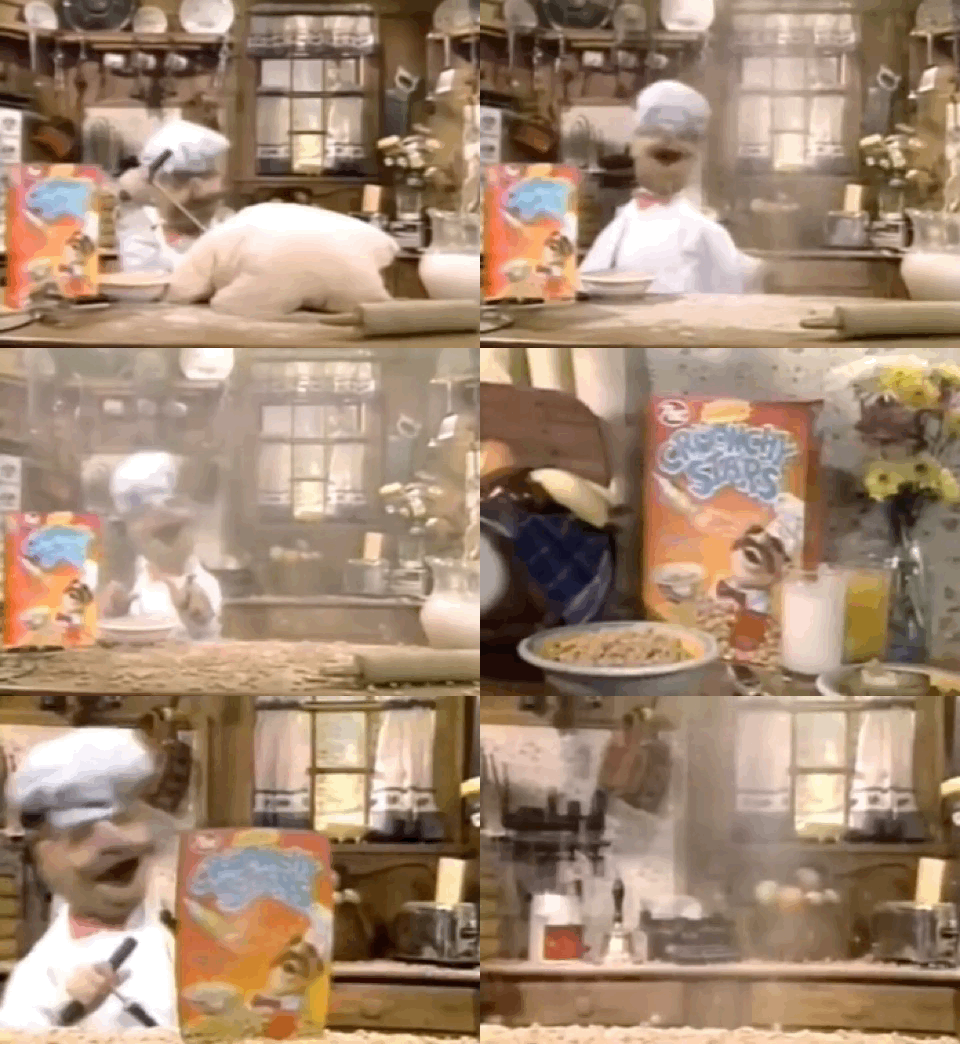
A variation of this technique is employed in rare occasions when the right hand needs to know exactly what the left hand is doing. In instances that require specific hand coordination one one operator performs both hands leaving the other to puppeteer the head. Swedish Chef is one such live-hand Muppets, while also adding one more layer to the classification: non gloved, live-hand Muppet. A one glove – or waldo – is also a central component of The Henson Digital Performance System which controls movements for illustrated characters such as Waldo and Sid. In certain cinematic sequences – like when Kermit rides or even simple facial expressions – if pay close attention even notice a combination of two or more of these puppetry methods at use to create movement.
A variation of this technique is employed in rare occasions when the right hand needs to know exactly what the left hand is doing. In instances that require specific hand coordination one one operator performs both hands leaving the other to puppeteer the head. Swedish Chef is one such live-hand Muppets, while also adding one more layer to the classification: non gloved, live-hand Muppet. A one glove – or waldo – is also a central component of The Henson Digital Performance System which controls movements for illustrated characters such as Waldo and Sid. In certain cinematic sequences – like when Kermit rides or even simple facial expressions – you will even notice a combination of two or more of these puppetry methods at use to create movement.
Last, but in no way least, in shape or form, come the full-bodied Muppets. Some may see this group as an effort to stretch the limits of what qualifies something as a puppet. In reality these Muppets are actually humans in a costume with puppet-esque heads and faces – with the eyes and mouth movements controlled remotely. That, however, doesn’t mean these creations don’t come from the same cloth as all the other Muppets. For the amount of times mentioned during the course of this discussion, along with the relationship with other terminology put forth, we haven’t talked about the word puppet.
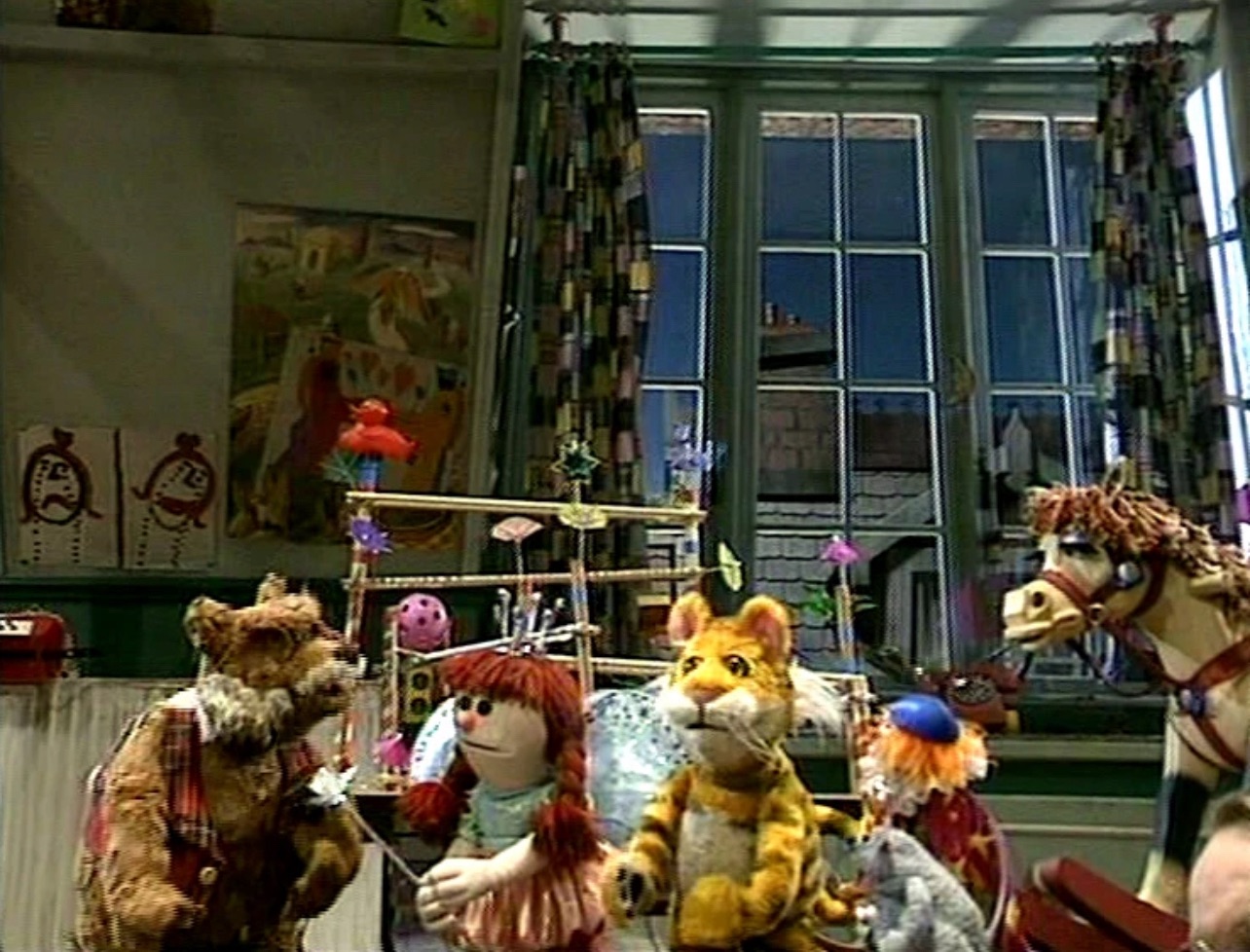
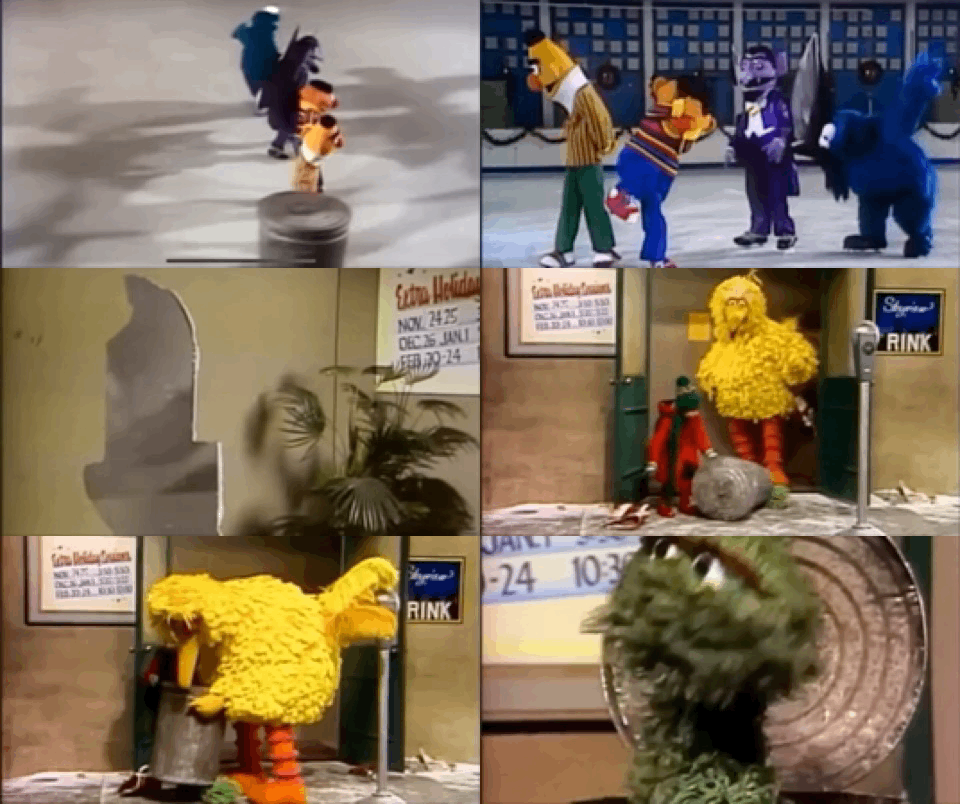
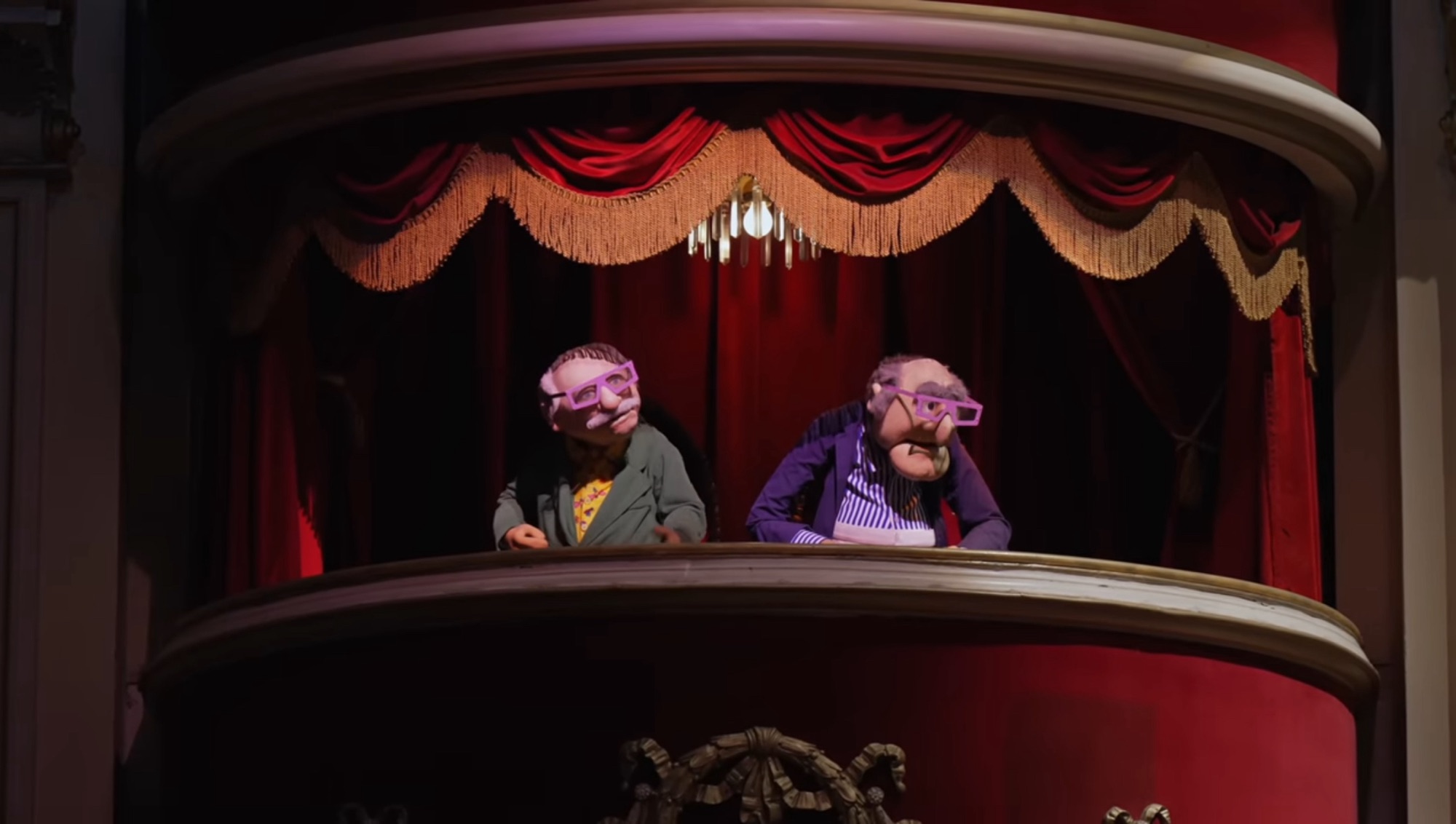
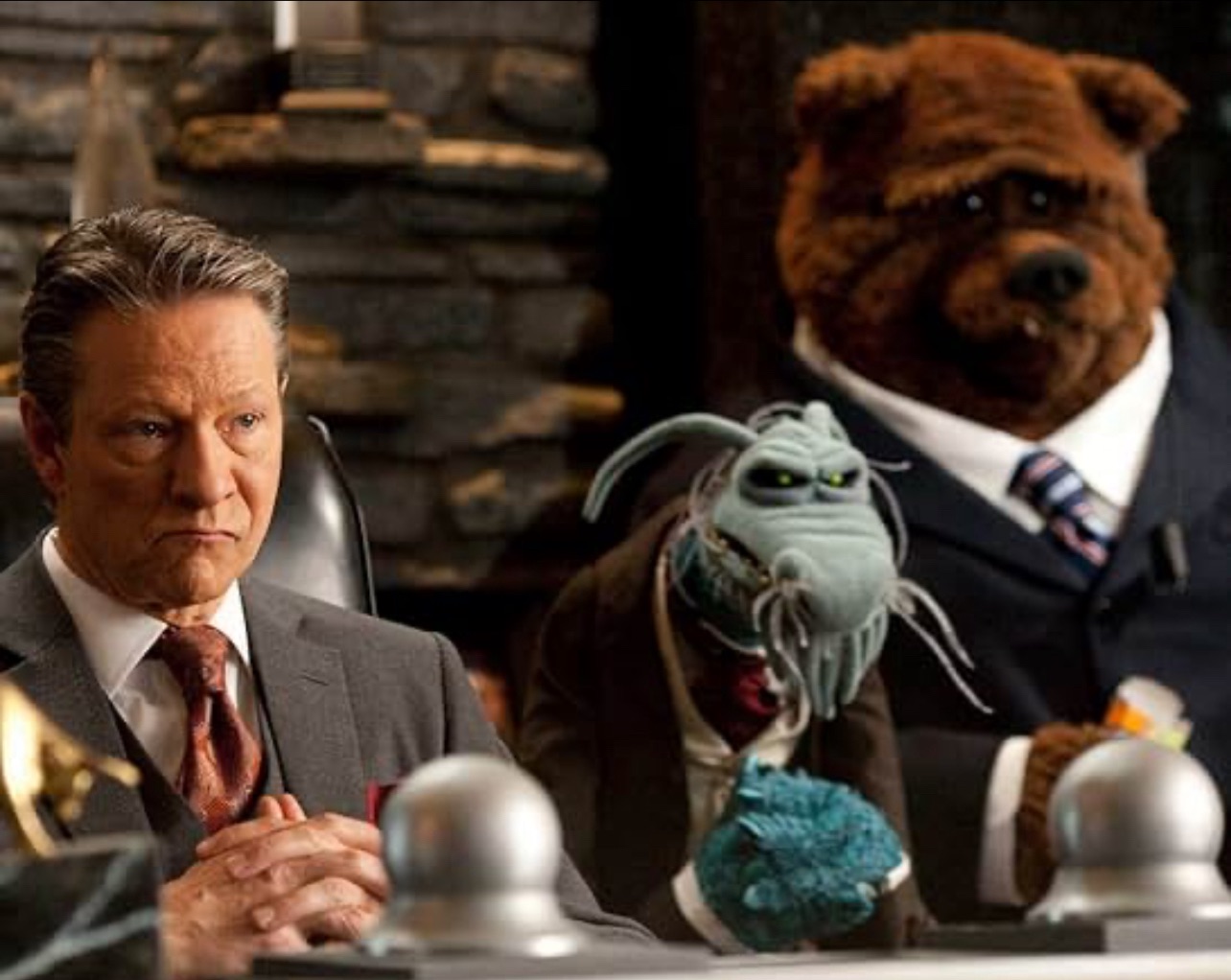
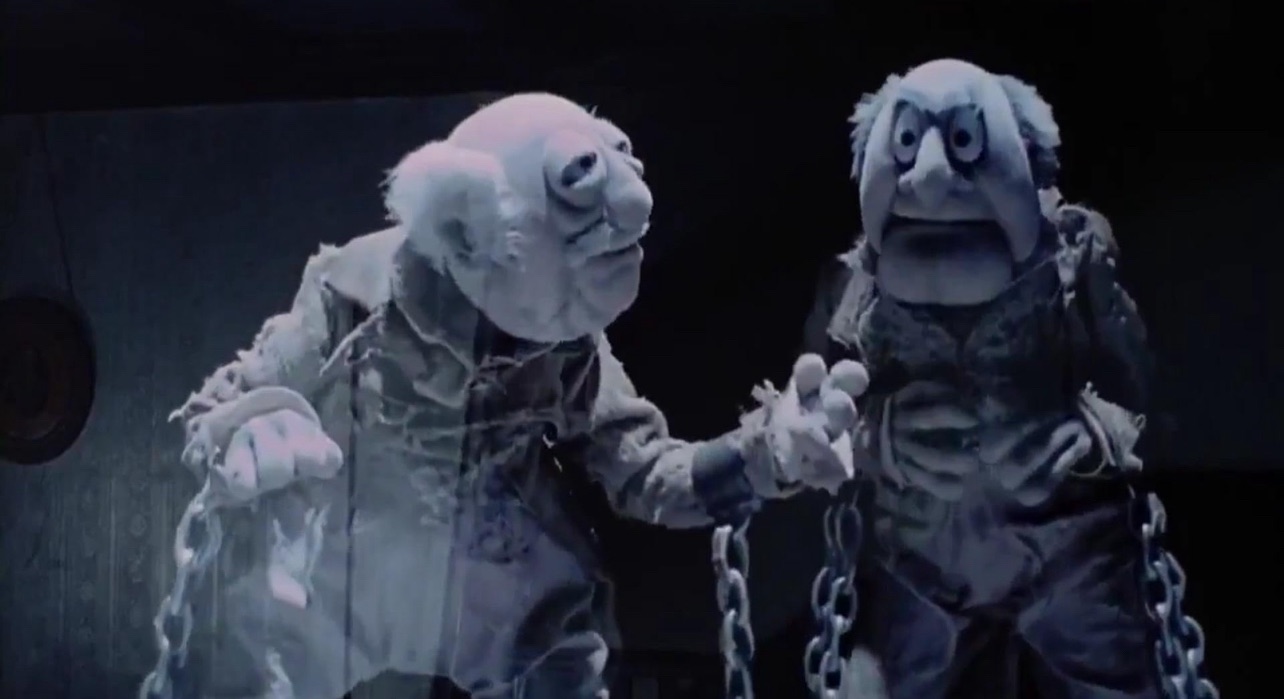
Oxford’s definition describes a puppet as “ a movable model” before diverging into some delimiting implications of the puppet’s presentation, purpose and how it is propelled. Almost hidden within the wording of this last part is that one method of movement is via hand. We’ve already spoken about the great lengths The Jim Henson Company goes to in order to remain invisible to the audience. While it was Henson’s discovery of the depth of puppetry’s performative significance that birthed The Muppets, various spiritual texts speak of humanity’s DNA containing bits of the same clay. Conceptualizing, as Mahalia Jackson claimed on Sesame Street episode 29 – an episode that oddly enough opens with a commentary on cameras and perspective – an unseen hand that moves through all the Nations of Earth; that has the whole world in hand.
Even moving beyond the whole master of puppet theology, any motivation, stimulation or inspiration can be a deity – a directive, a drug or a Hollywood director. The use of idioms like “stringing you along” and “puppet show” are proof that at points we are all part of a “song and dance.” As for our purpose, after an existential conversation with himself in The Muppet Movie, Kermit summarizes it in a way that proves the puppet possesses more than a mere shred of humanity. To fulfil the dream of making the world a better place; helping to make other people happy. An animated life that he discovered only gets exponentially bigger, better and brighter the more frogs, bears, chickens … .whatever or whoever you can find commonality to share this grand stage with: even us humans.
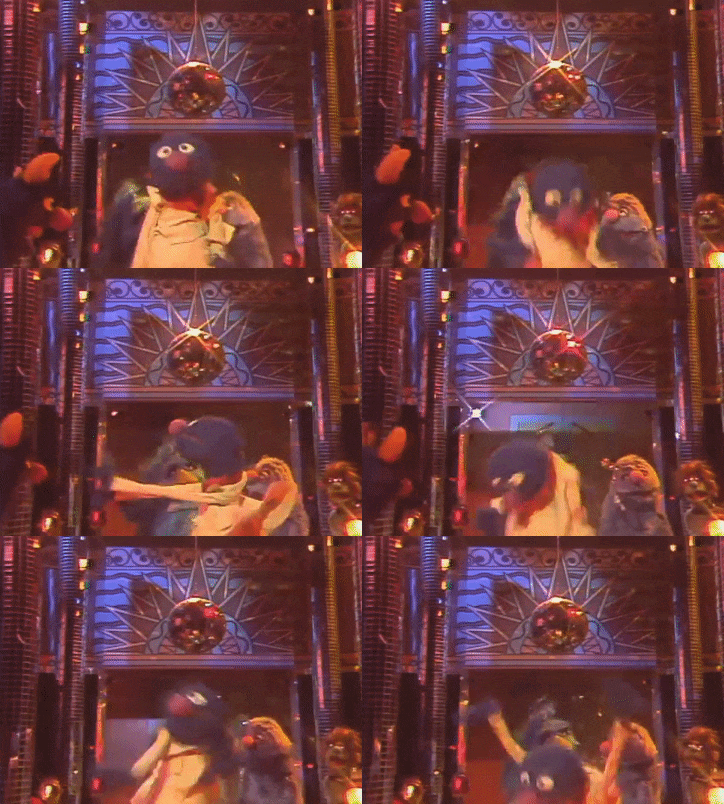
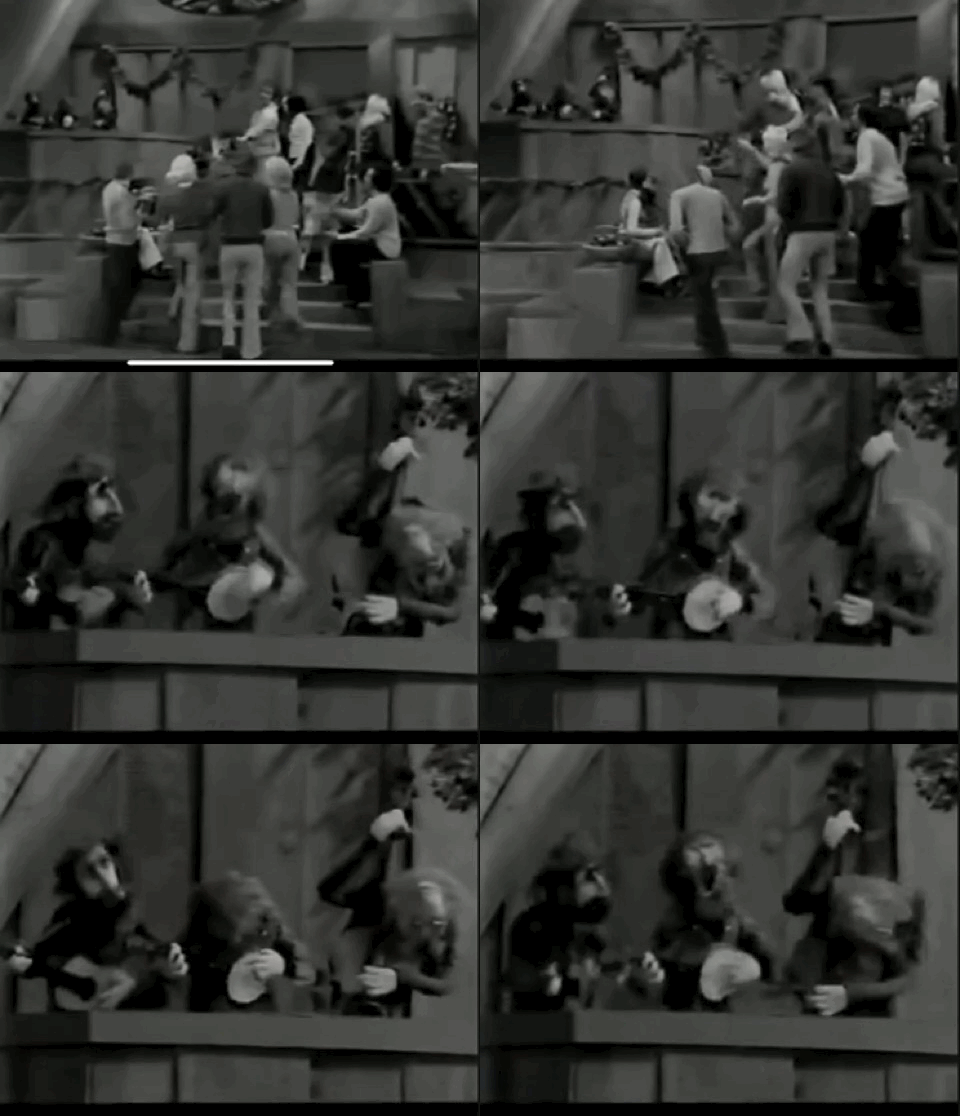
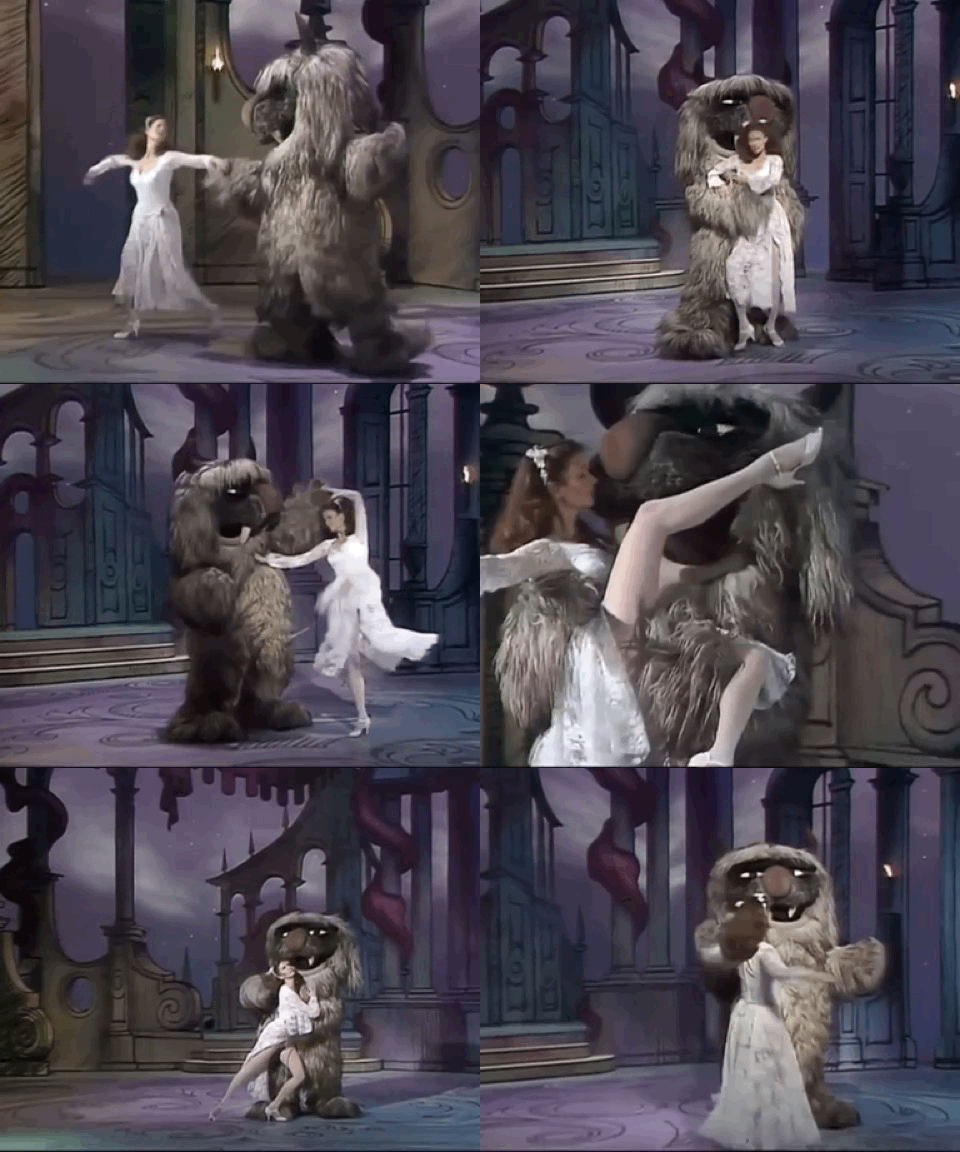
Of many puppet types you might see while viewing The Labyrinth, from hand to marionette, Sarah’s dream sequence consists of an entirely human cast. A dramatic departure from The Muppet Show’s The Dance Hall segment. Symbolism functions as a central component of puppetry and the story’s Henson used his creations to perform. Practically every project of Jim Henson’s career in puppetry acknowledges the concept of time.
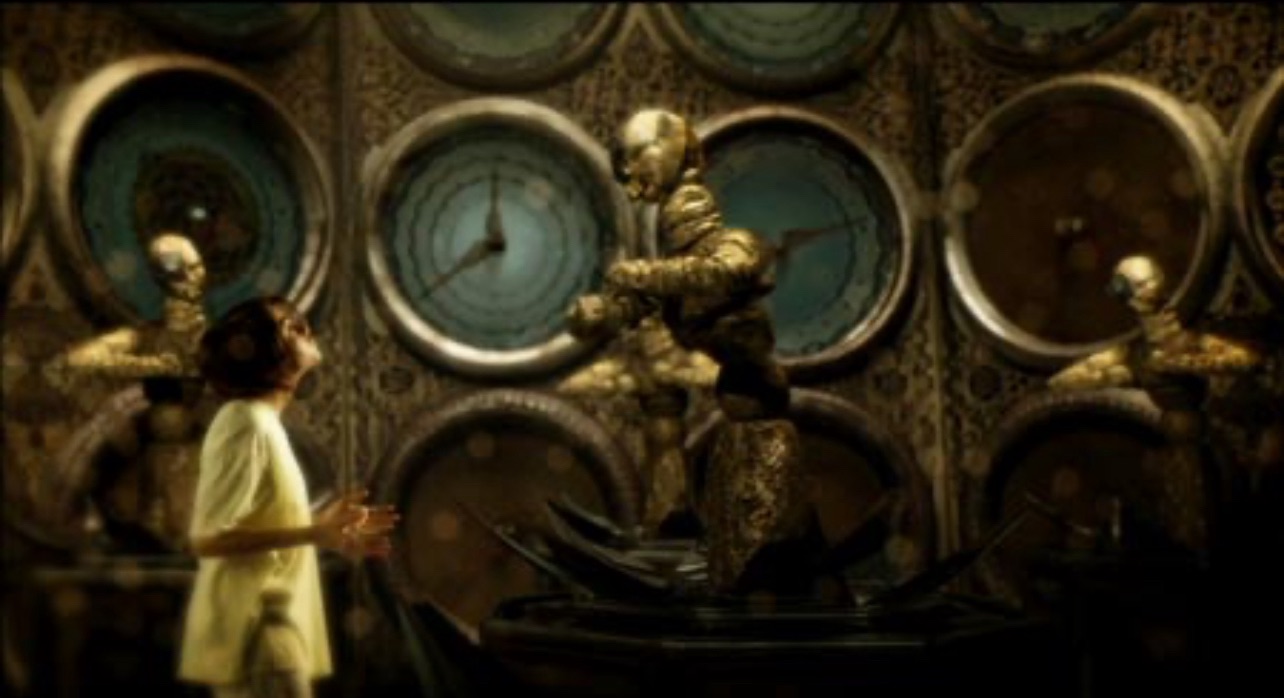

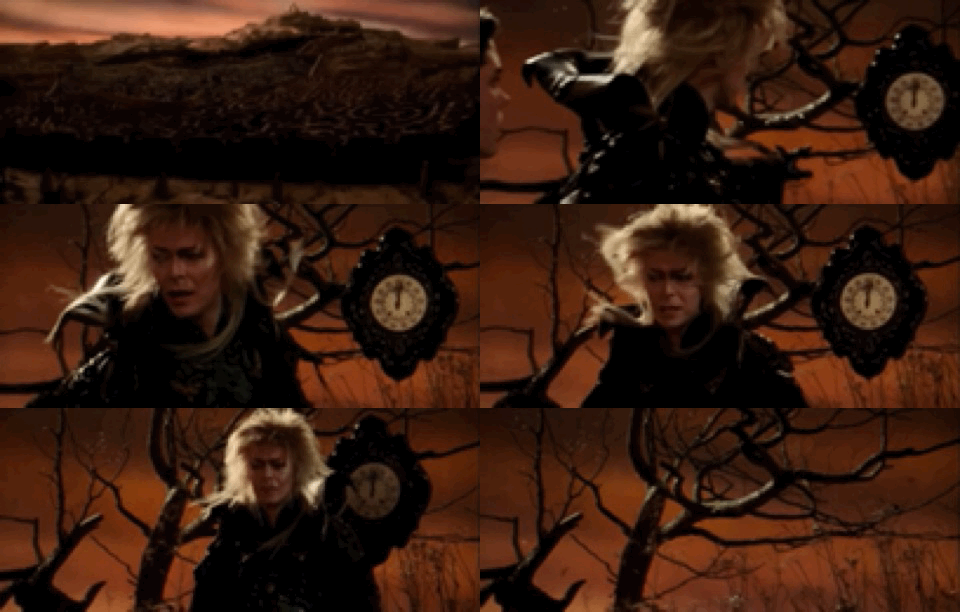
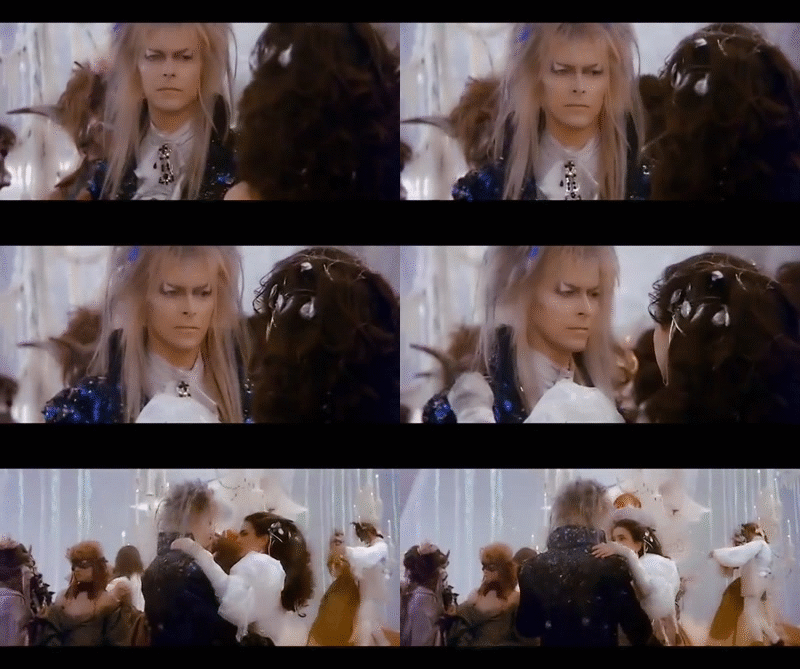
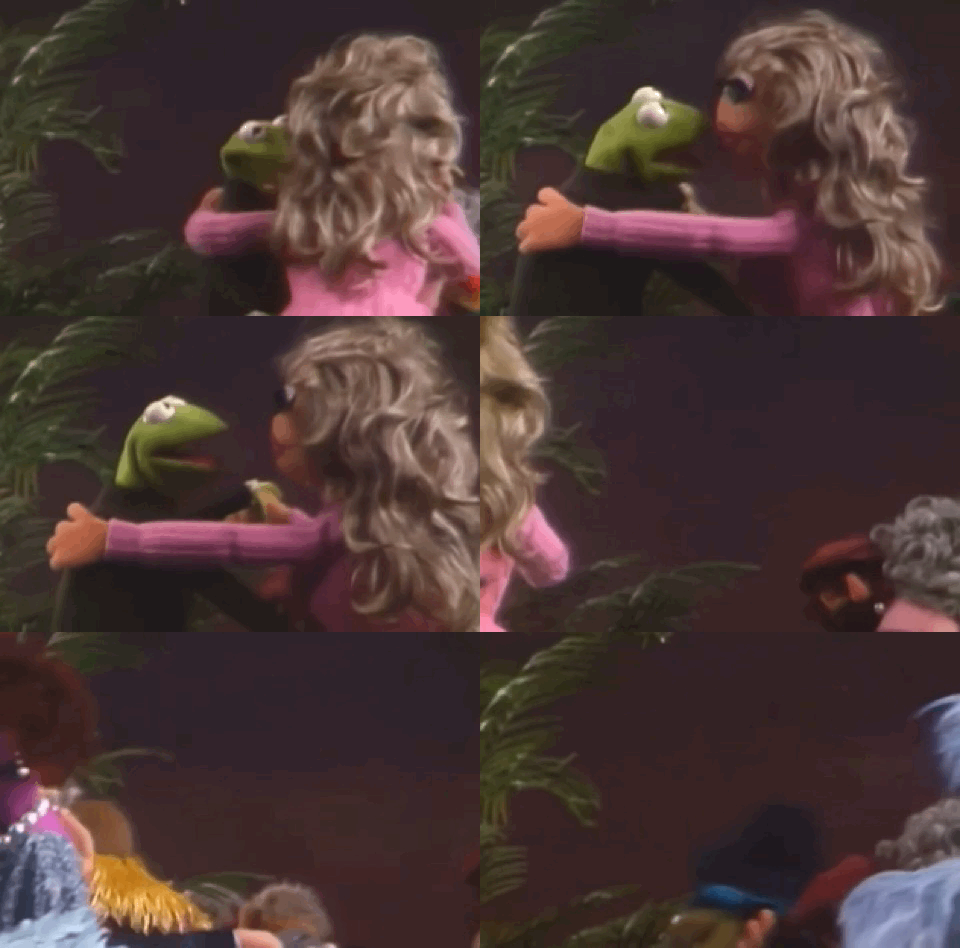
The inevitability of change and feeling the inescapability that the cube creates. The Labyrinth expands on this theme as Sarah comes to grip with letting go of our childlike spirit and sense of curiosity. The years following the film’s 1986 release show older audiences definitely lost our appreciation for Muppet shows. Yet upon seeing Hoggle for perhaps the final time, Sarah asserts that maybe you don’t have to abandon the art of make believe. This sentiment, in a small way, was possibly preparing a generation for the loss of a figure who was a silent partner of their formative years. Is it a coincidence that The Muppet Show is set to celebrate 50 years the same year The Labyrinth experiences an anniversary milestone of its own?
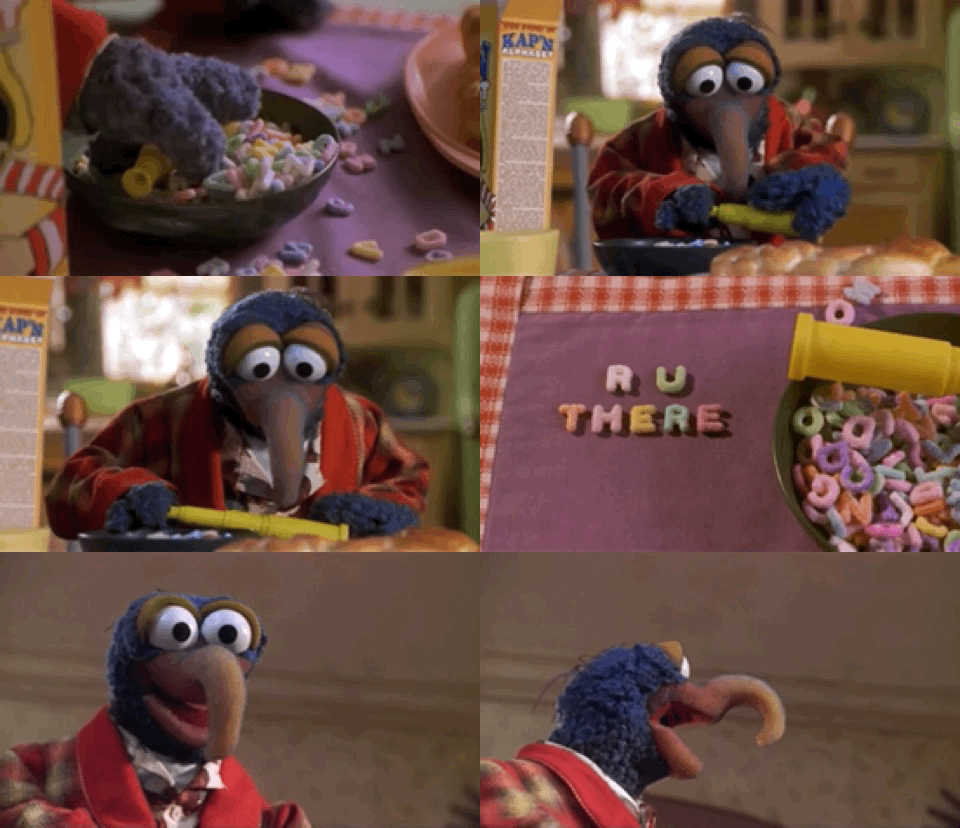
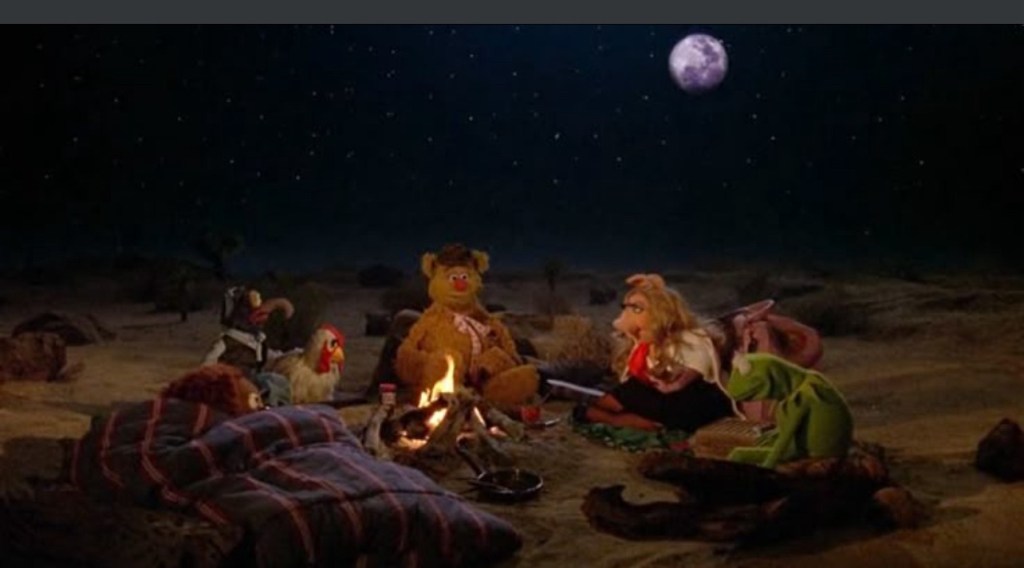
During a downtrodden scene in The Muppet Movie, Gonzo sings a melancholy melody in the desert, unaware if his lament would ever be heard. A prayerful wish to the full moon sky, the aliens’ song culminates in a shooting star. Lyrics alone invoke imagery of holy hosts, a place in eternity, free of pain and suffering. Would Muppets From Space exist unless the words were recognized for all their worth? Not to cast over the cleverness necessary to concoct an entire film’s plot from one interpretation of the song, but “I’m Going Back There Someday” seems to suggest our terrestrial journey equally transcendental.
More than “crude matter”. The Muppets are luminous beings.
It’s time to light the lights.
Hope That Something Better Comes Along
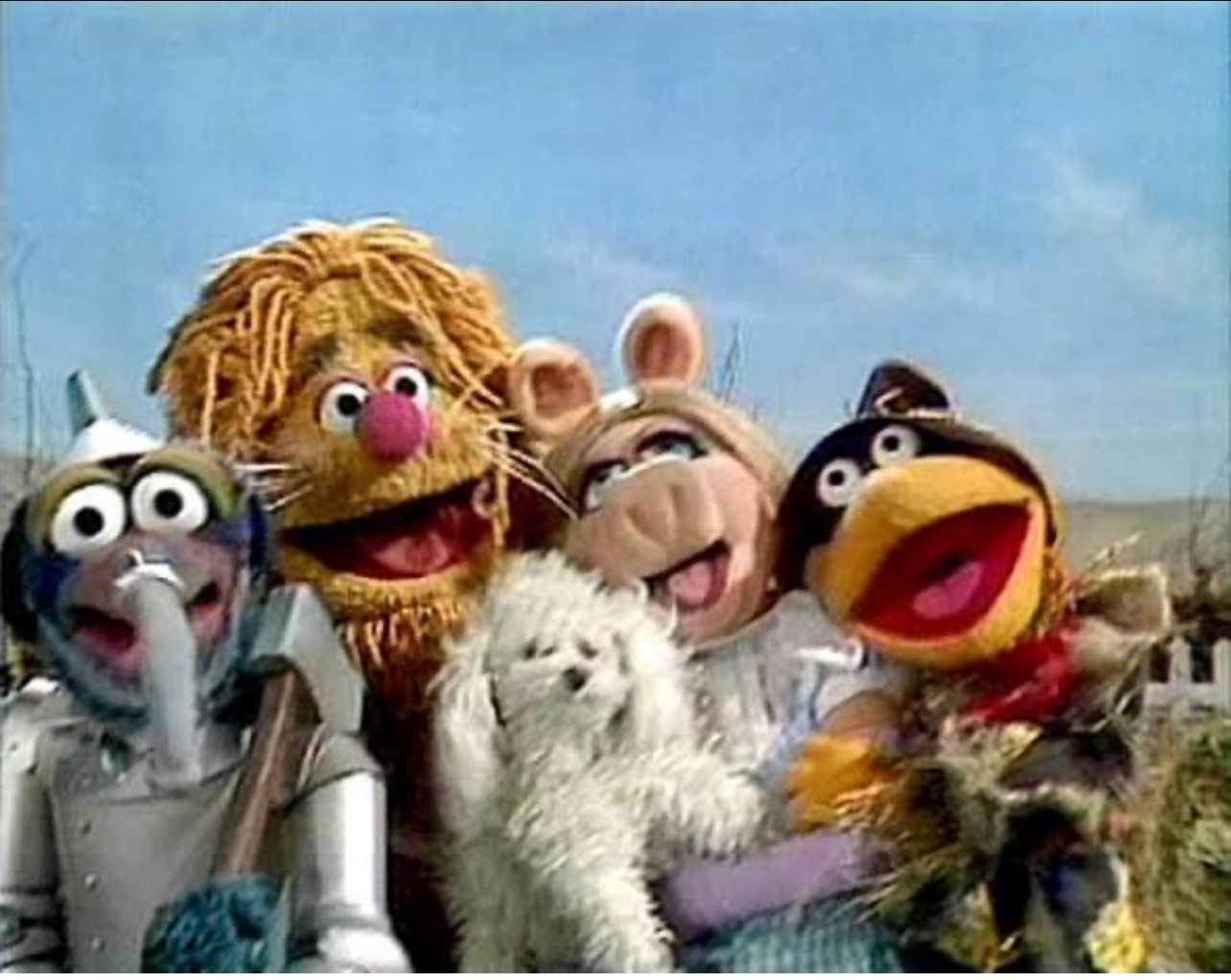
The opening line of the classic Muppet Movie Song “Rainbow Connection” provides a prophetic pontification. When Kermit first sang the tune in the swamp there weren’t nearly as many songs alluding to the spectral symbol compared to countless numbers that exist today. The increase indicates our fascination with what scientifically is nothing more than a refracted ray. According to Kermit and other famous musical artists, rainbows represent fleeting dreams, their temporary presence disproportionate to their inspirational value. Of these songs the opener from The Wizard of Oz is surely most widely recognizable. Although, after glancing at Somewhere Over the Rainbow’s lyrics, Gonzo’s song somehow made its way in there too? Somewhere bluebirds sing paints the picture of the aforementioned point in The Muppet Movie
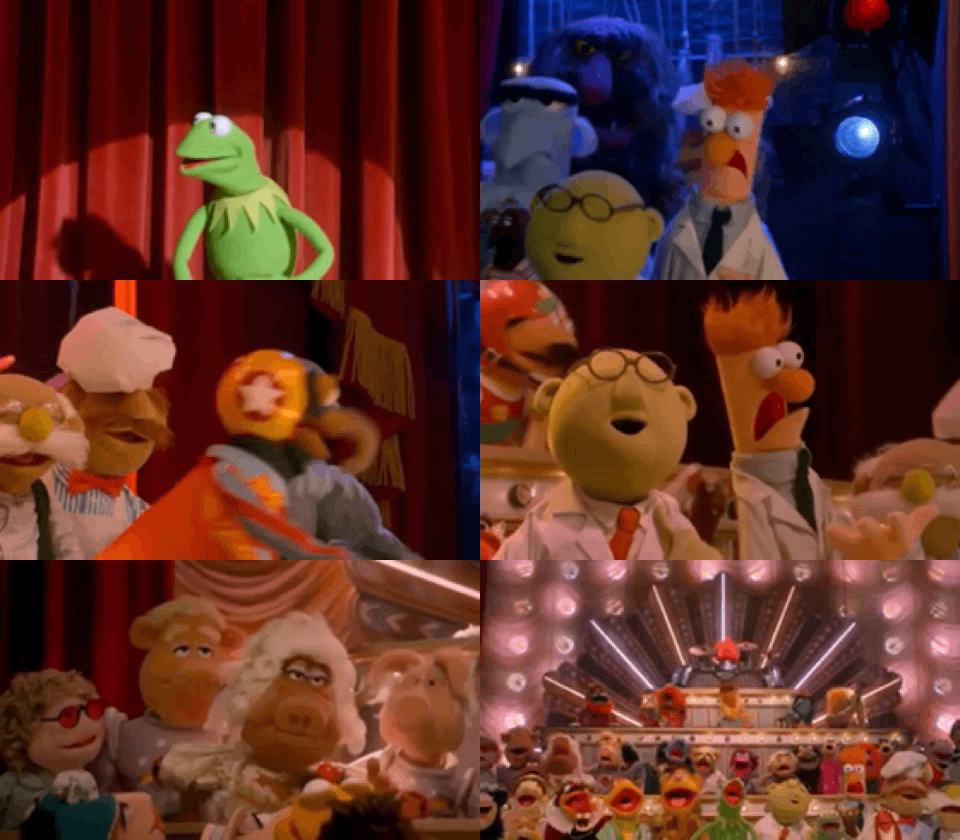
The Muppet Movie, the first of the 80’s Muppet trilogy, concludes in a moment of catastrophic catharticism for Henson’s classic characters. Reason enough why The Rainbow Connection – the opening tune traditionally associated with the group’s unspoken leader – is so frequently featured in Muppet material. A welcome mat to the Muppet Theater, as any longtime Muppet fan or recent viewer of The Muppet Show 50th Anniversary Special on Disney+ can attest. However this time the tune, played by Rowlf as Kermit reminisces about past guests, serves as a punchline and just so happens to answer the question that began this discussion. For many The Rainbow Connection is more enduring than I’m Going Back There Someday highlights how, despite suitable substitutes, first impressions are important. No wonder Disney’s Muppet Show Special is generating more interest than some of the other series.
With Disney’s Muppet Show Special putting a spotlight on everything that made the original Muppet Show spectacular, it seems fitting to conclude with a look at Muppets Tonight, ABC’s Muppets and MuppetsNow. Not only are these the last three muppet shows to attempt to entertain fans, but they also have the three shortest initial runs. They all also contain a fray, a missed thread, overcast on the original Muppet Show. Consider them a stitch in time, each stemming from decisions intended to help Kermit and the crew relevant.
Muppet Babies might be the second – and third – longest running show, however, to date the show closest to the original Muppet Show template is probably the 1998 ABC comedy series Muppets Tonight. Compared to Muppet Show successor The Jim Henson Hour, the three dimensional muppet centered show is almost a complete return to foam. Except for a few alterations that obviously didn’t sit too well with the house and family viewing audience of the network’s then TGIF program block.
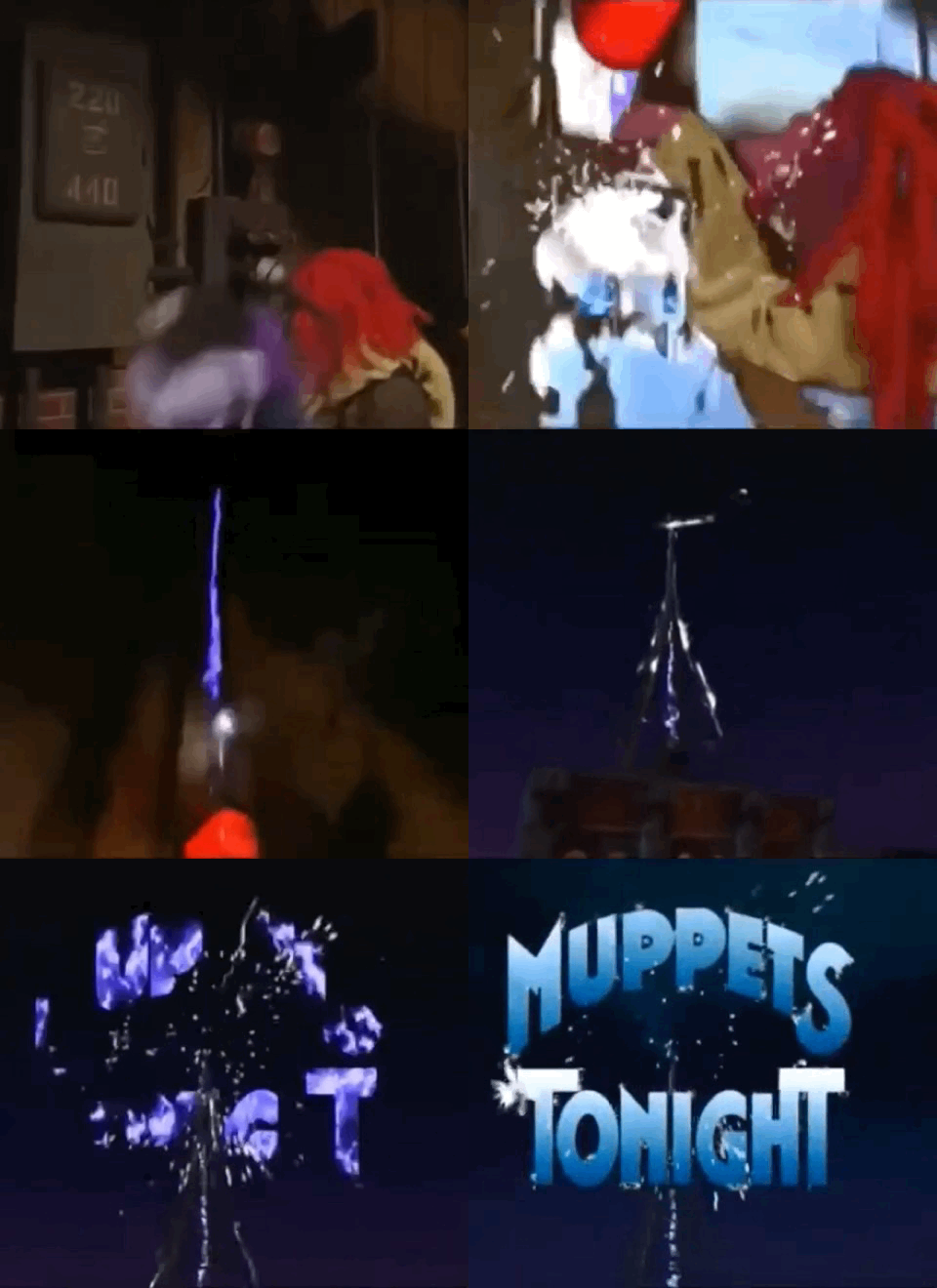
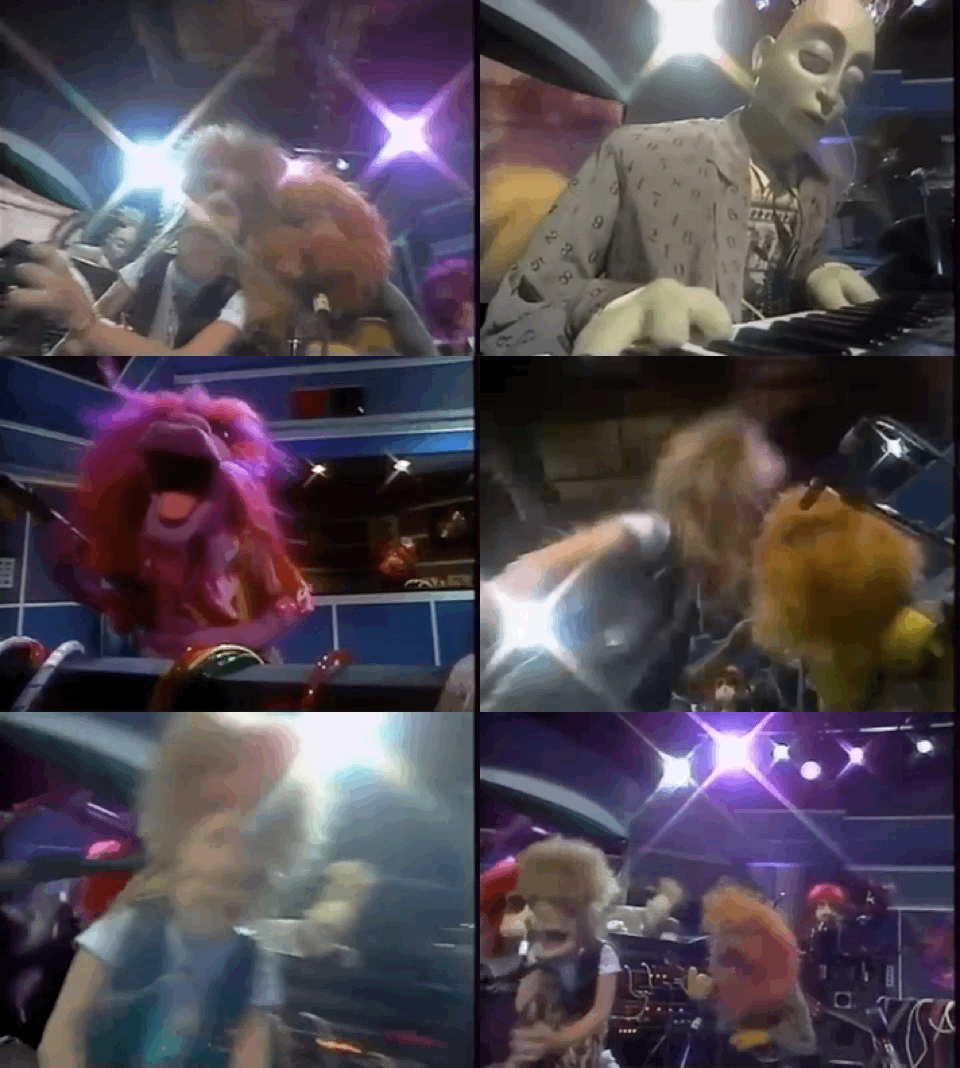
Facing cancellation, ironically Muppets Tonight would find an audience outside the one Jim had in mind when he created The Muppets. Even more unexpectedly, this move led to an additional 9 episodes – one a clip show – were aired on Disney giving Muppets Tonight 22 total when the show ended the second season in 1998.
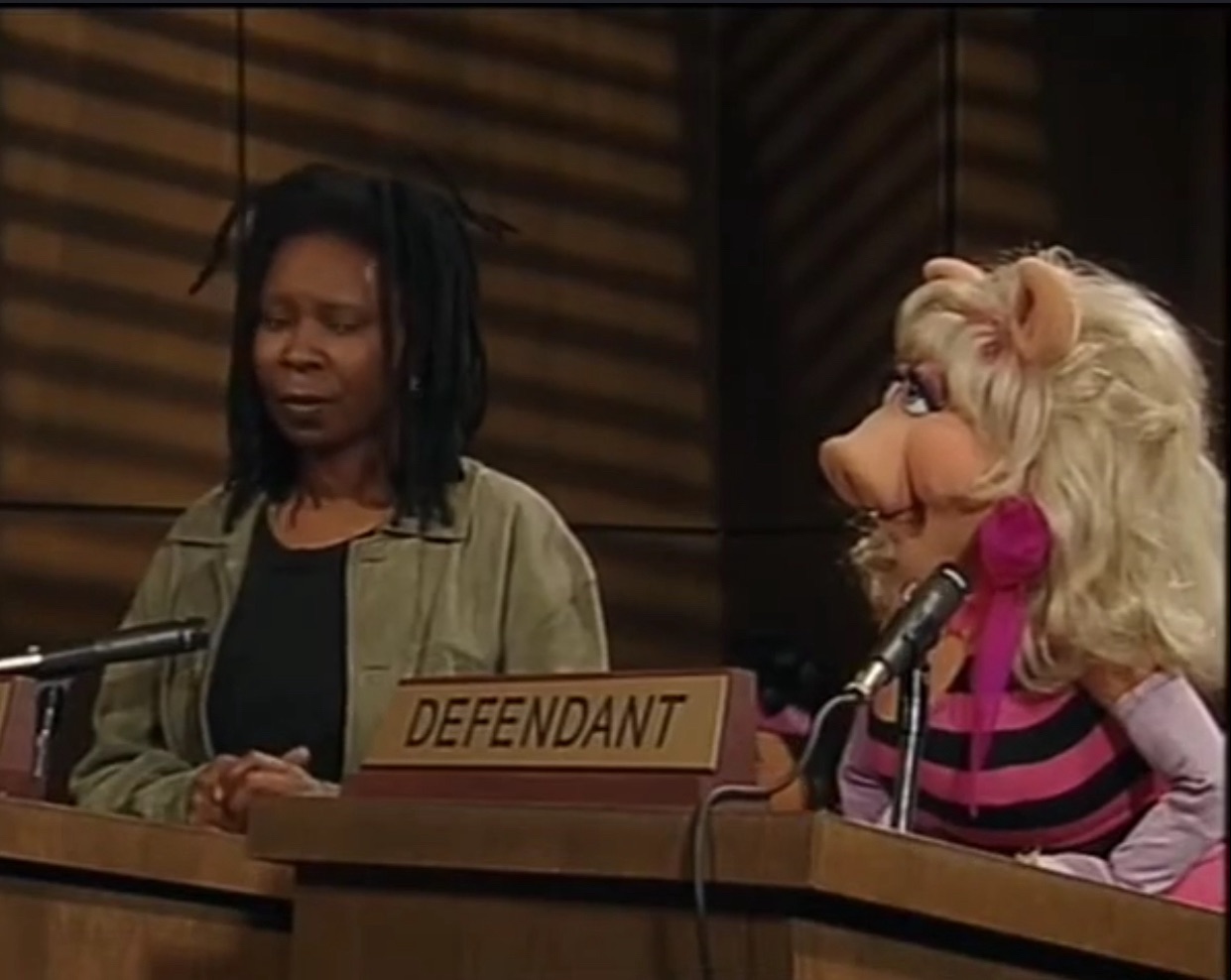
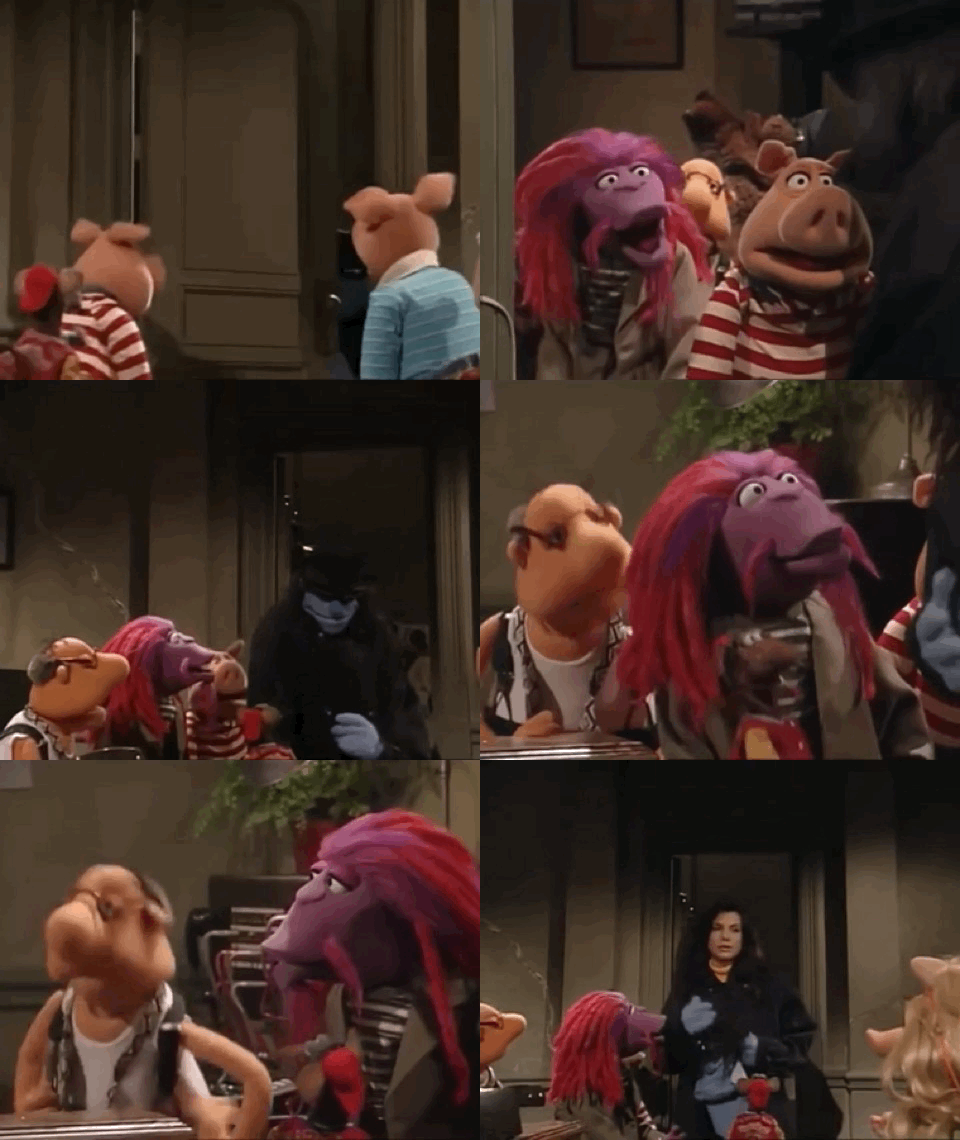

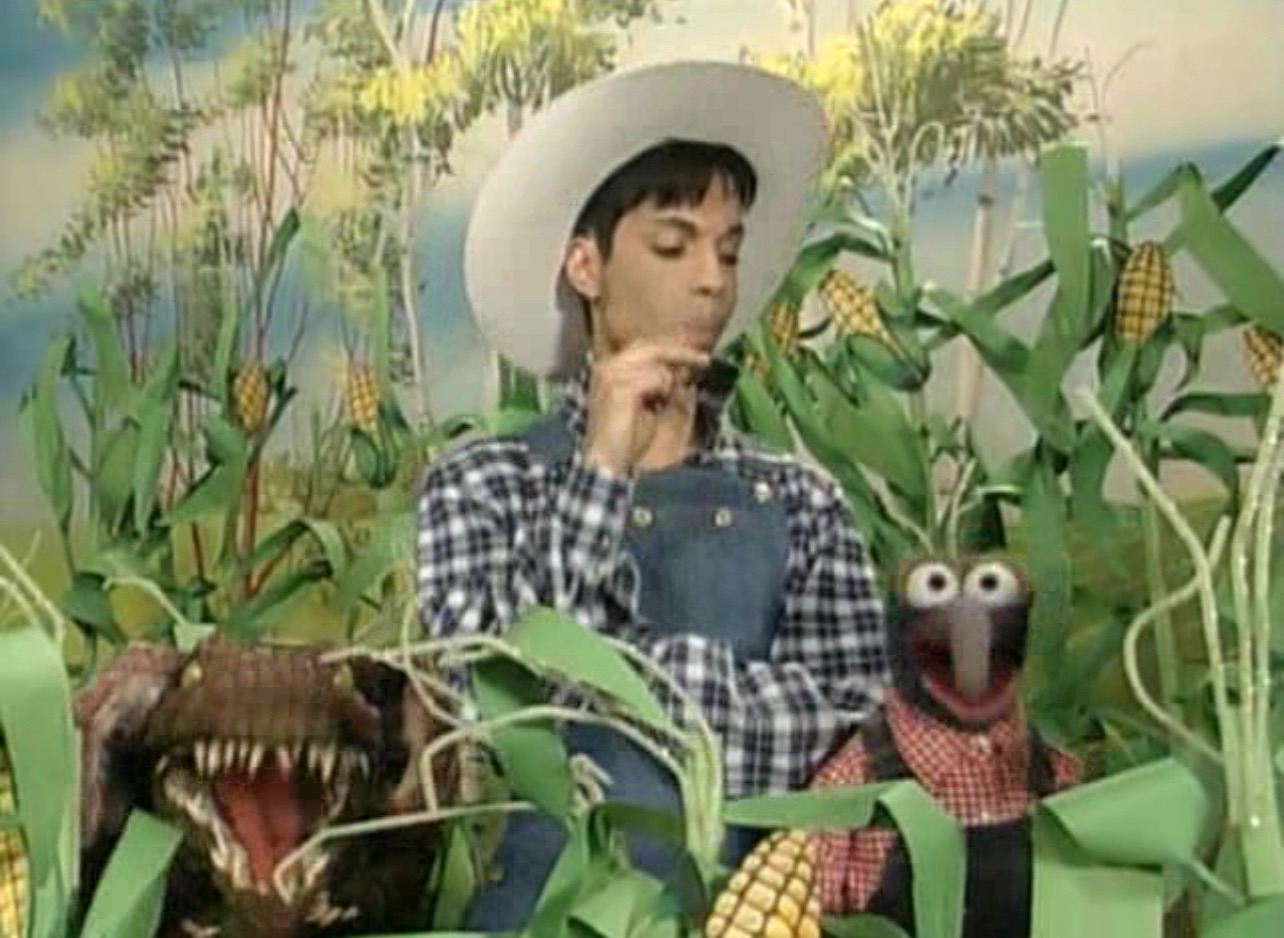
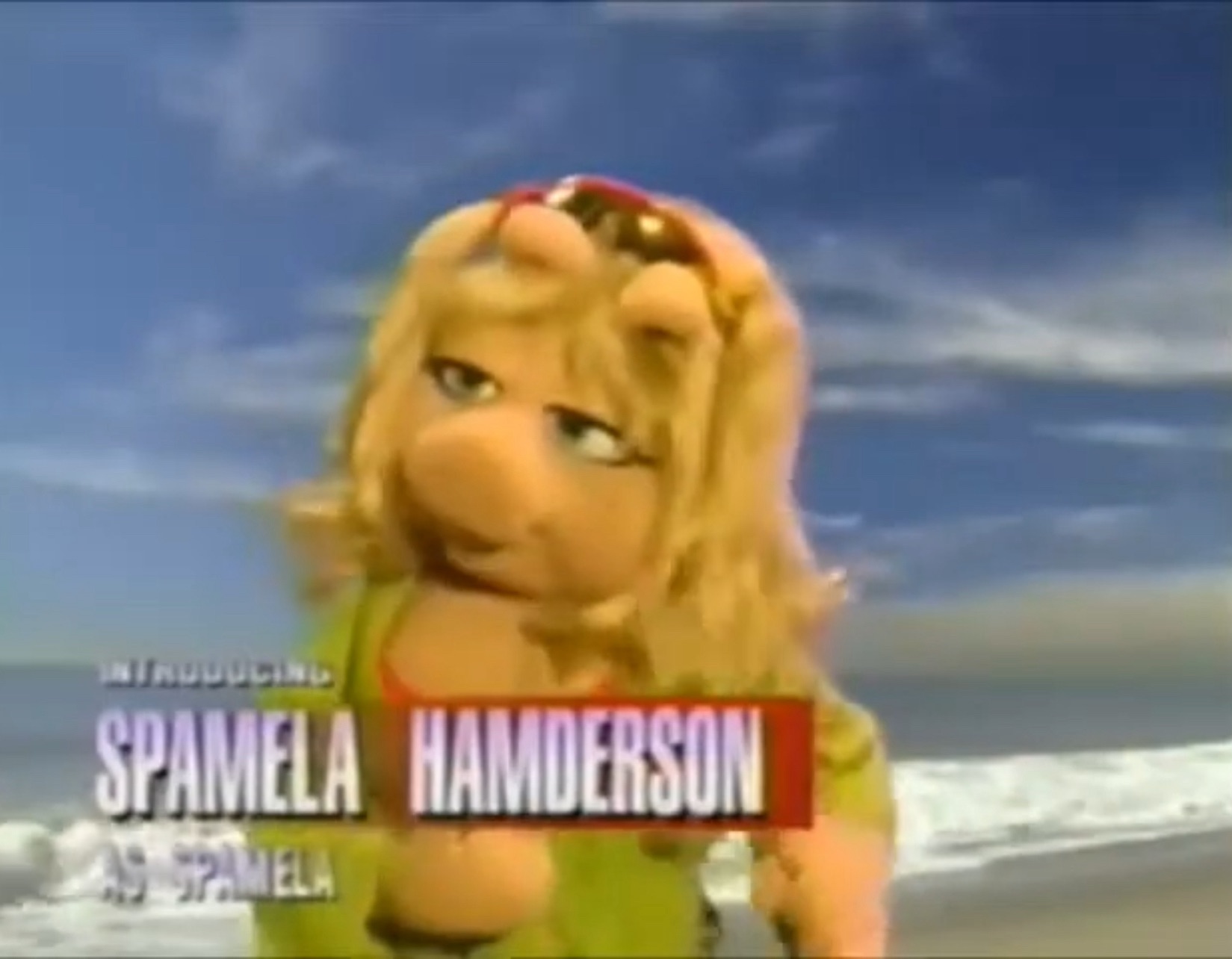
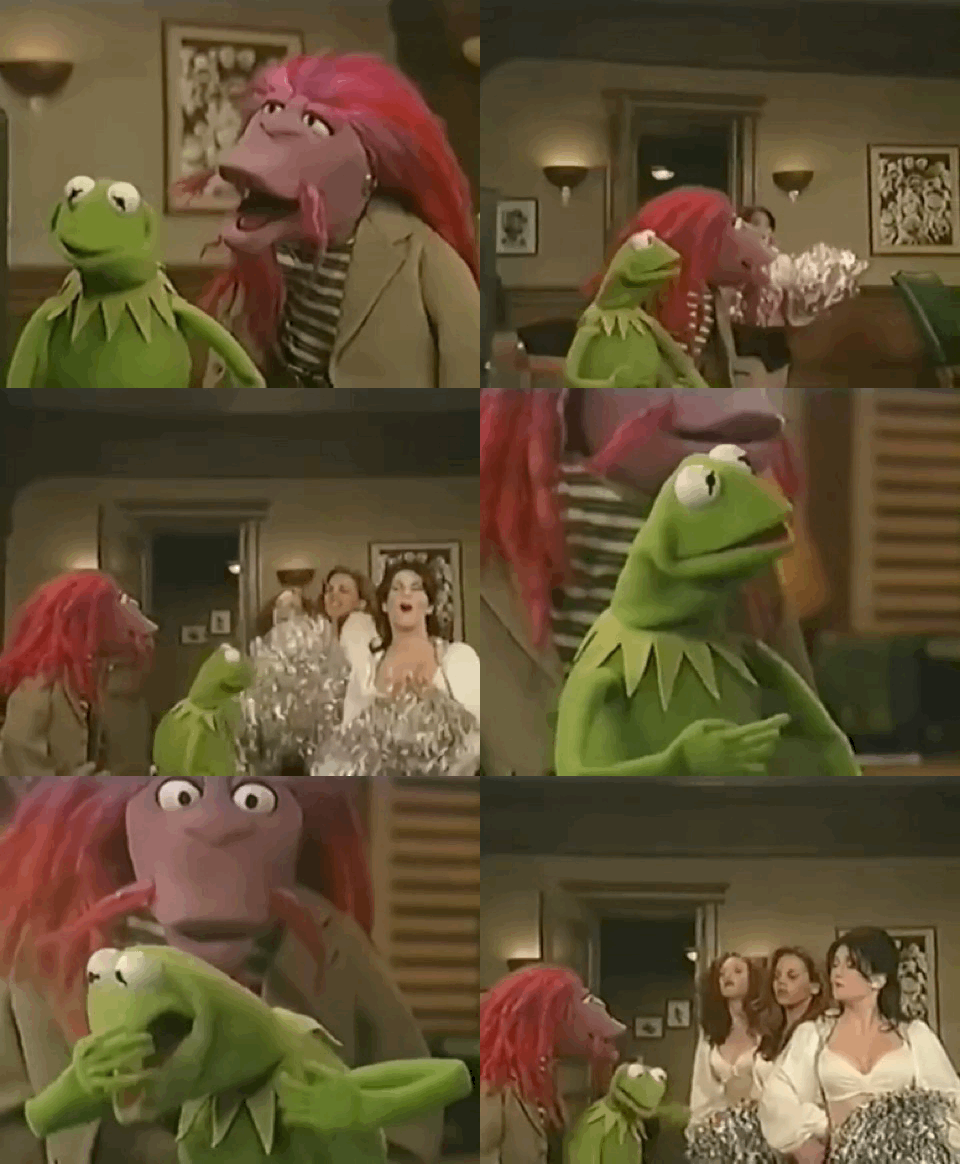
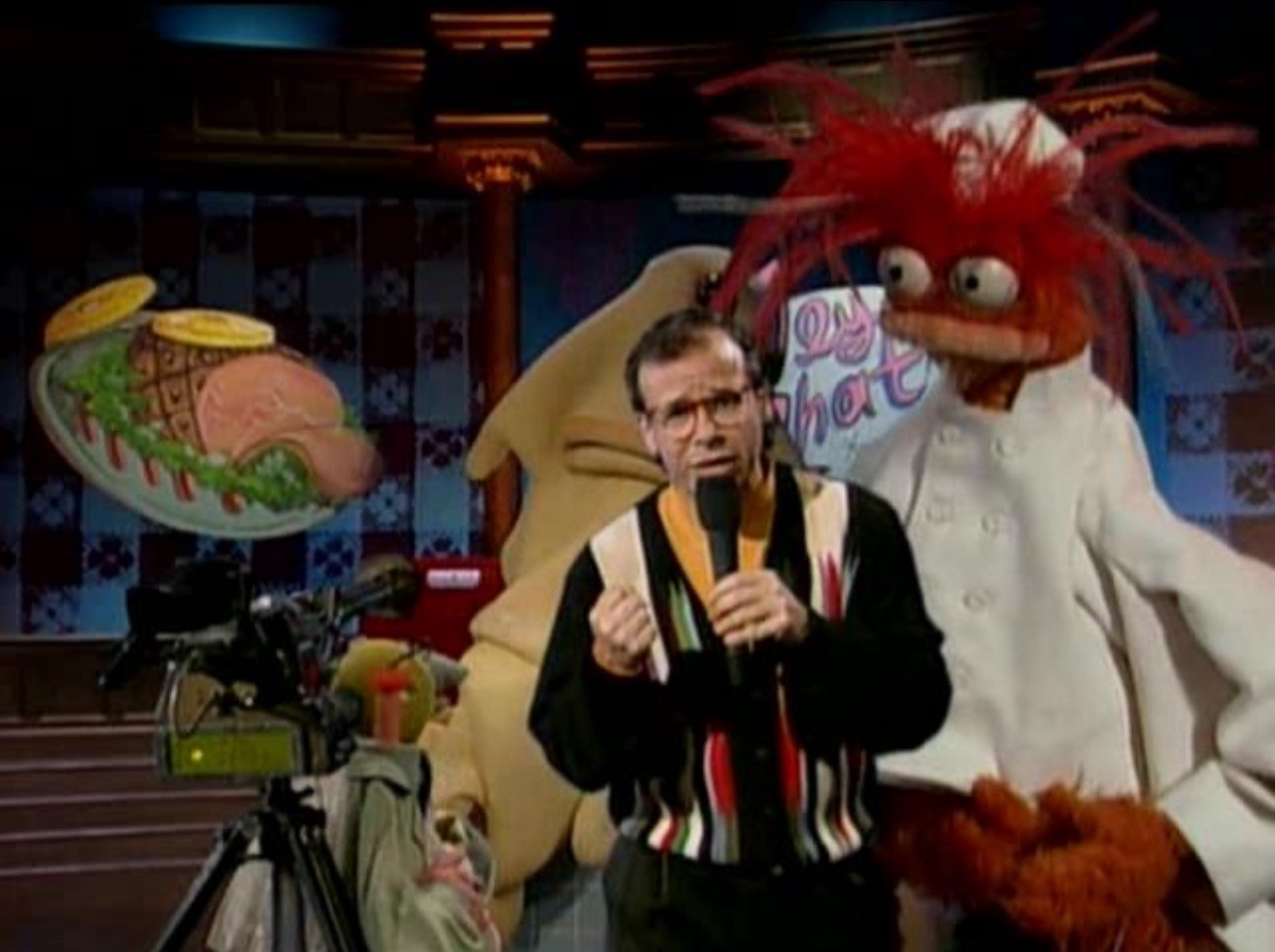

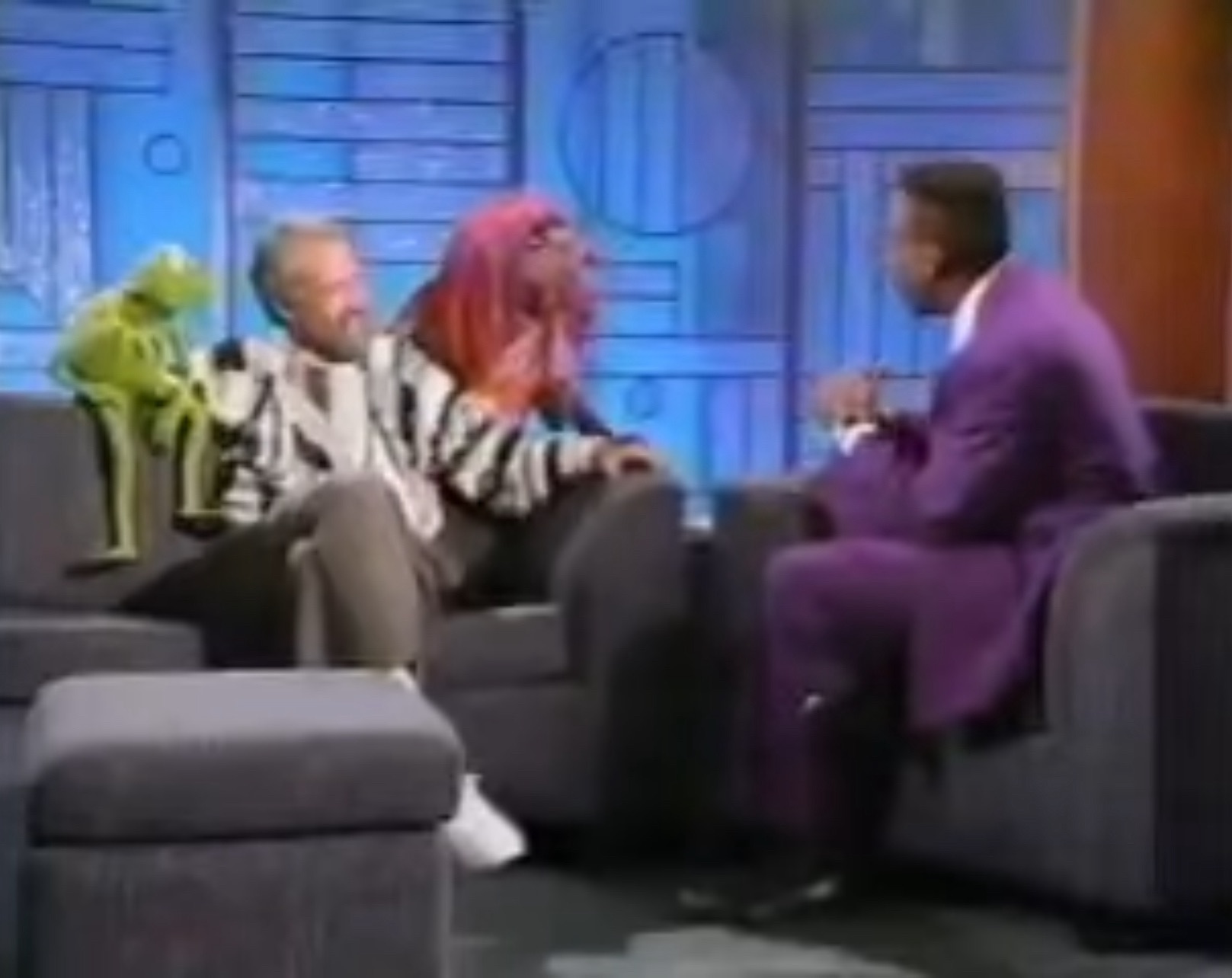
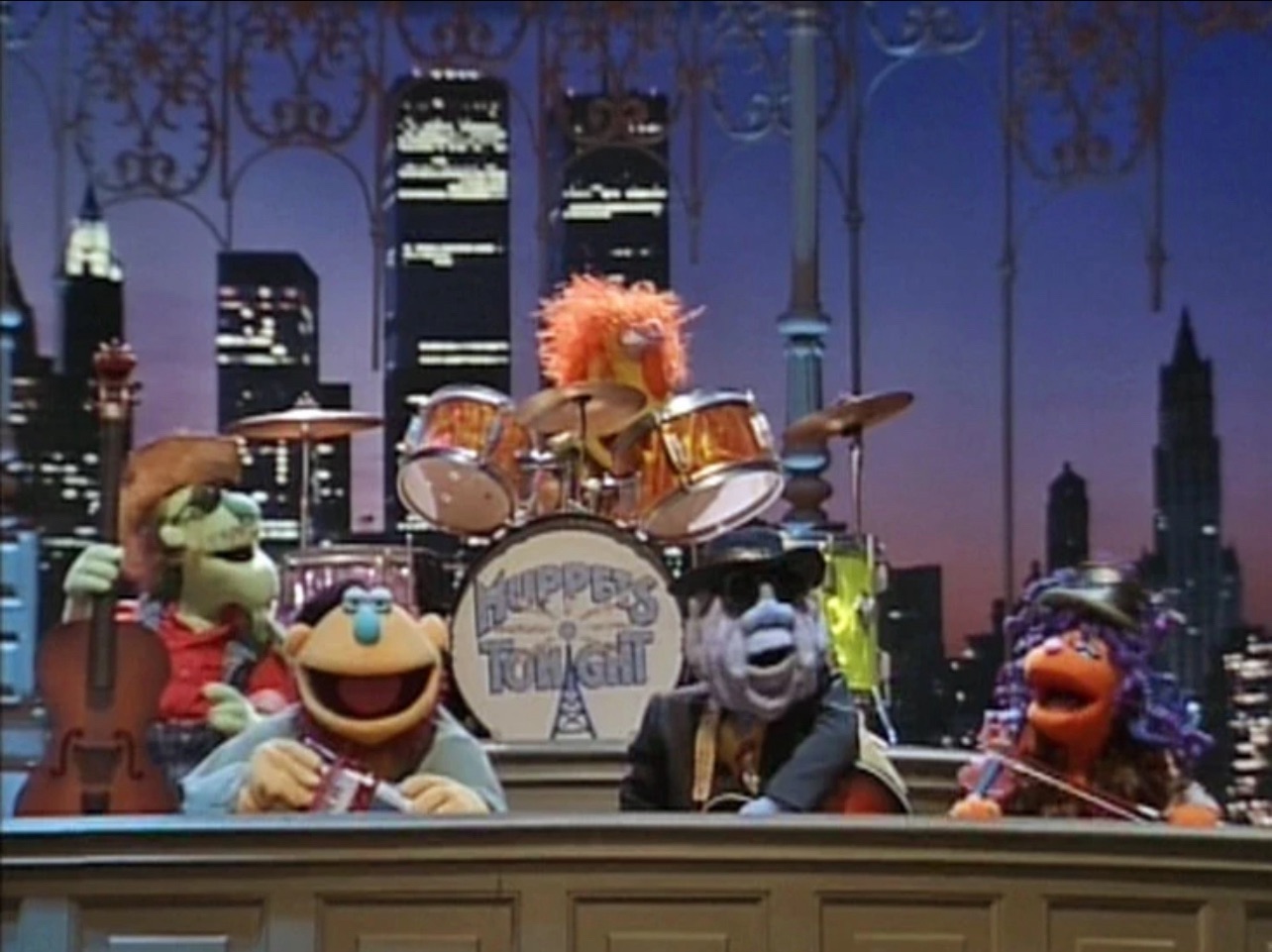
On-air talent is a compound word that just so happens to provide the simplest way of describing a major way Muppets Tonight differs from The Muppet Show. Letting go of the reins is never easy, but when Muppets Tonight hit the air the frog handed hosting duties over to Clifford. A returning cast member from The Jim Henson Hour, apparently the puppet’s appearance alongside Kermit and Jim Henson on the Arsenio Hall Show resulted in a promotion. Muppets Tonight actually centered around recreating a sort of talk show atmosphere, similar to Johnny Carson or the Jimmy Dean Show where Rowlf served as sidekick in the 60’s. To some, this strategy might have seemed smart, anticipating that a television studio audience could imitate the energy as a sort of metaphorical update of the Muppet Theater audience or radio hall ambience Kermit and The Announcer provided in the original. Well, if Kermit taught kids that it wasn’t easy being green, then the former member of Solid Foam is a reminder of the adage the grass isn’t always greener. Clifford’s cool island breeze demeanor quickly descended into the whirlwinds in your mind type insanity that the original Muppet Show host knows all too well.
If you got that reference from the first episode 1 from season 2 of The Muppet Show, then you’ll understand the other major difference between The Muppet Show and subsequent productions like Muppets Tonight: dichotomy disconnect.
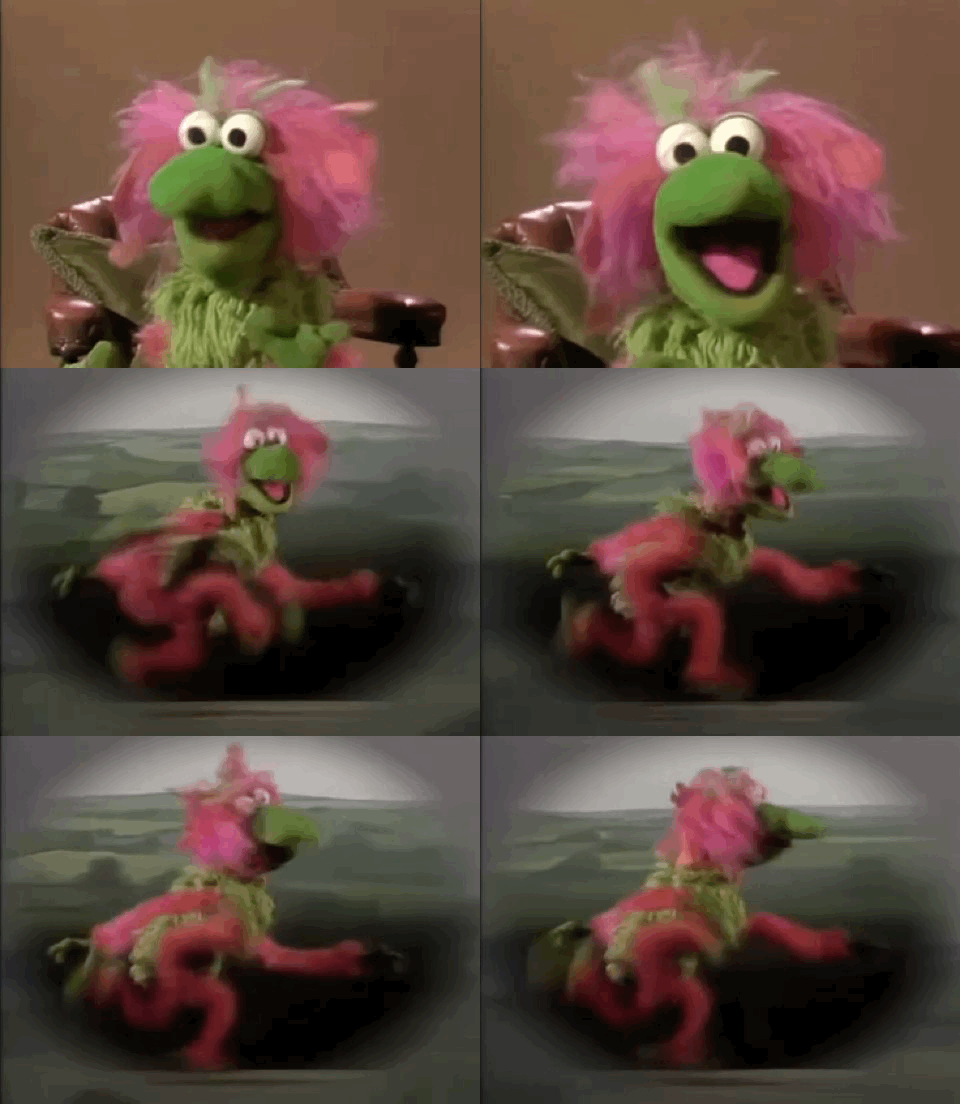
Affording a break between acts, the silliness and shenanigans that took place stage right on the Muppet Show were a behind the scenes bonus that kept us home viewers engaged. As Kemit spoke directly to the audience inside Muppet Theater, the camera angle created the impression he was talking to viewers at home. Unlike sketches seen on Sesame Street, with Muppets talking directly to viewers at home, everything from the backstage area and balcony to the pit below coalesced to create the impression The Muppet Theater existed as one self-contained set, unaware we were watching. Meanwhile, everything from the muppets on stage, to those in the audience and even the stage itself, every aspect of the original Muppet Show felt alive and cohesive. Still today viewers mistake the show’s pre-recorded laugh track for real hysteria. Aided by the method the show’s creators used to seamlessly shoot and edit the show, the resulting pans from the stage to the audience below’s reaction made it appear that everything occurred simultaneously. For many of you reading, The Muppet Show – whether the original or some other muppet series – was quite possibly the earliest exposure with meta.
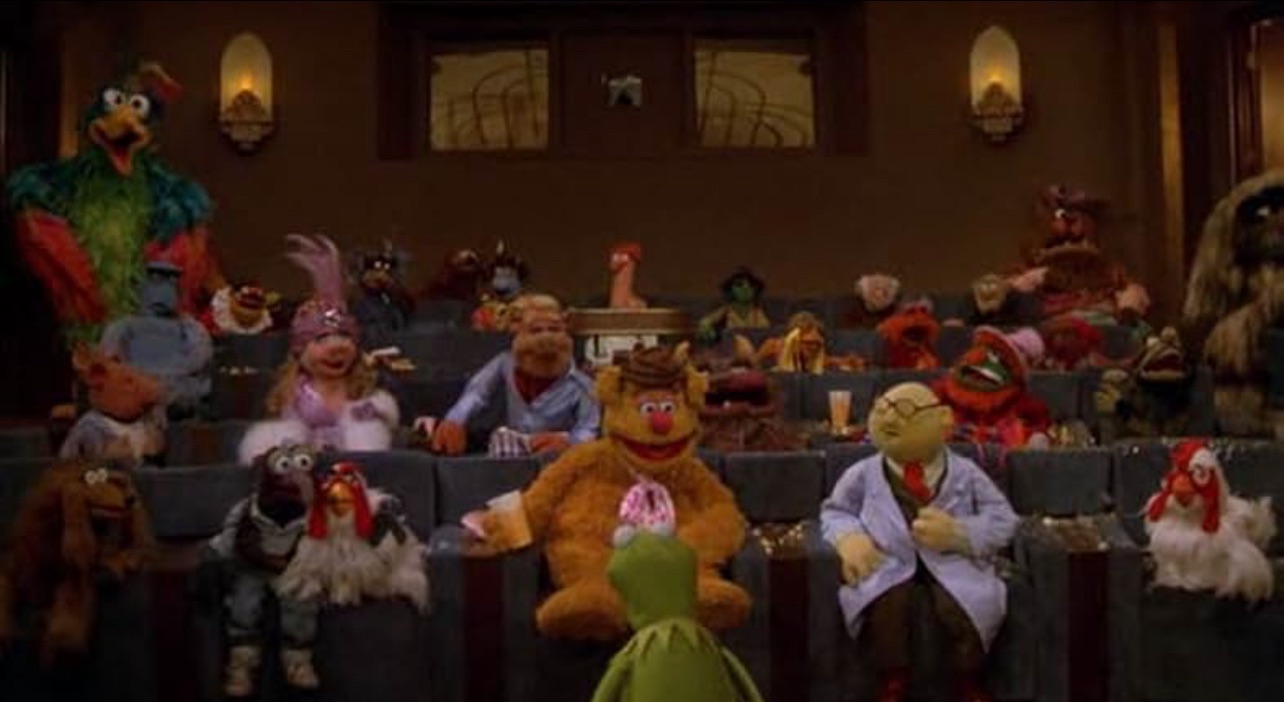
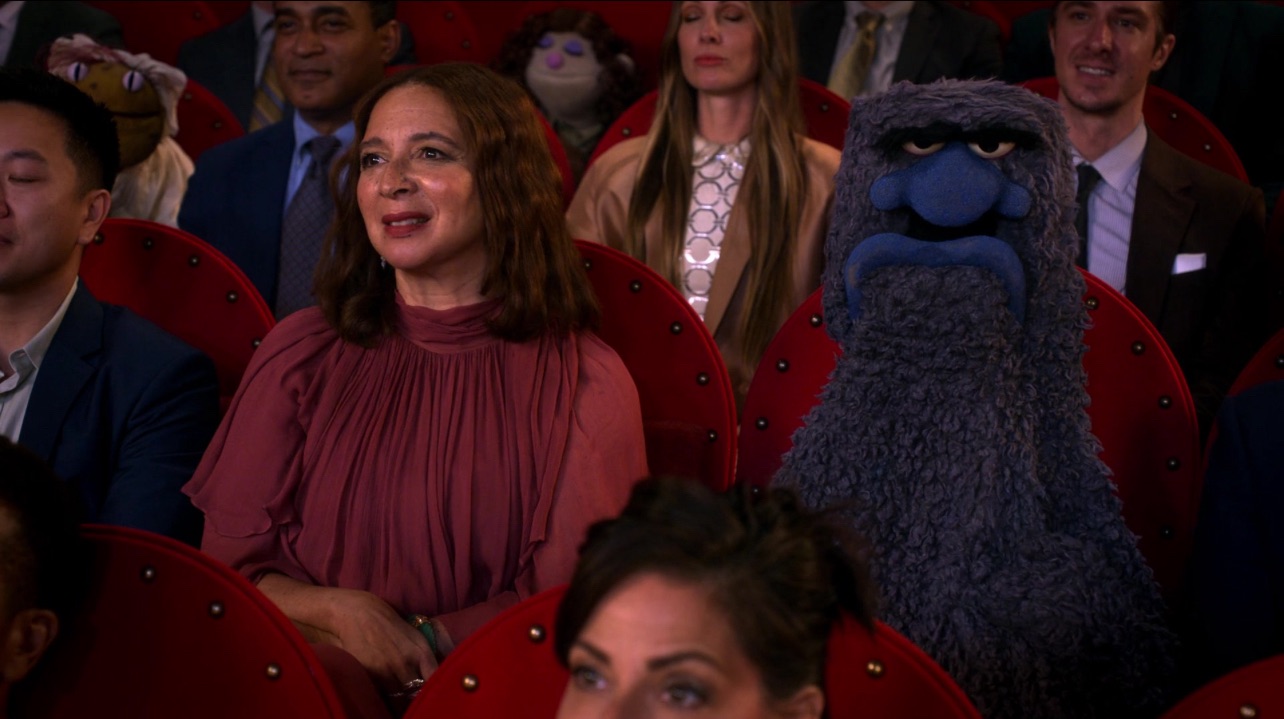
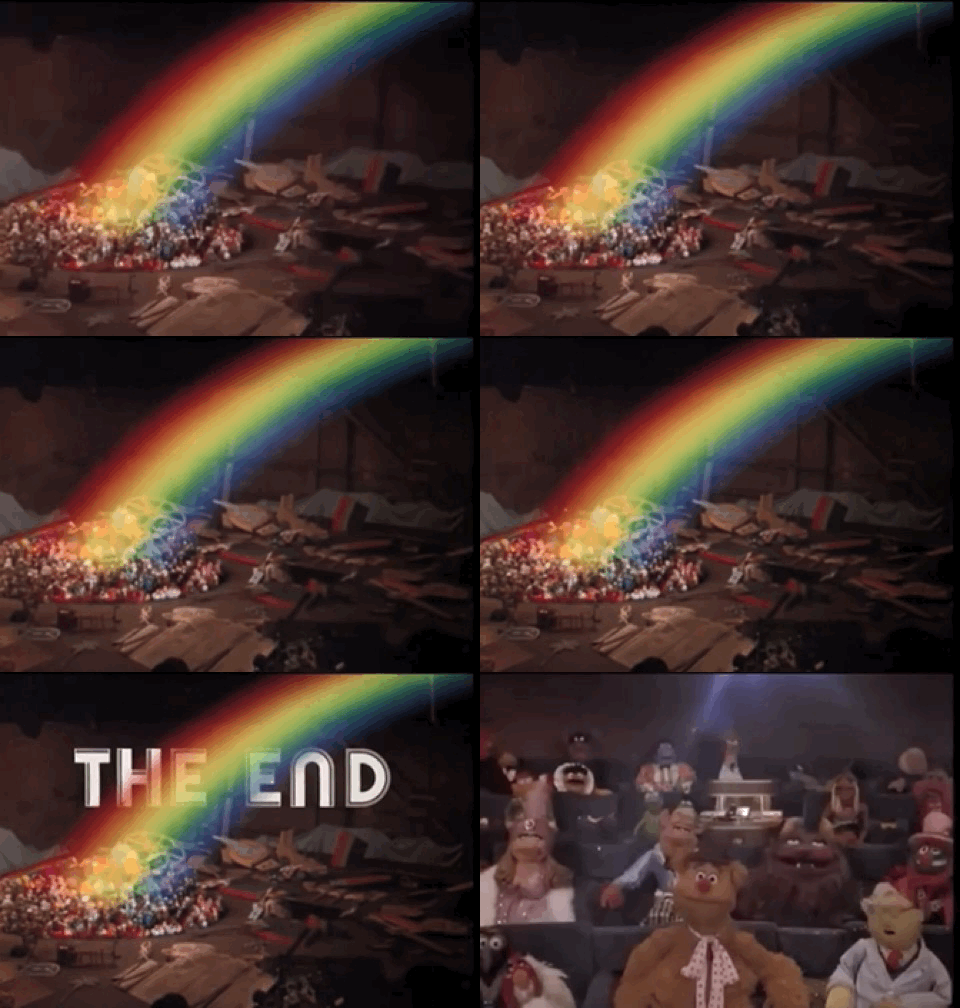
1979’s The Muppet Movie is a film with multiple frames – The Muppets act in a movie both they and we watch. Instead of breaking the 4th wall, Jim Henson and co-creators made a show that extended typical theatrical borders, allowing us to observe the hilarious self referential hijinks and surrealism taking place on the set of The Muppet Show; observing a dreamscape. Maya Rudolph marvellously maintains the original show’s audience demeanor during the Muppet Show Special.
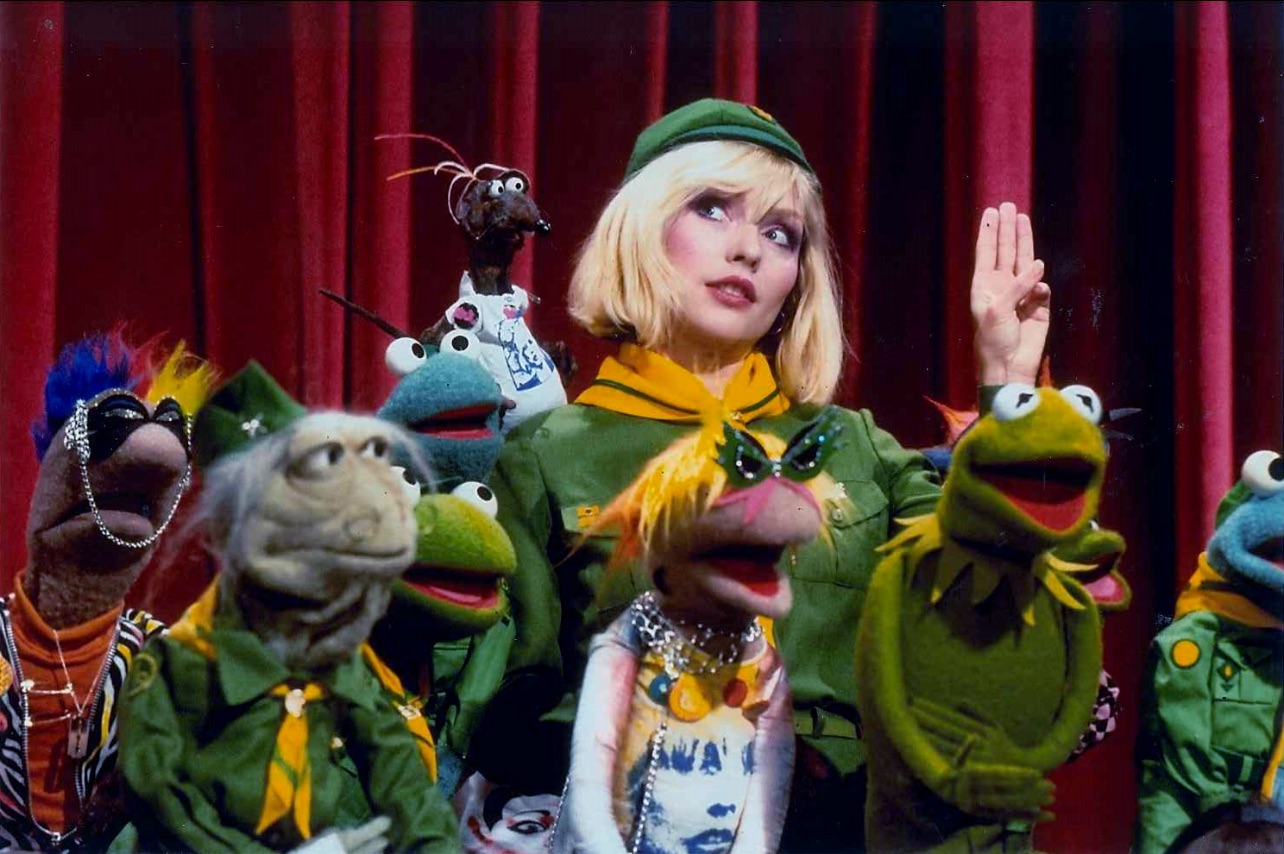
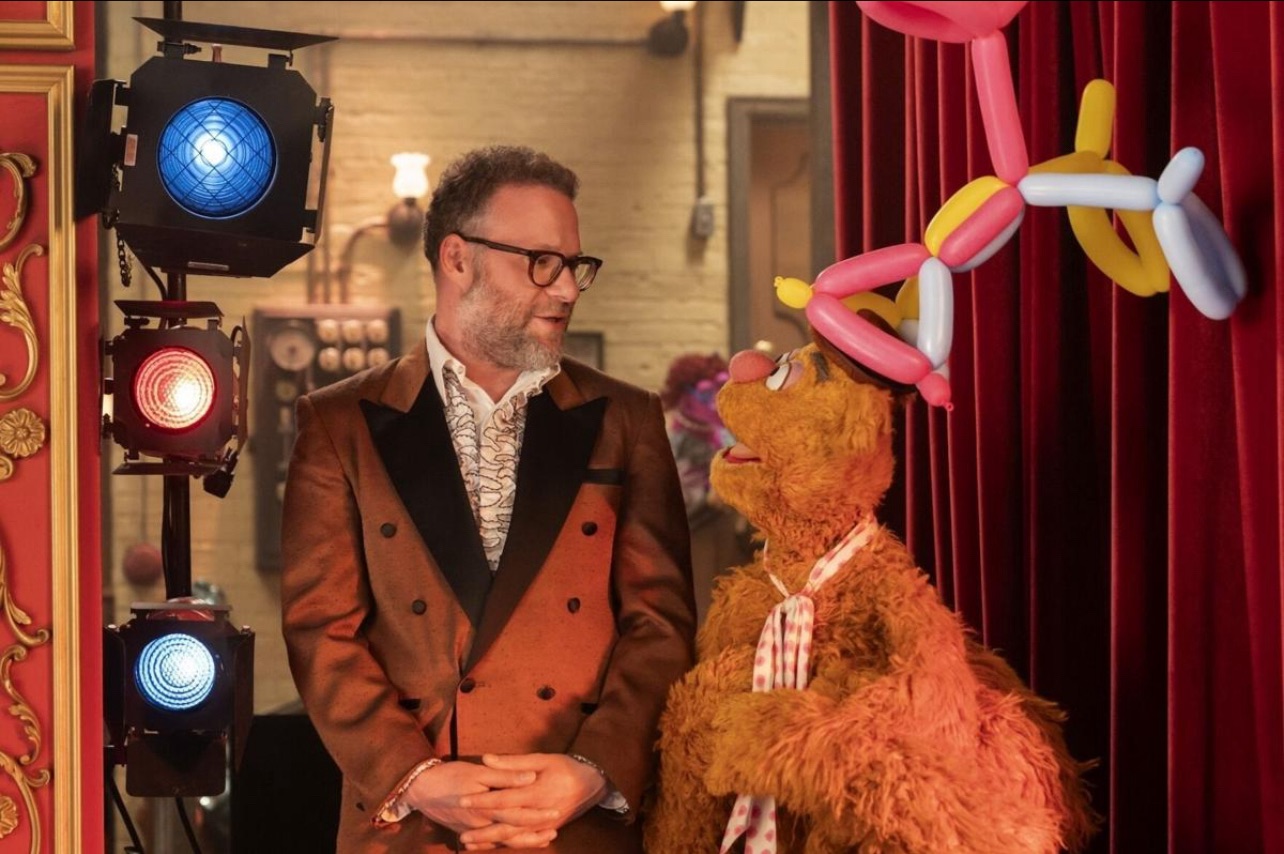
Staying in character is obviously something the 30 Rock alum is adept at after all these years, but Rudolph wasn’t alone in blending in and becoming one with the original show’s ambience. Where several secondary celebrities that appeared on Muppets Tonight created backstage subplots that took away from the main “storyline”, Seth Rogen personified the embodiment of a full -bodied muppet. As with celebrities of the past, these two are reminders of what it means to immerse oneself in the world of the Muppets.
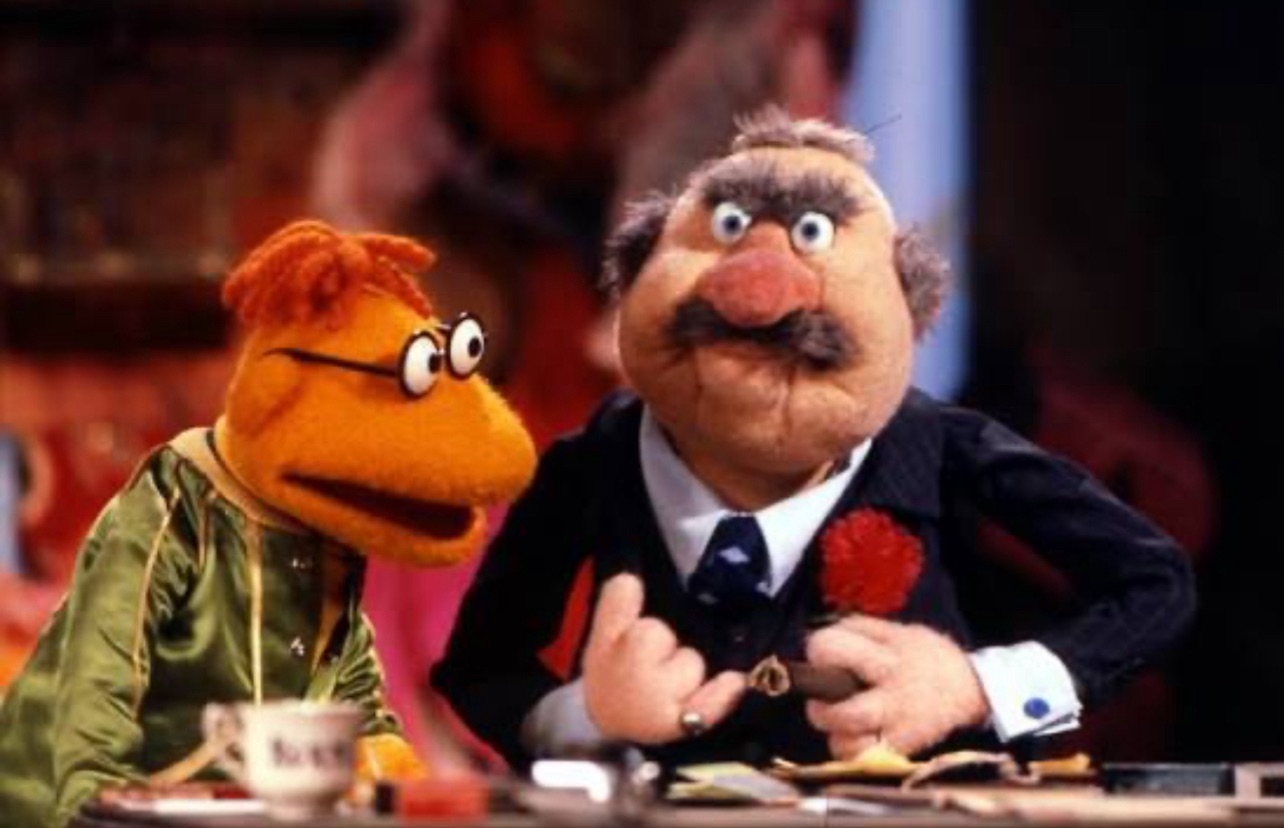
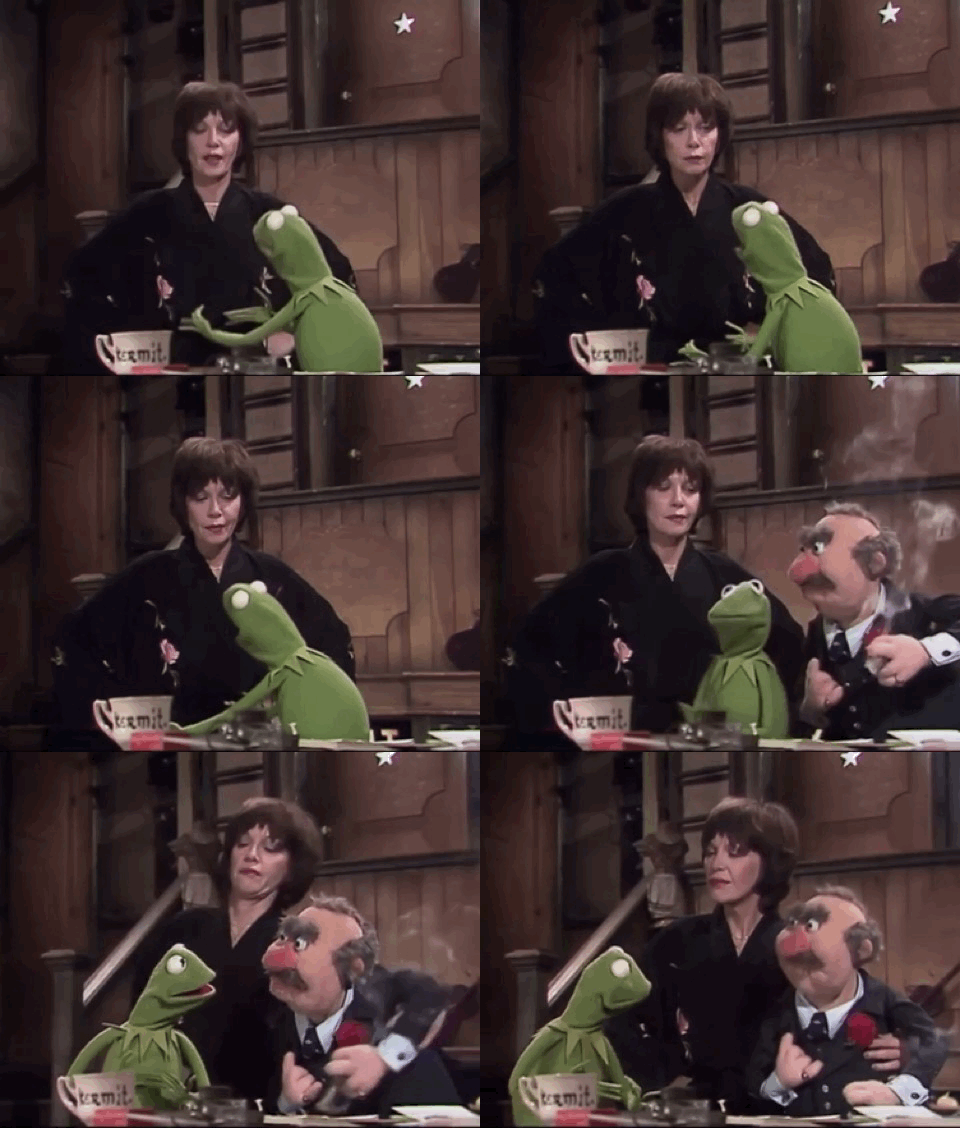
Despite Kermit on hand to greet the guests at the door, only for the gesture to get him trampled by the eager crowd, portions of Muppets Tonight never feel like they were meant to be seen but never intended for the live in-studio audience. Far too many of the routines and sketches – some even featuring guest stars – that would have been visible to the theater audience on The Muppet Show happen outside the house’s view. This along with an over reliance on flashy, quick snippets of segments ranging from direct parodies, teaser trailers and found footage formats made KMUP appear as a mere rebrand of MuppeTelevision. Content, just not held together with the proper cohesive.
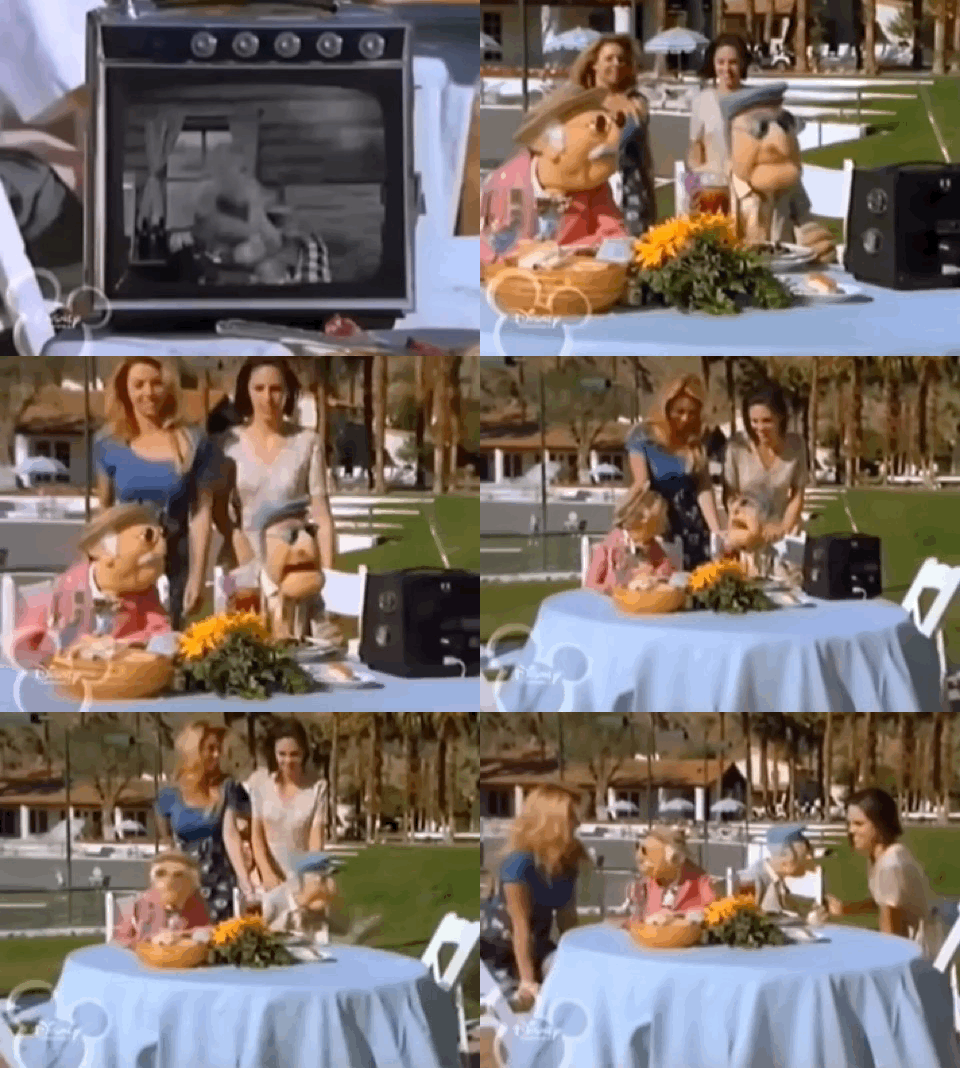
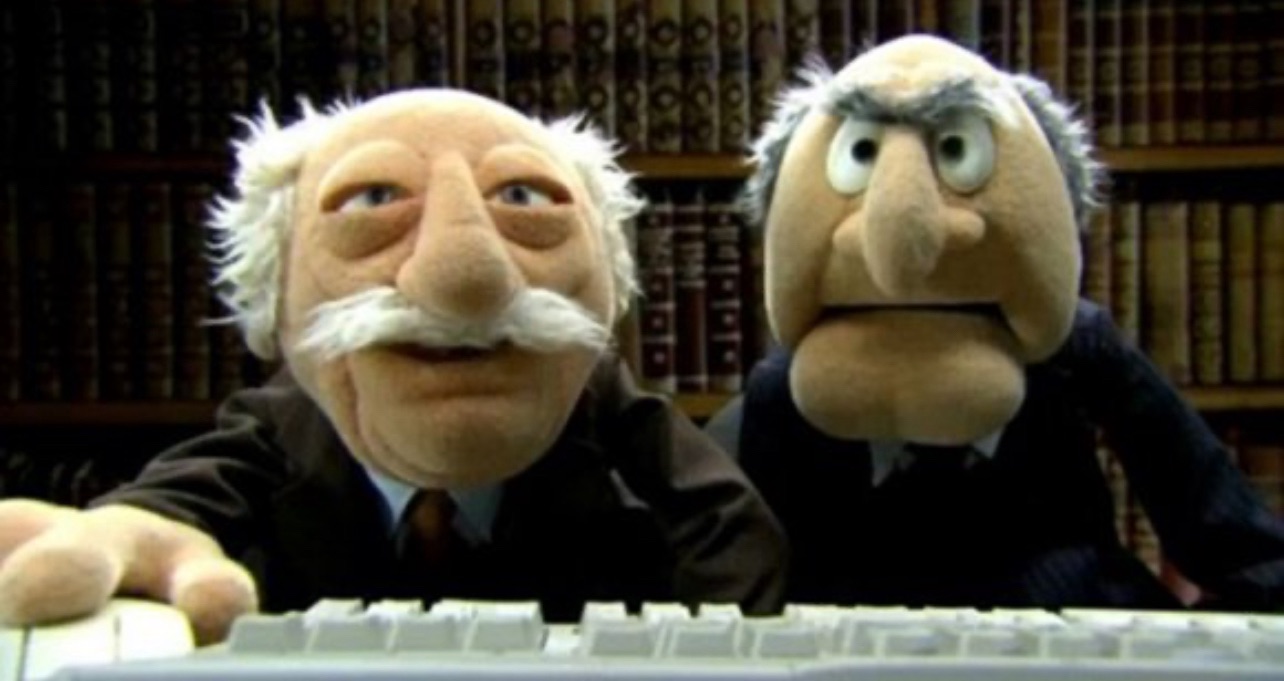
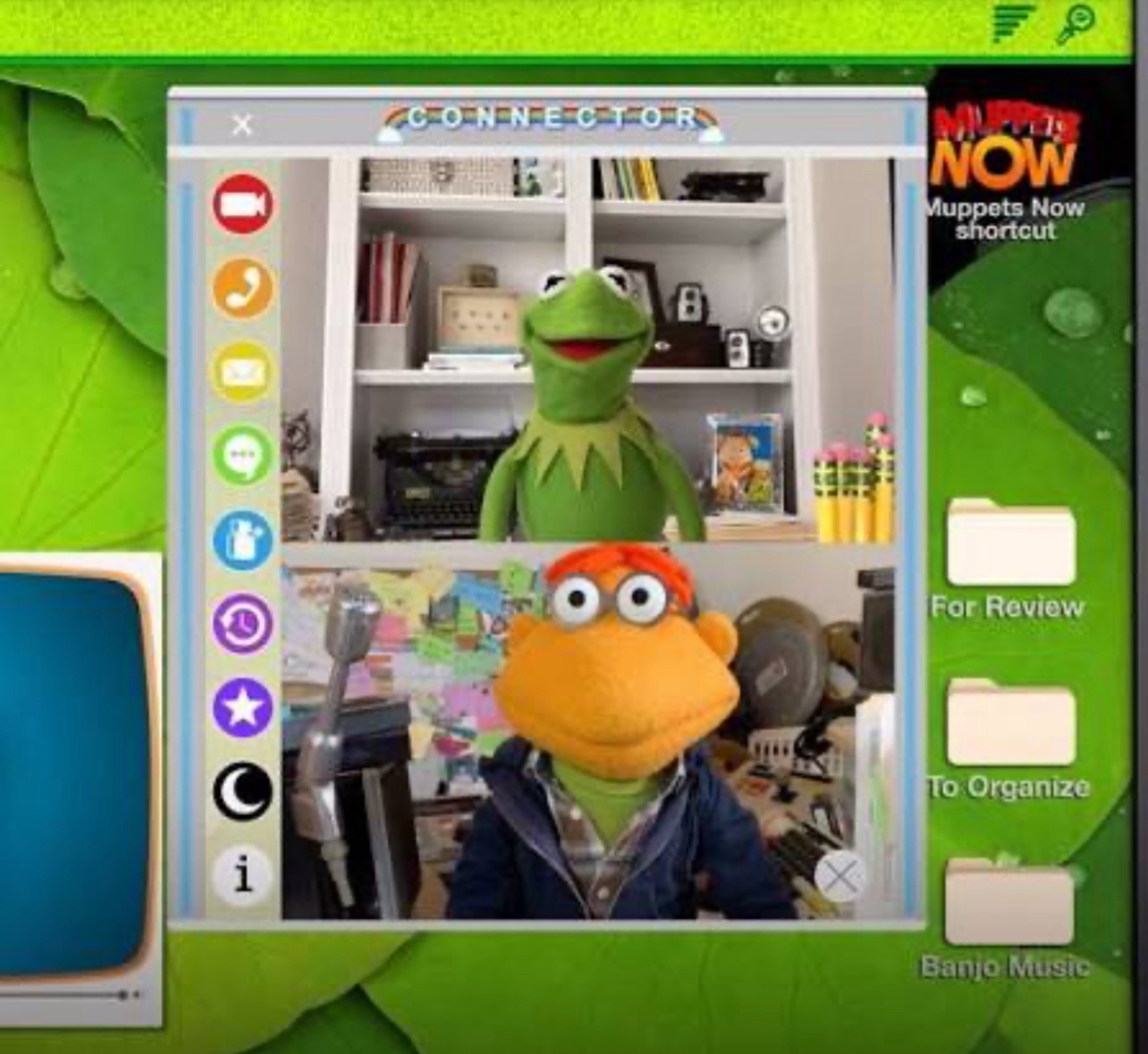
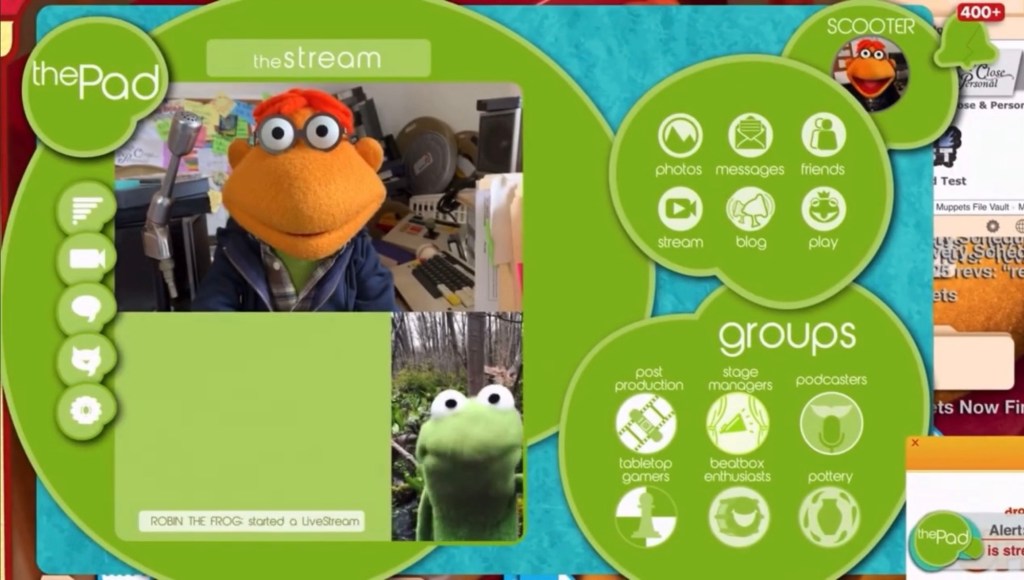
While ratings ultimately resulted in Muppets Tonight removal, anything from a takedown notice to a firewall could be blamed for Disney’s Muppets Now ending after only six episodes. Debuting on Disney+ in July of 2020, this series followed Scooter’s struggle to ensure new Muppet content was uploaded to the group’s website. This shift from the backstage to the desktop – like Muppet Tonight’s move to the broadcast booth – – again sought to keep The Muppets’ material fresh by incorporating how the rest of the world was now sharing content.
But have you ever watched a clip of a content uploading their videos? As tense and frustrating as this moment is for any creator, it isn’t known to provide consistent entertainment or levity. The solitary task also didn’t leave a lot of room for other Muppet;s besides Scooter. The workaround involved the use of messaging apps, conference and FaceTime calls to simulate interactions between Muppets.
Over the five seasons The Muppet Show aired somehow The Muppets ensured everyone got equal screentime. Like a rainbow, the cast – and even the sketches – on the original broadcast spanned a vast segment of the visual spectrum. With a wavelength that ranges across just about every possible form of entertainment conceivable.

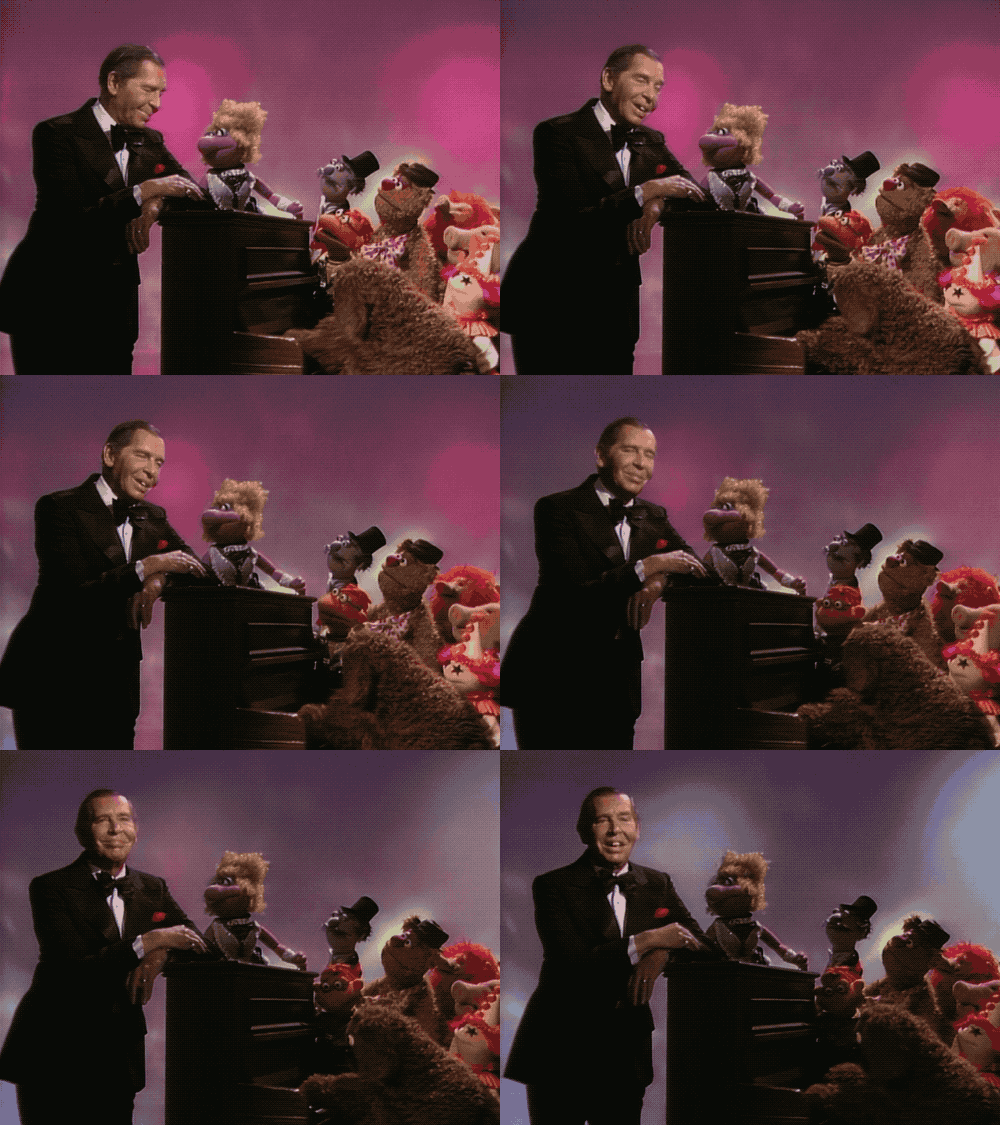
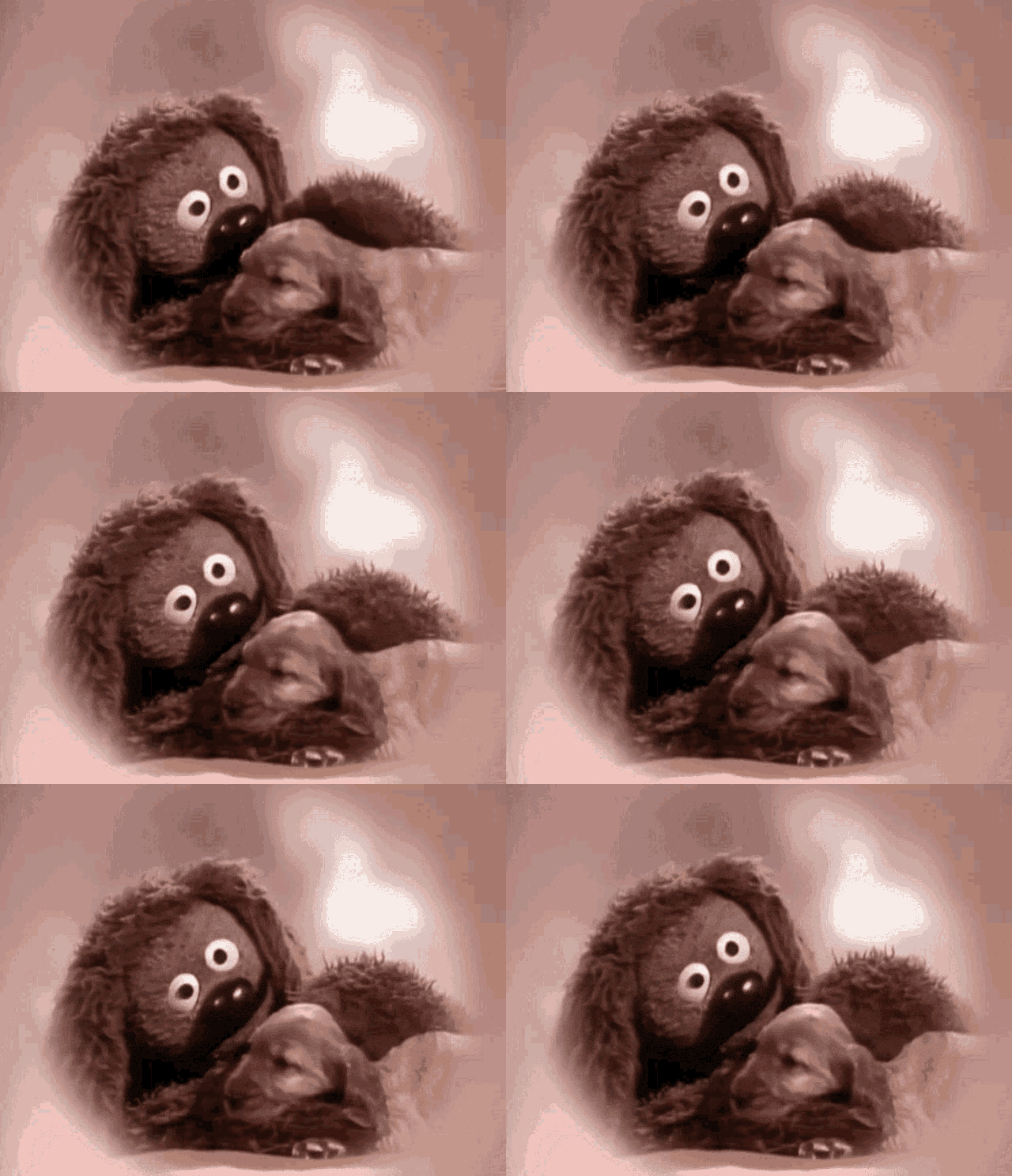
The Muppets were unbothered with whether the ballads and tunes emerged from serious theatrical productions like Camelot or from country or contemporary music. The Muppet Show exposed generations of audiences to material originating from all corners and walks of life. Revealing, as Rowlf did from the ebony and ivory keys to a real life pup, A Wonderful World.
The world wide web’s black and white view contributes to the algorithm’s ability to limit our perceptions. However, viewership has been an evaluator of popularity since the earliest days of television – or the stage. Considering the performance of Muppets Tonight and The Jim Henson Hour, the data does suggest the use of unfamiliar Muppets as an explanation as to why neither could recreate the success of The Muppet Show. It clearly played a part in the development of Muppets Now.
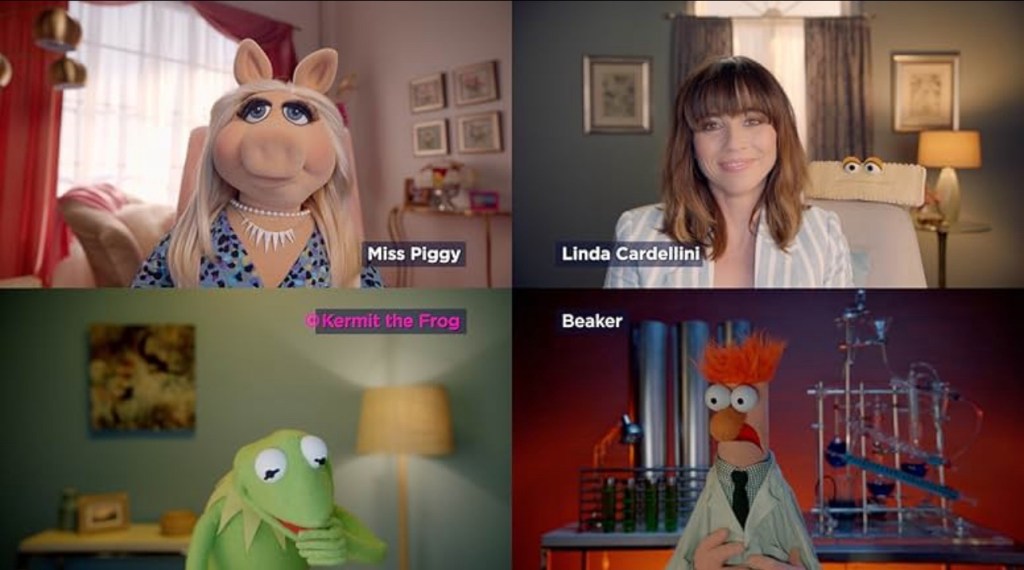
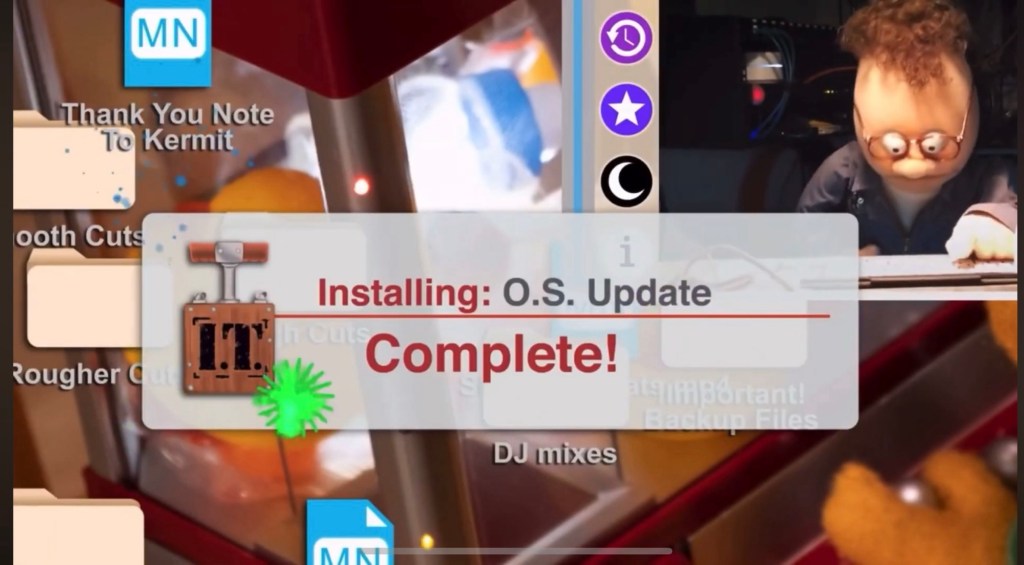
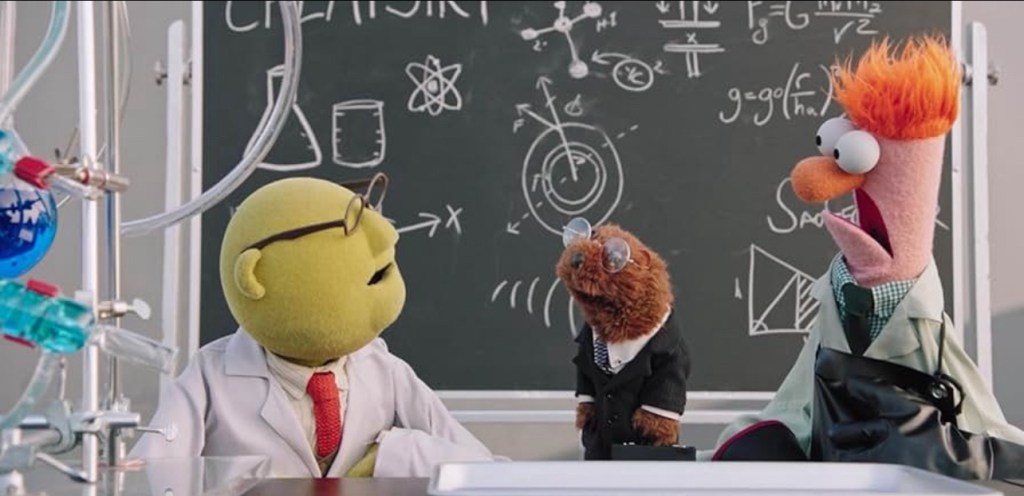
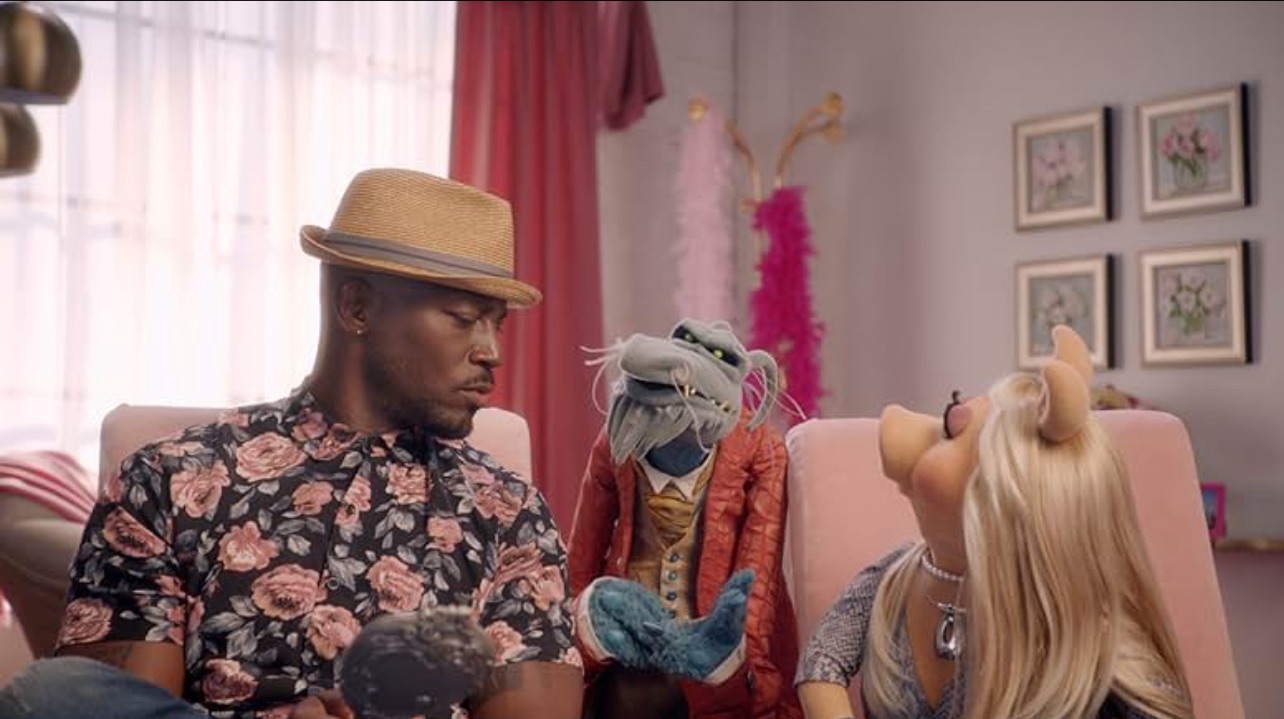
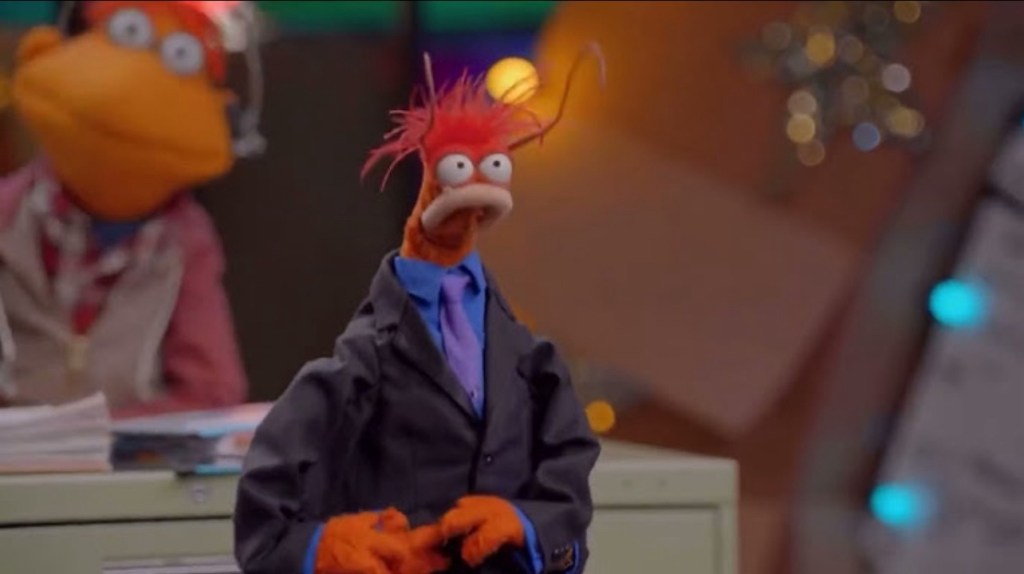
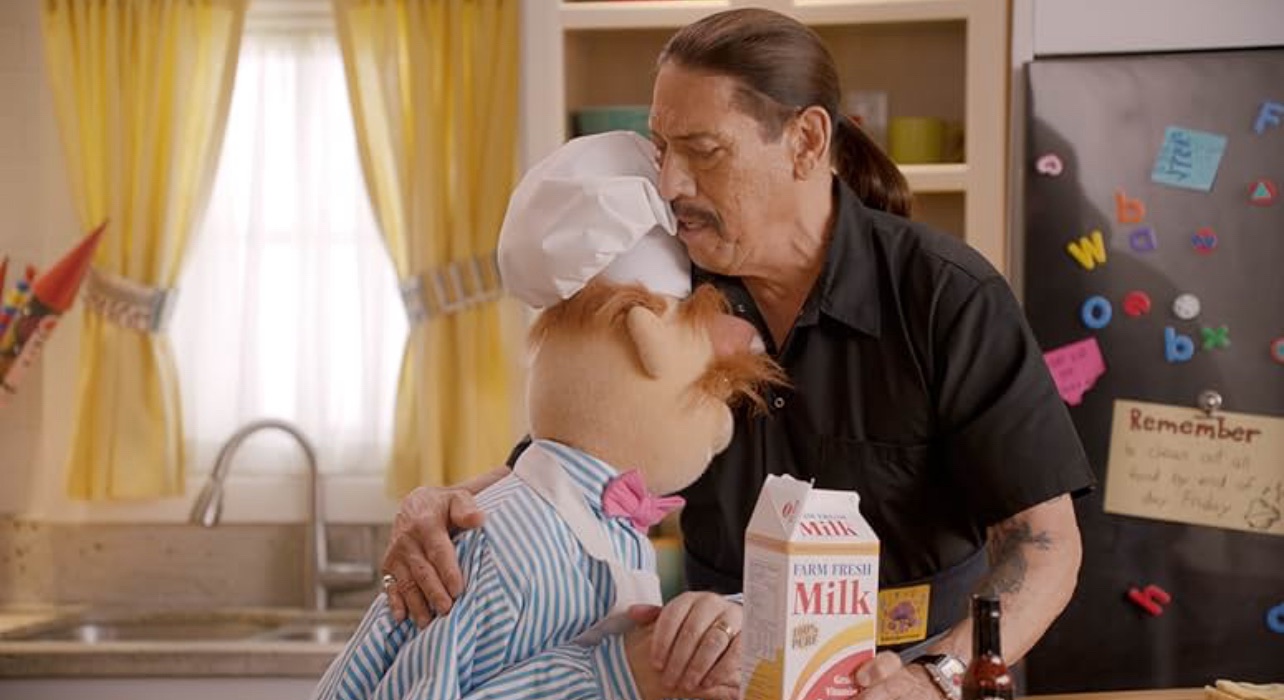
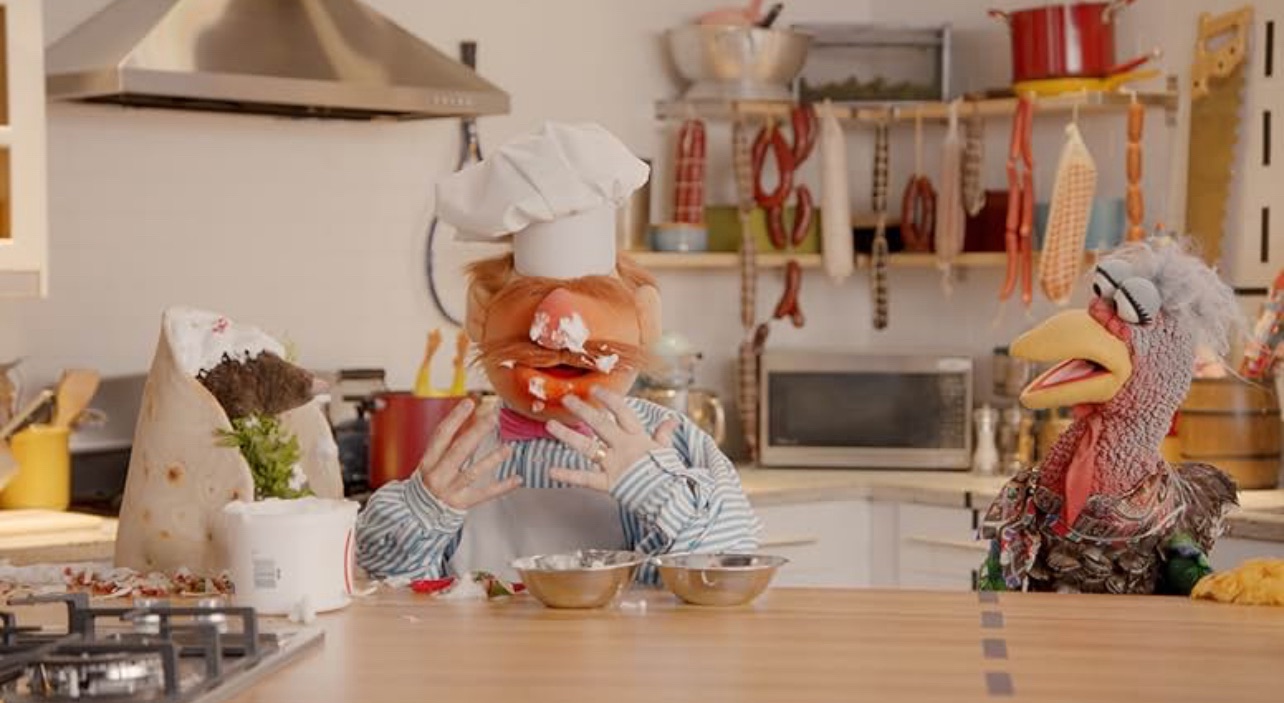
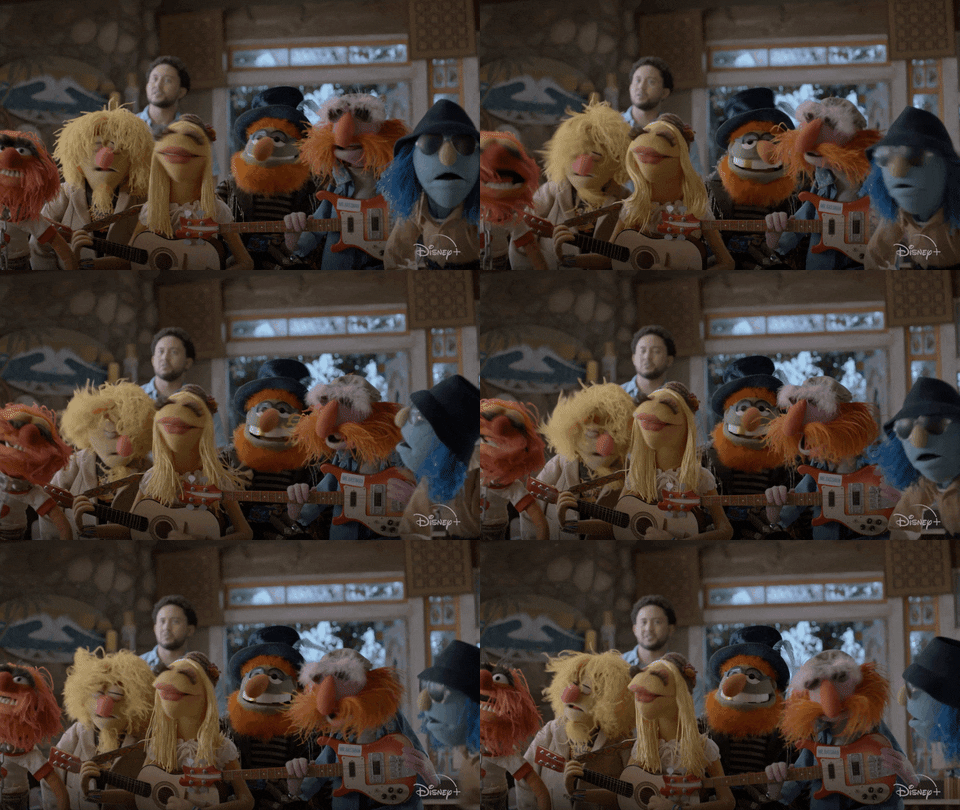
Even with creative appearances of niche and new characters – Robin as an intern with better ideas or IT Chip’s show hijacking software update – with the exception of The Electric Mayhem band members who received their own show on Disney+ in 2023, Muppets Now channel contributors mainly consisted of the graduates from The Muppet Take Manhattan. And Swedish Chef, who also provides the most Muppet Show era consistent content. A pinch of fromage homage to the popular kitchen centered competitions of today, and a dash of Chef’s habit of substituting ingredients and disregarding cooking directions, the skits hosted by Beverly Plume – herself repurposed puppet first seen A Muppet Family Christmas – never fail to serve up a laugh worthy of asking for a second helping. The same can’t be said about what emerges from Muppet Labs, which sadly no longer lives up to standards set by Mister Wizard’s World. On the Muppet Show audiences always anticipated that Beaker would either get burned, blown up or that something equally painful would happen to Bunson’s trusted assistant. What provided the spark of ingenuity was the experimentally clever, inevitable way the science sketch pulled it off, as an oblivious Dr. Bunson explaining things. Miscalculating the original formula, by following the lab test at home trend the channel destroys the duo’s comedic chemistry
Clearly there is a pattern emerging that points out how character and content are the key contributors to the rift between The Muppets and their fans for some time now. No where is this more evident than the latest attempt at a Muppet show. Symbolic symmetry, the very network to broadcast the show in 2015 would be the same one where it all – sorta – began: ABC. Muppets Now was by no means the first series or feature to present The Muppets as the solo acts they started out as in The Muppet Movie.
Both Little Muppet Monsters and even Muppets Tonight embraced the idea of The Muppets outside the confines of a theater or studio. However, 2016’s The Muppets goes a step further by fully exposing audiences to everything from Fozzie’s dating life bombing as badly as his routines to Kermit going a-courting…again. Staying true to The Muppet tradition of entertaining audiences, on The Muppets the gang – with the exception of Rowlf – all work in some capacity on the fictional show Up Late with Miss Piggy. Makes sense since The Muppets plot piggybacks and perpetuates Miss Piggy’s The Muppets Take Manhattan fantasy.
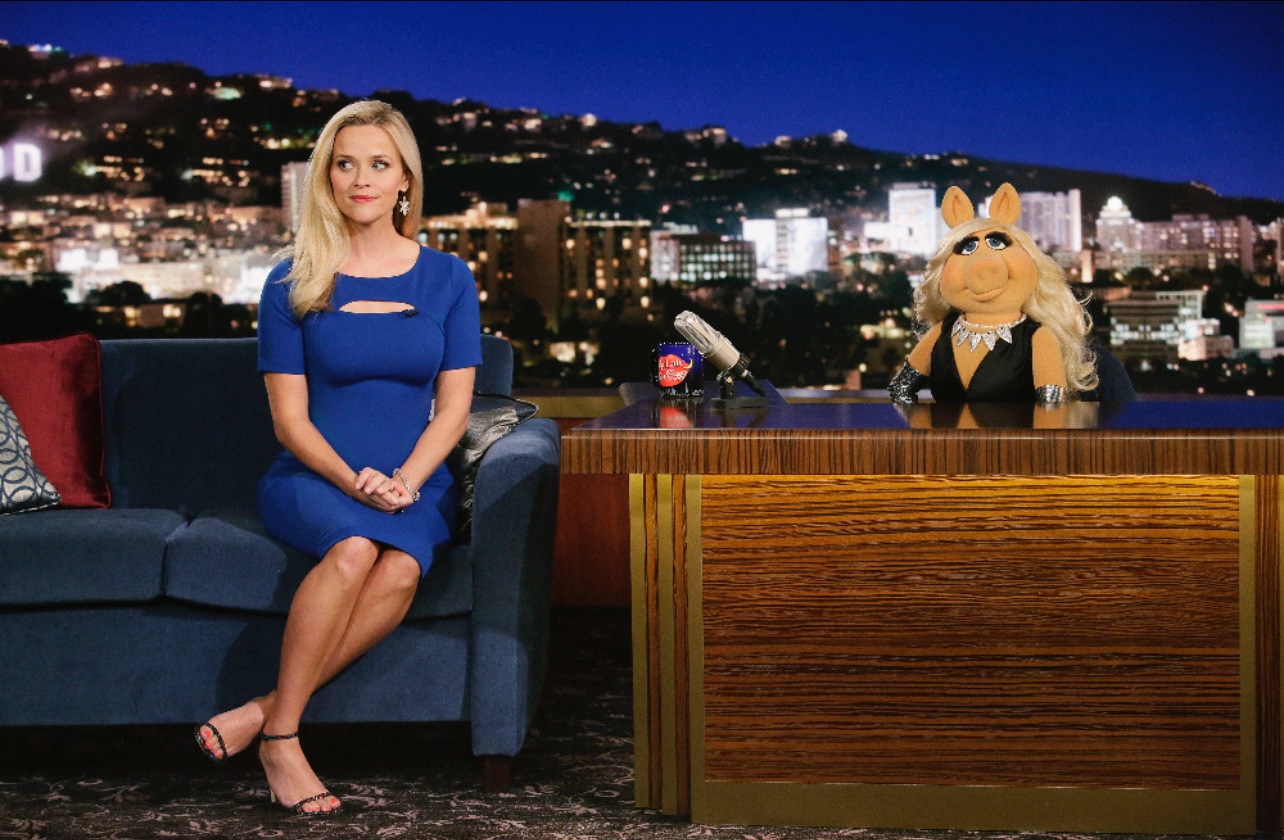
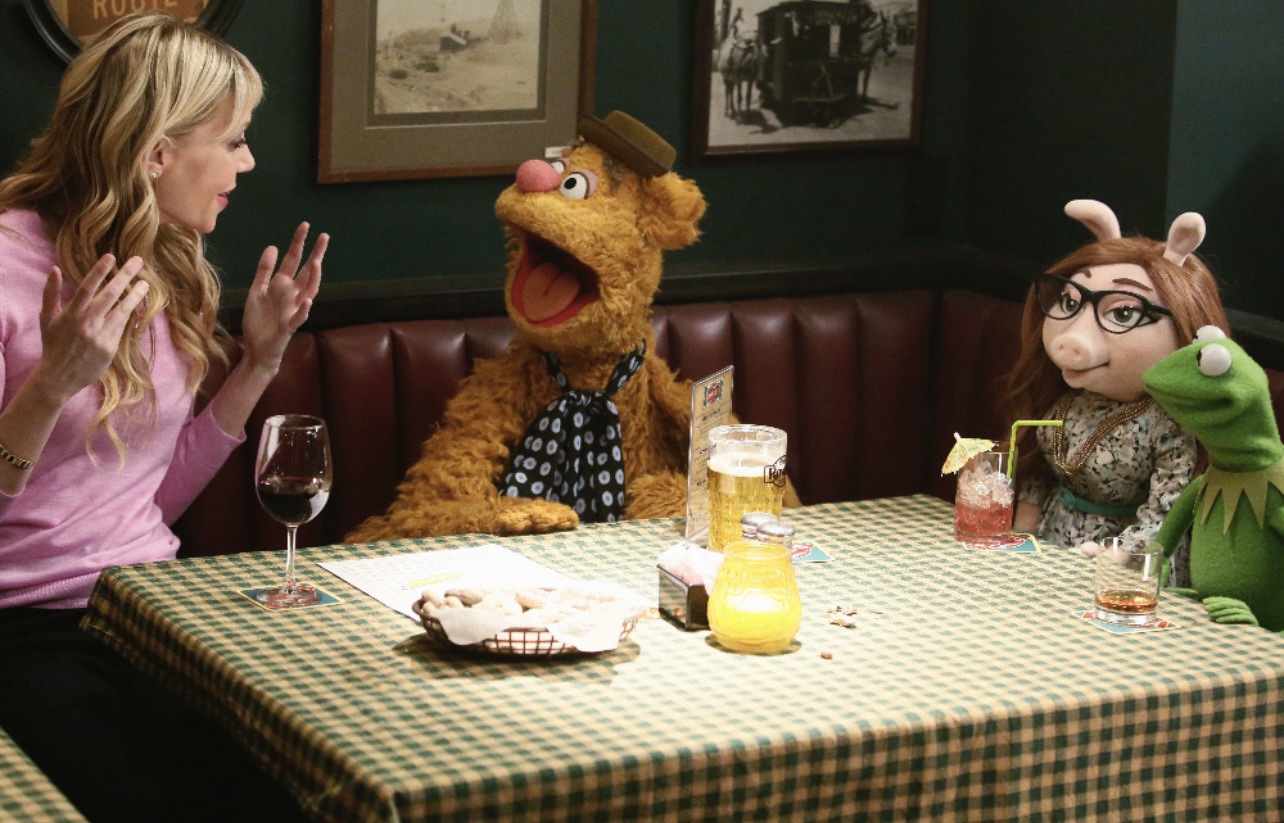
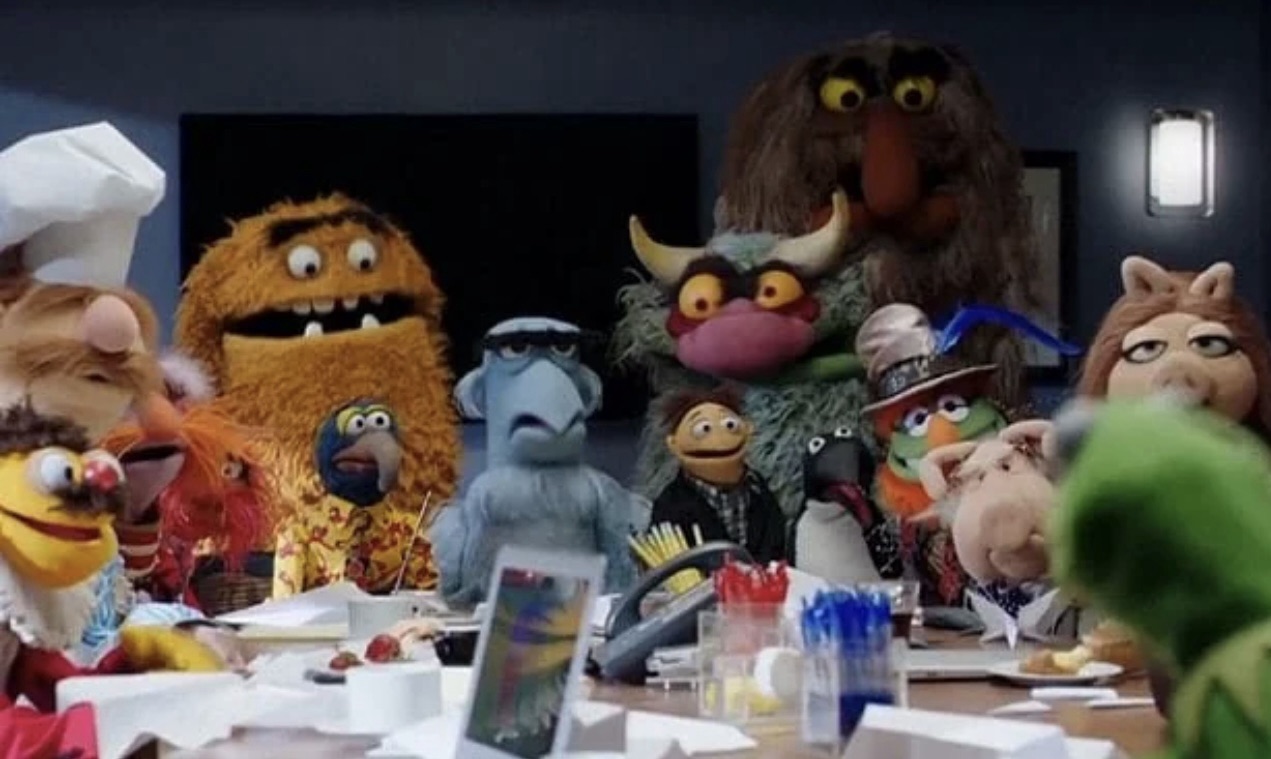
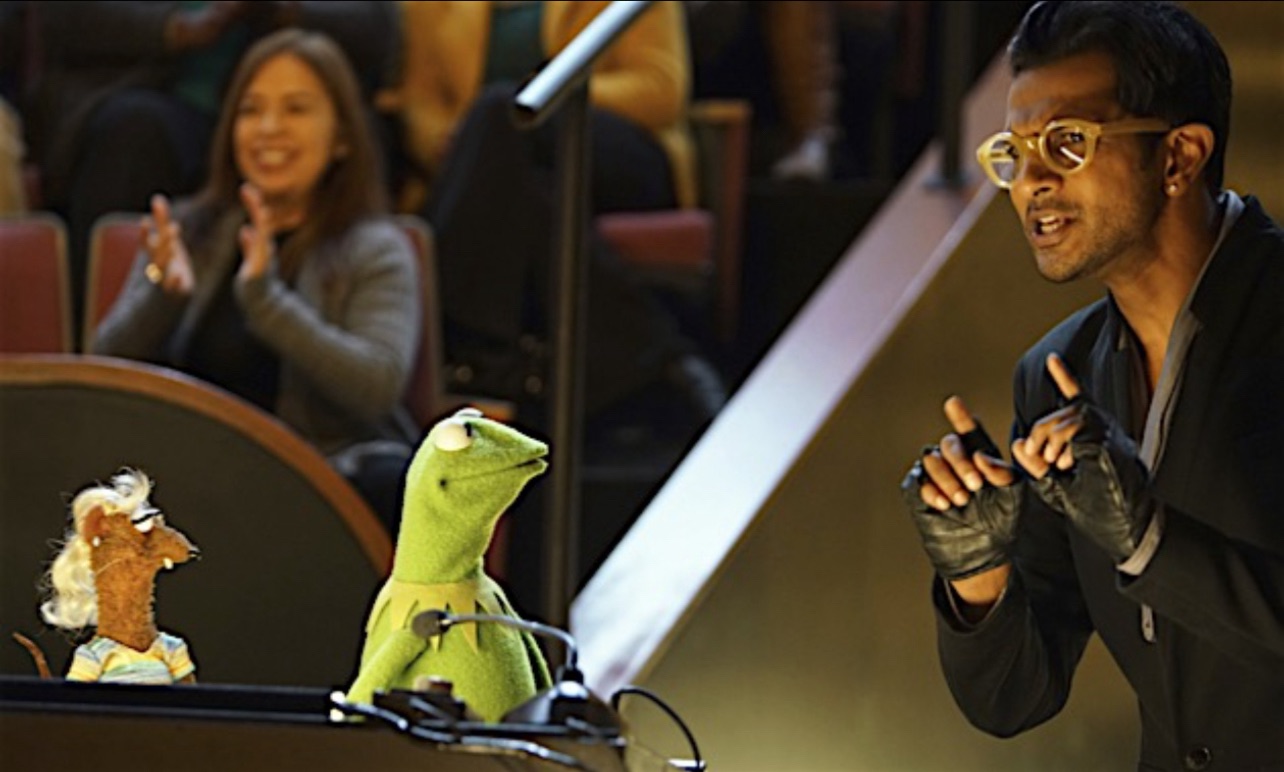

Unfortunately, don’t expect the same youthful ambivalence to the viewing audience that the Muppet Babies displayed. Instead, Kermit and company are quite aware that someone is watching. Mainly because they are active participants in a mockumentary show that includes a camera crew following them and conducting interviews about their daily activities. This leads to a perplexing, fourth wall encroaching situation with how we view the celebrities who appeared on the show. Rather recreating the quasi-duality that existed on a show like Muppets Tonight, the production was predicated on the prospect that audiences accept The Muppets existed entirely and thus engaged in the real world.
This led to a new level of surrealism with audiences critical of this aspect, feeling it explored a side of these beloved characters fans weren’t expecting.
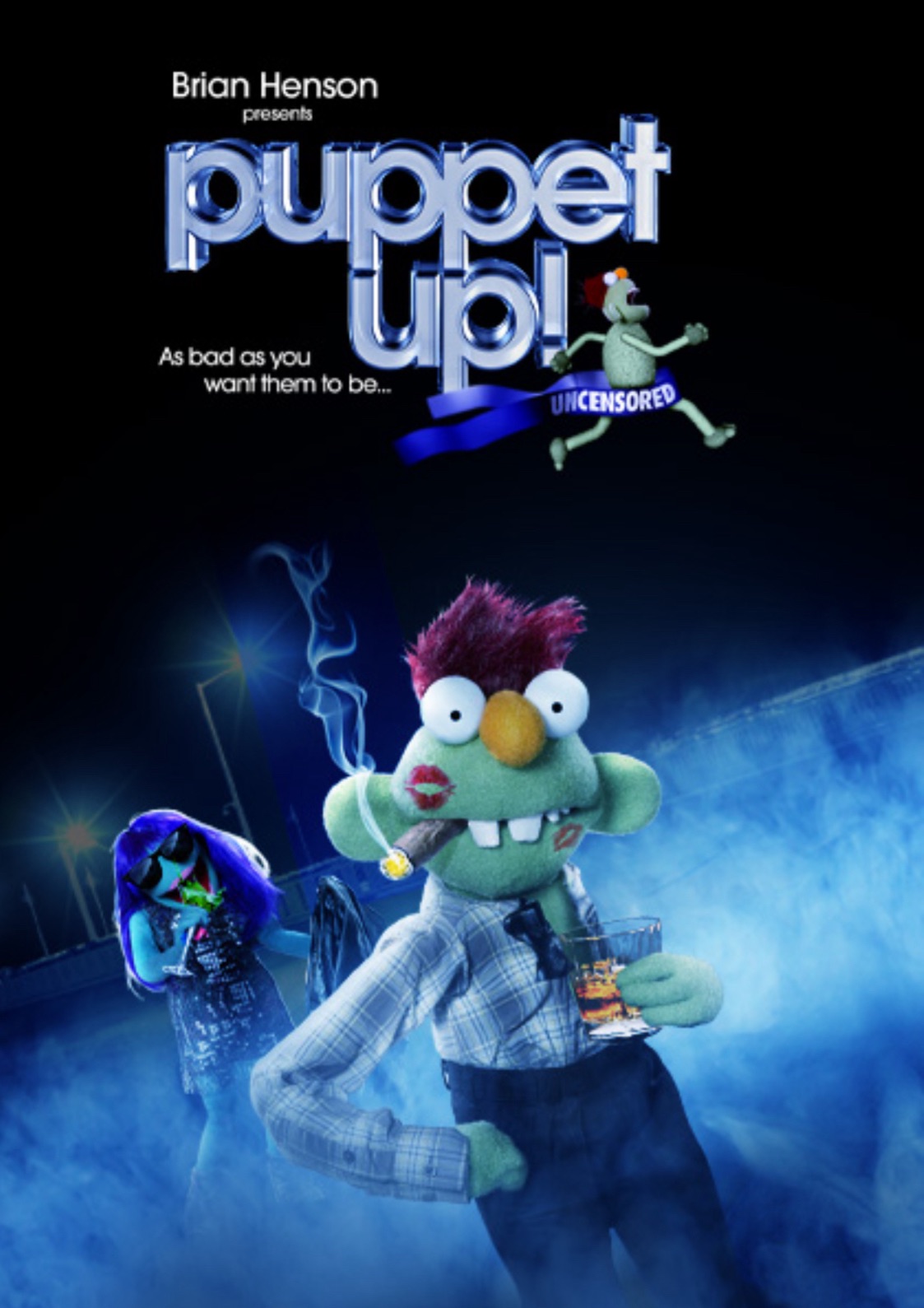
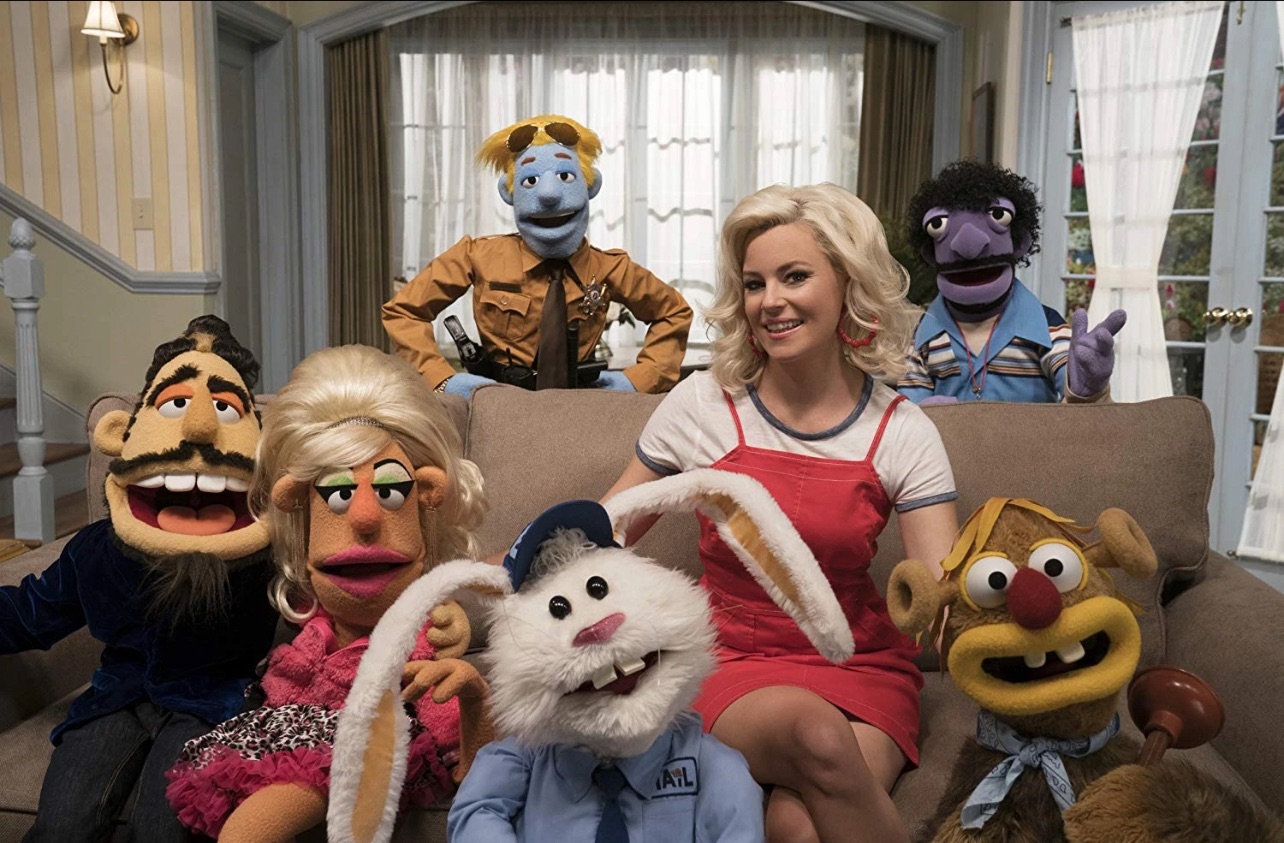
What happens when the Muppet Babies are all Puppet Up?
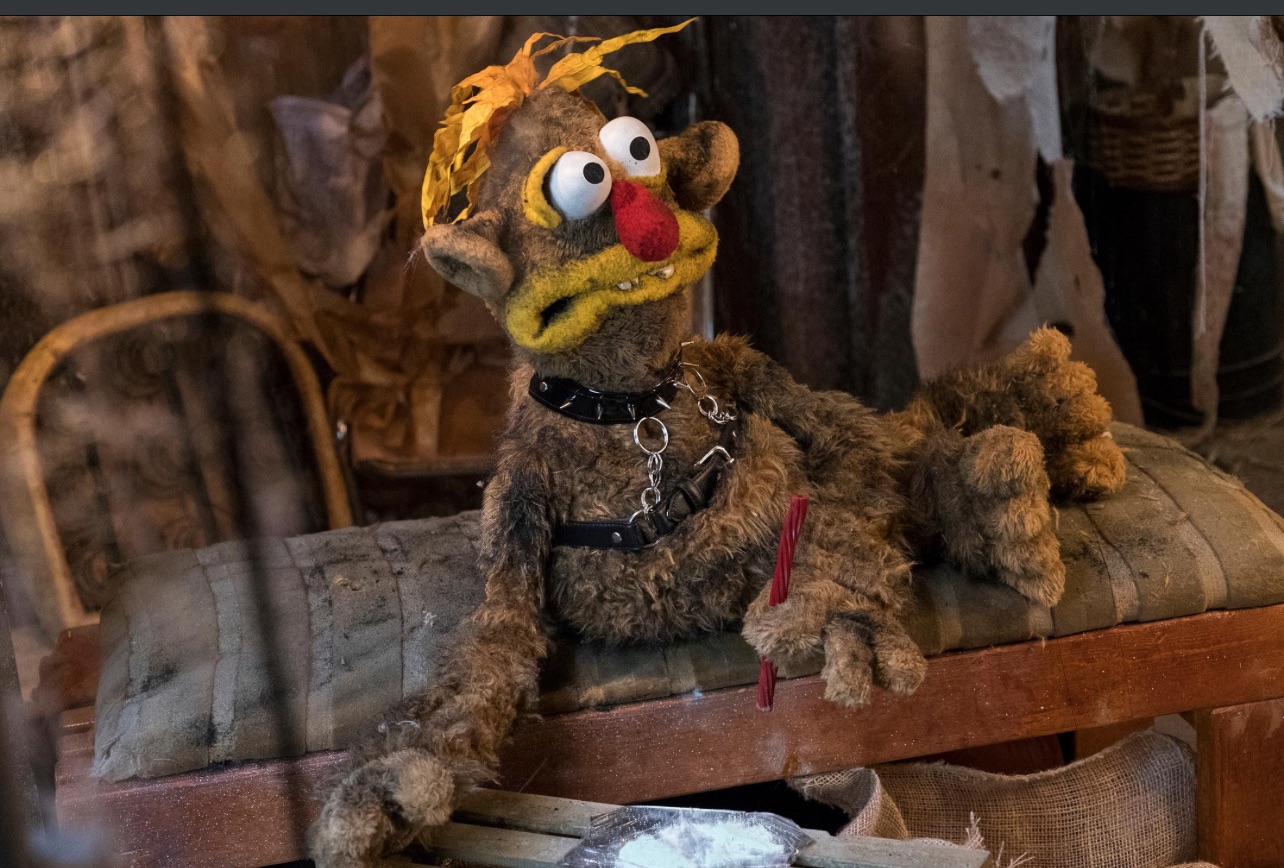
Can You Picture That?

This leads to the true nature of what is constricting almost every attempt to manufacture a modern day Muppet show and something worth considering before it derails another. Critics’ top complaint with The Muppets stemmed from an insistence on preserving The Muppets in the form so many fondly remember. How any portrayal of Henson’s characters as grown ups was objectively different and an offense to the characters seen in 1970’s. Well, maybe the respective changes are a reflection of the viewing audience has changed as well.
Of course the former statement lacks some substance considering that for five decades The Jim Henson Company has used the art of puppetry – specifically The Muppets – to translate our collective experiences and emotions into, as Henson was quoted as saying, “entertainment for everyone.” As for the latter, well let’s talk about the “muppet” viewing audience(s) for a moment.
In keeping with what now appears to be some sort of cosmically connecting coil, the building block generations – A and B – mostly only know The Muppets from the latest nursery. You’ve already read how the Millennials saved Muppets Tonight, even though most of them weren’t born before the original Muppet Show ended. As for Gen X, some of us were lucky enough to catch the first run along with the Lucky Few and the Boomers. As for Y, well they along with the rest of Generation MTV definitely got what they asked for. You can slowly see the era’s cultural and pop influences in Muppet projects like The Jim Henson Hour MuppeTelevision segments and Muppets Tonight.
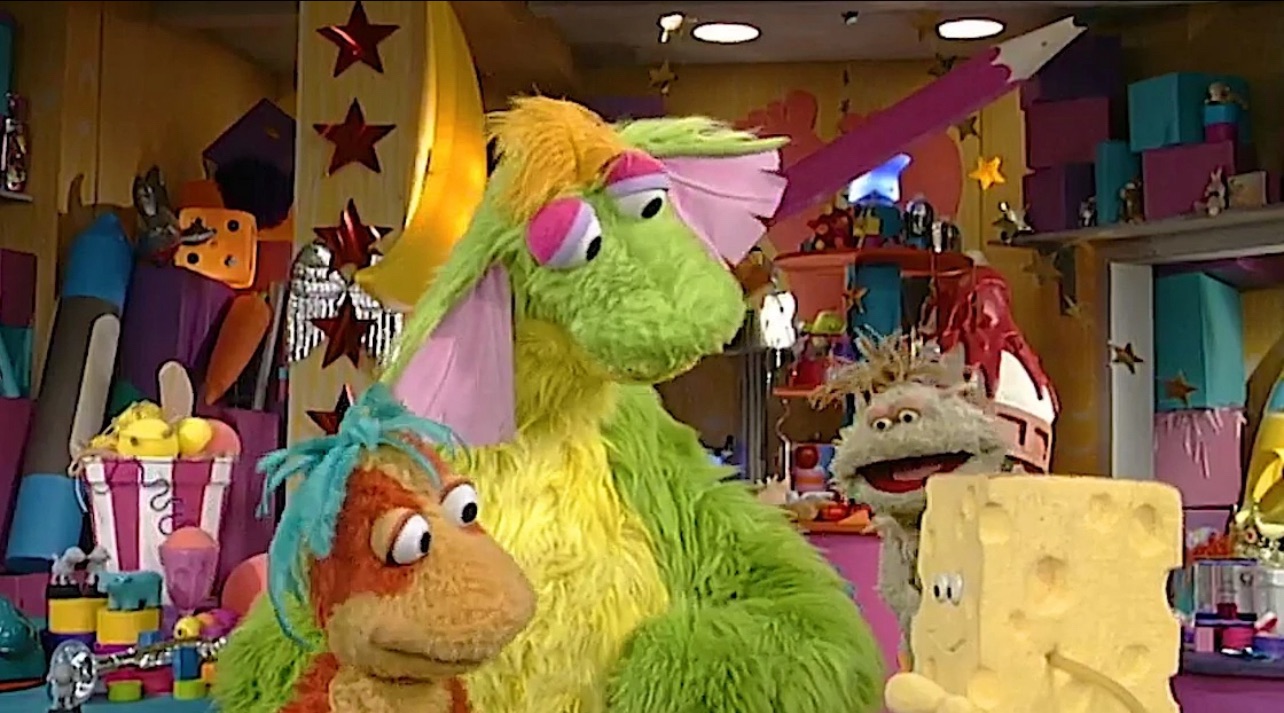
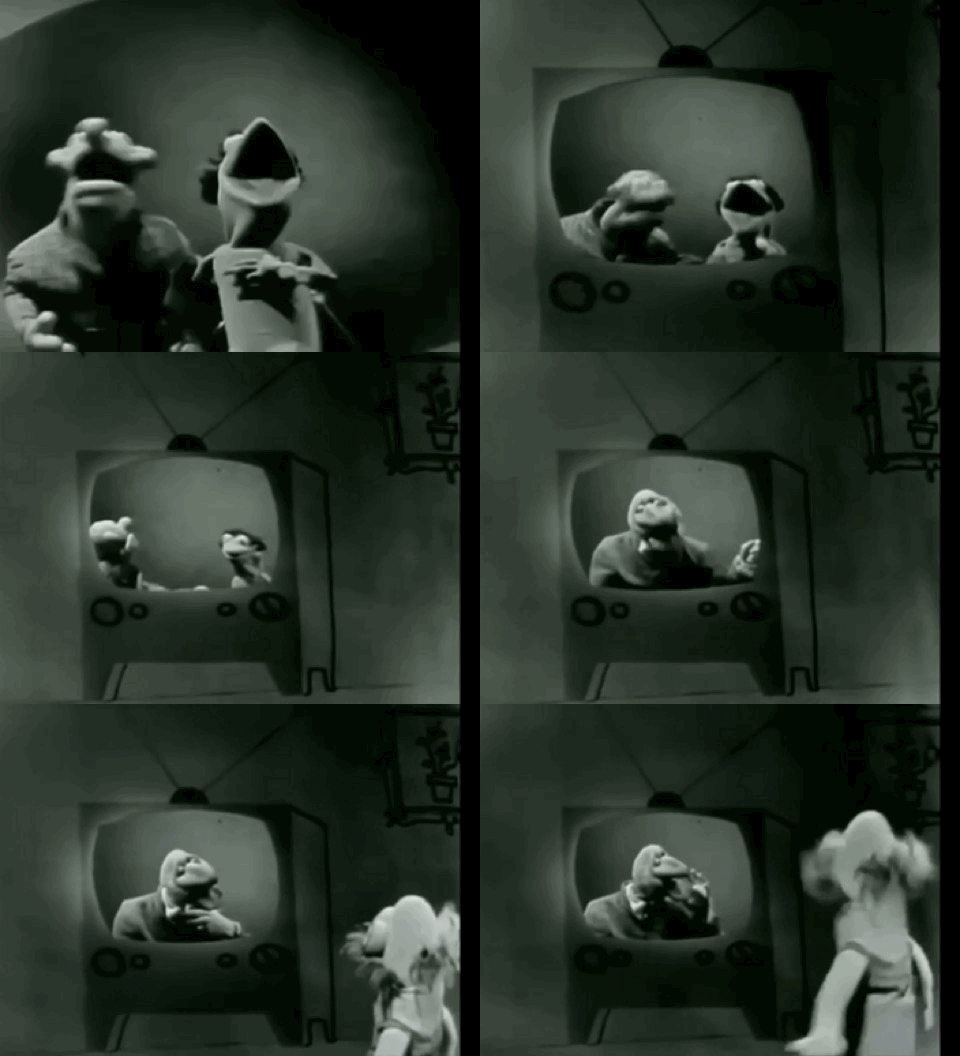
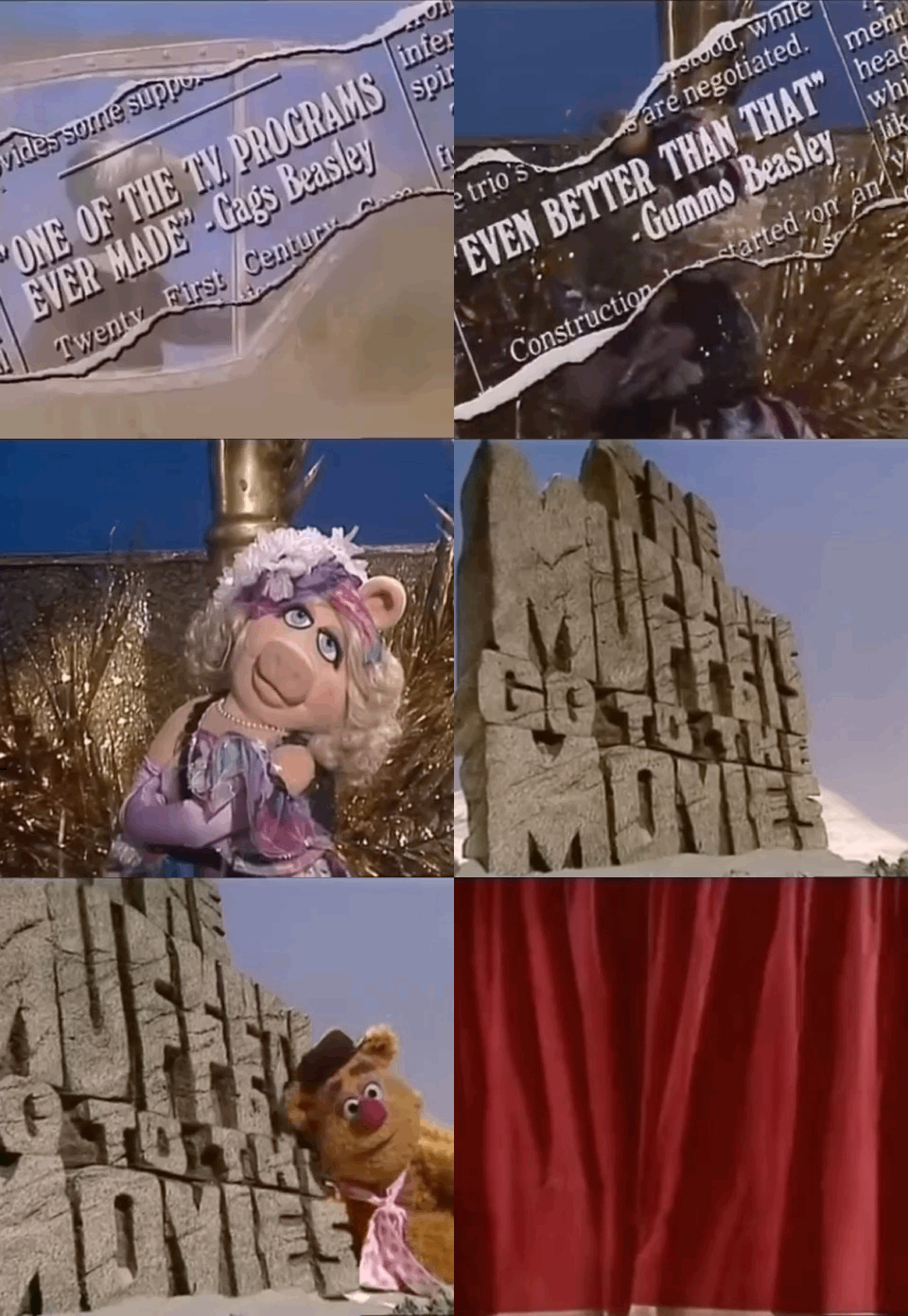
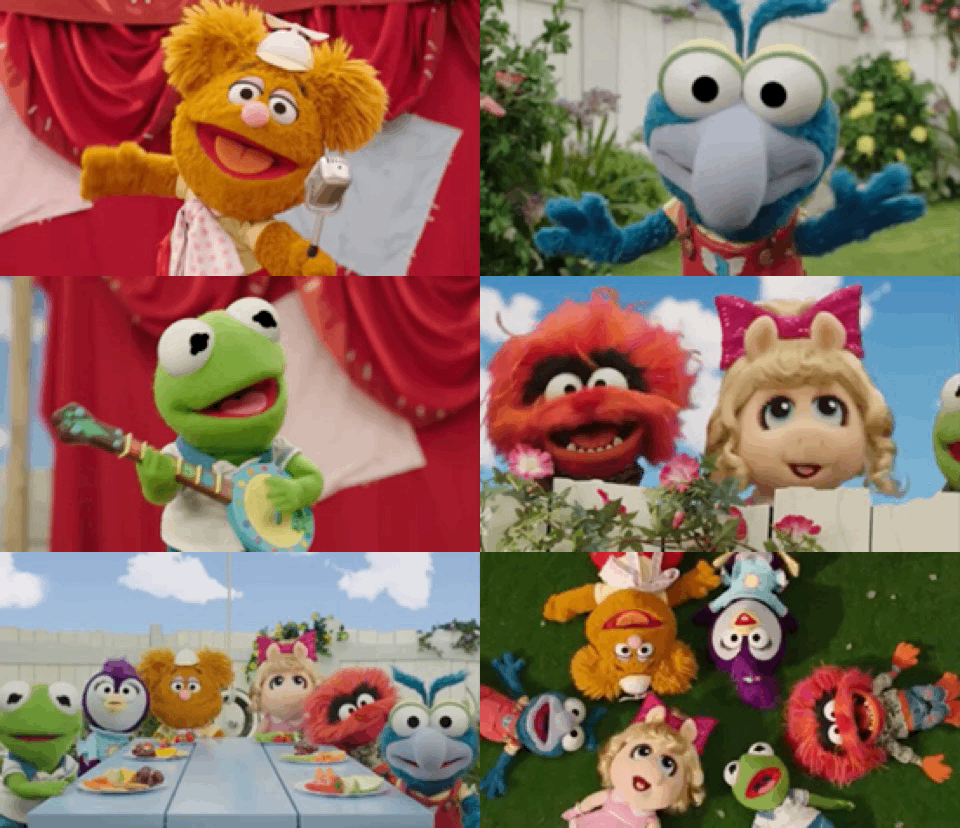
At the most basic level no one would argue that any puppet, including The Muppets, is an extension of the artist. A representation, one of many methods used to convey a message or tell a story. Where our story, our stories, somehow overlap involves those involving creation and what it means to be alive. Stories shared by the Greeks of Prometheus or in the Book of Genesis both claim that man was crafted from clay, but if you still believe the fairytale of Gepetto and Pinocchio, then wood works just as well. With history as the stage, these are but three of the unending catalog depicting mankind’s blanket struggles, our doubts and the losses we all experience. Henson chose fleece as the medium for his metaphorical conversations about how our universal confrontation creates solidarity and orchestrates a mastery of all things.
The tragedy of The Muppets, and the comedy of our errors present in each of the most recent Muppet shows intersect on how well they show us ourselves. Originating – according to scriptures, sonnets and poems – in a similar fashion as our felt counterparts, man lay inert and lifeless until a “creator” provided a spark.
Now imagine this in the context of a puppeteer, who like voice actors often portray several characters in a production. Consider the complexity involved, the creativity required to provide so many unique personalities. Expressions of thoughts and deeply suppressed feelings we are often afraid to vocalize. Obviously everyone knows Kermit and it’s hard to forget Gonzo and Scooter. And thanks to Muppet Mayhem by now everyone knows Dr Teeth isn’t just the name of the band. But do you know why the Beautiful Day Monster is so blue? How about the coincidence of Wally starring in Henson’s versions of future Hollywood films Valentine’s Day and Elf? Every Muppet dreams of journeying over the rainbow, they don’t all travel the same circumference. An unknown variable for anyone who appears on air from reporters to comedians and even wrestlers is the time necessary to mold a character and have it mesh with an audience.

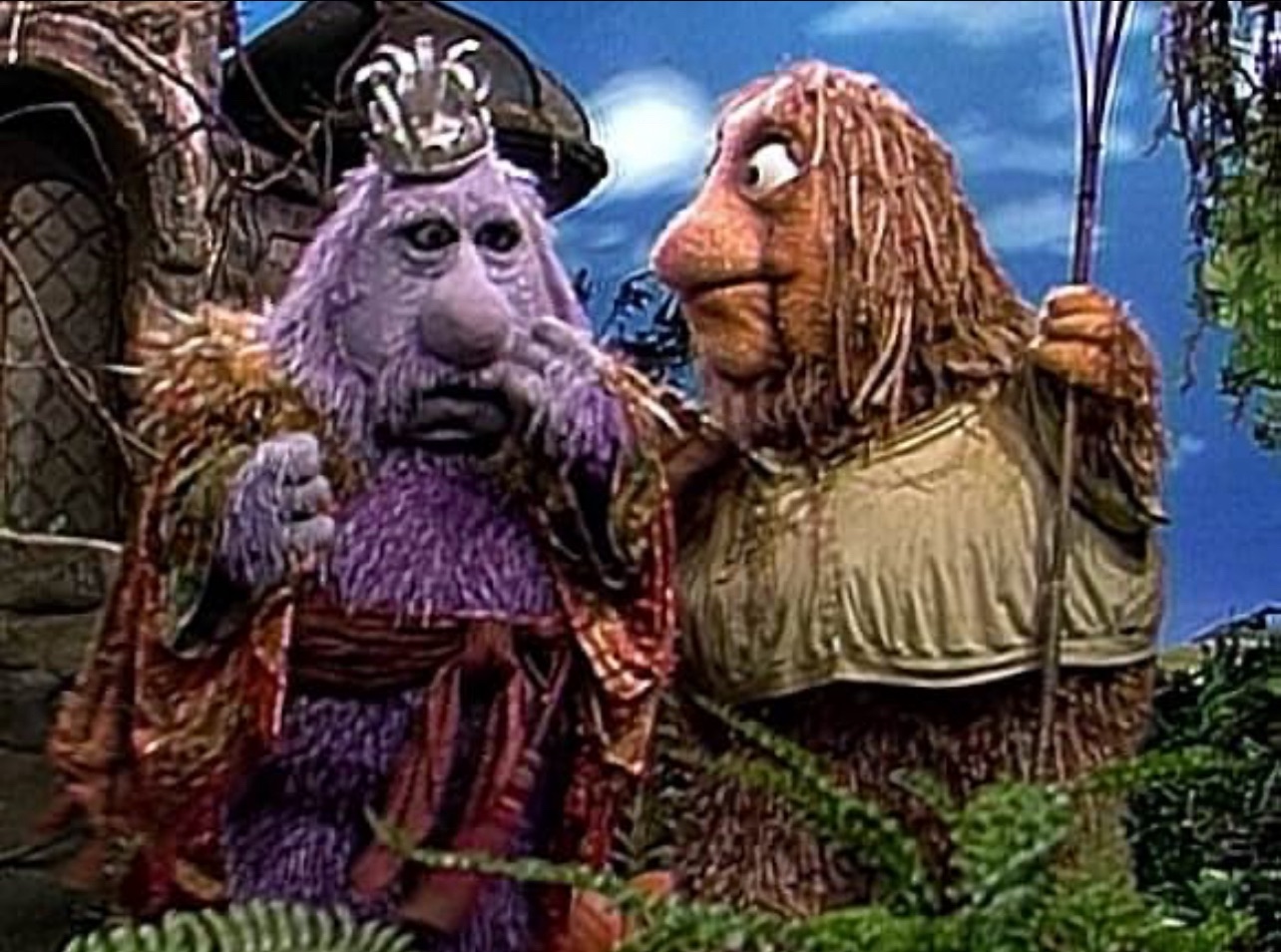
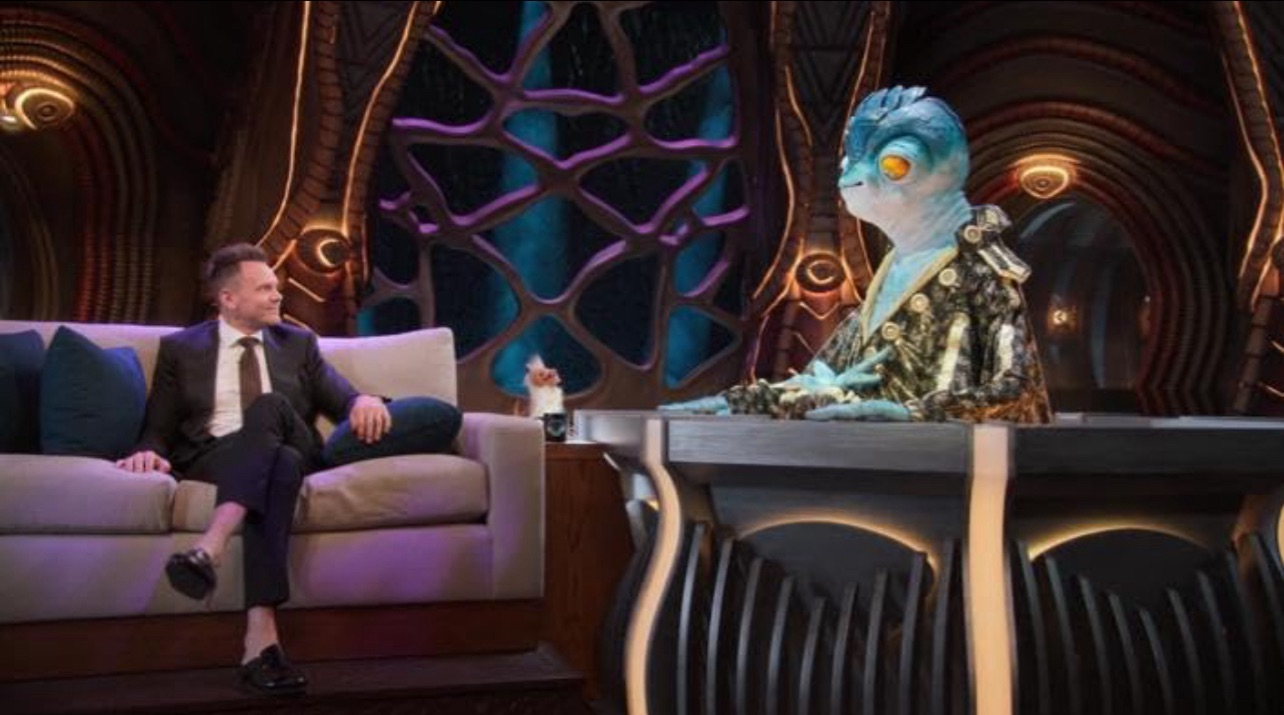
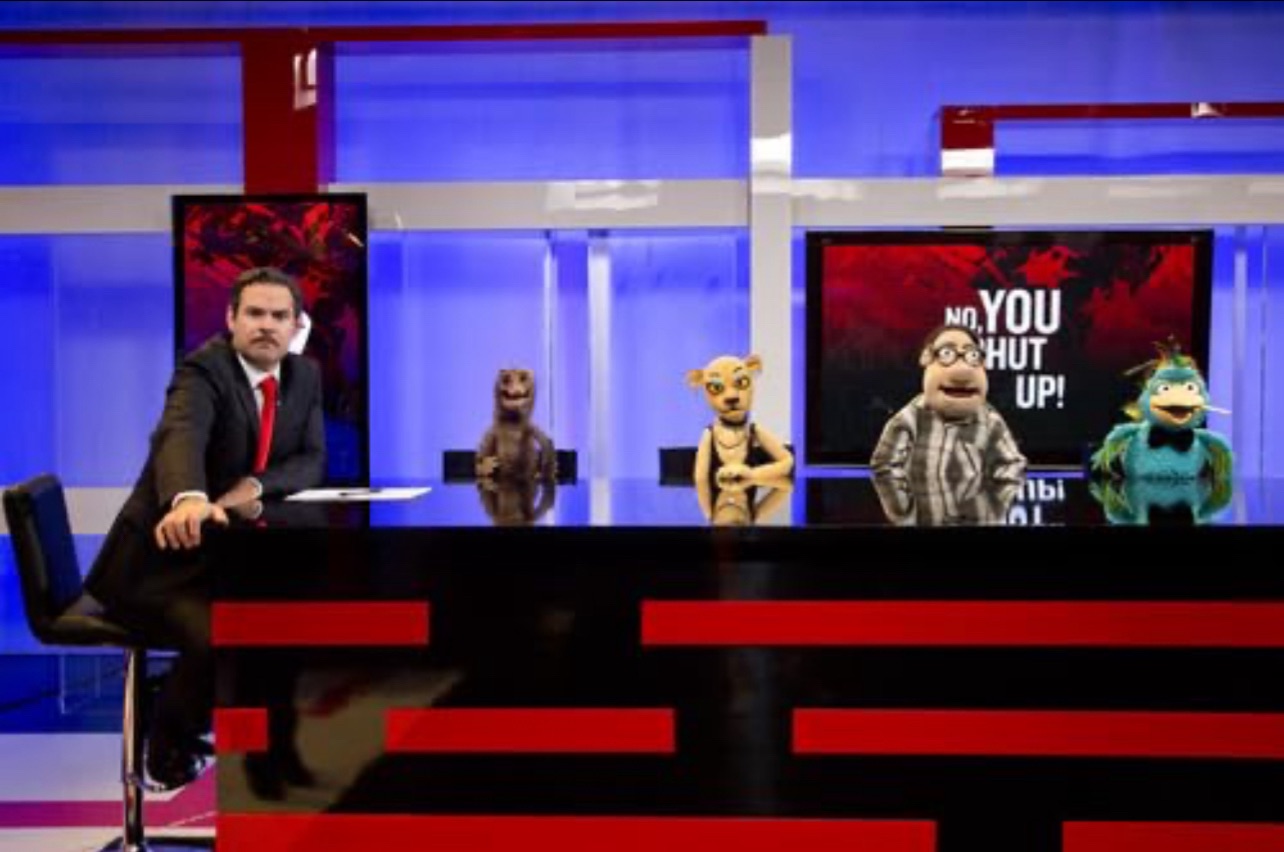
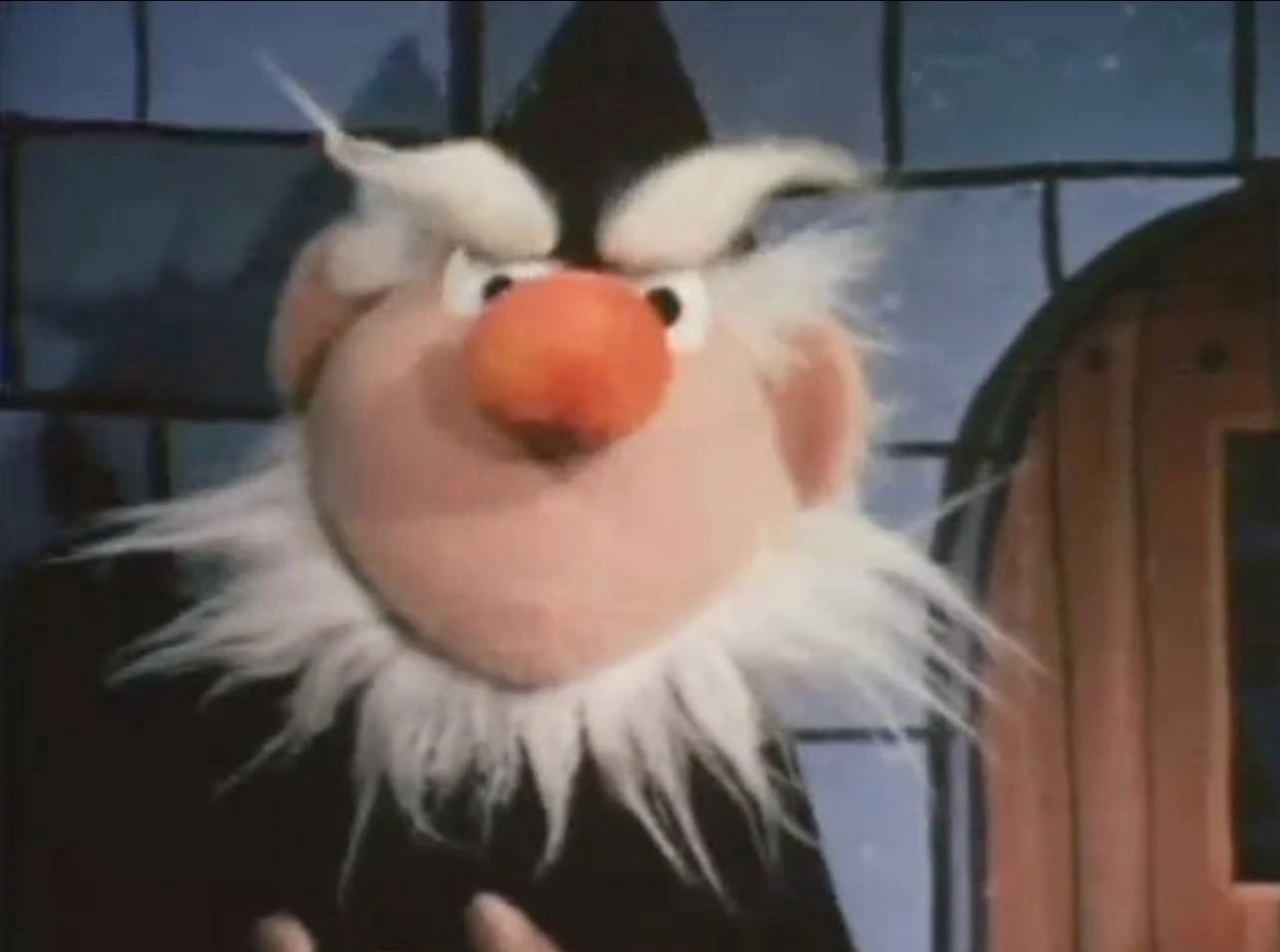
One of Jim Henson’s most famous quotes centers on the ability to tell stories through puppetry. Pairing stimulating visuals with catchy audio might sound a bit commercial but it is also one of the simplest and most fundamental ways we have come to learn as a species. Psychologically speaking, these associative processes are both primitive and yet remain so powerfully impactful today. Anyone who fails to see how a previously unappreciated song or other form of entertainment could find significance needs to remember stranger things have happened. You’ll have to ask Kate Bush since we sadly can’t ask The Artist Formerly Known As. Hopefully by now you see that over the past three decades much of The Muppets’ degradation is due to a sign of our times. With the unexpected result that we no longer allow this amazing cast to act as creatures of habit. Interestingly enough the same can be said about things over on Sesame Street which displays plenty of evidence that time has marched on.
Historically, The Muppets have collectively offered an opus that was equal parts original, outlandish and almost outtake-ish. What made the original Muppet Show magical revolved around Henson and co-creators’ including Jerry Nelson, Dave Goelz inviting us to open our eyes to the wondrous world all around. Finding a way to infuse jovial, oft considered juvenile enjoyment into what may otherwise might be seen as mature or mundane: the jewel in the ruffles. You may not consider Thomas Crown your standard affair, but watching The Great Muppet Caper can encourage anyone to book a room at the Happiness Hotel. The Muppet Theater is the sort of place where inclusiveness and creativity meet, thus an invitation for each and every Muppet who aspires for a chance on the stage to shine brightly. Once the elaborateness of the sketches diminished and aversion towards taking creative risks appeared, the stage lights began to dim.
The parable of the puppet, a riddle that Henson and others helped solve for us all when he created The Muppets and The Muppet Show. Using the type of parody that doesn’t perpetuate stereotypes but rather consistently presents representations so extreme it becomes easy to see beyond the facade. They say when one sense is dulled, others increase. Maybe by overloading them, Jim Henson via the The Muppet Show increased our sensibilities; our awareness for what we otherwise take for granted.
Demonstrating to us that the mainstream, the easy, expected path doesn’t always ensure the outcome. How this life is about taking chances, leaving the swamp and most importantly, reflecting on the connections you make along the way.
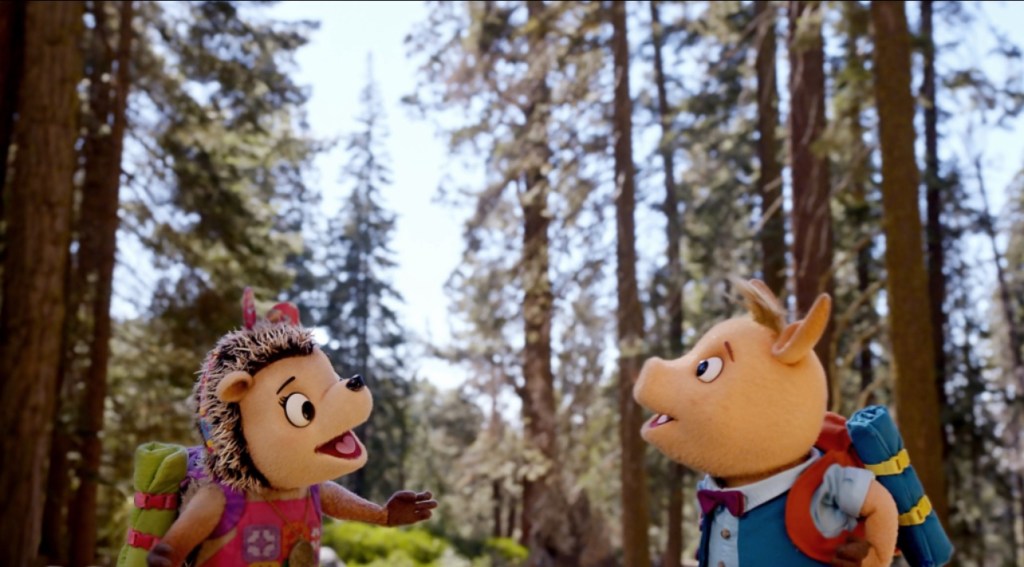
To paraphrase something both Kermit and his creator Jim Henson stated: ”life is like a movie, write your own ending.” Come to think of it, have you ever noticed how The Magic Store’s lyrics foreshadow what the two Muppet Babies series have confirmed. No matter how unlikely it might seem, how insurmountable the obstacles or odds, anything is possible.
For the Lovers, he Dreamers and….
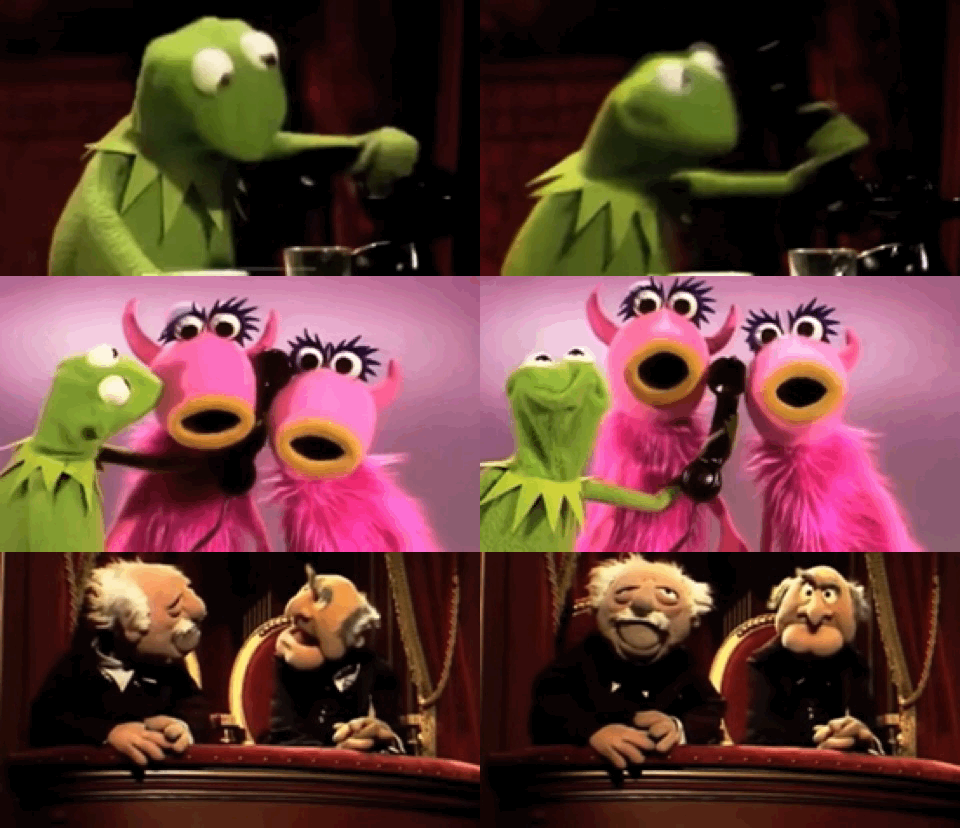
Mahna Mahna



 Off The Top Of My Head And Out Of My Mind
Leave a comment